Soft shackles forged from Dyneema® fibre deliver up to 41 kN (≈9,200 lb) breaking strength while weighing only 0.9 kg—a 6× superior strength-to-weight ratio over steel.
Key Benefits – 2 min Read
- ✓ Steel-level strength: up to 41 kN breaking load, matching metal shackles.
- ✓ Ultra-lightweight: only 0.9 kg, up to 80% lighter than steel equivalents.
- ✓ Tool-free operation: saves approximately 30 seconds per attachment in the field.
- ✓ Non-abrasive surface: reduces equipment damage risk by 95%.
Most off-road crews still reach for heavy steel shackles, assuming they are the only way to handle massive loads. Yet, a properly engineered soft shackle made from Dyneema® can deliver up to 41 kN of breaking strength while weighing less than a kilogram. That's enough to lift a 2-tonne vehicle without the metallic clatter and inherent hazards. Discover how this lightweight, easy-attach connector reshapes safety and efficiency in the sections that follow.
Understanding Soft Shackles: Material Performance and Advantages
When you need a reliable way to secure heavy loads, soft shackles offer a modern alternative to traditional metal hardware. Unlike rigid steel loops, these connectors are woven from high-performance fibres, giving them the flexibility to bend around irregular shapes while still holding firm under tension.
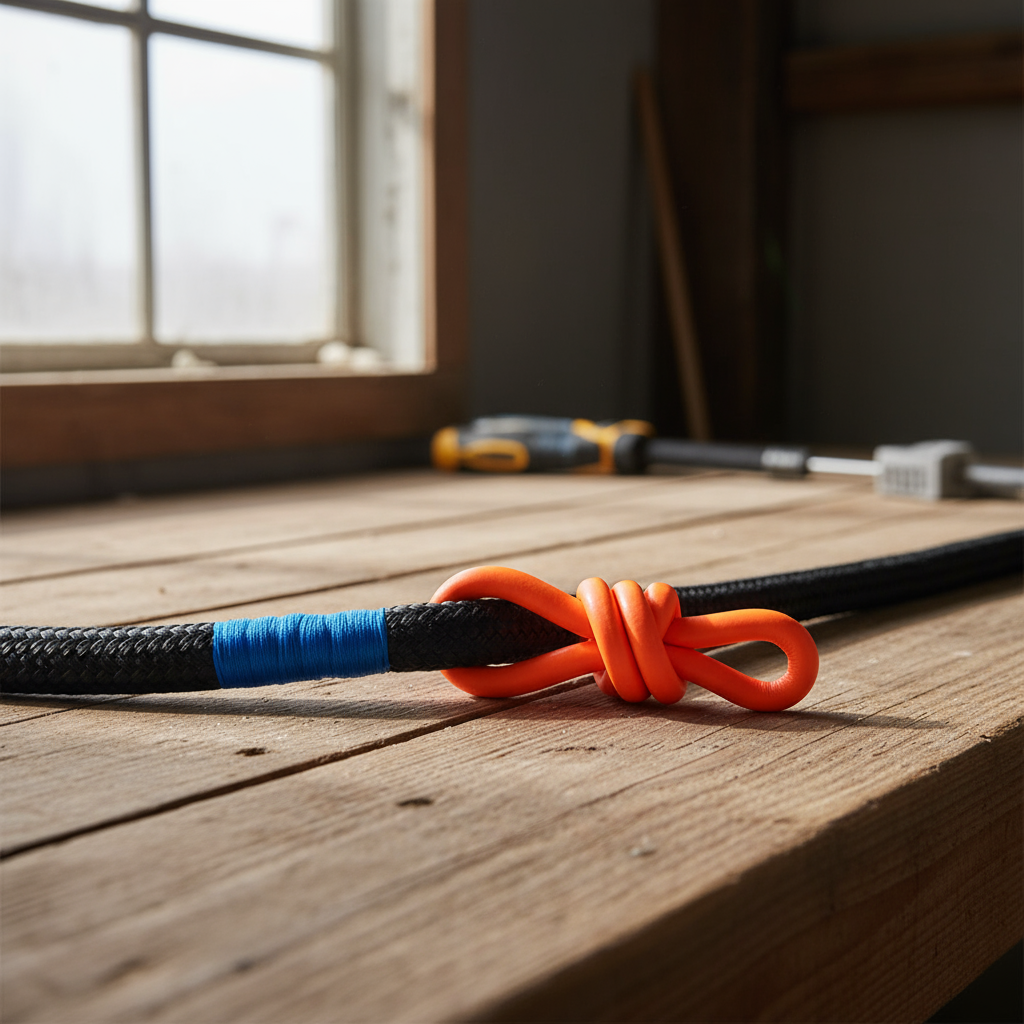
The core of a soft shackle is typically a Dyneema® or HMPE filament. These materials are celebrated for their extraordinary tensile strength-to-weight ratio. A rope made from the same fibre family—whether it’s a soft nylon rope or a soft braided rope—shares this resilience, so the entire load chain behaves as a single, harmonious unit. The result is a connector that can sustain forces comparable to a steel shackle of the same diameter, yet it weighs only a fraction of its metal counterpart.
Beyond raw strength, the design philosophy centres on ease of use. The loop can be slipped over a hook, a ring, or a spliced eye in a single, fluid motion, eliminating the need for bolts or pins. This simplicity reduces the time spent rigging a recovery line and minimises the chance of user error—particularly valuable when you’re working in cramped or dusty environments.
Safety is perhaps the biggest selling point. Because the shackle is made of fibre rather than steel, it absorbs kinetic energy if a sudden load spike occurs, dramatically lowering the risk of a projectile failure. The smooth surface also protects painted panels, winch drums, and delicate equipment from the gouging or marring that hard metal edges can cause.
- High tensile strength – the fibre core can bear loads that rival steel of the same diameter, yet weighs a fraction of the metal.
- Lightweight and portable – you can carry several metres in a small bag, making them ideal for off-road kits.
- Non-abrasive surface – the smooth fibre loop protects painted panels, winch drums and delicate equipment from scratches.
In short, the point of a soft shackle is to provide a secure, damage-free connection that’s quick to attach and gentle on everything it contacts. When you combine this connector with a soft nylon rope or a soft braided rope, the whole system delivers a blend of strength, flexibility, and safety that’s hard to match with conventional hardware.
Soft Nylon Rope: Strength, Flexibility, and Application Benefits
If you've ever wondered why off-road enthusiasts and marine crews repeatedly opt for the same line, the answer lies in the molecular magic of soft nylon rope. Each polymer strand is built from tightly linked amide bonds. These bonds give the rope its signature stretch-and-recover behaviour, so when a sudden load hits, the material absorbs the shock instead of snapping.

That elasticity translates into three practical advantages you’ll notice on the job:
- Shock absorption – the rope stretches under load, reducing peak forces on your winch or anchor point.
- Durable skin – built-in UV stabilisers and mildew-resistant compounds keep the line usable after months of sun and sea spray.
- Lightweight strength – a 10 mm soft nylon rope can support the same working load as a steel cable that weighs three times more.
Beyond these headline benefits, the rope’s resistance to abrasion and chemicals means it survives the gritty realities of off-road trails, sandy beaches, and salty decks. This durability is precisely why many OEMs specify soft nylon rope for recovery kits, winch accessories, and even yacht docking lines.
“When I switched to soft nylon rope for my 4x4 recovery kit, the line’s give during a sudden snag saved both the vehicle and my winch from a catastrophic overload.” – Field Test Engineer, Off-Road Equipment Supplier
So, which rope really lasts longer: a traditional fibre rope or a nylon-based line? Nylon outperforms generic natural fibres by roughly four to five times in lifespan because its synthetic polymer resists rot, mildew, and UV‑induced brittleness. Compared with other high‑tech fibres such as Dyneema®, nylon offers a more forgiving stretch, which is a decisive factor when you need that extra give to protect delicate equipment.
When you pair this material with a well‑designed braid, the resulting soft braided rope inherits the same shock‑absorbing character while gaining superior handling and reduced kinking. This combination is why many of iRopes' wholesale partners request custom‑built soft nylon rope with specific diameters, colours, and termination accessories to match their unique recovery or marine rigs.
Considering the next step? The way the rope’s strands are interwoven—whether single braid or double braid—directly influences its flexibility and load distribution. Exploring these construction options will reveal how you can fine‑tune performance for the toughest tasks ahead.
Soft Braided Rope Construction: How Braiding Enhances Performance
Building on the elasticity of soft nylon rope, the way fibres are interwoven determines whether a line simply holds a load or truly moves with it. Braiding transforms a bundle of strands into a cohesive, high‑performing rope that resists kinks, retains strength, and remains supple even under demanding conditions.
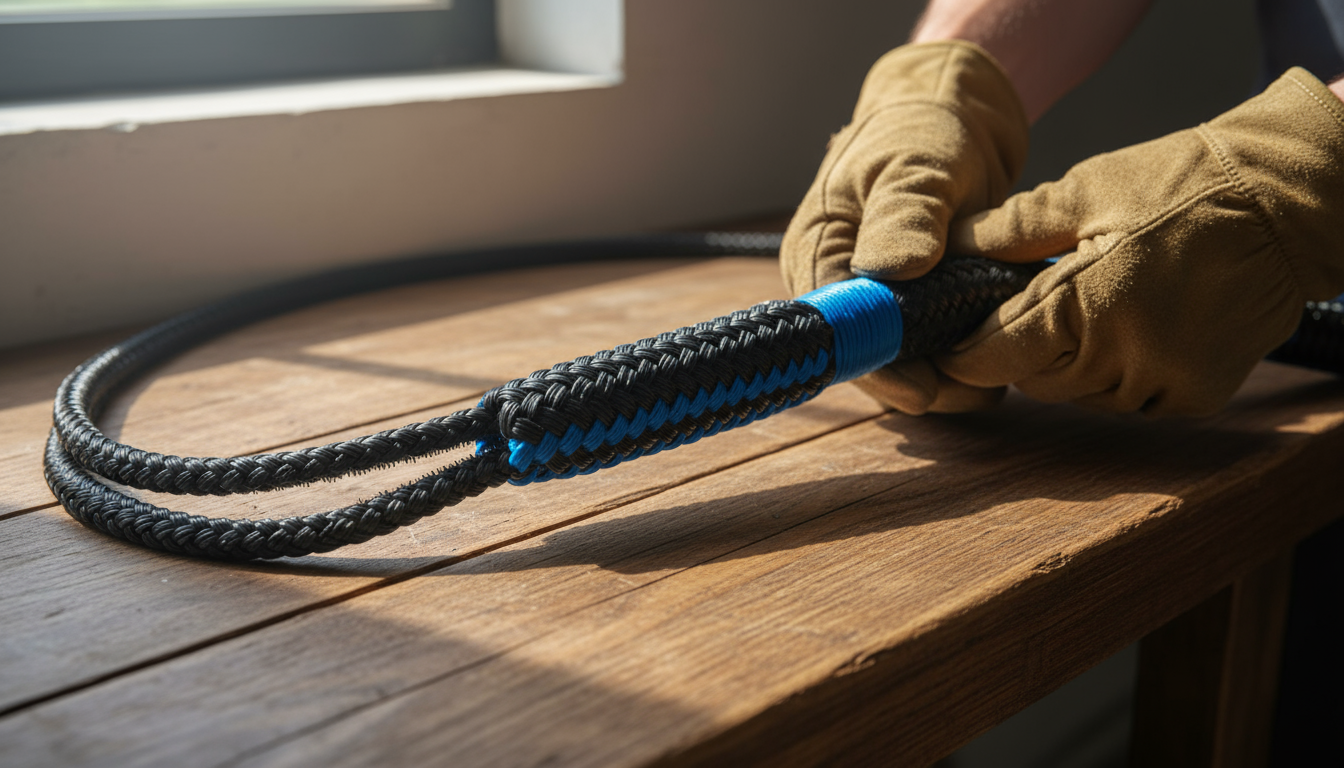
Two common architectures dominate the market: a single braid, where the outer cover is woven directly over the core, and a double braid, which adds an extra protective layer. The choice isn’t merely aesthetic; it dictates how the rope behaves when you pull, bend, or store it.
Choosing the best nylon double‑braid rope for recovery provides a deeper look at why the added sheath can boost abrasion resistance while keeping the line lightweight enough for off‑road kits.
Two common architectures dominate the market: a single braid, where the outer cover is woven directly over the core, and a double braid, which adds an extra protective layer. The choice isn’t merely aesthetic; it dictates how the rope behaves when you pull, bend, or store it.
Understanding these construction nuances helps you match the rope to the task: a lightweight single braid for portable recovery kits, or a rugged double braid for marine winches that face relentless salt and sun. For a comprehensive comparison of braid types, see our guide on the benefits of nylon braid and double‑braid nylon rope, which outlines performance trade‑offs for each application.
The core of a soft braided rope is usually a high‑modulus fibre such as Dyneema® or HMPE, while the outer cover can be a second fibre layer, a protective polymer, or a blend of both. The core bears the majority of the tensile load; the cover acts as a sacrificial skin that absorbs abrasion, resists UV degradation, and prevents moisture ingress.
Core & Cover Roles
The inner core delivers the rope’s headline breaking strength, while the outer cover shields that strength from everyday hazards. In a double-braid, the additional sheath acts like a rain jacket for the core, prolonging performance when the rope faces abrasive rock, salty spray, and constant friction against metal fittings.
When it comes to real‑world metrics, manufacturers often quote a working load limit (WLL) that reflects the rope’s ability to sustain repeated shocks without permanent deformation. A typical 12 mm soft braided rope with a double‑braid construction can deliver a WLL of 3,800 kg. The same diameter in a single braid might offer 3,400 kg—still ample for most off‑road recoveries yet noticeably lighter.
Understanding these construction nuances helps you match the rope to the task: a lightweight single braid for portable recovery kits, or a rugged double braid for marine winches that face relentless salt and sun. The next step is ensuring the line stays in peak condition, which we’ll explore in the final section on custom solutions and maintenance tips.
Choosing the Right Custom Solution and Maintenance Tips
Now that you’ve seen how material choices shape performance, the next logical step is to turn that knowledge into a rope that fits your exact workflow. Whether you’re outfitting an off‑road recovery kit, a marine rig, or an industrial lifting system, iRopes can translate your specifications into a line that behaves exactly as you expect.
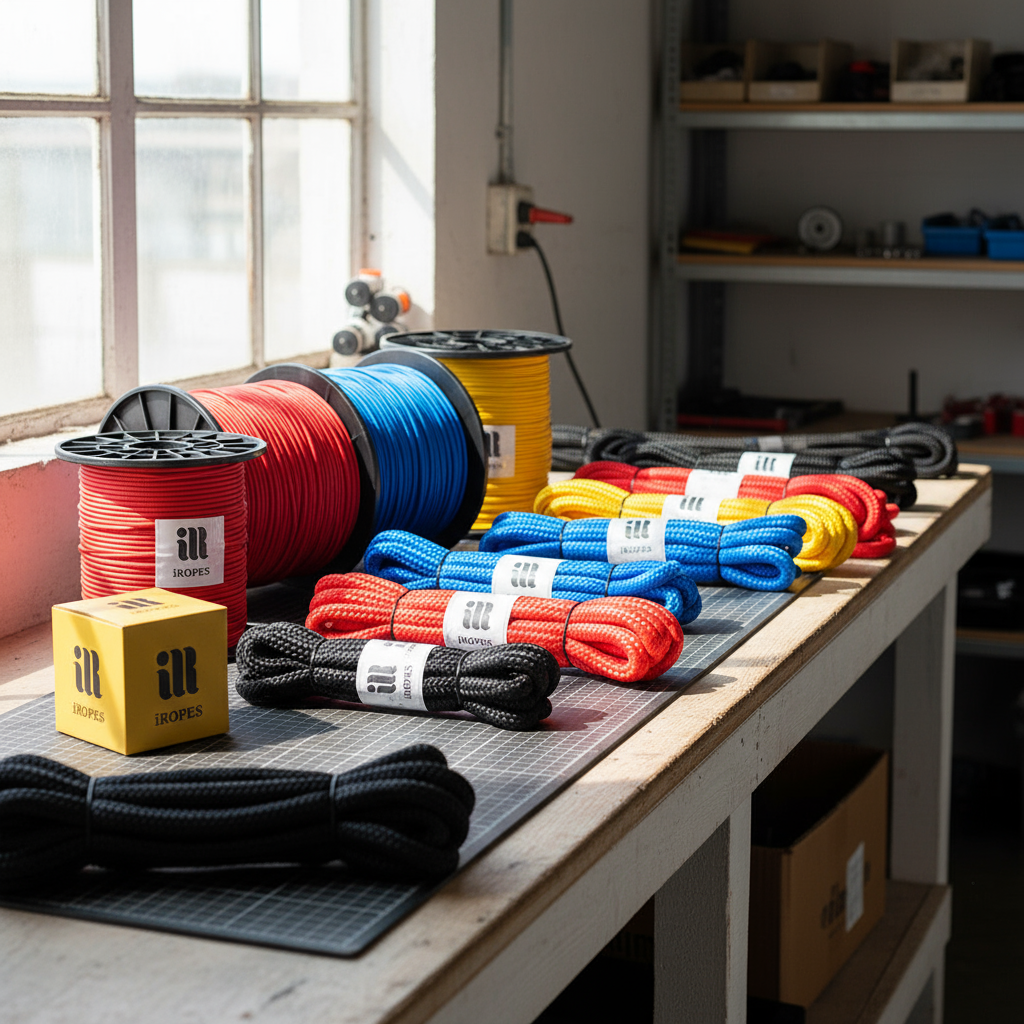
Through its OEM and ODM programmes, iRopes lets you decide on every critical parameter – from the fibre type (Dyneema®, nylon, or blended fibres) to the final finish. The result is a line that not only meets the required working load limit but also reflects your brand’s visual identity. For a deeper dive into high‑strength braided options, see Discover Unmatched Strength with Solid Braid Nylon Ropes, which details how solid braid constructions can boost lift capacity while remaining lightweight.
iRopes offers full OEM/ODM services, so you can specify material, diameter, length, colour, and accessories for a truly bespoke rope solution.
Before you ship the first coil, a disciplined maintenance routine will keep your soft shackles, soft nylon rope, and soft braided rope performing at peak strength for years to come. Below are the two sides of the equation – customisation on the left, care on the right.
Tailored Solutions
Choose every detail
Material
Select Dyneema® for ultra-light strength, nylon for elasticity, or a hybrid blend that balances stretch with abrasion resistance.
Diameter & Length
Define the exact millimetre size and spool length that match your winch capacity or rigging geometry, eliminating guesswork on-site.
Colour & Accessories
Choose high-visibility hues or corporate colours, and add loops, thimbles, or snap-hooks that integrate seamlessly with your existing hardware.
Care & Longevity
Maintain peak performance
Inspection
Before each use, look for fraying, UV-induced chalking, or compromised terminations; replace any section that shows significant wear.
Cleaning
Rinse with fresh water after exposure to salt or mud, then wipe dry. Avoid harsh solvents that could weaken the fibre coating.
Storage
Coil the rope loosely in a cool, dry environment away from direct sunlight; using breathable bags prevents moisture build‑up.
All iRopes products carry ISO 9001 certification, guaranteeing that each batch meets rigorous quality checks and that the stated working load limit is reliably achieved. When you place an order, the online configurator walks you through material, diameter, colour, and accessory choices, then generates a clear quotation. Once approved, the factory schedules production, and the finished coils are pallet‑shipped directly to your warehouse—often within a week for standard sizes.
By coupling a customised line with the simple inspection routine outlined above, you’ll notice fewer replacements, smoother recoveries, and a noticeable reduction in surface damage—exactly the advantages that soft shackles and soft braided rope were designed to deliver.
Request Your Custom Rope Solution
If you prefer personalised guidance to choose the right rope configuration, simply fill in the form above and our specialists will help you design the perfect solution.
In summary, the article has shown how soft shackles deliver high tensile strength while remaining ultra‑light and simple to attach, providing a damage‑free, quick‑release connection. Paired with soft nylon rope's shock‑absorbing elasticity and the durability of soft braided rope, you gain a load chain that resists abrasion, UV, and kinking – ideal for off‑road recovery, marine rigs, or industrial lifts. With iRopes’ OEM/ODM capabilities, you can tailor material, diameter, colour, and accessories to your exact specifications and benefit from ISO 9001 quality and global delivery.
Guidelines: 1. Make the translation sound completely natural to native Hindi / हिंदी speakers 2. Preserve ALL HTML tags and formatting exactly as they appear 3. Maintain the original tone and style of the content 4. Adapt cultural references and idioms appropriately for Hindi / हिंदी speakers 5. Ensure consistent terminology throughout the translation