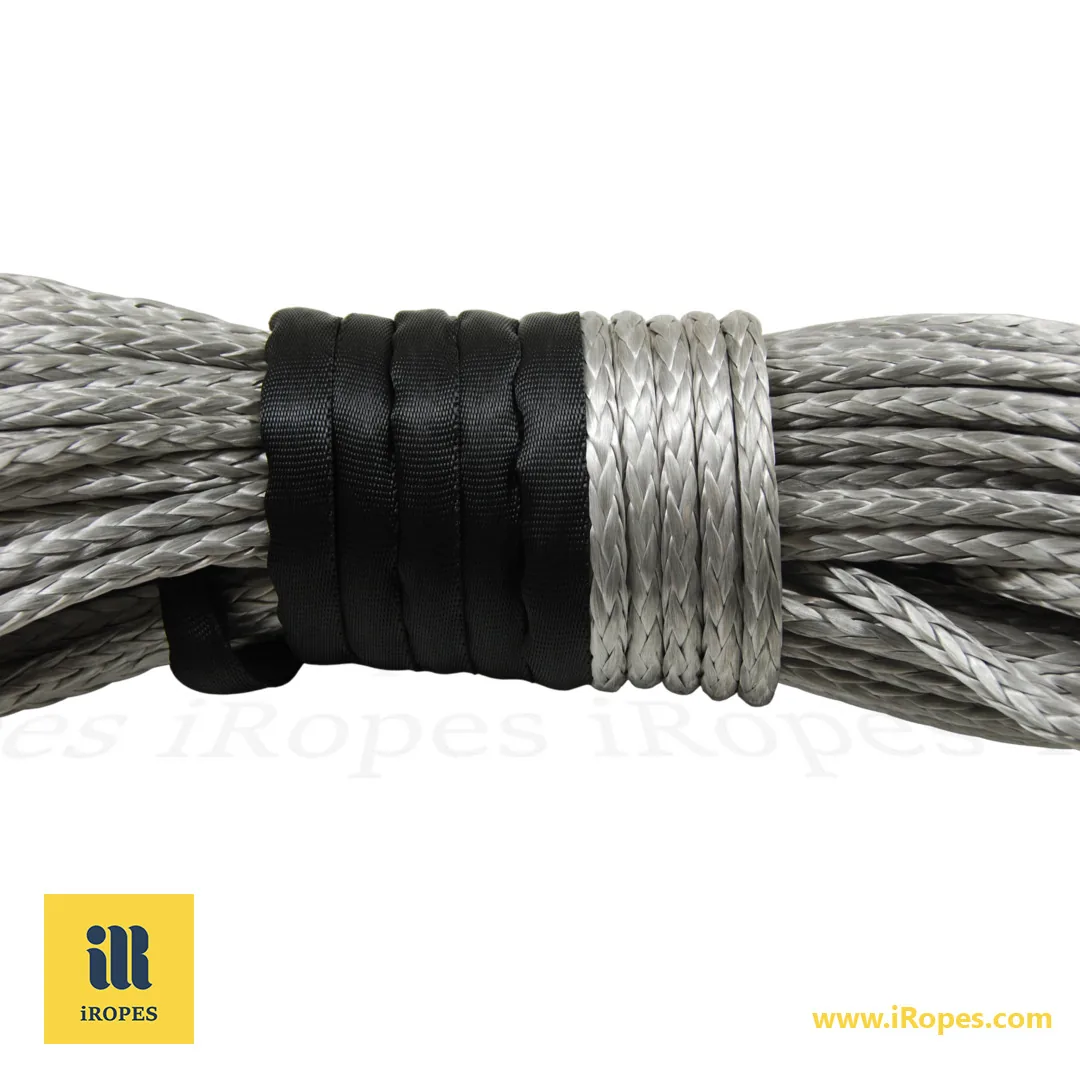
Many boat owners think any rope will do, but choosing purpose‑built twine cordage can significantly improve safety, handling and longevity.
≈9‑minute read – What you’ll gain
- ✓ Increase UV resistance with the right material, extending service life.
- ✓ Reduce deck weight by using high‑strength, low‑mass fibres.
- ✓ Save with bulk‑order tiers—up to 30% on large volumes.
- ✓ Receive ISO 9001–backed, colour‑customised twine cordage with reliable global shipping.
You’ve probably been coiling generic rope on deck, trusting it will hold the next gust – but that habit costs you speed, safety and money. In the next sections we’ll reveal how matching the exact fibre, diameter and UV protection to each boat component can reduce weight, improve strength‑to‑weight performance and deliver dependable operation—all without blowing the budget.
Understanding twine cordage for marine applications
Twine cordage is a collection of thin, plied fibres that are bundled together to form a flexible line. Unlike traditional rope, which often consists of multiple large‑diameter strands, twine is usually lighter, more supple, and easier to handle on a cramped deck. This makes it ideal for tasks where you need strength without the bulk of a heavy‑duty rope.
On a boat, you’ll find twine cordage in several critical roles. It secures loose gear during a sudden squall, ties down canvas covers on the foredeck, assists with sail‑handling manoeuvres, and serves as a safety line for crew moving on deck. Because fine‑diameter cordage slides smoothly through small fairleads and blocks, you can tighten or release it quickly—a valuable trait when the wind shifts unexpectedly. Ever wondered which line will hold up when a gust snaps the mainsail? The right twine can be the difference between a smooth reef and a chaotic scramble.

When you compare cordage twine with traditional rope, the key distinctions are weight, flexibility and storage. Twine’s low‑mass profile reduces the overall load on your boat’s fittings, while its pliable nature allows it to be stored in compact spools or even tucked into a sailbag. However, because each strand is finer, you’ll need to match the material to the expected load and exposure—synthetic blends excel in UV resistance, whereas natural fibres offer a softer grip for delicate applications.
- Natural twine – cotton, sisal, jute, hemp, coir.
- Synthetic twine – polypropylene, nylon, polyester, HMPE, Vectran, Kevlar.
Choosing the right type starts with the environment you’ll face. If you spend most of your time in sunny, salty seas, a synthetic twine that resists UV degradation will keep its strength longer. For inland lakes or short‑range outings where a gentle touch is preferred, a natural twine provides just enough grip without abrading delicate hardware. By understanding these nuances, you can select a line that complements the specific demands of each boat component.
"When the sea turns rough, a light‑weight twine cordage holds the sail just as firmly as a heavyweight rope, without adding unnecessary strain to the mast."
Armed with a clear definition, a sense of where twine excels on a vessel, and an overview of natural versus synthetic options, you’re ready to dive deeper into material performance. The next step is to examine how each fibre’s properties influence strength, UV resistance, and longevity across the various parts of your boat.
Choosing the right cordage twine material for your boat
Now that you understand how a fibre’s inherent properties shape durability on the water, the next decision is picking the exact material that matches each component of your vessel. The right choice can keep a sail tight under a blazing sun, prevent costly wear on deck fittings, and still fit within a sensible budget for your fleet.
The most common marine fibres fall into three performance tiers. The following numbered list highlights the key strengths, UV‑resistance level, and typical applications of each material you’ll encounter when sourcing twine and cordage products.
- HMPE – ultra‑high‑molecular‑weight polyethylene; offers very high tensile strength with minimal stretch and excellent UV stability, ideal for high‑load rigging.
- Technora – aramid‑based fibre; heat‑resistant, strong under tension, and provides solid abrasion protection for high‑load lashings.
- Vectran – liquid crystal polymer; low creep, good UV resistance, perfect for winch lines that need consistent bite.
- Polyester – balanced strength and cost; resists UV degradation well, making it a workhorse for deck‑fitting loops.
- Polyamide (nylon) – high elasticity and decent strength; slight water absorption, suitable for anchoring lines where some give is beneficial.
- Kevlar – high‑modulus aramid; excellent tensile capacity but lower UV endurance, best used where weight‑saving is critical.
- PP (polypropylene) – budget‑friendly and buoyant; lower overall strength and UV resistance unless stabilised, often chosen for temporary tie‑downs.

Material match‑up
For deck fittings that see frequent adjustments, polyester or PP give you a smooth bite and UV endurance without breaking the bank. High‑load lashings and standing attachments benefit from HMPE or Technora, because their low stretch keeps the rig tuned under gusts. Winch lines that must grip tightly yet stay supple are well served by Vectran or Kevlar, while primary anchoring lines often rely on polyamide’s shock‑absorbing nature; HMPE can be used for low‑stretch, high‑load tasks with appropriate hardware.
Are synthetic twines stronger than natural? In a nutshell, yes—synthetic fibres such as HMPE, Vectran and Kevlar consistently out‑perform cotton, sisal or hemp in tensile strength and UV resistance, while still remaining lightweight enough for most marine tasks.
With a clear picture of each fibre’s attributes, you can now move on to evaluating the exact performance metrics and price structures that will guide your final purchase decision.
Evaluating twine and cordage products: performance and pricing
Now that you know which fibre suits each part of your vessel, the next step is to match the numbers on the label with the job at hand. Understanding the key performance metrics and the price structure will keep you from over‑paying for strength you never use, while still giving you the confidence that your line won’t snap when the wind picks up.

The data sheet that ships with every batch of twine and cordage products boils down to four headline figures:
- Tensile strength
- Elongation
- Abrasion resistance
- Certifications and compliance
Tensile strength tells you the maximum load before the line breaks; elongation indicates how much give you’ll have under strain; abrasion resistance shows how well the surface survives chafing against deck fittings; and certifications and compliance notes confirm manufacturing quality (ISO 9001) and any relevant product standards (for example, UIAA for climbing variants).
For example, HMPE cord can deliver around 4,700 lb breaking strength with less than 2 % stretch. By comparison, a cotton twine of similar size may be about 550 lb, while an 8 mm nylon line is roughly 1,850 lb. These ranges help you choose a safe, efficient specification.
Pricing follows a tiered logic by material and diameter. Polyester generally sits at a lower price band than HMPE or aramid fibres, while polypropylene is usually the most economical. Bulk purchases often unlock significant savings—up to 30 % for very large orders—and typical lead times are around 7–10 business days for standard items and 15–20 days for custom builds. Minimum order quantities vary by material, with standard polypropylene often requiring less than specialty fibres.
Cord
Heavier‑duty line
Higher load
Designed for standing rigging and high‑tension applications.
Multiple plies
Layered construction adds redundancy and strength.
Rigging staple
Commonly used for shrouds, stays and permanent fittings.
Twine
Light‑weight, flexible
Low mass
Reduces overall load on fittings and eases handling.
Compact, plied line
Compact storage and smooth passage through small fairleads and blocks.
Temp tie‑downs
Ideal for securing gear, sail covers and quick‑release lines.
So, when you compare cord and twine side‑by‑side, the decision hinges on load versus convenience. If you need a permanent, high‑load line, cord is the obvious choice; if you prefer a light, easily stowed line for temporary tasks, twine does the job.
Armed with the performance data, price tiers, and the cord‑vs‑twine comparison, you’re now ready to pick the exact specification that fits your boat’s budget and safety requirements. The next part will show how iRopes can turn those specifications into a custom‑cut solution made just for you.
Customization, OEM/ODM services, and ordering from iRopes
Now that you know which fibre suits each part of your vessel, the next step is turning that knowledge into a product that fits your deck like a glove. iRopes’ OEM/ODM workflow is built around your specifications, so the twine cordage you receive arrives ready for immediate installation.

Here’s how the process unfolds for your custom order:
1️⃣ Choose the fibre—HMPE, Technora, Vectran, polyester, polyamide, Kevlar or PP.
2️⃣ Add branding elements such as colour, pattern or your logo, and select any accessories like loops or thimbles.
3️⃣ Approve the final sample, then watch the batch move through our ISO‑9001‑certified line, protected by full IP safeguards.
Packaging is another decision point that influences cost and handling. You can opt for plain, non‑branded bags for bulk stock, colourful boxes that showcase your brand on the dock, or sturdy custom cartons that survive long‑haul shipping. Every option is designed to keep the twine and cordage products intact until they reach your yard, and palletised shipments are available for global delivery.
Ready to order?
Click the “Request a Quote” button, download the detailed spec‑sheet PDF, and schedule a design consultation—your custom marine twine is just a few clicks away.
By now you understand how twine cordage differs from heavier rope, which marine applications benefit from its light weight, and which fibres deliver the best strength‑to‑weight ratio. When evaluating cordage twine options, our collection features HMPE, Technora, Vectran, polyester, polyamide, Kevlar and PP, so we can help you choose the right material for each part of your boat, supporting optimal performance and durability. For more guidance on selecting the ideal line for winches and moorings, see our guide on the best rope for boat winch and mooring solutions.
If you’d like personalised advice on any of our twine and cordage products to match a specific load, UV exposure or branding requirement, simply fill in the short form above and our rope specialists will design a tailored solution for you. Want to see a direct performance comparison between two popular fibres? Our detailed analysis Kevlar vs Polyester Breaking Strength Explained provides the numbers you need.
Request a custom marine twine solution
Use the form above to share your exact requirements, and we’ll provide a personalised quote and design consultation to ensure your boat gets the perfect twine.
Looking to enhance dock safety as well? Explore our recommendations in Boost Yacht Safety with Braided Dock Lines & Rope Solutions.