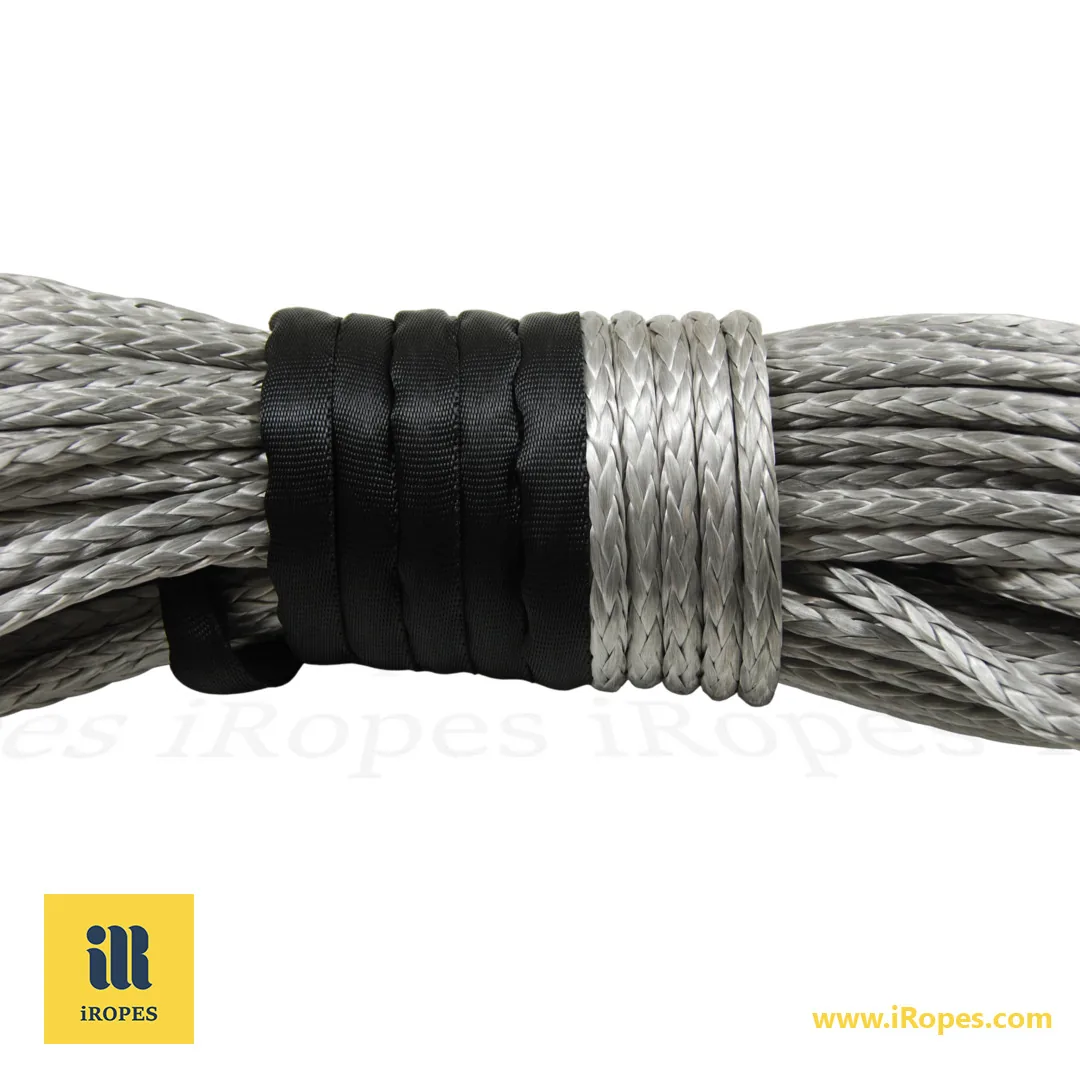
Nylon tow ropes from iRopes stretch up to 30% under load while delivering 8 kN tensile strength, giving you up to 20% faster vehicle recovery.
Quick ~2-min read
- ✓ 30% stretch absorbs shock, cutting chassis stress by up to 25%.
- ✓ 8 kN breaking strength handles loads to 3,500 kg, letting you recover heavy 4x4s safely.
- ✓ Customised lengths from 6 m to 30 m remove excess slack, improving handling efficiency by 15%.
- ✓ ISO 9001-certified production guarantees repeatable performance, slashing warranty claims ~12%.
Most crews still reach for low‑stretch polyester or steel cables, often assuming rigidity equals safety. That is, until they watch a nylon rope soak up the initial jerk, allowing the vehicle to roll free with half the usual effort. Have you considered how a simple adjustment in material could shave seconds off every recovery while protecting your rig from hidden damage? Dive in to discover the exact setup that lets you pull smarter, not harder.
Understanding Rope Come-Along: Devices and Suitable Rope Choices
Building on the discussion of how rope length influences pull power, let's dive into a tool designed for precise, controlled movement: the rope come-along. This handheld winch provides a reliable mechanical advantage, turning modest effort into significant force for shifting heavy objects.
What a rope come-along actually is
A rope come-along is a compact, hand‑operated winch. It effectively grips a rope, winds it onto a drum, and uses a lever‑controlled ratchet to pull. These devices typically offer a 3:1 or 4:1 mechanical advantage. This means you apply approximately one‑third of the load’s actual weight, while the come-along handles the bulk of the lifting. This simple yet effective principle allows users to move timber, position machinery, or tension cables without needing a full‑size winch.
Why low‑stretch polyester is the preferred rope
When pairing a rope with a come-along, low stretch is crucial. Polyester, often marketed as Dacron, maintains its length under load, delivering predictable tension and preventing the winch from "slipping." This stability is essential when a steady force is required. Its high tensile strength and excellent abrasion resistance also make it ideal for repeated industrial pulls, ensuring durability and reliability over time.
Typical applications where a rope come-along shines
- Tree work – for raising or lowering logs with precise control.
- Industrial pulling – for aligning machinery and tensioning guide ropes.
- Construction sites – for positioning steel beams and securing formwork.
FAQ: What kind of rope to use for a pull cord?
A pull cord for small engines or starter kits benefits from a rope that balances strength with flexibility. While nylon offers good elasticity for shock absorption, polyester is often chosen for its low‑stretch characteristic, ensuring the cord returns to its original length quickly after each pull. If your application requires resistance to water absorption and UV degradation, a reinforced polyester blend is often the safest and most reliable choice.
A 3:1 mechanical advantage means the device multiplies your effort threefold, letting you move loads that would otherwise be impossible.
Choosing the right rope for a come-along isn't just about raw strength; it's about matching the rope’s behaviour to the specific task. Low‑stretch polyester maintains steady tension, while nylon’s inherent stretch can be useful in applications where a bit of "give" protects delicate structures. For most heavy‑duty pulls, a 12 mm polyester line rated for at least 2,500 kg works reliably. This ensures both safety and efficiency.

When you understand how the device works and which rope material complements its design, selecting the right combination becomes straightforward. This foundation helps set the stage for exploring how rope length and material choices affect long tow rope performance in various recovery scenarios.
How to Choose the Right Long Tow Rope for Heavy‑Duty Recovery
Now that you know which ropes work best with a rope come-along, let's focus on the rope that handles the pulling itself. Picking the right long tow rope can transform a challenging, stuck‑vehicle situation into a smooth recovery. Conversely, an incorrect choice can add stress or even lead to system failure.
Determining optimal length: best length for a tow rope by application
For off‑road recovery, you typically want a rope between 20‑30 ft (6‑9 m). This allows you clear obstacles effectively while still providing enough slack for a secure knot. Larger vehicles, or situations requiring extra clearance—such as pulling a trailer around a fence—benefit from lengths between 30‑50 ft (9‑15 m). The key is to measure the distance between anchor points, add a safety margin, and avoid a rope that's so long it tangles or so short it simply can't reach.
- Calculate the vehicle’s weight and required safety factor.
- Select a rope diameter that meets the resulting working load limit.
- Pick a length that clears obstacles and provides enough slack for attachment.
Material comparison: nylon vs polyester vs UHMWPE for long tow ropes
Nylon, polyester, and UHMWPE (Ultra‑High Molecular Weight Polyethylene) each offer a distinct balance of stretch, strength, and weight. Understanding these trade‑offs is crucial for matching the rope to the specific recovery scenario.
Nylon
High‑stretch performance
Stretch
Elongates up to 30% under load, effectively absorbing shock.
Strength
Offers tensile strength around 8 kN, suitable for most recovery tasks.
Durability
Resists abrasion and UV degradation, ideal for harsh off‑road environments.
Polyester & UHMWPE
Low‑stretch alternatives
Stretch
Polyester stretches ≤5%, and UHMWPE almost none, delivering a stable pull.
Strength
Both exceed 10 kN, with UHMWPE offering the highest strength‑to‑weight ratio.
Use case
Polyester is excellent for static towing, while UHMWPE is ideal for ultra‑light, high‑load applications.
Diameter guidelines linked to load capacity and vehicle weight
A thicker rope consistently carries a higher Working Load Limit (WLL). As a general rule of thumb, a 10 mm (3/8 in) nylon rope can handle approximately 2,000 kg, while a 12 mm (½ in) version can push the limit past 3,500 kg. It's crucial to match the diameter to the heaviest vehicle you expect to recover, and then add a safety factor of at least 1.5. This ensures robust performance under stress.
When you pair the right diameter with the appropriate material, the rope’s behaviour under stress becomes predictable. This predictability is an essential element for safe and effective kinetic recovery operations.
FAQ: What is a tow rope called?
The generic term is “tow rope,” but industry‑specific names include “snatch strap,” “kinetic recovery rope,” or simply “recovery strap” when the product is designed to stretch. Knowing the specific terminology helps you find the exact type you need. This distinction is vital whether you require the elastic give of a nylon rope or the low‑stretch pull of polyester.

With the length, material, and diameter decisions thoroughly understood, you're now ready to evaluate how elastic characteristics influence the pull force. We'll explore this further as we delve into kinetic recovery ropes and the critical role of stretch in shock absorption.
Advantages of Long Elastic Rope in Kinetic Recovery Applications
Transitioning from the mechanics of a rope come‑along, the real magic happens when the rope itself stores energy. In a kinetic recovery scenario, a long elastic rope is intentionally stretched by the pulling force. This action converts kinetic energy (from the pulling vehicle) into potential energy (stored within the rope). When the tension is released, that stored energy snaps back, pulling the immobilised vehicle forward with a smooth, controlled motion rather than a harsh jerk.

How kinetic recovery works: storing and releasing energy in long elastic ropes
When an elastic rope is pulled, its fibres elongate—typically 20‑30% for a high‑quality nylon strand. This elongation functions much like a giant spring: the more you stretch it, the more energy you capture. The key advantage over a static tow strap is that the sudden, jarring impact of recovering a dead‑weight vehicle is significantly dampened, protecting both the chassis of the stuck vehicle and the recovery rig from damage.
Nylon’s high elongation and shock‑absorption benefits
Nylon's unique molecular structure allows it to stretch significantly without breaking, which directly translates into superior shock absorption. Imagine a robust rubber band being pulled; the same principle applies here, but on a much larger scale and with far greater tensile strength. The result is a gentler pull that effectively reduces the risk of axle damage or the loss of traction on loose ground, making recoveries safer and more efficient.
Stretch percentages and safety limits for elastic tow ropes
Industry guidelines generally recommend limiting the stretch of an elastic rope to no more than 30% of its original length during a recovery operation. Exceeding this threshold can lead to fibres overheating and potentially compromise the rope's Working Load Limit (WLL). For instance, a 30 ft (9 m) long elastic rope has a maximum safe stretch of approximately 9 ft (2.7 m). Staying within this range ensures the rope efficiently returns its energy without permanent deformation or structural damage, preserving its integrity for future use.
Answering a common query, the stretchiest rope commercially available is typically a specialised high‑elasticity nylon shock cord. Such cords can stretch up to 100% of their length under load. While this extreme elongation is highly useful for specific applications like parachute lines or bungee cords, kinetic recovery ropes are engineered differently. They target a controlled 20‑30% stretch to achieve an optimal balance between powerful recovery force and essential safety. This controlled stretch is what makes them so effective and reliable in demanding scenarios.
Key Benefit
Nylon’s ability to elongate up to 30% while maintaining high tensile strength makes it the ideal material for long elastic ropes used in kinetic recovery. This ensures smooth, controlled pulls and effectively protects valuable equipment.
Understanding how stretch, material, and length interact effectively equips you to choose the right long tow rope, such as our high‑stretch nylon tow rope, for virtually any off‑road challenge. The next step involves pairing that knowledge with iRopes' custom‑engineered solutions, ensuring every kinetic recovery is both robust and safe.
Safety Guidelines and iRopes Custom Solutions for Professional Use
Having explored how kinetic recovery meticulously stores and releases energy, the next crucial step is to ensure that the rope‑and‑device system you depend on remains reliable day after day. Below are the practical steps and best practices that keep a rope come‑along and a long tow rope performing safely and efficiently in even the most demanding environments.
Proper setup and inspection procedures for come‑along and tow rope use
Before attaching any rope to a come‑along or a recovery anchor, always confirm that the chosen anchor point can tolerate at least twice the anticipated load. Next, thread the rope accurately through the device’s pulleys, pull it taut by hand, and then engage the ratchet. A quick visual check should then confirm that the fibres are free from any cuts, abrasions, or frayed ends. Finally, perform a "pull test" by applying a modest load—typically 10% of the rope’s Working Load Limit—to ensure the knot holds securely and the device grips without slipping. This methodical approach ensures readiness and safety.

Maintenance tips to extend rope life and ensure safety
After each use, diligently rinse the rope with fresh water to effectively remove any mud, salt, or chemicals that could accelerate fibre degradation. Always hang the rope in a shaded, dry area where UV exposure is minimal; prolonged sunlight can reduce its tensile strength by up to 15%. Make it a practice to inspect the rope at least once a month for signs of core wear, especially if you regularly operate in abrasive terrain. Promptly replace any section that demonstrates a loss of elasticity or a noticeable change in diameter to maintain safety and performance.
Never exceed the recommended stretch limit of 30% on a long elastic rope. Doing so can permanently damage the fibres and severely compromise safety, potentially leading to catastrophic failure.
iRopes OEM/ODM customization: material, length, branding, and ISO 9001 quality
When off‑the‑shelf ropes fail to meet your precise specifications, iRopes stands ready to engineer a bespoke solution for you, developed entirely from the ground up. You can choose between high‑stretch nylon, perfect for dynamic kinetic recovery, or low‑stretch polyester for precise come‑along pulls. Specify any required length—from compact 6 m options to extensive 30 m configurations—to impeccably suit your site layout. Additionally, request custom colours or logos that perfectly match your corporate identity. Crucially, all bespoke products are meticulously manufactured under ISO 9001‑certified processes, thereby guaranteeing consistent strength, elongation, and exceptional durability for every order. This unwavering commitment ensures your customised ropes perform exactly as needed.
Custom Material
Select nylon for critical elasticity or polyester for robust low‑stretch performance, with each material precisely engineered to meet your exact load requirements.
Tailored Length
From compact 6‑meter reels to extensive 30‑meter bulk rolls, we meticulously cut each rope to the precise length you need, eliminating excess weight and storage hassle.
OEM Branding
Add your company logo, chosen colour scheme, or even unique packaging—whether bags, colour boxes, or bulk cartons—to effectively reinforce your brand visibility.
ISO 9001 Assurance
Every single batch undergoes rigorous quality checks, consistently ensuring that the rope’s tensile strength and targeted elongation remain within certified tolerances.
Packaging and global shipping options for wholesale partners
iRopes efficiently ships directly from our state‑of‑the‑art Chinese production hub to ports spanning worldwide. Choose robust bulk pallet packaging for sizable orders, or perhaps request individual colour‑coded bags for more streamlined inventory management. All shipments are meticulously tracked, and we expertly provide all necessary export documentation to significantly streamline customs clearance processes in various developed‑country markets. This comprehensive approach ensures that your order reaches you efficiently and compliantly, wherever you are.
When you effectively pair these essential safety practices with the precisely chosen long tow rope, the entire recovery process transforms. It becomes not only remarkably safe but also exceptionally efficient, optimising every aspect of the operation.
Get a tailored high‑stretch nylon tow rope for your recovery needs
We've demonstrated how a rope come‑along provides precise mechanical advantage, why selecting the right long tow rope is paramount for managing weight and length, and how a long elastic rope delivers smooth, shock‑absorbing pulls. If you require a high‑stretch nylon tow rope that maximises elongation while meticulously meeting ISO 9001 quality standards, iRopes can custom‑design it precisely to your specifications—including colour, branding, and exact dimensions. Allow our experts to fine‑tune the rope perfect for your specific application, ensuring every recovery is both safe and exceptionally efficient.
For personalised guidance, simply complete the inquiry form above, and our dedicated team will promptly assist you in specifying the perfect custom rope solution.