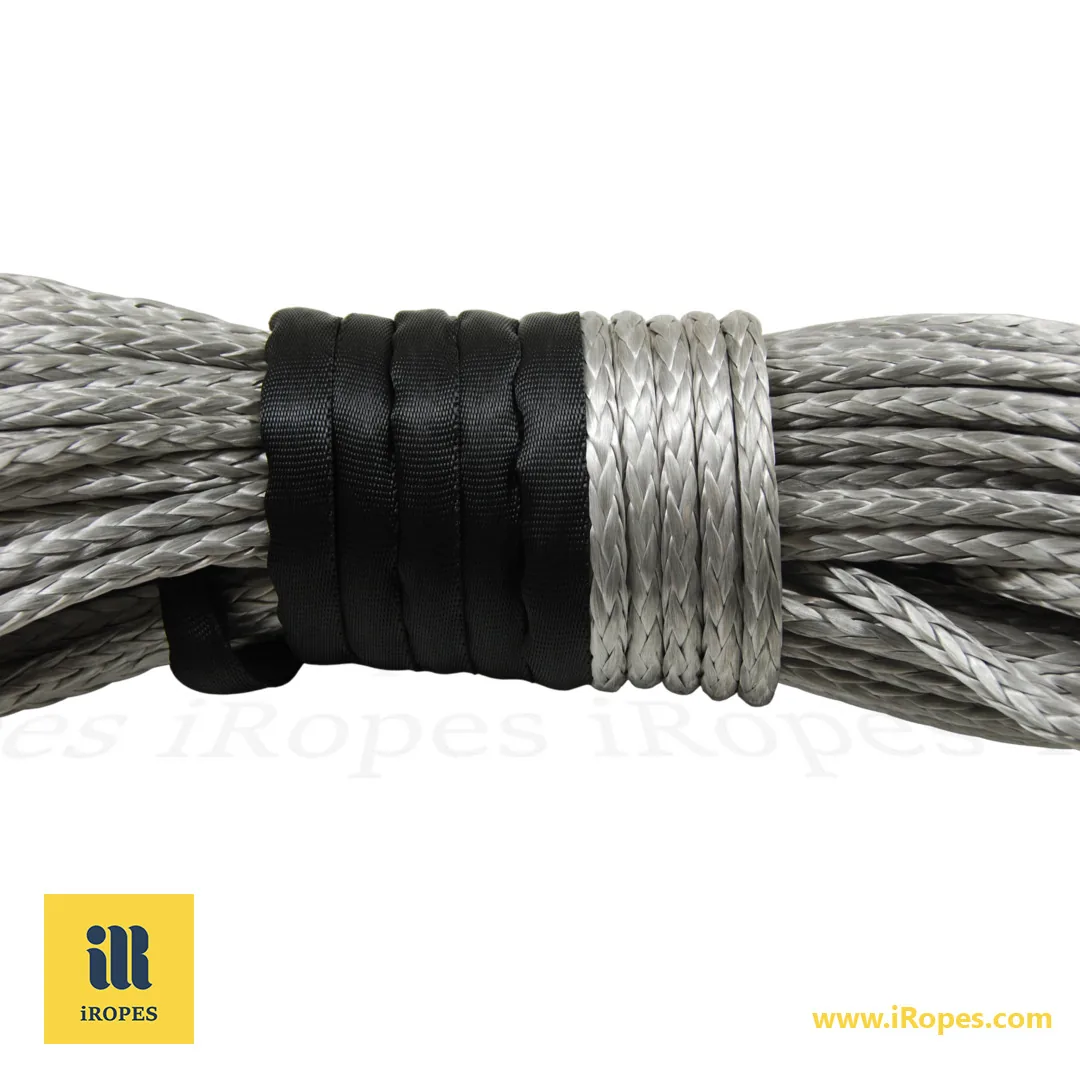
Boost your sailboat's speed by 15% to 20% with low-stretch Dyneema lines! These decrease halyard elongation by 90%, while enhancing safety with ISO 9001-certified durability that withholds five times your maximum load without failure. iRopes delivers custom solutions tailored for racing or cruising precision.
In eight minutes, unlock sailing line mastery for unbeatable speed and security ⚡
- ✓ Grasp rigging terminology to differentiate halyards from sheets, preventing mismatched setups that cost 30% in performance efficiency.
- ✓ Choose materials like Vectran for 40% better UV resistance, extending line life by two seasons and solving premature fraying woes.
- ✓ Tailor applications for racing versus cruising, acquiring skills to optimise control lines for precise adjustments that shave seconds off race times.
- ✓ Master sizing and splicing techniques via iRopes' OEM expertise, gaining custom IP-protected ropes that boost safety margins by 50%.
Do you reckon your trusty polyester sheets are bombproof for any voyage? What if they're secretly creeping 5% under load, dulling your edge against sharper rivals? Dive into these secrets. You'll uncover how iRopes' bespoke low-stretch innovations—like precision-braided Dyneema—flip that script, accelerating responses while shielding against snaps in squalls. Are you ready to transform vague guesses into tactical triumphs that redefine your on-water command?
Understanding Sailing Rope: Terminology and Importance
Imagine being on the water, the wind picking up, and your sails needing an instant response to keep you on course. The ropes that control everything, from hoisting the mainsail to trimming the jib, are central to that responsiveness. However, differentiating between a 'sailing rope' and a 'sailing line' often confuses even seasoned sailors. In nautical terms, they are essentially the same. Still, "line" is the proper word you'll hear on board a vessel; it refers to any rope put to a specific purpose, such as a halyard or sheet. "Sailing rope," conversely, is the more general, landlubber-friendly term for the cordage used in sailing. Think of it this way: all lines are ropes, but not all ropes become lines until rigged for the job. This distinction matters because it highlights how versatile and purpose-driven these essentials are in sailboat operations.
Now, let's break down the critical components of a sailboat's rigging system. These are not merely strings pulling sails; they are the backbone of your boat's movement and safety. Running rigging includes the movable lines that adjust the sails. These are halyards that hoist them up the mast, sheets that control their angle to the wind, and control lines like the vang or cunningham that fine-tune sail shape for optimal power. Standing rigging, by contrast, is the fixed setup that supports the mast and boom—think shrouds and stays made from wire or synthetic alternatives to keep everything upright under load. Each plays a critical role: running rigging demands flexibility and low stretch to handle dynamic forces, while standing rigging prioritises unyielding strength to withstand constant tension.
- Running Rigging - Handles active sail adjustments, ensuring quick responses to wind shifts for better speed and control.
- Standing Rigging - Provides structural support, preventing mast failure in rough seas and maintaining boat integrity.
- Control Lines - Allows precise tweaks to sail trim, reducing drag and boosting efficiency without constant crew effort.
Why do this terminology and setup matter so much? High-quality sailing rope isn't a luxury; it's vital for safety, performance, and durability on the water. Poor lines can stretch under load, leading to sluggish handling or even catastrophic failure during a squall. Imagine the frustration of a halyard that elongates just when you need to drop the sail fast; or worse, a sheet that frays and snaps, putting your crew at risk. Durable ropes resist UV degradation, abrasion from blocks and cleats, and repeated stress, lasting seasons longer and keeping operations smooth. At iRopes, our ISO 9001 certification guarantees every metre meets rigorous standards. This ensures wholesale partners can trust they're supplying lines that perform reliably in any condition. Have you ever inspected your rigging after a long voyage and found hidden wear? That's where quality shines, preventing small issues from becoming big problems.

Once you grasp these basics, you'll understand how the materials woven into these lines directly influence their efficiency and trustworthiness. This sets the stage for choices that match your sailing demands.
Key Materials and Constructions for Sailing Lines
With the basics of terminology and rigging understood, the real magic appears when you examine what sailing lines are made of and how they are constructed. The materials and construction you choose can determine your boat's handling—think of them as the engine behind smooth tacks and reliable holds in a blow. So, what kind of rope is used for sailboats? It comes down to a few standout options, each tailored to handle the stresses of the sea without failing when it counts.
Start with Dyneema. This high-modulus polyethylene is a game-changer for low-stretch needs. It's incredibly light yet strong, making it perfect for halyards where even a tiny bit of slack could compromise your sail trim. I've seen crews shave seconds off race times simply by switching to Dyneema, as it's that responsive. Then there's Polyester, the workhorse for sheets that endure constant hauling and winching. It offers robust durability and a grip that's comfortable during long watches, holding up to daily use without being expensive. For high-strength areas like control lines under heavy load, Vectran steps in with its minimal creep and heat tolerance, ensuring your adjustments remain precise even after hours in the sun.
Materials
Core Choices for Performance
Dyneema
Ultra-low stretch and high strength-to-weight ideal for halyards in racing.
Polyester
Durable with good UV resistance, suited for sheets on cruising boats.
Vectran
Low creep and heat-resistant for demanding control lines.
Constructions
Builds for Handling and Strength
Double Braid
Balanced core and cover for easy grip and durability in sheets.
Single Braid
Smooth and strong for high-performance halyards with minimal friction.
3-Strand
Simple, affordable twist for basic utility and easy splicing.
However, it's not just about choosing a material; how it's constructed affects everything from feel to longevity. Double braid wraps a strong core in a protective cover, giving you a reassuring hold without bulk. In contrast, single braid strips it down for speed through blocks. The 3-strand option keeps things straightforward and budget-friendly, though it might stretch more under pressure. When comparing properties, UV resistance shines in Polyester, warding off sun damage over seasons. Abrasion resistance protects Dyneema from chafe at high-traffic points. That strength-to-weight advantage in Vectran allows you to run lighter lines without sacrificing safety. At iRopes, our specialists guide wholesale customers through these choices, blending materials and builds into custom solutions that fit your exact setup. Have you ever wondered why one line feels slick and another grippy? It's all in these deliberate designs.

These foundations enable you to match the right combinations to your boat's specific roles, whether you're chasing podium finishes or planning a coastal voyage.
Application-Specific Choices for Sailboat Lines
Now that you understand the materials and builds that go into these lines, it's time to see how they perform in real-world scenarios on your boat. Choosing the right ones isn't merely about specifications; it's about matching them to what your sails and crew are actually doing out there. Think of it like outfitting a toolbox: a hammer works for nails, but you wouldn't use it to tighten a bolt. The same applies to sailboat lines, where each type has a job that demands specific characteristics to ensure smooth and safe operations.
So, what are the different types of sailing lines? They are categorised by function, starting with halyards that hoist your sails up the mast. These require low-stretch options to keep the sail positioned precisely where you want it, preventing the annoying creep that disrupts your trim. Sheets, on the other hand, control the angle of the sails to catch the wind just right. They demand a high-strength grip so you can haul in or ease out under load without slippage, even in a gusty tack. Then there are control lines, such as the vang or outhaul, which make fine adjustments to sail shape for improved power or reduced drag. Precision is crucial here, so these lines run smoothly through blocks and reliably maintain tension. Each of these—halyards for lifting, sheets for steering the sails, and control lines for tweaking—works together in the running rigging to allow you to respond to the wind's changes.
Racing
Lightweight Dyneema halyards reduce weight aloft for quicker acceleration.
Performance Sheets
Single-braid Vectran for minimal stretch and fast handling in short races.
Cruising
Robust Polyester sheets withstand years of coastal hops without fraying.
Durable Controls
Double-braid options for easy grip during long passages, prioritising longevity.
If you're racing, opt for light and responsive lines. Dyneema excels for those split-second gains, allowing you to trim sails with hair-trigger accuracy on a dinghy or sleek keelboat. Cruisers, however, lean towards Polyester's toughness; it withstands abrasion from repeated use and holds up in variable weather without needing constant replacement. Standing rigging, the fixed stays that brace your mast, often uses wire for rigid support. Still, synthetics like Dyneema can substitute for lighter setups on smaller boats, reducing overall weight. For dinghies, prioritise quick-release and low friction to set sails fast; keelboats benefit from beefier diameters that handle steady loads. I've swapped lines on a friend's old keelboat before a trip, and the difference in how the boat felt under sail was immediate—less struggle with gear, more enjoyment of the breeze. What kind of sailing attracts you most? For deeper insights into essential marine ropes for yachts and sailboats, explore specialized options that enhance performance across various conditions.

Having these applications correctly set ensures your rigging performs without surprises. However, fine-tuning the size and upkeep takes it to the next level for lasting reliability.
Sizing, Splicing, and Customisation for Sailboat Lines
Once you've nailed down the right applications for your halyards, sheets, or control lines, the next step is getting the details spot on. This starts with how to choose the right sailing rope by sizing it properly for your boat. It’s like fitting shoes for a long hike; too loose or tight, and you’ll pay for it later. The key is matching diameter and length to your vessel's size and the loads it’ll face, ensuring everything runs efficiently without excess weight or risk of overload. For instance, smaller dinghies under 30 feet might thrive with 8-10mm lines. Larger keelboats, however, push toward 12-14mm to handle heavier sails and wind pressures. Diameter directly correlates to working load limits. Thicker ropes distribute force better, but they add drag through blocks. A simple rule: select based on your existing hardware, like cleats that grip 10mm perfectly, and always check the manufacturer's breaking strength ratings. These should exceed your maximum expected load by at least five times for safety margins.
Length calculation keeps things practical and waste-free. For halyards, a common formula is twice the mast height plus the distance from the mast base to your clutch or winch, adding a bit extra for knots or splicing. So, for a 40-foot mast, that's about 90-100 feet total. Sheets follow suit: for the jib, measure twice the distance from clew to turning block, plus reach to the cockpit, often landing around 1.5 times the boat’s waterline length. These aren't rigid rules but starting points; tweak them for your setup, like adding extra for spinnaker sheets on windy days. Getting this right prevents frustrating shortages mid-manoeuvre and optimises weight aloft, where every pound contributes to speed. Have you ever had to improvise with a too-short line during a race? It teaches you quickly.
- Splicing Basics - Use a fid tool to weave the core and cover together for a seamless loop or eye, retaining nearly full strength, unlike knots that weaken by 20-30%.
- Handling Tips - Coil lines loosely to avoid kinks, and run them wet with fresh water after salt exposure to preserve fibres.
- Care Practices - Inspect monthly for frays or stiffness, clean with mild soap quarterly, and store out of sunlight to dodge UV breakdown.
Splicing isn't just a fix; it's how you tailor ends for thimbles or soft shackles, making rigging smoother. I recall helping a friend splice a new halyard on his cruiser; the clean eye splice slid through the mast sheave like butter, without binding. Pair that with regular care: rinse off salt and grit, check for abrasion at chafe points, and retire lines showing core exposure. These habits can double a rope's life, from two seasons to four, saving you time and money on replacements. To master techniques like these, consider resources on double braid yacht rope for superior sailing, which builds on splicing for enhanced durability and performance.
That's where iRopes comes in with our OEM and ODM services, transforming these essentials into bespoke sailboat lines that perfectly fit your brand and needs. We craft custom diameters down to the millimetre, vibrant colours for quick identification on deck, and add-ons like reflective tracers or pre-spliced ends. Plus, our IP protection keeps your designs secure throughout production and packaging—whether neutral bags or logo-stamped boxes. This level of personalisation boosts handling and visibility, directly enhancing safety in low light or crowded regattas, all backed by our precision facilities. For top sailing rope options, dive into the top 3 sailing ropes for sale to elevate your yachting experience, offering customized solutions for racing and cruising alike.
Custom Edge
Tailored lines from iRopes mean exact specifications for your fleet, enhancing grip and reducing wear for longer, safer voyages.

Armed with these adjustments, your rigging becomes an extension of your sailing style, ready to deliver consistent results season after season.
Mastering the nuances of sailing rope and sailing lines transforms your sailboat's performance. This ranges from low-stretch Dyneema halyards that keep sails taut for racing speed, to robust Polyester sheets built for cruising endurance. By understanding sailboat lines for running and standing rigging, control lines, and custom sizing—complete with splicing techniques and maintenance tips—you ensure safety and efficiency in any condition. iRopes' ISO-certified expertise in materials like Vectran and tailored OEM solutions empowers wholesale partners to optimise every line for their fleet, turning knowledge into seamless voyages.
As you've discovered, selecting the perfect lines can elevate your sailing experience. For personalised guidance on custom diameters, colours, or IP-protected designs suited to your racing or cruising needs, reach out directly.
Ready to Customise Your Sailing Lines? Get Expert Advice
If you're keen on tailored recommendations to match your boat's specifics, the inquiry form above connects you with iRopes specialists for bespoke solutions that boost speed and safety on the water.