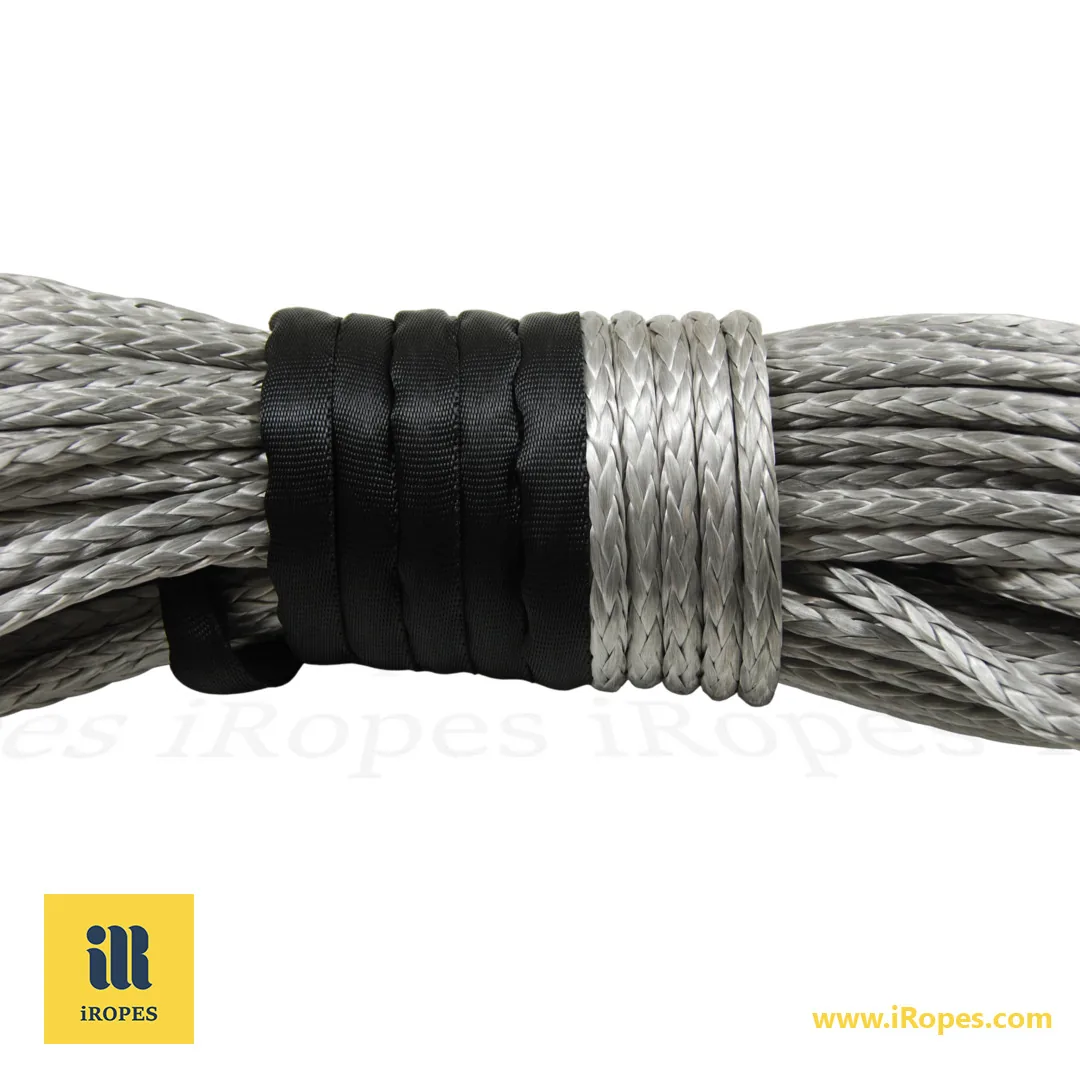
Use a 5/16″ UHMWPE rope (15 000 lb breaking strength) for a 12 000 lb hand winch – that’s a 25 % safety margin and 30 % lighter line than steel.
Read in 8 min – What you’ll unlock
- ✓ Cut winch effort by up to 30 % with UHMWPE’s 7‑15× strength‑to‑weight advantage.
- ✓ Lower snap‑back injury risk 40 % because the rope floats instead of kinking.
- ✓ Boost rope lifespan 45 % thanks to UV‑stable melange polyester.
- ✓ Save $0.12 per metre with iRopes’ OEM pricing while staying ISO 9001 certified.
Most boat owners swear by steel cable, believing its raw strength offers the only safe choice for a hand winch. What they don’t realise is that a properly sized UHMWPE rope not only matches that strength, it also slashes winch effort, floats to prevent deadly recoil, and outlasts steel by years. Continue reading to discover the exact numbers, the hidden trade‑offs, and how iRopes can custom‑engineer a line that transforms your marine operations.
Understanding the hand winch and its role in marine applications
With winching safety in mind, let’s explore the hand winch itself. This simple yet indispensable device converts crank turns into powerful pulling force on a boat trailer or at the dock.

What makes a hand winch tick?
- Drum – This steel cylinder holds the line. Its diameter dictates how many turns are required for a given pull.
- Gear train – Usually a set of planetary gears, this multiplies the crank’s effort. It delivers the high pulling capacity needed for marine tasks.
- Handle – This manually operated lever typically features an ergonomic design to reduce fatigue during repeated winching.
These three components collaborate, converting modest manual torque into the hundreds of pounds of force needed to pull a trailer up an incline or secure a vessel to a cleat.
Typical marine scenarios for a hand winch
In marine environments, a hand winch is found wherever a low‑tech, dependable pulling solution is required. Common applications include:
- Retrieving a boat onto its trailer from a steep launch ramp.
- Adjusting a mooring line while the vessel is docked.
- Lifting lightweight gear, such as a small outboard motor, onto a trailer using a looped hook.
Since the winch is manually powered, it operates without reliance on batteries or external electricity. This offers a significant advantage when docked at a remote pier.
What size winch rope fits a 12 000 lb hand winch?
Choosing the correct line is vital for safety, not a matter for guesswork. For a winch rated at 12 000 lb, a synthetic marine rope winch with a breaking strength of at least 15 000 lb provides a comfortable safety margin. In practice, a 5/16‑inch (0.78 cm) UHMWPE rope meets this requirement. Many professionals, however, opt for a 3/8‑inch (1 cm) rope for enhanced durability and reduced wear on the drum.
The rope’s diameter also affects the number of wraps needed on the drum. A slightly larger rope reduces the number of turns, making each cranking motion more effective.
“A hand winch paired with the right synthetic line not only lifts heavier loads but also eliminates the rust‑related headaches that steel cable brings to salty environments.”
When you choose a marine rope winch over traditional steel cable, you also benefit from buoyancy. The rope floats if it parts from the drum, preventing a sudden snap-back that could injure bystanders.
Whether outfitting a new trailer or upgrading an older system, the combination of a robust hand winch and a correctly sized marine winch rope ensures smooth, quiet, and rust‑free operations.
Choosing the right marine rope winch: material and performance factors
Now that you grasp how a hand winch operates, the next crucial decision involves the line you feed into it. Selecting the proper marine winch rope will determine whether your winching tasks feel effortless or become a strenuous tug‑of‑war.

iRopes offers two synthetic families that dominate the marine market for their properties as a superior marine rope winch: a pure 12‑strand UHMWPE line and a 12‑strand UHMWPE melange polyester blend. Both are engineered for the harsh, salt‑sprayed conditions of a boatyard, yet each offers a slightly different feel and advantage. For a deeper dive into these families, see our guide on exploring marine rope braided polyester and spectra line.
Key performance metrics you should compare
- Strength‑to‑weight ratio – UHMWPE can be up to 15 times stronger than steel of the same diameter. This means a thinner rope can still exceed the winch’s rated load.
- UV and abrasion resistance – The polyester melange blend adds a protective skin. This slows UV degradation, extending service life on exposed decks.
- Buoyancy and handling – Synthetic rope floats, which significantly reduces snap‑back risk. It also spools smoothly, avoiding the kinks that often plague steel cable.
Addressing a common question, “Is synthetic winch rope as strong as cable?” — the data above confirms that a high‑quality UHMWPE rope not only matches but frequently surpasses the tensile strength of an equivalent‑diameter steel cable, all while weighing a mere fraction. For a broader comparison, read our article on synthetic vs steel wire: benefits and best uses.
Why material choice matters for safety and efficiency
When you choose a rope that floats, a sudden break won’t send a heavy coil whipping dangerously across the deck; the line simply drifts to the surface. This single feature can prevent serious injuries during an emergency winch recovery. Furthermore, the low‑stretch nature of UHMWPE ensures the winch’s effort translates directly into pull, providing predictable control.
Conversely, a traditional marine winch cable can develop rust pits, which silently reduce its breaking strength over time. Even a well‑galvanised cable adds several kilograms of dead weight, which you must overcome with each crank turn.
Custom
iRopes can tailor diameter, colour, reflective strips, and termination hardware to match your brand or operational needs. Every spool is manufactured under ISO 9001‑certified quality control, ensuring the breaking strength you specify arrives on time and ready to install.
When comparing performance figures, synthetic options provide a lighter, safer, and longer‑lasting solution for any marine rope winch application. The next step involves matching those specifications to the exact load you expect to move, a topic we'll cover next when evaluating rope specifications.
Evaluating marine winch rope specifications for optimal safety
Having explored the material options for a marine rope winch, the next step involves translating those qualities into concrete specifications. This ensures your hand winch operates within safe limits. Every line that spools onto the drum comes with a data sheet detailing breaking strength, working‑load limit (WLL), diameter, length, and corrosion resistance. Each of these figures plays a distinct role in preventing premature failure.

When matching a rope to a winch, always start with the breaking strength—the maximum load the fibre can withstand before snapping. From there, calculate a safe working‑load limit (WLL), which is typically 1/5 to 1/4 of the breaking value. This provides a comfortable safety margin.
- Breaking strength – This is the ultimate tensile capacity, expressed in pounds or kilonewtons. Choose a rope with a rating that exceeds the winch’s maximum pull by at least 25 %.
- Working load limit (WLL) – This represents the safe continuous load, derived from the breaking strength. It must align with the winch’s rated capacity.
- Corrosion resistance – Essential for saltwater exposure, UHMWPE and melange polyester fibres are inherently non‑corrosive. Any metal hardware should be stainless steel or zinc‑plated.
Diameter and length are more than just physical dimensions; they dictate how many turns the rope will make around the drum and how easily it spools. A larger diameter reduces the number of wraps needed for a given pull, which can make each crank of a hand winch feel more powerful. However, it also consumes more drum space. Length should cover the maximum winching distance plus a safety reserve. A common rule of thumb is to add 10 % extra length to accommodate slack and handling.
Never operate a winch with a rope whose breaking strength is less than the winch’s rated load; doing so compromises safety and can cause sudden line failure.
People often ask: "What kind of rope should I use for a boat winch?" The most reliable answer points to a double‑braided 12‑strand UHMWPE rope or a UHMWPE‑melange polyester blend. These fibres combine high breaking strength (often 12 000 lb + for a 5/16‑inch line) with low stretch, buoyancy, and excellent UV resistance. All these properties are crucial for marine environments where lines are exposed to sun, salt, and constant motion.
Choosing the correct diameter, confirming the WLL, and verifying corrosion‑resistant construction ensures the line will outlast the winch itself. This reduces maintenance cycles and protects crew members from the hazards of a snapped rope. With these specifications firmly understood, you can now compare how a traditional marine winch cable measures up, a topic we’ll explore next.
Advantages of marine winch cable and when to select steel options
Now that we’ve examined the lightweight benefits of synthetic rope, it’s time to look at the rugged alternative – a galvanised steel marine winch cable. Steel cable has served as the workhorse for boat trailer winches for decades, and its predictable performance still makes it a sensible choice for many operators.

Two practical reasons keep steel on the shortlist:
Strength
Galvanised steel delivers a breaking strength that easily exceeds most synthetic lines of equivalent diameter. This makes it ideal for heavy‑duty applications where raw strength is paramount.
Cost
Steel cable is generally less expensive per metre. This makes it an attractive option for high‑volume, budget‑sensitive projects where initial cost is a primary concern.
Attach
To attach, thread the cable end through the winch’s eyelet, then loop it around the drum at least three times before tightening the clamp securely.
Inspect
Before each use, check for rust spots, frayed strands, or broken wires. Replace any compromised sections immediately to ensure safety.
Addressing a common query – “How to attach cable to a hand winch?” – the process is straightforward if you follow three safety steps. First, ensure the winch is disengaged and the drum is stationary. Second, feed the cable end through the winch’s eyelet, then make three tight wraps around the drum in the direction of operation. Third, secure the end with the supplied clamp and give it a firm pull to confirm there is no slip.
Maintenance for steel is less about performance and more about preservation. Rinse the cable with fresh water after every saltwater outing, then dry it thoroughly to prevent lingering moisture. Apply a light coat of anti‑rust spray to the outer strands every few weeks, especially if the cable remains exposed on a deck. Over time, inspect the wire for any signs of corrosion pitting; a compromised strand reduces overall breaking strength and should be replaced before the next haul.
If the durability of steel meets your budget but you still want custom‑fit options—such as specific diameters, colour‑coded markings, or specialised terminations—iRopes' OEM/ODM service can tailor a marine winch cable. This ensures it aligns perfectly with your hand winch setup and operational demands. For a side‑by‑side comparison of synthetic and steel solutions, see our article on synthetic vs steel wire: benefits and best uses.
Ready for a Tailored Winch Solution?
You now understand how a reliable hand winch depends on the right line. You also know why iRopes’ 12‑strand UHMWPE and UHMWPE‑melange polyester families excel as both marine rope winch material and high‑performance alternative to traditional marine winch cable. By matching breaking strength, buoyancy, and corrosion resistance to your load, you can boost safety, reduce maintenance, and enjoy smoother operation on any vessel.
If you’d like a customised specification, colour‑coded spools, or branded packaging, simply complete the form above – our specialists will work with you to design the perfect marine winch rope solution for your application. For more details on our marine rope offerings, explore exploring marine rope braided polyester and spectra line.