iRopes’ hollow‑core braided rope is up to 40 % lighter and often lower cost per metre than solid‑core alternatives, backed by ISO 9001 quality and 15 years of R&D.
What you’ll gain – ~7 min read
- ✓ Up to 40 % lighter than solid‑core rope, cutting handling effort on deck.
- ✓ Often lower cost per metre while retaining ISO 9001‑certified quality.
- ✓ Natural floatation with polypropylene fibres even when saturated – no extra buoyancy additives.
- ✓ Fully custom OEM/ODM with IP protection; lead time 4‑6 weeks, MOQ 500 ft.
Most engineers still reach for solid‑core lines, assuming weight equals durability, yet hollow‑core braided rope delivers up to 40 % less mass while meeting typical working‑load needs for many applications. That weight saving reduces handling time and fatigue on deck. In the sections ahead, we’ll outline a three‑step approach to select the right diameter, colour and splice option to maximise performance and control cost.
hollow core rope
What is a hollow core rope? It is a synthetic braid built around an empty cylindrical core, which gives the rope buoyancy, reduces its overall weight, and makes splicing considerably easier.
- Floatation – with low‑density fibres such as polypropylene, the void helps the rope stay buoyant even when wet.
- Weight reduction – up to 40 % lighter than solid‑core equivalents.
- Easy splice – the hollow centre simplifies eye‑splice and loop‑splice work.
Understanding the load‑bearing capacity helps you choose the right size. Manufacturers typically apply a safety factor of five, meaning the working load limit (WLL) is roughly one‑fifth of the breaking strength.
- 3/16 in ≈ 150 lb WLL
- 1/4 in ≈ 215 lb WLL
- 3/8 in ≈ 450 lb WLL
These size‑to‑strength ratios make the rope popular in marine dock‑line applications, where a light, floating line reduces handling effort and prevents sinking if the line parts. Arborists also favour it for slings, because the reduced mass eases hoisting and the splice‑friendly core speeds on‑site repairs.
When selecting a rope, start by estimating the maximum load, then pick a diameter whose WLL exceeds that load by at least the recommended safety factor. Consider colour for visibility and any exposure to sunlight; a UV‑stabilised coating can extend service life to five to seven years outdoors.

With a clear picture of definition, benefits, and load limits, the next step is to explore how the hollow‑core braid is constructed, a topic that reveals why the design delivers such impressive performance.
hollow core braided rope
Having clarified what a hollow core rope is and why its buoyancy matters, the next step is to look inside the braid itself. The construction of a hollow‑core braid is the reason the line feels featherlight yet retains the strength you need for demanding marine or arborist tasks.
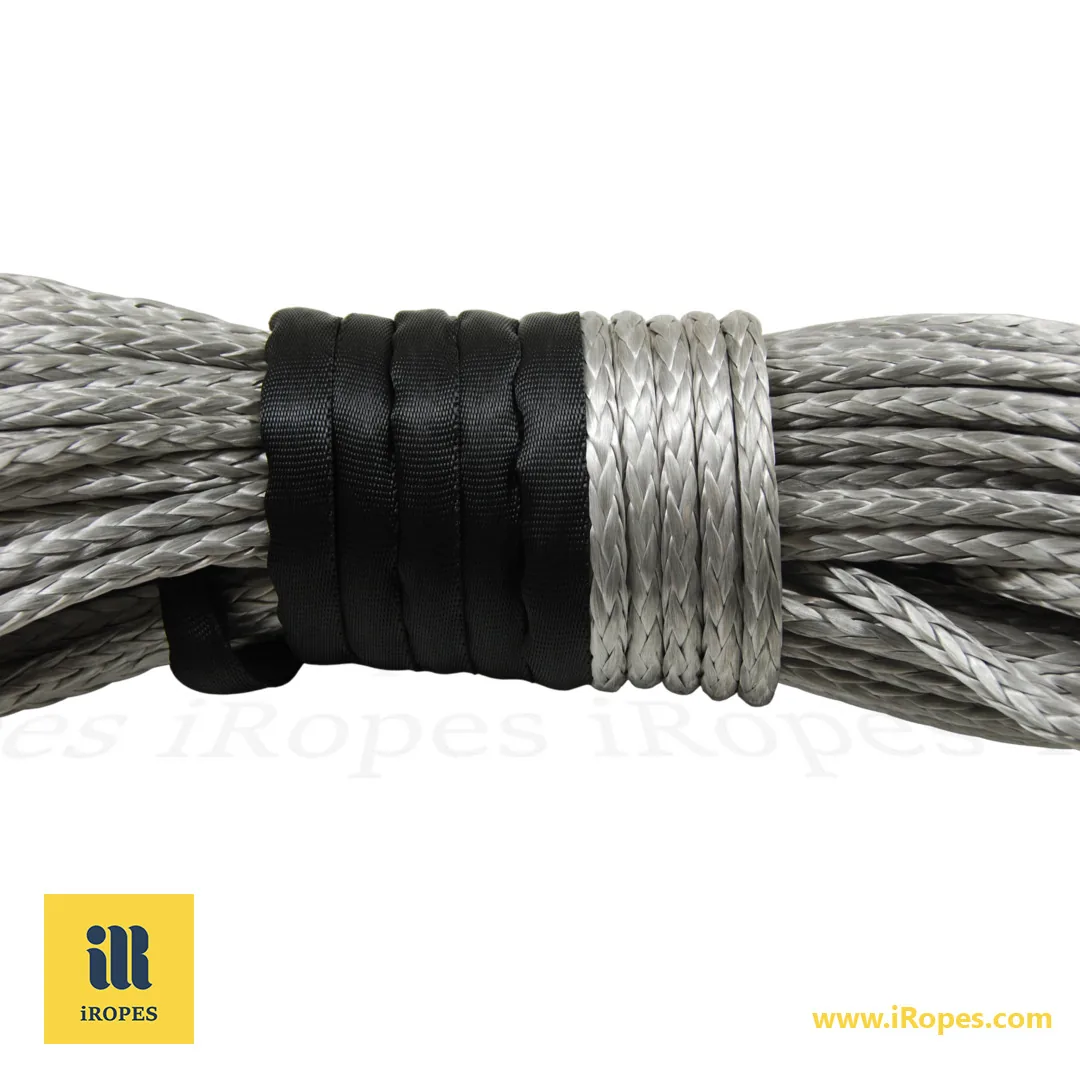
Unlike a solid braid where every strand is packed tightly around a filled core, a hollow‑core braid wraps twelve individual strands around an empty cylindrical void. This “diamond‑braid” geometry creates a lattice‑like pattern that distributes load evenly while leaving a central tunnel for air. The result is a rope that can float, weigh less, and cost less than a comparable solid‑core alternative.
Below is a concise side‑by‑side comparison that answers the common question, “How does a hollow‑core braid differ from a solid braid?”
| Attribute | Hollow‑core braided rope | Solid braid |
|---|---|---|
| Weight | ≈ 60 % of solid‑core weight | 100 % |
| Floatation | Floats with polypropylene; may sink with denser fibres | Sinks |
| Cost per metre | Lower material usage → cheaper | Higher material usage → pricier |
The diamond‑braid pattern can be visualised as a series of interlocking V‑shaped loops that run diagonally across the rope’s surface. Each loop forms part of a 12‑strand network that hugs the void, providing a balance of flexibility and tensile strength. Because the core is empty, the rope supports quick eye splicing with a fid, often without additional hardware.

Understanding these construction nuances makes it easier to decide when a hollow‑core braided rope is the right choice for your project.
Weight
Up to 40 % lighter than an equivalent solid braid, reducing handling effort on deck.
Float
With polypropylene fibres, the empty core helps the rope stay buoyant even when fully wet.
Cost
Less material means a lower price per metre while maintaining required strength.
Splice
The hollow centre enables quick eye splice techniques, simplifying install and shortening installation time.
With the construction now clear, we can move on to the material choice that makes hollow‑core ropes float – the low‑cost, water‑resistant polypropylene that powers most marine‑grade lines.
hollow core polypropylene rope
Having seen how the braid is built, the next question is why most manufacturers choose polypropylene for hollow‑core ropes. The polymer’s density is only about 0.91 g/cm³, so a rope made from it naturally floats even after a soak. It also tolerates most chemicals found in marine or industrial environments, and its raw material cost is lower than that of nylon or polyester, making the finished line affordable for bulk buyers.
“Polypropylene’s non‑absorbent nature means a hollow‑core rope stays dry, lightweight and reliable – essentially waterproof without any extra treatment.”
Most marine users also ask, “Is hollow core rope waterproof?” The answer lies in the polymer itself: polypropylene does not soak up water, so the rope remains dry, light and strong even after prolonged exposure to sea spray.
Performance
Why polypropylene excels
Floatation
Low density keeps the line buoyant, eliminating the need for added float‑tape.
Chemical resistance
Unaffected by saltwater, oils or most solvents commonly encountered on‑site.
Cost efficiency
Raw polymer price is lower than competing synthetics, keeping per‑metre costs down.
Durability
Long‑term outdoor use
UV‑stabilised coating
Adds a protective skin that slows sunlight‑induced degradation.
Extended lifespan
With UV‑stabilised lines and good care, service life is typically 5–7 years outdoors.
Low stretch
Lower stretch than nylon preserves load accuracy during hoisting or towing.
When you move from material choice to actual sizing, the working‑load limits for each diameter become the deciding factor. The table below lists typical ratings for common polypropylene sizes that are not covered in the earlier load‑limit overview.
| Diameter | Working Load Limit (lb) |
|---|---|
| 5/16 in | ≈ 280 lb |
| 9/16 in | ≈ 1 200 lb |
| 11/16 in | ≈ 1 600 lb |
Choosing the right size is simply a matter of matching your maximum expected load to a rating that exceeds it by the standard safety factor of five. Once you’ve selected the proper diameter, you can explore our customizable rope solutions to tailor colour, core dimensions and branding to fit your exact project requirements.
Custom Solutions and Buying Guide
Having chosen the proper diameter, the next logical move is to map your project requirements onto a purchase plan. By following a simple three‑step workflow you can avoid costly guesswork and end up with a rope that meets load, colour and budget targets.
First, calculate the maximum tensile load your application will ever experience – include a safety factor of five as industry practice recommends. Second, match that load to a hollow core rope diameter and select a colour that maximises visibility in your work environment. Third, compare the per‑metre price against the total length you need; remember that ordering longer spools often reduces the unit cost, especially when you combine colour and custom branding. For guidance on selecting the optimal rope length, see our guide on choosing the best 500 ft or 1000 ft rope.
iRopes OEM/ODM Options
We can produce a hollow core braided rope with bespoke core diameters, custom colour palettes, and your logo printed on the sheath. All designs are protected by full IP safeguards, with MOQ as low as 500 ft and typical lead times of 4‑6 weeks under ISO 9001‑controlled quality.
A recent marine dock‑line project illustrates the impact of a tailored solution. The client needed a highly visible line for a busy harbour, so we supplied a custom‑coloured hollow core polypropylene rope in bright yellow. By consolidating colour, length and core specifications into a single order, the overall material cost dropped by 22 % compared with off‑the‑shelf polyester dock lines.

Ready to order? Request a free quote now or download the detailed spec‑sheet PDF to compare all options.
With a clear buying pathway and iRopes’ custom‑fabrication capabilities, you are equipped to select the ideal hollow core rope for any marine, industrial or safety application, setting the stage for the final takeaways on why our 15‑year legacy makes us the trusted partner.
Ready for a custom rope solution?
From the basic definition of a hollow core rope to the specialised hollow core braided rope construction and the advantages of hollow core polypropylene rope, the guide equips you with everything needed to choose the right line. It highlights floatation, weight reduction and easy splicing, then explains how the diamond‑braid design delivers strength while staying light.
Backed by 15 years of experience making ropes in China, iRopes supplies a portfolio of 2,348 cordages for marine, racing, industrial and safety uses, using UHMWPE, Technora™, Kevlar™, Vectran™, polyamide and polyester with a range of coatings – proof of Made‑in‑China quality. Our OEM/ODM service lets you customise core size, colour, branding and IP protection, so you can get a rope that fits your exact specifications.
If you’d like personalised advice on selecting the perfect rope for your project, simply complete the form above and our specialists will get in touch.