Boost your vessel's lifespan by 40% with 8-strand mooring ropes from iRopes—the non-torque design delivers low 3-7% elongation under load, slashing wear from surges and tides in harsh marine conditions.
Unlock Marine Reliability in an 8-Minute Read
- ✓ Gain superior strength metrics up to 100 tonnes breaking load, tailored for superyachts and tankers—prevent snapping in storms and cut downtime by 30%.
- ✓ Master low-stretch performance (3-7% elongation) that minimises hull damage from constant movement, solving common drift issues in busy ports.
- ✓ Explore polyester's UV and abrasion resistance, outlasting nylon by 2x in saltwater—acquire maintenance tips to extend rope life 5-7 years.
- ✓ Customise diameters from 16-60mm with eye splices and chafe guards via iRopes' OEM services, resolving fit problems for your specific vessel needs.
You might think standard mooring lines are sufficient, but a surprise gale often reveals hidden weaknesses—excessive stretch and quick fraying that silently erode your vessel's hull over time. What if switching to 8 strand polyester ropes could extend your vessel's life by 40% through balanced, non-torque construction? Dive in to uncover the exact specifications, customisation options, and care secrets iRopes uses to transform risky dockings into reliable routines, potentially saving thousands in repairs.
Introduction to 8 Strand Mooring Rope
Imagine securing your vessel against the relentless pull of tides and winds—that’s precisely where an 8 strand mooring rope proves its worth. This isn’t just any ordinary line; it’s a robust, purpose-built solution designed specifically for the demanding world of marine operations. At its core, an 8 strand mooring rope features a square plaited construction. This design weaves eight strands into a balanced, non-torque structure, ensuring even load distribution. Think of it as a meticulously crafted fabric that remains flat and twist-free, regardless of how it's handled. This unique setup prevents the rope from spinning or kinking under pressure, making it the preferred choice for keeping commercial vessels steady at docks or anchors.
Why does this particular construction excel in mooring applications? Let’s break it down simply. The square plaited style—often referred to as an 8-plait—creates a firm, round profile that’s remarkably easy to grip and coil, even after prolonged exposure to saltwater. Unlike simpler 3-strand twisted ropes, which can rotate and wear unevenly, or double-braided options that might feel too bulky for certain setups, the 8-strand version achieves an optimal balance. It’s inherently non-torque, meaning it resists twisting back on itself when tensioned. This significantly reduces stress on cleats and bollards during docking. Have you ever struggled with a rope that twists and tangles every time you try to secure it? This construction eliminates that frustration, allowing for smoother operations for everything from luxury superyachts to critical cargo ships. In fact, among 8-strand types, the square plait is highly valued for its spliceability. You can easily add eyes or fittings without compromising strength, which is essential for custom marine requirements.
- High Strength - Delivers exceptional breaking loads tailored to vessel size, holding firm against heavy surges without snapping.
- Low Stretch - With elongation typically at just 3-7% under load, it keeps your boat in place, minimising movement that could cause hull damage over time.
- Balanced Performance - The even strand layout ensures consistent wear, extending usability in harsh saltwater conditions.
These advantages make 8 strand mooring ropes indispensable for commercial vessels. Consider a tanker enduring stormy weather; the rope's low stretch absorbs shocks without overextending, potentially reducing maintenance calls and boosting overall safety. A harbour master once shared how he relies on these ropes for their unwavering reliability—no more frayed ends after a season of constant use. For businesses in yachting or commercial fishing, this translates to less downtime and more focus on efficient operations.
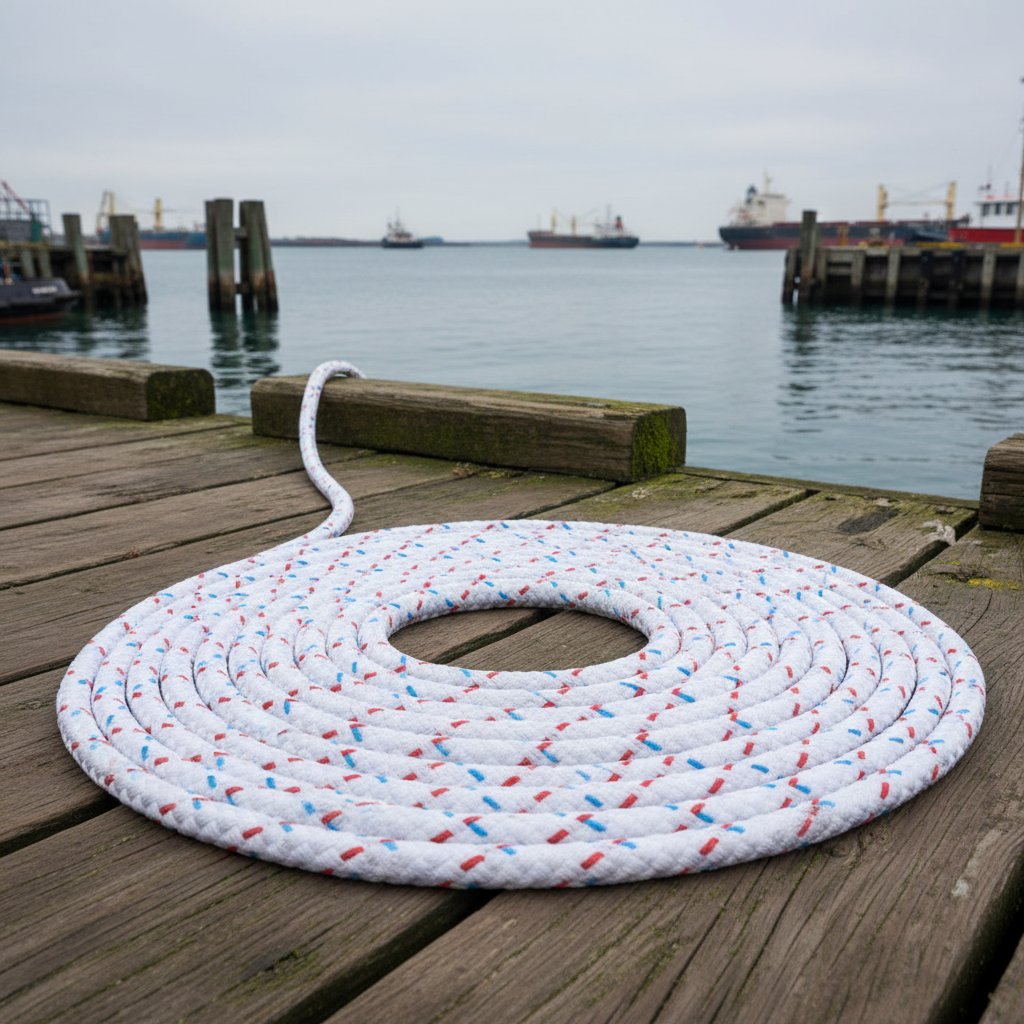
Understanding these fundamentals sets the stage for appreciating how materials like polyester amplify these strengths, resulting in greater real-world durability and an extended lifespan for your vessel.
Advantages of Mooring Rope 8 Strand in Performance
Building on that solid foundation of the 8 strand mooring rope's clever construction, it's time to examine how it truly performs under real pressure—especially when paired with materials like polyester. What makes a mooring rope 8 strand stand out isn't just its build; it’s its ability to endure the brutal forces of the sea while ensuring safe and straightforward handling for your crew. Let's delve into the metrics and discover why this choice can make a significant difference for vessels, from sleek superyachts to massive tankers.
For starters, consider the inherent strength of an 8 strand mooring rope. These lines boast impressive breaking loads that scale precisely with your bespoke needs—ranging up to 100 tonnes for larger diameters suited to tankers. This ensures a secure grip without giving way during sudden gusts or swells. Durability is another shining aspect; in rigorous tests, these ropes withstand abrasion from rocky docks or constant friction against hulls far longer than basic alternatives, potentially lasting seasons without requiring replacement. Moreover, stretch remains tightly controlled, offering just enough give to cushion impacts without allowing your vessel to drift unpredictably. For a superyacht, this means smoother docking in congested marinas; for a tanker, it translates to less wear on fittings over extended voyages. Have you ever experienced a line stretching excessively in a storm? With an 8 strand mooring rope, you can avoid that scenario, keeping operations stable and secure.
Polyester Strengths
Built for Marine Toughness
UV Resistance
Polyester effectively resists sun damage, maintaining its integrity for years, unlike materials that fade and weaken quickly.
Abrasion Edge
Its tough fibres resist scraping from cleats and pilings, outlasting softer options in demanding port environments.
Rot Proof
There are no worries about mildew or decay in wet conditions—polyester remains reliable without requiring special treatments.
Vs. Nylon & Polypropylene
Quick Material Matchup
Nylon Drawbacks
Higher stretch absorbs shocks well but leads to more vessel movement; it also absorbs water, adding weight over time.
Polypropylene Limits
It is lighter and floats, but poor UV protection means it degrades faster in sunlight, necessitating more frequent replacements.
Why Polyester Wins
Polyester balances low stretch with solid strength at a reasonable cost, making it ideal for reliable, long-term mooring without unexpected issues.
The non-torque characteristic elevates handling to another level entirely. Because the strands in a mooring rope 8 strand balance each other out, your team won’t have to struggle with twists that snag on winches or create unsafe loops during deployment. I recall helping a skipper untangle a severely kinked line in rough weather once—it was a frustrating mess that cost valuable hours. With this design, coiling is straightforward, and retrieval is rapid, significantly reducing crew fatigue and the potential for errors in high-stakes operations.
These performance traits are more than just theoretical; they manifest in everyday marine work, paving the way for broader applications across various sectors and ensuring your vessel's lifespan is maximised.
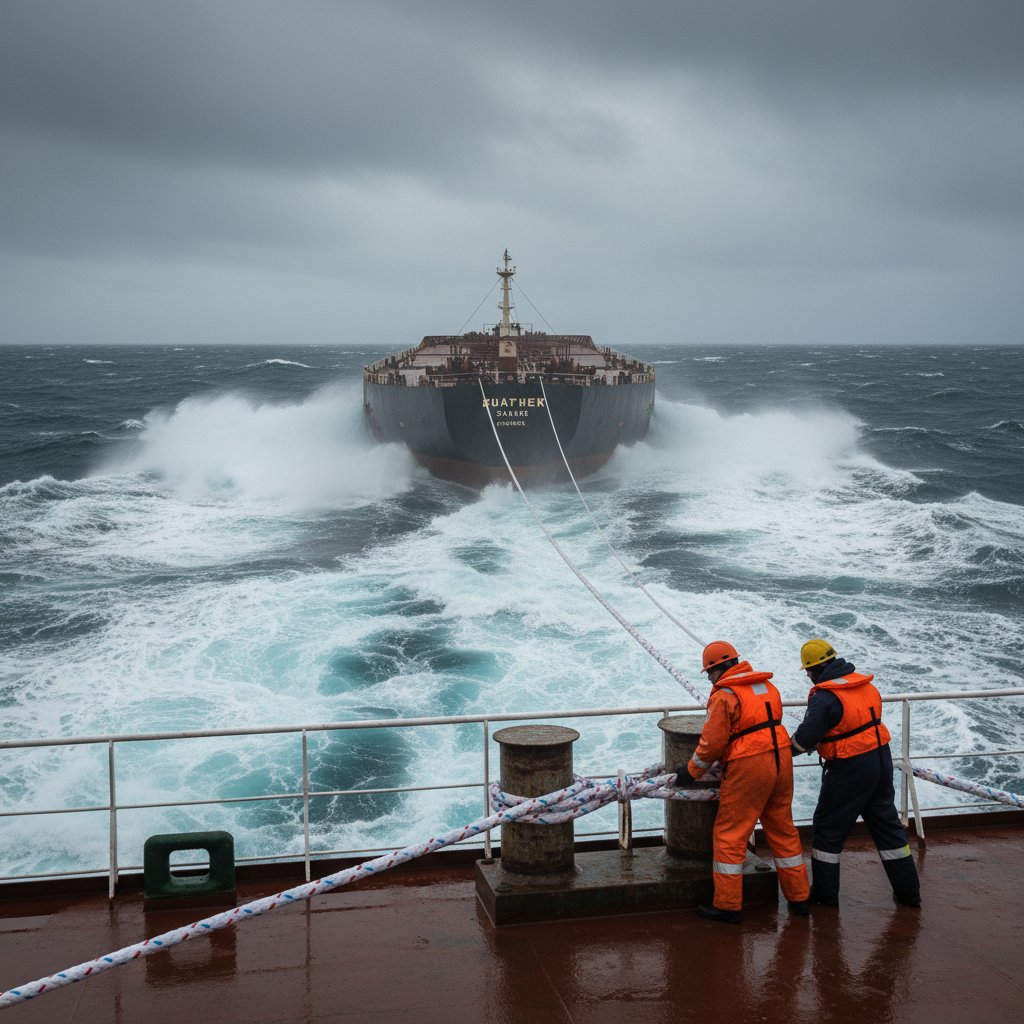
Exploring 8 Strand Polyester Rope for Marine Durability
The performance advantages we just discussed truly come to life when focusing on polyester as the material of choice for an 8 strand polyester rope. It's akin to selecting the perfect tool for a demanding job—polyester rises to the occasion with qualities that make it exceptionally well-suited for the sea's unforgiving environment. High tenacity means the fibres are incredibly tough, offering more strength per unit of weight than many alternatives, ensuring your lines remain strong without unnecessary bulk. Furthermore, its rot and mould resistance is a major benefit; unlike natural fibres that degrade in damp conditions, polyester effectively repels bacteria and moisture, staying serviceable even after prolonged submersion. With a specific gravity of 1.38, it sinks steadily in water, avoiding the unpredictable buoyancy that can complicate anchoring setups—no more lines floating to the surface and tangling everything.
What makes operators consistently choose 8 strand polyester rope for mooring? The true value is evident in how it significantly reduces wear, potentially extending your vessel’s overall lifespan by 40% through superior load handling and less frequent replacements. In mooring applications, this translates to fewer instances of chafing against hulls or pilings, as the material’s inherent toughness prevents rapid degradation. For anchoring, its sinking property ensures the line remains firmly positioned on the seabed, providing a reliable hold without buoyancy causing it to drift. Have you ever retrieved an anchor only to find the rode excessively twisted due to flotation issues? Polyester eliminates that frustration, simplifying operations for your crew.
Mooring Duties
Secures large vessels like tankers with diameters from 24mm for medium loads up to 60mm for heavy surges, ensuring minimal drift in ports.
Commercial Fishing
Used in trawl nets and purse seines, 16-32mm sizes withstand constant reeling and saltwater exposure for seasonal reliability.
Yachting Ventures
For superyachts, 20-40mm ropes handle docking with low elongation, tailored for smooth handling in marinas worldwide.
Defense Operations
Custom 28-50mm variants meet rigorous specifications for naval anchoring, offering consistent performance in tactical scenarios.
Beyond these core uses, this rope integrates seamlessly into iRopes' product range for yachting and defence, where specifications are precisely adjusted to vessel scale—from compact 12mm for smaller yachts to robust 44mm for military craft. A colleague in commercial fishing switched to these ropes after experiencing gear loss with weaker lines; the immediate improvement was remarkable, with hauls consistently coming up intact season after season. In anchoring, the controlled sink rate ensures a better bite into the seabed, significantly reducing the risk of dragging in strong currents. Ultimately, these characteristics make 8 strand polyester rope an intelligent choice for anyone serious about marine reliability, perfectly setting the stage for tailoring solutions to exact operational demands.
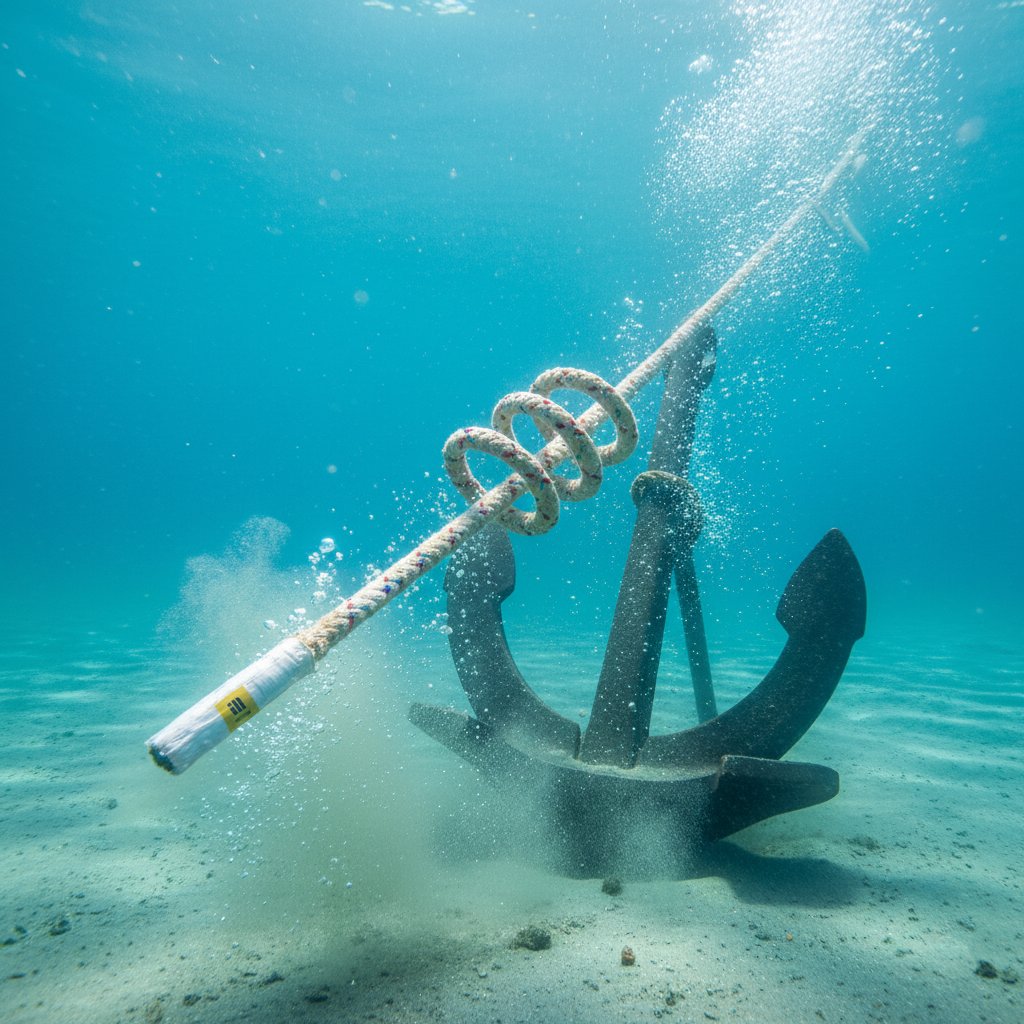
Customisation and Maintenance for 8 Strand Mooring Solutions
That precise focus on tailoring 8 strand polyester rope to fit your exact operational demands brings us directly to the core of what makes these solutions truly effective—customisation through iRopes' OEM and ODM services, coupled with intelligent maintenance practices. When dealing with commercial vessels, a one-size-fits-all approach rarely suffices, so getting the details right from the outset can prevent significant issues later. Let's explore how you can personalise these lines and ensure they perform optimally at all times.
At iRopes, we simplify the process of adapting an 8 strand mooring rope to your specific setup. We begin with fundamental aspects like diameter—ranging from 16mm for lighter yacht duties to a robust 60mm for heavy tankers—allowing you to choose what precisely matches your load requirements without unnecessary bulk. Lengths can be cut to exact specifications, whether you need 50m for shorter dock lines or hundreds of metres for extended anchoring applications. Colour also plays a crucial role; opt for high-visibility yellow for safety in busy ports or neutral tones to align with your brand standards. For those critical finishing touches, eye splices are a game-changer—these are hand-forged loops that retain nearly full rope strength, unlike knots that can weaken the line by up to 50%. Common types include Class I for a tightly tucked, firm eye that passes easily through rings, and Class II for a softer, more flexible loop ideal for winches. Combine this with thimbles—metal inserts that protect the eye from sharp edges on cleats—available in galvanised steel for cost-effectiveness or stainless steel for superior corrosion resistance in saltwater. Have you ever experienced a mooring line failing due to friction? Don't forget chafe guards—these are rubber or leather sleeves that wrap vulnerable spots to prevent rubbing against hulls or pilings. These custom additions can significantly extend your rope's lifespan, and our expert team handles the splicing in-house to guarantee meticulous execution every time.
- Diameter Options - Scale from 16mm to 60mm based on vessel displacement and expected loads for optimal handling.
- Eye Splices and Thimbles - Class I or II splices with metal reinforcements to boost durability at connection points.
- Chafe Guards and Colours - Protective covers plus custom hues for visibility or aesthetics within your fleet.
To keep your mooring rope 8 strand in peak condition, regular upkeep is essential, particularly in commercial operations where downtime can incur substantial costs. Aim for thorough inspections every three months, or immediately following major weather events. Check for fraying, discolouration from UV exposure, or stiffness resulting from chemical contact by running your hand along the entire length and looking for uneven wear. For cleaning, rinse with fresh water after each use to remove salt buildup. Store coiled ropes loosely in a dry, shaded area away from direct sunlight; coiling them too tightly can create creases that weaken fibres over time. If you notice issues such as a sudden stretch beyond normal limits or unusual softness, retire the line immediately—it's always better to be safe than to risk a snap during a storm. For troubleshooting, a minor kink might simply require re-coiling, but persistent abrasion necessitates a replacement. By adhering to these steps, many operators observe their ropes lasting 5-7 years in moderate conditions, significantly outperforming neglected ones.
- Monthly visual check for cuts or UV fading during routine operations.
- Quarterly full load test and clean to detect hidden damage early.
- Annual professional inspection if operating in high-exposure areas like open harbours.
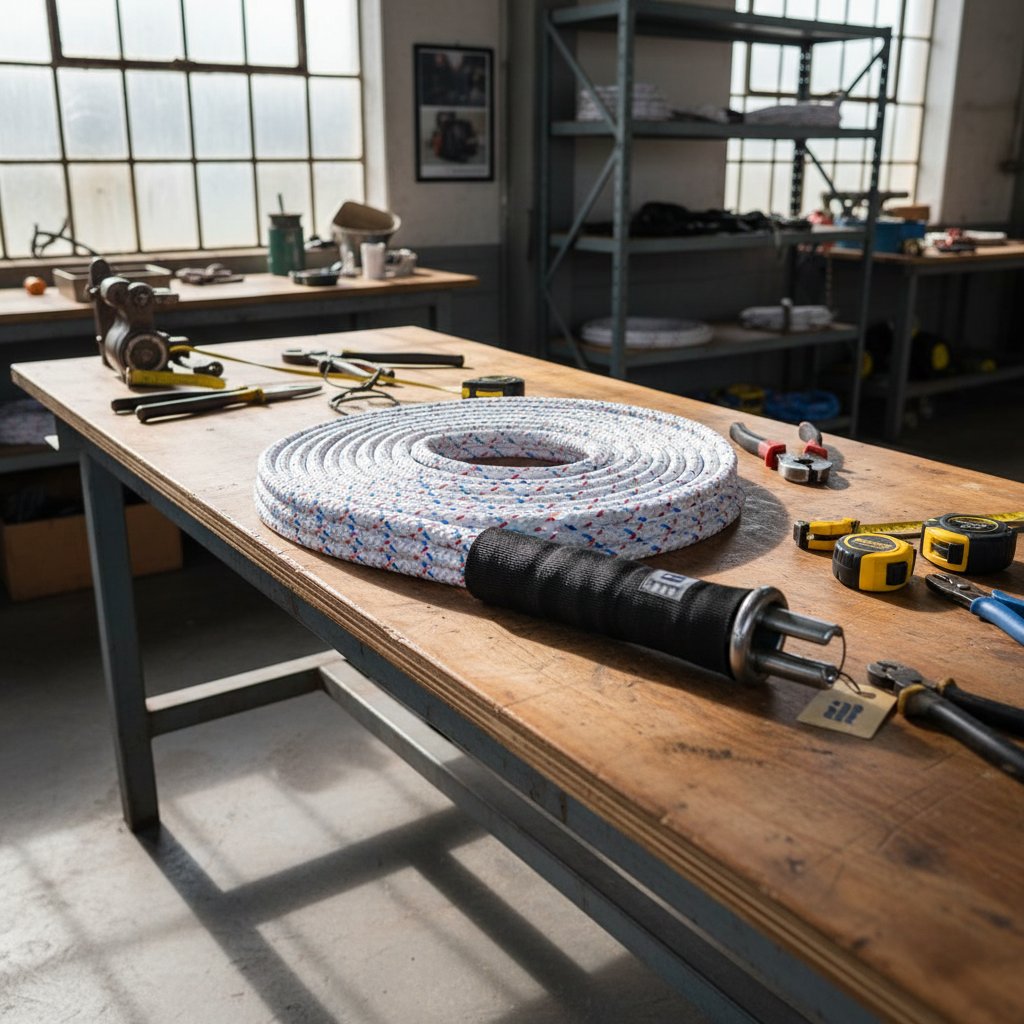
What truly guarantees reliability? iRopes supports every customised 8 strand mooring rope with ISO 9001 certification, ensuring consistent quality from our state-of-the-art facilities. For commercial requirements, we adhere to stringent standards like OCIMF guidelines for oil tanker moorings and ABS approvals for vessel safety, ensuring your solutions comply with inspectors and insurers. This compliance is not merely bureaucratic—it offers genuine peace of mind, knowing your equipment meets the rigorous demands of global operations, ready to support your fleet's long-term success.
Discovering the secrets of an 8 strand mooring rope reveals how its square plaited, non-torque construction delivers balanced performance for commercial vessels, from superyachts to tankers. With low stretch at 3-7% elongation, superior strength up to 100 tonnes, and polyester's UV and abrasion resistance, a mooring rope 8 strand extends vessel lifespan by 40% through reduced wear and reliable mooring. iRopes' customisation options—like diameters from 16mm to 60mm, eye splices, thimbles, and chafe guards—tailor solutions to your specific needs, all backed by ISO 9001 compliance. Regular maintenance, including quarterly inspections for fraying and annual load tests, ensures longevity in harsh marine environments.
Applying these insights to your operations can significantly enhance reliability, but for vessel-specific specifications and personalised durability strategies, expert guidance makes all the difference.
Need Custom 8-Strand Rope Solutions? Get Expert Advice Today
If you're keen on bespoke 8 strand polyester rope options or detailed maintenance plans for your fleet, complete the inquiry form above to chat with iRopes specialists and elevate your marine operations.
