Braided slings deliver a 15:1 strength-to-weight ratio using Dyneema fibres, enabling you to hoist 3.8-tonne loads in saltwater with equipment 40% lighter than traditional web slings—boosting efficiency without compromising safety in harsh marine conditions.
Master Marine Sling Selection in 12 Minutes
- ✓ Gain expertise on braided, double eye, and duplex configurations to cut selection time by 50% for your yachting or spearfishing operations.
- ✓ Solve durability woes: Learn inspection tricks that extend sling life 2.5x in UV and abrasion-heavy environments.
- ✓ Acquire custom savvy from iRopes' ODM process, tailoring load capacities up to 7.6 tonnes in basket hitches for your exact needs.
- ✓ Boost safety skills: Understand nylon vs. polyester trade-offs to avoid shock failures, meeting OSHA standards with 100% compliance.
You might assume flat web slings dominate marine lifting for their broad contact and stability. Yet, data shows braided constructions resist abrasion 35% better in saltwater surges, often outlasting duplex variants in dynamic yacht moorings. What hidden weave technique flips this script for spearfishing gear and off-road recoveries? Dive deeper to uncover iRopes' custom edge that transforms fragile setups into unbreakable alliances against the sea's fury.
Understanding Braided Slings for Superior Marine Durability
In the demanding world of marine operations, where saltwater corrosion and constant motion test every piece of equipment, braided slings stand out for their remarkable resilience. These aren't your standard lifting tools; they're engineered ropes twisted or woven in intricate patterns to handle heavy loads while staying flexible enough for the unpredictable sea.
A braided sling is essentially a rope formed by interlacing strands in a specific pattern, creating a strong, cohesive structure. The most common types include the 12-strand braid, where twelve individual strands are woven together for a smooth, round profile, and the double braid, which features an inner core encased in an outer braided jacket. Materials like Dyneema, a high-performance ultra-high-molecular-weight polyethylene (UHMWPE), are frequently used because they deliver an exceptional strength-to-weight ratio—meaning you get the power of steel without the bulk. Imagine lifting a 5-tonne anchor with something lighter than your fishing gear; that's the edge these slings provide in yachting or spearfishing expeditions.
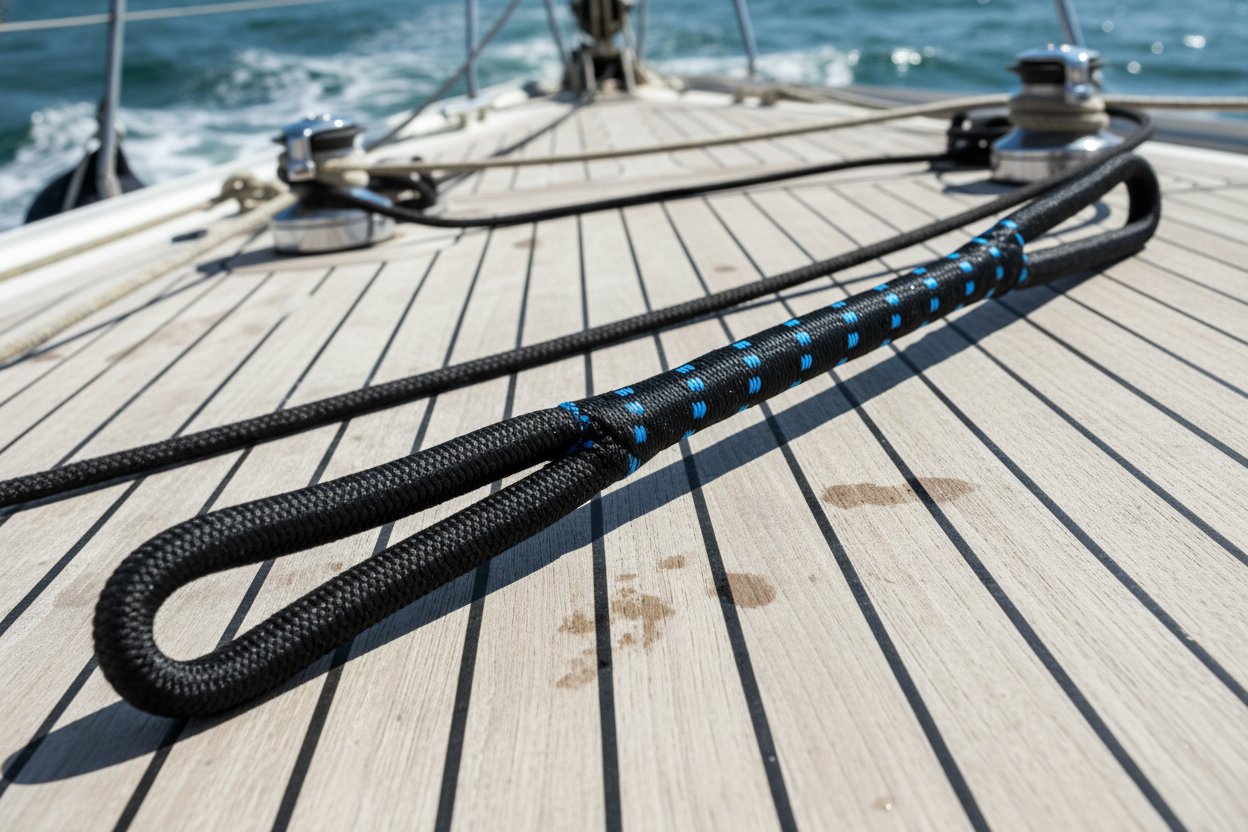
At iRopes, our manufacturing starts with selecting premium fibres in our state-of-the-art facilities. We precision-braid them on advanced machines that control tension for even distribution, enhancing flexibility so the sling moves with the waves rather than fighting them. This process also builds in abrasion resistance by layering strands densely, and we incorporate UV stabilisers to fend off sun damage during long days on the water. For marine use, it's like giving your sling a built-in shield against the elements.
What sets braided slings apart from traditional web slings? Web slings, made from flat woven fabric, excel in broad surface contact to protect delicate loads, but they can stiffen when wet and wear faster on edges. Braided versions, on the other hand, offer superior flexibility and knot-holding power, making them ideal for dynamic tasks. In yachting, their reduced weight means less strain on your crew and boat, while spearfishing benefits from added reflective elements we weave in for better visibility underwater or at dusk—safety without sacrificing style.
Think about it: have you ever struggled with a bulky sling that snags on gear? Braided ones glide smoothly, cutting down on hassle during critical lifts. This efficiency is a genuine advantage when time and precision matter.
- Reduced overall weight - Lighter than equivalent steel or web options, easing handling in choppy conditions.
- Enhanced visibility features - Optional reflective strands glow under light, preventing accidents in low-visibility marine settings.
- Superior knot retention - Braided structure grips tightly, reducing slippage during sudden jerks from waves and currents.
To keep these slings performing in wet environments, regular inspections are key. Focus on the outer braid for cuts or frays that could expose the core, and run your fingers along the length to feel for abrasion hotspots from repeated contact with boat edges. Check splicing points—where ends are tucked and woven back in—for any pulling or unravelling, as saltwater can accelerate wear there. A quick daily once-over can spot issues early, extending the sling's life and keeping your operations safe. While these *braided designs* bring unmatched flexibility to dynamic marine tasks like securing lines on a pitching deck, configurations with eyes at both ends offer even more reliable options for varied hitches in lifting scenarios.
Double Eye Sling: Versatile Configuration for Marine Lifting
Building on the flexibility of braided slings for those dynamic sea movements, double eye slings step in as a go-to choice when you need something straightforward and reliable for attaching to hooks or shackles without extra hardware. These slings feature loops, or eyes, at both ends, making them a breeze to rig up in tight spots on a boat or dock.
A double eye sling starts with flat webbing—think of it as a wide, sturdy strap—folded and stitched to form those protective eyes. Made primarily from nylon or polyester, the flat eye version keeps everything aligned for even load distribution, perfect when you're lifting straight up. The twisted eye variant, though, rotates the loop for better grip in choker hitches, wrapping snugly around irregular shapes like engine blocks pulled from the water. Nylon absorbs shocks well from waves or sudden stops, while polyester resists stretching for precise control, both holding up against saltwater's bite without fraying quickly.
Ever wondered how much weight these can handle in real lifts? The working load limit, or WLL, varies by hitch type to keep things safe. In a vertical hitch, it's full capacity; choker reduces it to about 80 percent due to the bend; and basket doubles it for cradling loads. For a typical 2-inch wide, single-ply polyester double eye sling rated at 3.8 tonnes vertically, that means around 3 tonnes in choker and 7.6 tonnes in basket—always with a 5:1 safety factor built in, so it only fails under extreme overload.
- Vertical Hitch - Full WLL for straight pulls, ideal for hoisting gear aboard.
- Choker Hitch - 80% WLL, used when wrapping around loads like buoys or irregularly shaped objects.
- Basket Hitch - 2x WLL, best for cradling bulky items securely and distributing weight.
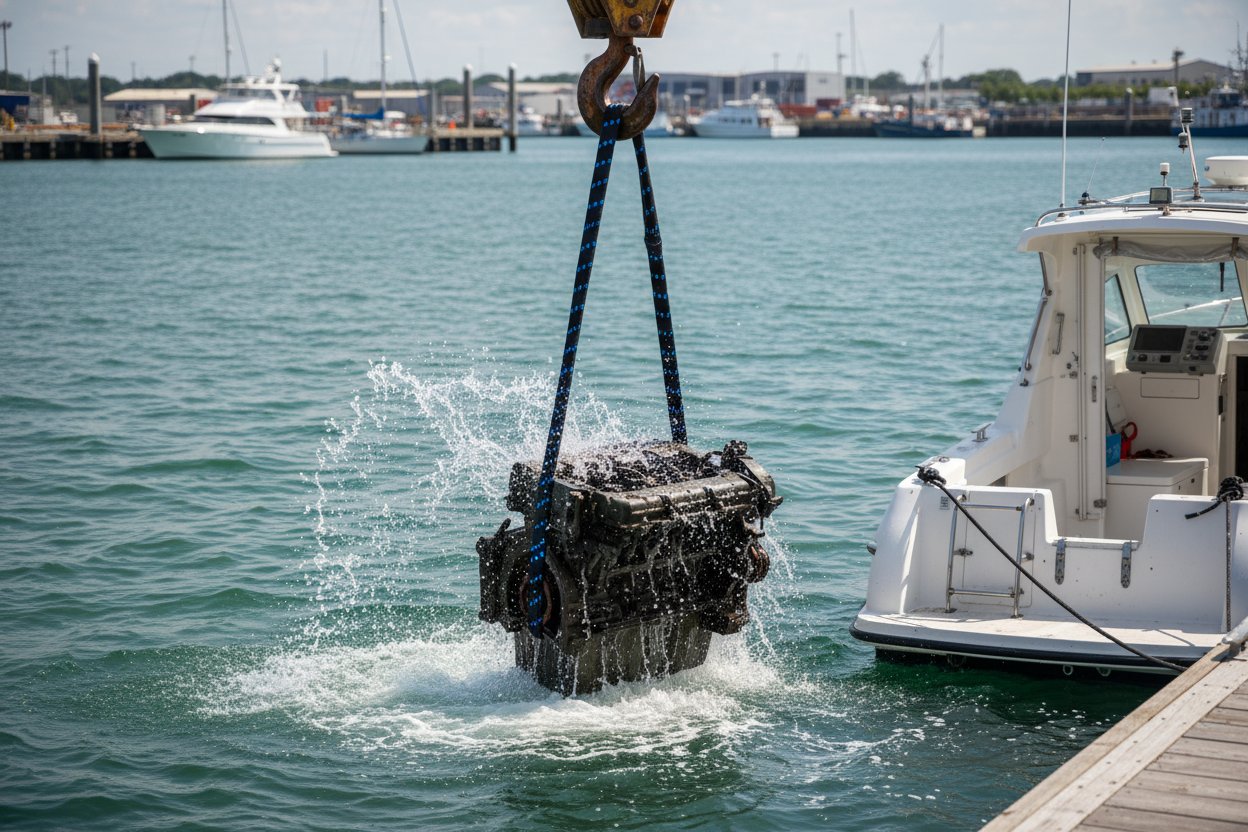
Picture this: you're on an off-road adventure that veers toward a coastal trail, and your vehicle gets stuck in mud by the shore. A double eye sling hooks right onto the recovery point and tow vehicle. Its eyes stay put without sliding, even as tides pull at the undercarriage. The same holds true for tree work along riverbanks, where branches overhang water—the eyes lock in place during cuts, reducing the risk of the load swinging wildly. At iRopes, we enhance this with OEM customisations, like extra stitching or wear pads on the eyes, tailored to your exact setup for longer life in salty air.
Keeping one in top shape means checking those details regularly, especially around water. Look over the stitching for loose threads or pulls that could weaken it under strain. Examine edges for any fuzzing from rubbing against rough hulls—marine corrosion loves to hide there. Follow OSHA guidelines and ASME B30.9 standards by tagging your sling with its WLL and retiring it at the first sign of trouble, like heat marks from friction. A simple routine like this, perhaps after every outing, ensures it stays compliant and ready. While the double eye setup handles versatile lifts with ease, stepping up to duplex layers brings even more toughness for those heavier, relentless jobs.
Duplex Web Sling: Double-Layer Durability in Harsh Environments
Stepping up from the adaptable double eye slings that handle everyday marine lifts so well, duplex web slings deliver that extra layer of toughness when the job demands it. If you've ever watched a heavy cargo net strain against relentless waves, you'll appreciate how these slings are built to endure without flinching.
A duplex web sling consists of two layers of webbing sewn together, creating a double-ply structure that boosts both strength and resistance to everyday abuse. This design isn't just thicker—it's engineered for industrial marine tasks where single-ply options might wear out too quickly. The extra ply spreads the load more evenly, cutting down on stress points and allowing for higher working load limits that keep operations moving safely, even in rough coastal conditions or onboard shipyards.
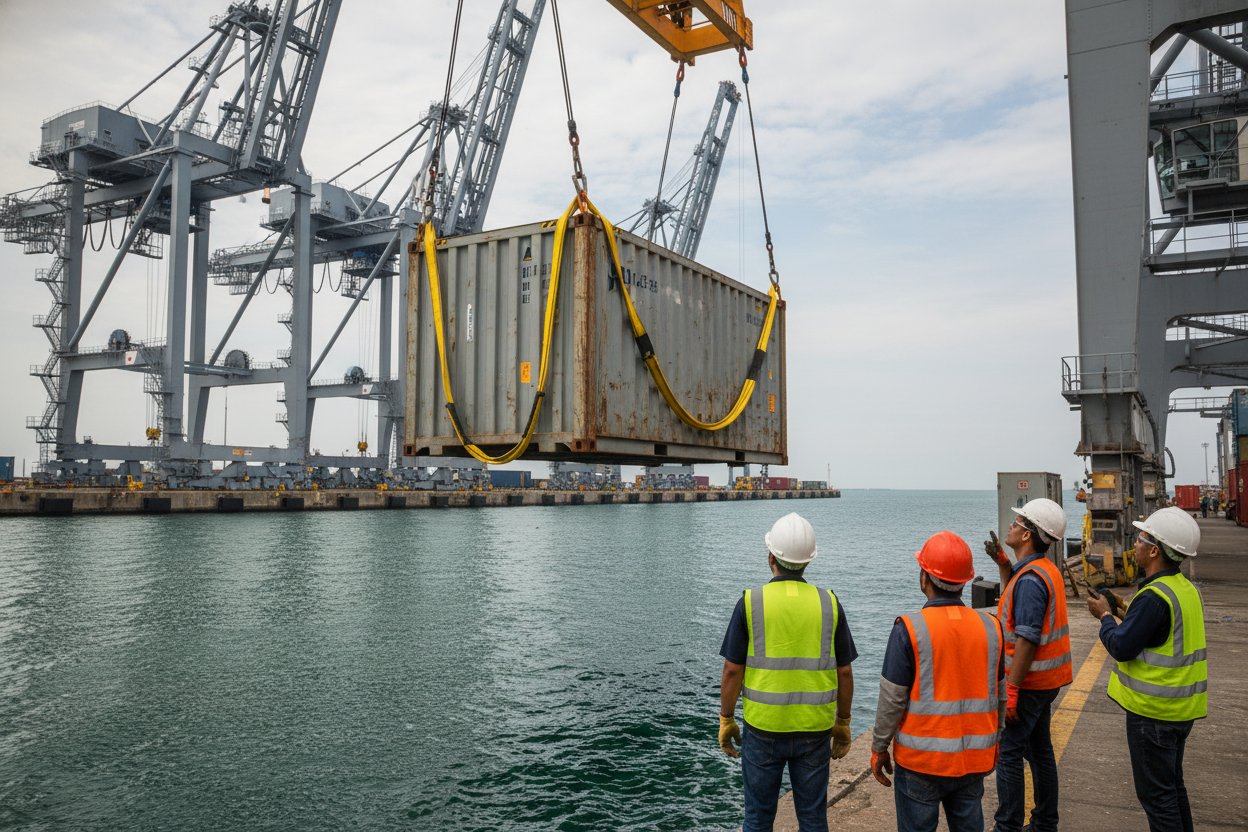
Choosing the right material makes all the difference here, especially when you're dealing with the unpredictable nature of saltwater environments. Polyester stands out for its minimal stretch, which gives you precise control over loads and strong resistance to UV rays that can degrade gear left out in the sun. Nylon, by contrast, offers better shock absorption to cushion sudden jolts from swells or equipment shifts, though it absorbs more water and might need drying out after immersion. Both work well when paired with the duplex construction, but polyester edges ahead in prolonged sun exposure, while nylon shines in scenarios with impact risks. For instance, if you're rigging for a defence operation with erratic movements, nylon's give can prevent snaps; in steady yacht mooring, polyester's stability wins. Explore how nylon web slings can further protect sensitive marine surfaces during lifts.
Ever paused to think about how these choices play out on the water? In defence setups, the higher safety margins from duplex layers mean you can trust the sling to handle classified gear without compromise. For camping near shores, a duplex sling secures tents or boats against wind gusts reliably. At iRopes, our ODM services let us tweak the ply thickness or add your branding directly into the webbing, ensuring the sling fits your operation like a glove while meeting those elevated performance needs.
Polyester Duplex
Low Stretch Leader
UV Resistance
Stays strong under prolonged sunlight, ideal for deck storage.
Minimal Elongation
Maintains shape for accurate positioning in lifts.
Acid Resistance
Handles chemical exposure common in marine cleaning.
Nylon Duplex
Shock Absorber
High Impact Tolerance
Absorbs shocks from waves or drops effectively.
Moisture Management
Flexible even when wet, though requires drying.
Alkaline Durability
Resists bases found in some cleaning agents.
To keep a duplex web sling in fighting shape amid harsh conditions, zero in on potential trouble spots during checks. Heat damage shows as shiny or melted areas from friction against hot metal, while chemical degradation might leave the webbing brittle or discoloured after exposure to fuels or cleaners. Many include red core yarns that emerge when outer layers wear thin, signalling it's time to retire the sling—a simple visual cue that could save a crew from real risk. Spot these early, and you'll extend its service life considerably. With such layered protection in mind, weighing how these duplex options stack up against others can sharpen your selection for the toughest marine challenges.
Comparing Sling Types and iRopes' Customisation for Marine Success
With the layered toughness of duplex web slings giving you that extra edge in heavy-duty marine work, it's time to stack them up against braided and double eye options to see what fits your setup best. Each type brings something different to the table, especially when you're dealing with the relentless pull of tides or the grind of rocky docks. Let's break it down by weight, cost, and how they hold up in salty, sun-baked conditions—factors that can make or break your operations.
Braided slings often tip the scales lightest, thanks to materials like Dyneema that pack massive strength without the heft—think half the weight of a comparable web sling for the same lift. This means easier manoeuvring on a rocking boat. Double eye slings come in a bit heavier due to their webbing but still beat out chains or wires, while duplex versions add that double-ply bulk for superior load handling, though it nudges up the overall mass. On cost, braided ones might run higher upfront because of specialised weaving, but their longevity in abrasion hotspots pays off over time. Double eye slings offer solid value for versatile jobs at a mid-range price, and duplex brings premium durability that justifies the investment for high-stakes tasks. In marine durability, braided shines against UV and flex fatigue, double eye resists edge wear well in hitches, and duplex laughs off cuts and chemicals better than singles. What about picking the right one? It boils down to your load, environment, and hitch—light and agile for quick yacht ties, or beefy and stable for industrial hauls. For deeper insights into optimizing these hitches, check out flat vs. twisted eye slings.
Weight
Lightest: Braided for easy handling; moderate: Double eye; heaviest: Duplex for stability.
Cost
Premium: Braided; balanced: Double eye; value for heavy use: Duplex.
Marine Durability
UV/flex: Braided leads; edge/hitch: Double eye strong; cut/chemical: Duplex excels.
Best For
Dynamic: Braided; versatile: Double eye; heavy: Duplex.
Where braided construction really pulls ahead is in spots demanding bend without break, like threading through spearfishing gear or securing yacht lines against barnacle-crusted rails. Unlike flatter web slings that can snag or stiffen on rough surfaces, the woven strands conform and resist fraying, keeping you moving without constant replacements. I recall a client outfitting a charter fleet who switched to braided after web ends wore through too fast on coral reefs—productivity jumped, and so did their confidence on the water.
That's where iRopes steps in, turning these comparisons into custom realities for your marine needs. We handle the full spectrum, from tweaking braided diameters for specific flexibility to reinforcing duplex plies with your logo woven in, all under ISO 9001 standards that guarantee precision every time. Our IP protection keeps your designs secure, and with direct pallet shipping worldwide, wholesale orders land on your dock without delays—cost-effective partnerships that scale with your business. Learn more about our rope customization options to tailor solutions precisely for your applications.

Applying these slings right means factoring in the sea's moods—salt spray calls for UV-tough materials, while sharp edges need protective sleeves. Match your hitch to the job: vertical for straight hauls, choker for gripping odd shapes, basket for cradling. Consider the angle too; anything over 60 degrees slashes capacity, so plan rigging to stay safe. By aligning these elements, you not only boost efficiency but sidestep those close calls that turn a good day offshore sour. As you weigh these choices, the real payoff comes in solutions tailored just for you.
In the harsh marine environments where durability is non-negotiable, braided slings deliver a secret edge through their flexible, high-strength construction using materials like Dyneema. They excel in yachting and spearfishing with superior abrasion resistance and knot retention. Precision manufacturing at iRopes ensures UV protection and lightweight performance, while detailed inspections for cuts and splicing maintain safety. Complementing these, the double eye sling offers versatile attachment for off-road recoveries and tree work near water, with robust load capacities across hitches, and the duplex web sling provides double-layer toughness for heavy industrial tasks, balancing polyester's low stretch against nylon's shock absorption.
By comparing these options, you gain insights into selecting the ideal sling for your needs, enhanced by iRopes' OEM and ODM customisations that incorporate branding and IP protection for global wholesale success. Ready to tailor a solution for your marine operations?
Need Custom Rope Solutions? Get Personalised Advice from iRopes Experts
If you're keen to discuss how we can customise braided slings, double eye slings, or duplex web slings for your specific marine challenges, fill out the inquiry form above—our team is here to provide tailored guidance and elevate your lifting safety.
