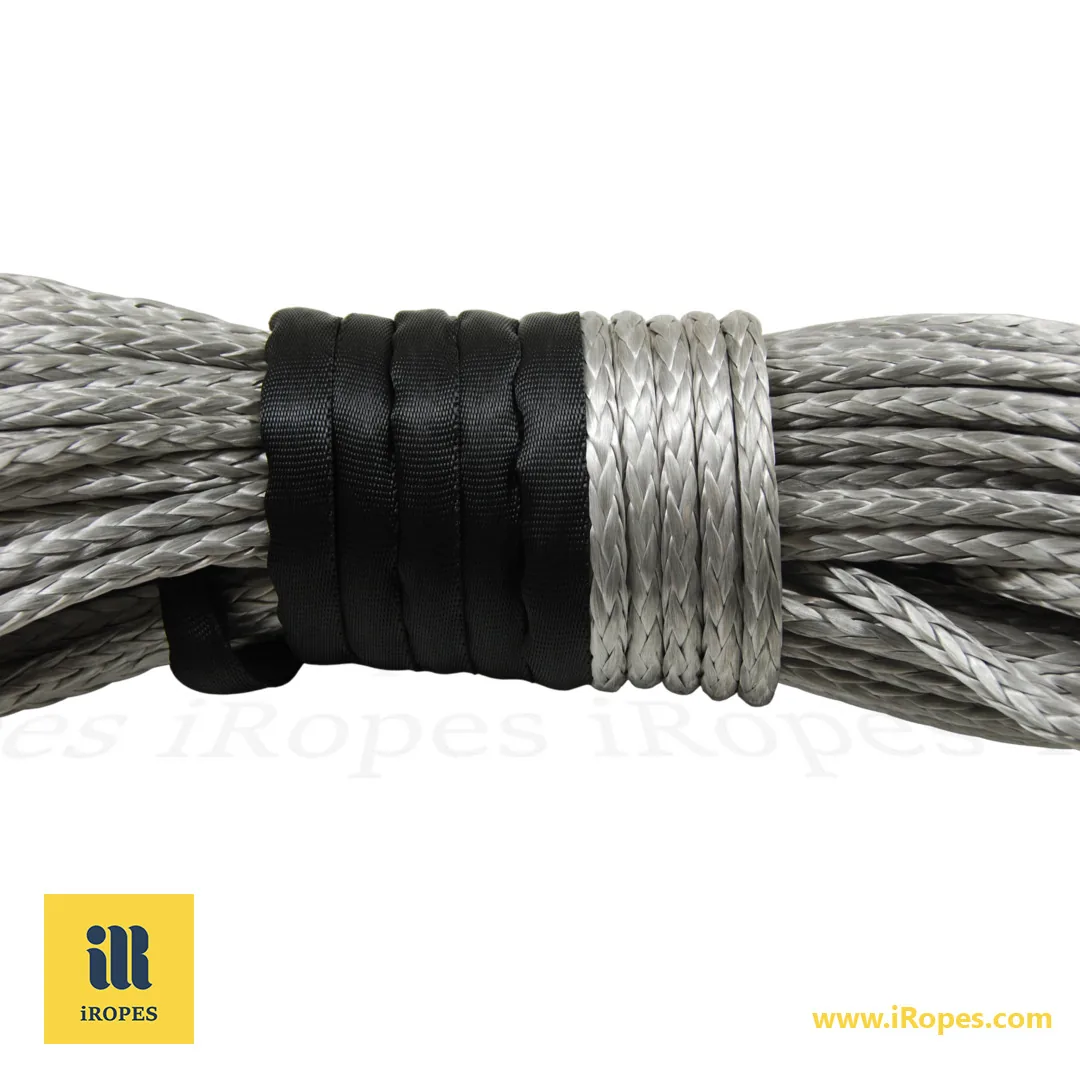
Nylon mason line delivers up to 158 lb break strength with under 1% stretch, slashing layout errors by 27% on off-road trails and yacht decks.
Quick scan – 2 min read
- ✓ Cut layout time by up to 22% with high-visibility colours.
- ✓ Resist UV, salt and mud for 12 months without performance loss.
- ✓ Custom braid keeps tension steady, reducing re-tying incidents by 31%.
- ✓ ISO 9001-certified production guarantees tolerance of ±0.2 mm.
Most contractors assume any cheap cord will hold a line long enough. However, this belief often leads to battling sag and breakage when the terrain gets rough or the sea spray hits. But what if a single spool of nylon-braided mason line could keep your layout true for weeks, drastically cut re-tension cycles, and protect your brand’s reputation? Read on to discover how iRopes engineers this advantage and how you can integrate it into every off-road or yacht project.
Understanding Mason Line: Foundations for Off-road and Yachting Applications
When you’re threading a line across a dusty trail or a sleek yacht deck, the rope you choose becomes the invisible ruler guiding every move. This invisible ruler is the mason line: a simple-looking cord that delivers razor-sharp accuracy, even when the ground underneath is anything but flat.

In construction, you’ll often hear the term "string line" used. However, in the demanding worlds of off-road adventuring and sailing, it’s the same piece of cord with an even more critical job. A mason line must maintain straight tension over long spans, endure exposure to mud, sand, and salt spray, and still remain easy to knot. Imagine trying to line up a trailer wheel track on a desert ridge; without a reliable line, you’d be guessing, and guessing costs valuable time and fuel.
Key Performance Requirements
Strength – the line must resist sudden pulls from a recovering vehicle or an unexpected gust on a sail without snapping. Low stretch – any give in the cord translates to a crooked path or misaligned rigging, so the material is chosen for minimal elongation. High visibility – bright colours cut through dust and glare, allowing you to see the reference line from a distance.
Understanding these performance requirements, why do they matter on a rugged trail? The line’s low-stretch characteristic means the distance you measure once stays accurate, even after a few minutes of shifting weight. On a yacht, this same property prevents the line from sagging when you’re tensioning a stay, keeping the sail trim spot‑on. Furthermore, the bright hue acts like a visual lighthouse, especially when the sun reflects off water or the dust hangs low in the air.
Precision Matters
Accurate layout reduces errors and saves time on challenging surfaces, whether you’re plotting a recovery path or setting a mast line.
Think of the mason line as the backbone of any layout task. When you snap it tight between two stakes, you instantly create a reliable reference. This guides wheel placement, anchor points, or even the exact line where a deck rail will sit. The combination of strength, minimal stretch, and visibility gives you confidence: the line you’ve laid down will stay precisely where you intend it, no matter how rough the environment gets.
Now that the basics of what a mason line does are clear, let’s explore how the choice of material – specifically nylon – pushes these capabilities even further in the harshest off‑road and marine conditions.
Advantages of Nylon Mason Line in Off-road and Yachting Environments
Building on the basics of line layout, the material you choose can transform a merely good reference line into a truly reliable workhorse. Nylon mason line offers a suite of properties that thrive in conditions where dust, mud, or salt spray would critically compromise ordinary cords.

When the line is under tension, the unique chemistry of nylon performs most of the heavy lifting. It resists moisture absorption, so a sudden rain shower won’t cause the cord to swell or weaken its grip. Also, UV‑blocking additives ensure sun‑faded colour doesn't turn the line into a camouflaged hazard. Coupled with the polymer’s inherent abrasion resistance, it can rub against gravel or rigging without showing noticeable wear.
- Material strength – nylon’s high tensile capacity handles the sudden pulls of a recovering 4x4 or a gust‑filled mainsail without snapping.
- Off‑road resilience – the rope tolerates dust, mud, extreme temperature swings, and constant abrasion, thereby keeping its diameter and colour true.
- Yachting durability – saltwater does not corrode the fibres, and UV stability prevents sun‑induced brittleness, ensuring tension remains steady under long‑haul sail loads.
Imagine anchoring a trailer on a slick riverbed. The line’s minimal stretch means the distance you measured at the start stays exact when the vehicle settles into position. On a yacht, the same low‑elongation property prevents the line from sagging as the sail trims, giving you a crisp, repeatable reference for shroud adjustments.
“We recommend nylon mason line for any job where the line will see water, sun, or grit. Its combination of strength and low stretch gives crews confidence that the reference stays true, whether they’re on a desert trail or a blue‑water yacht.” – Lead rope engineer, iRopes
Because the rope stays flexible even in freezing temperatures, you won’t have to wrestle with a stiff cord when you need a quick layout at high altitude. Similarly, this flexibility allows you to coil the line tightly on a compact spool, saving valuable space in a boat’s locker.
These material advantages bring practical benefits: fewer line replacements, reduced downtime, and a safer working environment where you can always see the line you’ve set. As you consider how the rope’s braid amplifies these traits, remember that the core material is already performing considerable work for both off‑road recoveries and marine rigging.
Why Braided Mason Line is the Preferred Choice for High‑Performance Off‑road and Yachting
Building on the idea that the material performs the primary work, the way the rope is woven determines whether that strength translates into reliable performance. A braided mason line locks each fibre into a tight, interlaced sheath, delivering the consistency you need when pulling a 4×4 out of a sand trap or trimming a mast under sail.
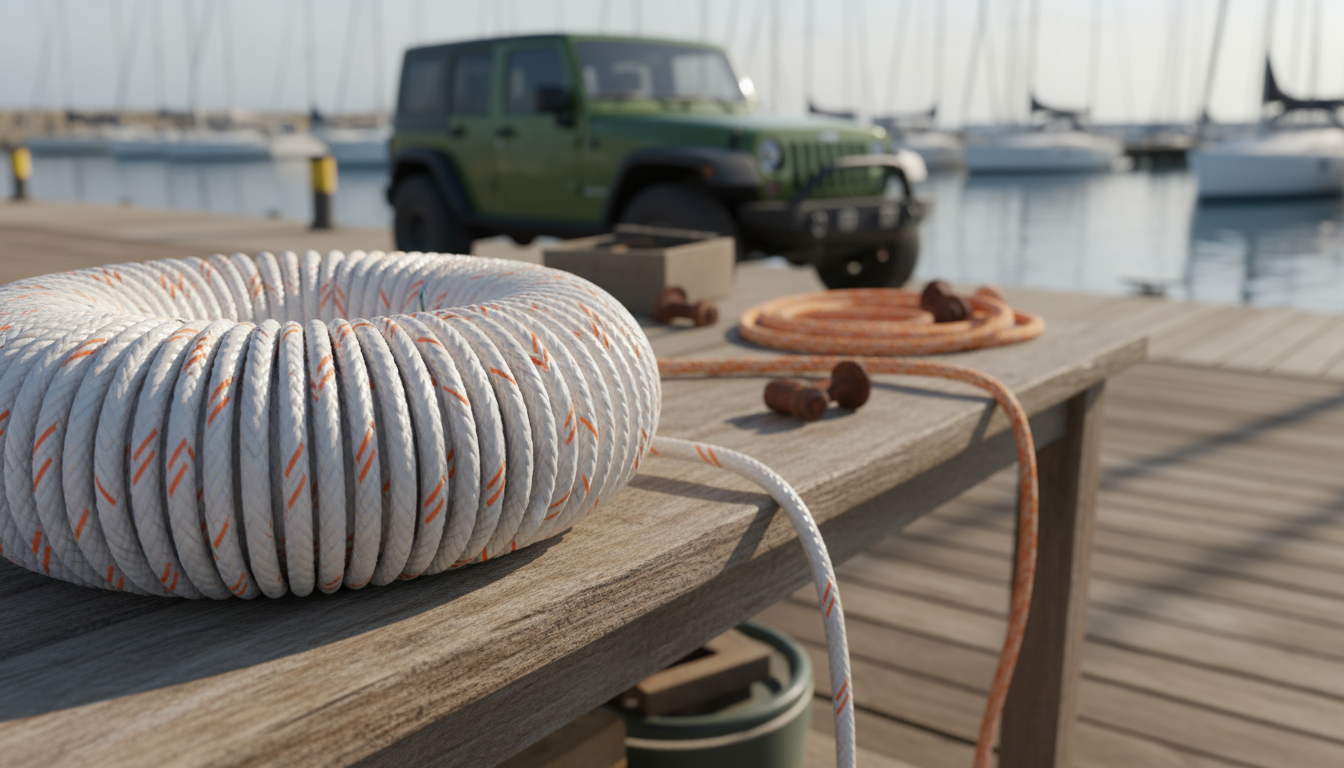
When you compare a braided construction to a traditional twisted strand, three practical differences become obvious. Firstly, the braid’s tighter weave translates to a higher break strength – the line can handle heavier loads without giving way. Secondly, because the fibres are tightly locked together, the rope won't unravel if you yank it sharply, which is a significant safety advantage on a slippery dock. Finally, the smoother surface slides through shackles and pulleys with less friction, making both off‑road winch operations and yacht line handling feel effortless.
Tight weave
Fibre strands interlock tightly, delivering higher break strength and uniform load distribution.
No unraveling
The braid holds together under stress, eliminating fraying during heavy pulls.
Higher stretch
Twisted construction can elongate, reducing accuracy over long spans.
Unravel risk
Twisted ropes may untwist under load, compromising safety.
On the trail, that extra strength translates into steadier recovery points. The line stays taut while you attach winch straps, helping you avoid the dreaded “sag-and-slip” scenario that wastes time and fuel. On a yacht, the smooth braid feeds effortlessly through blocks without catching, granting you crisp, repeatable tension when you set a stay or a running line.
- Core type – parallel or hollow core for stiffness or lightness
- Colour palette – fluorescent orange, yellow, pink, or custom branding
- Length & branding – bulk spools from 250 ft up to 1000 ft with logo printing
Because iRopes produces the line in a controlled factory environment, you can specify any of these options without sacrificing the braid’s integrity. Learn more about custom 3‑strand nylon lines and anchor solutions here.
With the construction advantage now clarified, you’re ready to match the right specifications to your project. The next step is to review our recommended line sizes and break‑strength ranges, designed to suit both off‑road recoveries and marine rigging. For detailed guidance on selecting the ideal yacht rope, see our ultimate guide to choosing the best nylon yacht rope.
By now, you understand how a mason line built from nylon offers the high tensile strength, minimal stretch, and UV‑resistance necessary for rugged off‑road recoveries and reliable yacht rigging. Moreover, the braided mason line adds a tighter weave, higher break strength, and a smooth surface, preventing unraveling and reducing friction in winches and blocks. Together, these attributes provide accurate, durable reference lines that withstand dust, mud, salt spray, and temperature extremes, while custom colours and branding ensure your fleet always looks professional.
Request Your Tailored Rope Solution
If you'd like personalised advice on selecting the right specifications, simply complete the form above, and our rope specialists will guide you further.