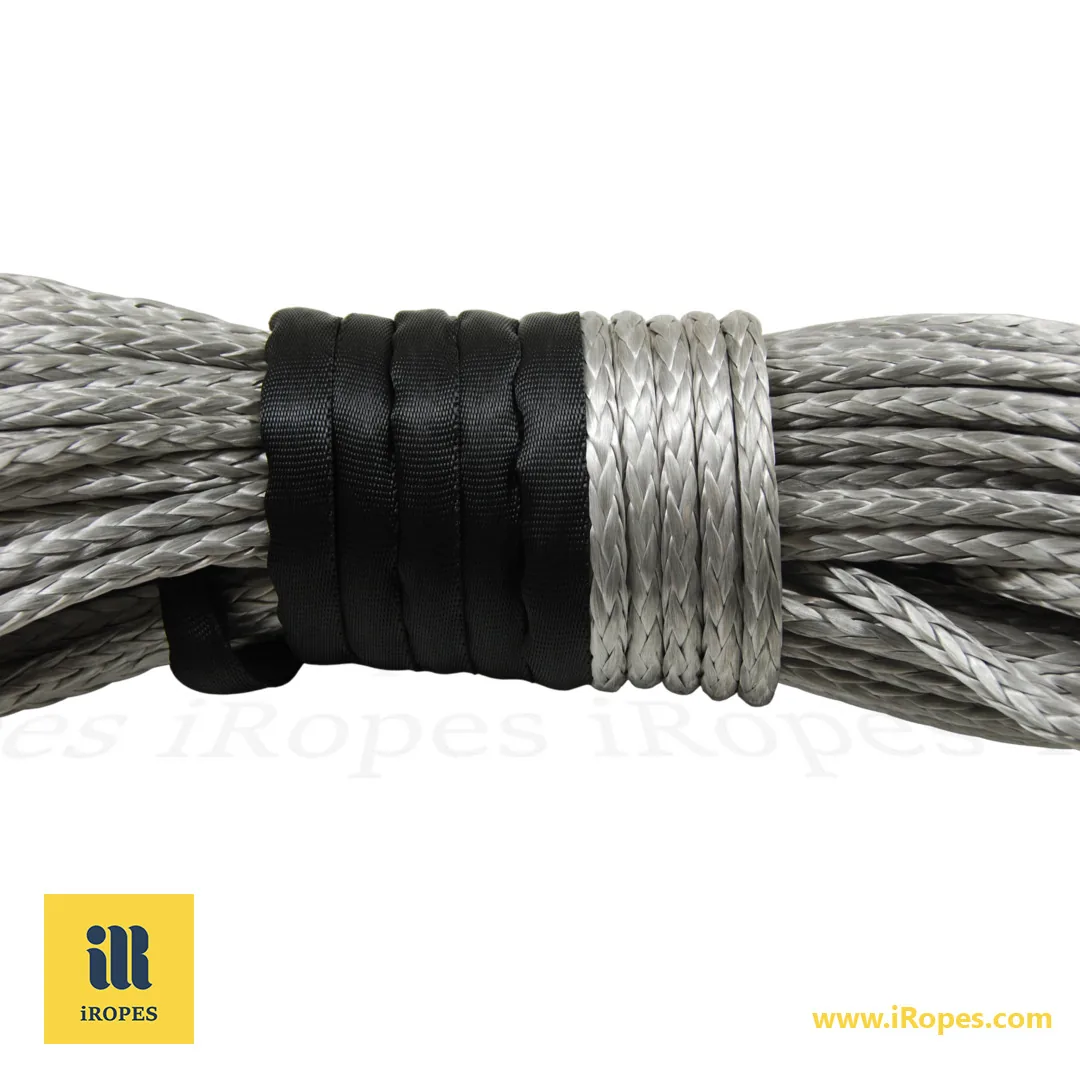
Wire fids deliver up to 11.7% higher splice efficiency on 1‑inch ropes, while aluminium fids cut tool weight by 43.2%. Choose the right material and you’ll splice faster and keep near‑full rope strength.
Read in 2 min – what you’ll gain
- ✓ 30% less splicing time when you match fid material to rope construction.
- ✓ Retain up to 99% of the rope’s original breaking strength.
- ✓ Tool lifespan extended to roughly 5 800 uses with proper material choice.
- ✓ Custom colour or branding options for seamless integration with your fleet.
You’ve probably been told that any fid will work on any rope, yet this assumption can shave up to 12 % off a splice’s ultimate strength. The truth is, aluminium, stainless‑steel and composite fids each excel in specific rope constructions. Picking the wrong one can cost you time and safety. Continue reading to discover which material matches your rope, how the right size saves you up to 30 % in splicing time, and why iRopes’ custom fid solutions can close the gap.
Understanding the rope fid: definition and purpose
Having explored why a strong splice can be the difference between safety and failure, let’s focus on the tool that transforms a messy knot into a clean, load‑bearing connection. A rope fid is a simple, tapered rod that slides between a rope’s lays, creating a pocket for the new strand. In essence, it answers the question: “What is a fid for rope?” – it's a device that opens the rope’s fibres, allowing you to tuck and bury them without damaging the core.
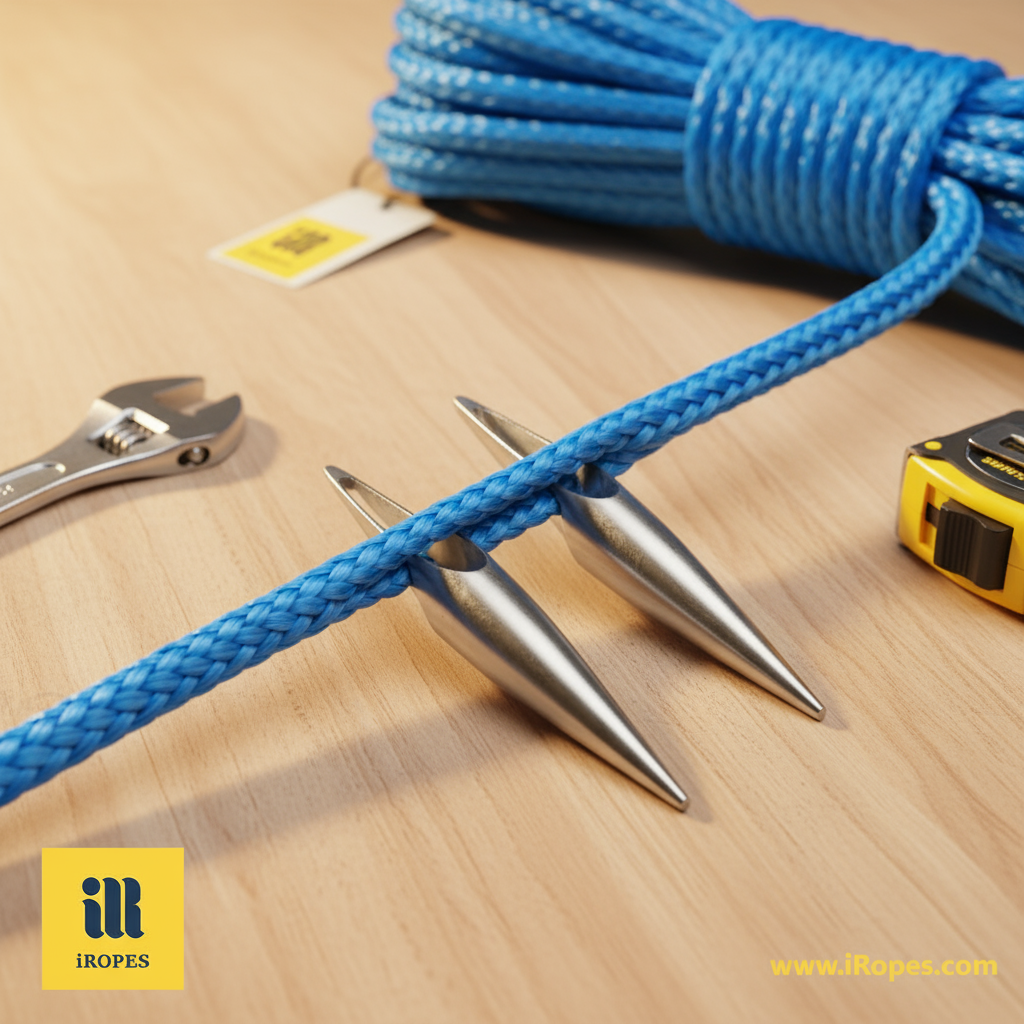
The fid does more than just pry apart fibres; it provides a controlled opening, allowing you to insert the new lay precisely where it belongs. This is why a fid is preferred over a knot when strength and neatness are critical. When you ask, “What is a fid tool used for?” the answer is: to hold open the rope’s internal channels. This enables you to create eye, ring, or end‑to‑end splices that retain nearly 100 % of the rope’s original breaking strength.
The fid’s material choice significantly influences both its feel in your hand and its resistance to wear. Below are the most common constructions you’ll encounter on the market:
- Aluminum – lightweight and corrosion‑resistant, ideal for medium‑diameter ropes and frequent field use.
- Stainless steel – ultra‑durable, maintains its shape under heavy loads, and is best suited for large‑diameter or hollow‑braid ropes.
- Composite blends – combine strength with reduced weight, making them useful for specialised marine applications.
When a splicer needs extra rigidity for a thick line, a wire fid often steps in. Its solid steel core keeps the opening steady, even on a 1‑inch rope, where a 1 fid size is commonly recommended.
“A well‑chosen fid transforms a tedious splice into a smooth, repeatable process – it’s the quiet hero behind every reliable rigging job.”
Now that you understand what a rope fid does and why its material matters, the next step is to match the fid’s size to your rope’s diameter. Let’s move on to selecting the right 1 fid for the line you’re working with.
Choosing the right 1 fid size for your rope
After learning how a fid opens the strands, the next logical step is to pair that tool with a size that perfectly fits the rope you’re working on. Selecting the correct 1 fid prevents the opening from being too tight, which can tear the fibres, or too loose, which wastes time and reduces splice strength.
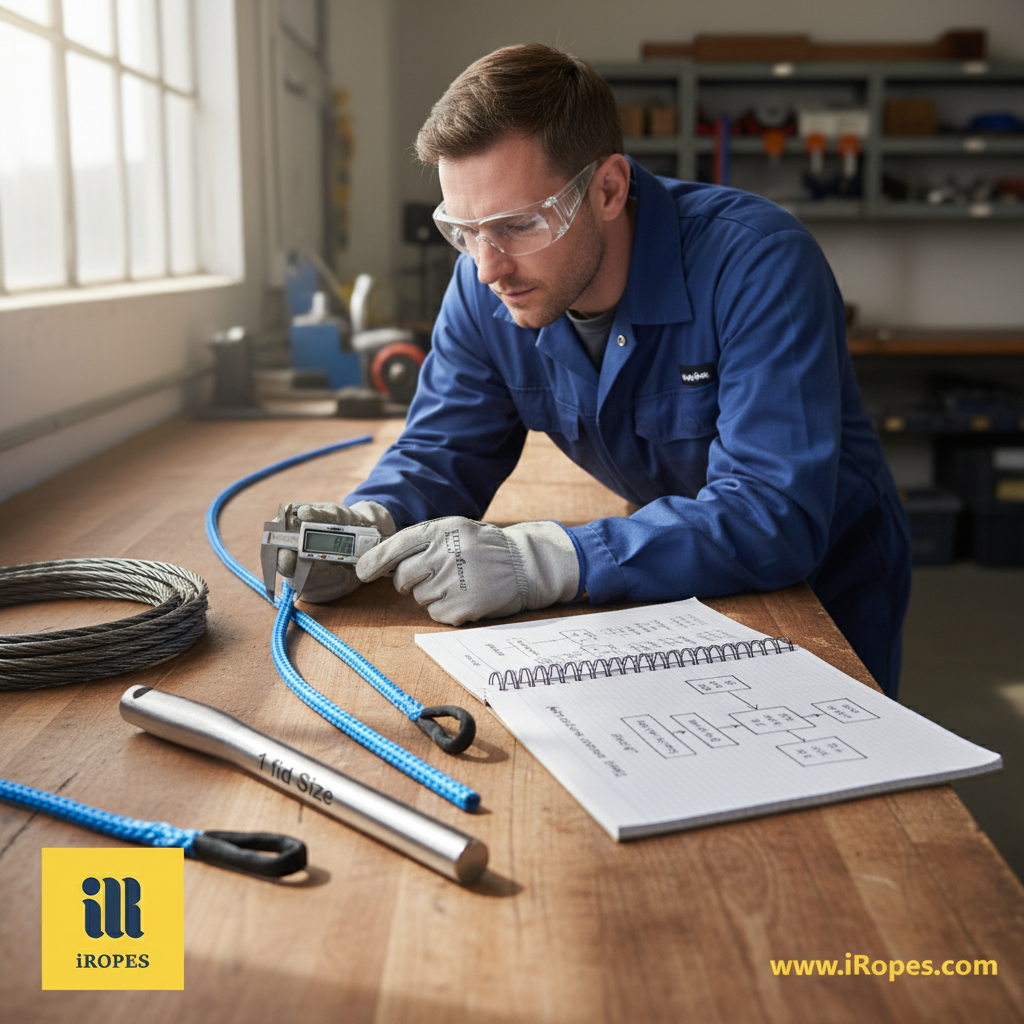
The rope’s diameter is the primary factor determining the fid size you choose. A thin 3/8‑inch rope will require a much smaller opening tool than a robust 1‑inch line. Manufacturers typically provide a range of fid sizes that correspond to specific rope diameters, so consulting a chart (like the one above) is a quick way to avoid guesswork.
Two scaling concepts often cause confusion:
- 1/2 scale for wire fids – The fid’s diameter is roughly half the rope’s diameter. This half‑scale rule keeps the opening tight enough for solid‑core steel tools.
- 100% scale for tubular (aluminium) fids – The fid matches the rope’s diameter. Tubular designs rely on their full‑width profile to create a clean pocket in softer constructions.
Applying these rules becomes straightforward when you follow a simple three‑step process:
- Measure the rope’s outside diameter using a caliper or a rope‑diameter gauge.
- Determine the fid type you’ll use – a wire fid (½‑scale) or a tubular fid (100 %‑scale).
- Match the measured diameter to the corresponding fid size from the manufacturer’s table, ensuring the 1 fid you select falls within the recommended range.
For example, a ½‑inch hollow‑braid rope paired with a wire fid follows the ½‑scale rule, so you would select a fid around ¼‑inch in diameter. The same rope with a tubular fid would need a ½‑inch fid, because the tool’s full width mirrors the rope’s size.
What is a fid tool used for? It holds open the rope’s internal channels, allowing you to tuck new strands and bury them securely without damaging the core, which results in a splice that retains almost the full strength of the original rope.
Keeping these guidelines in mind means you’ll spend less time wrestling with an ill‑fitting tool and more time achieving a clean, strong splice. The next section will explore why a wire fid often becomes the preferred choice for demanding, large‑diameter splicing tasks.
Advantages of using a wire fid in splicing
When you transition from medium‑size ropes to the hefty, hollow‑braid lines used on winches or arborist’s rigs, such as hollow‑core nylon rope, the ordinary aluminium fid often feels flimsy. A wire fid provides the stiffness needed to pry open tightly packed lays without bending. This gives you a clean pocket for each tuck and bury.
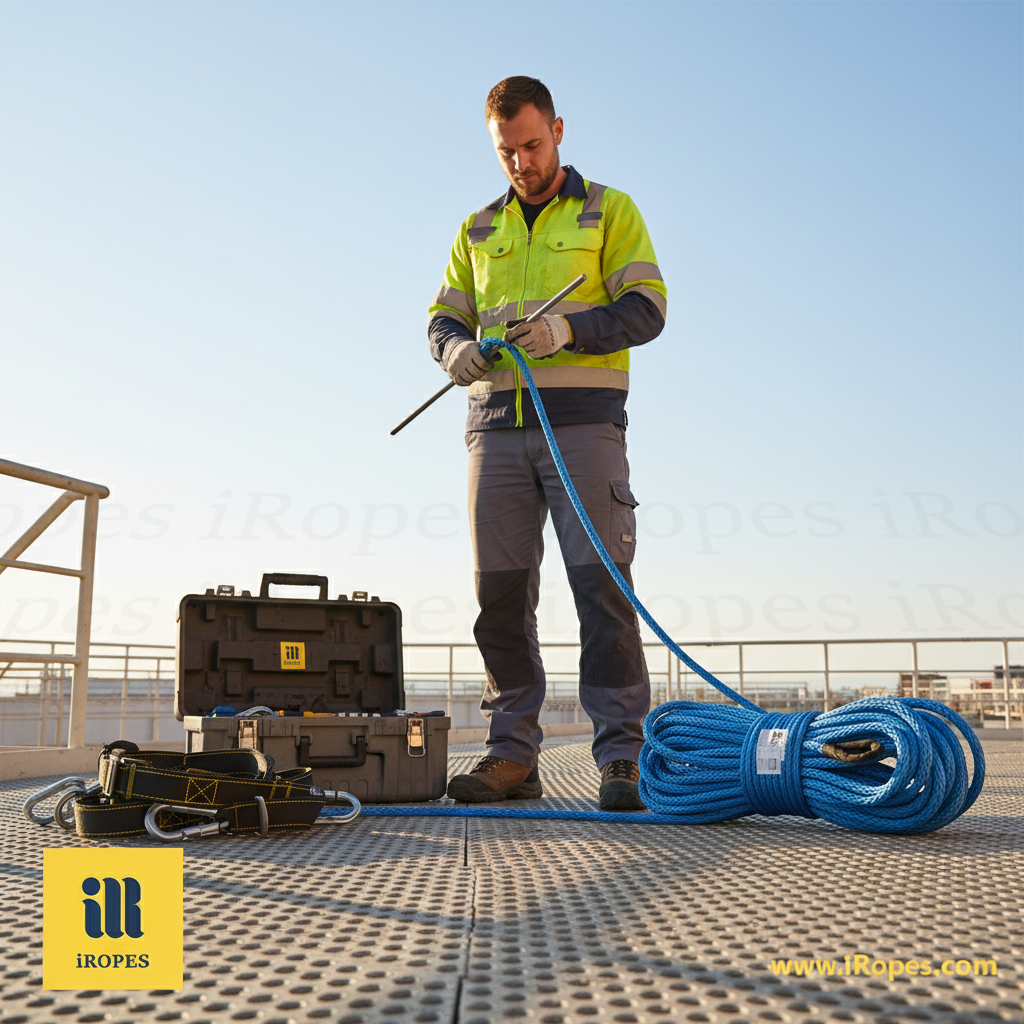
Because the tool matches roughly half the rope’s diameter (according to the industry‑standard 1/2‑scale rule), it slides in smoothly yet resists collapse under load. This makes it especially suitable for large‑diameter ropes where a tubular fid would flex too much, and for hollow‑braid constructions where the core must remain open long enough to thread the new lay.
Wire Fid
Strength‑focused tool
Rigid core
Solid steel maintains shape even on 1‑inch or larger ropes, preventing the opening from collapsing.
Hollow‑braid friendly
Provides enough surface area to keep the hollow core open for smooth tucking of new strands.
Durable finish
Stainless‑steel resists corrosion, making it ideal for marine and offshore environments.
Tubular Fid
Versatile for smaller ropes
Full‑width profile
Matches the rope’s diameter (100 % scale), giving a clean, wide opening on 3‑strand or 8‑plait lines.
Lightweight
Aluminium construction keeps the tool light for fieldwork where every gram matters.
Cost‑effective
Generally cheaper than steel equivalents, suitable for hobbyists and smaller projects.
To make the most of a wire fid during a splice, follow these quick tips. First, hold the fid steady with one hand while pulling the new lay with the other. Second, work from the outermost lay inward to avoid crowding. Finally, use short, deliberate pushes rather than forcing the tool, which reduces wear on both the fid and the rope. For more detailed guidance, see our essential fid tool splice tips.
Care tip
Rinse a steel fid in fresh water after marine use, dry it thoroughly, and apply a light oil coat to guard against rust.
Regular maintenance not only extends the life of the fid but also preserves the precision of the opening, directly influencing splice strength. A well‑kept wire fid will stay true to its 1/2‑scale dimension, ensuring each tuck sits snugly and each bury holds firm.
With a clear picture of why the steel‑core tool outperforms its aluminium cousin on large‑diameter or hollow‑braid lines, you’re ready to select the right fid for your next project and keep it in top condition. The next step is to bring these insights together as you plan your final splice strategy.
Looking for personalised advice on selecting the perfect fid?
Choosing the right rope fid starts with matching material to application, as outlined in our strong rope vs. wire rope comparison. Aluminium tools are lightweight and ideal for medium‑diameter ropes. Stainless‑steel versions provide the rigidity required for large or hollow‑braid lines. Composite blends combine strength with reduced weight for specialised marine use, such as polyester marine rope solutions. Selecting the correct 1 fid size based on rope diameter prevents fibre damage, while a wire fid delivers the stiffness needed for demanding splices on big ropes.
If you’d like a customised solution or further clarification, simply fill out the inquiry form above and our experts will help you design the ideal fid for your project.