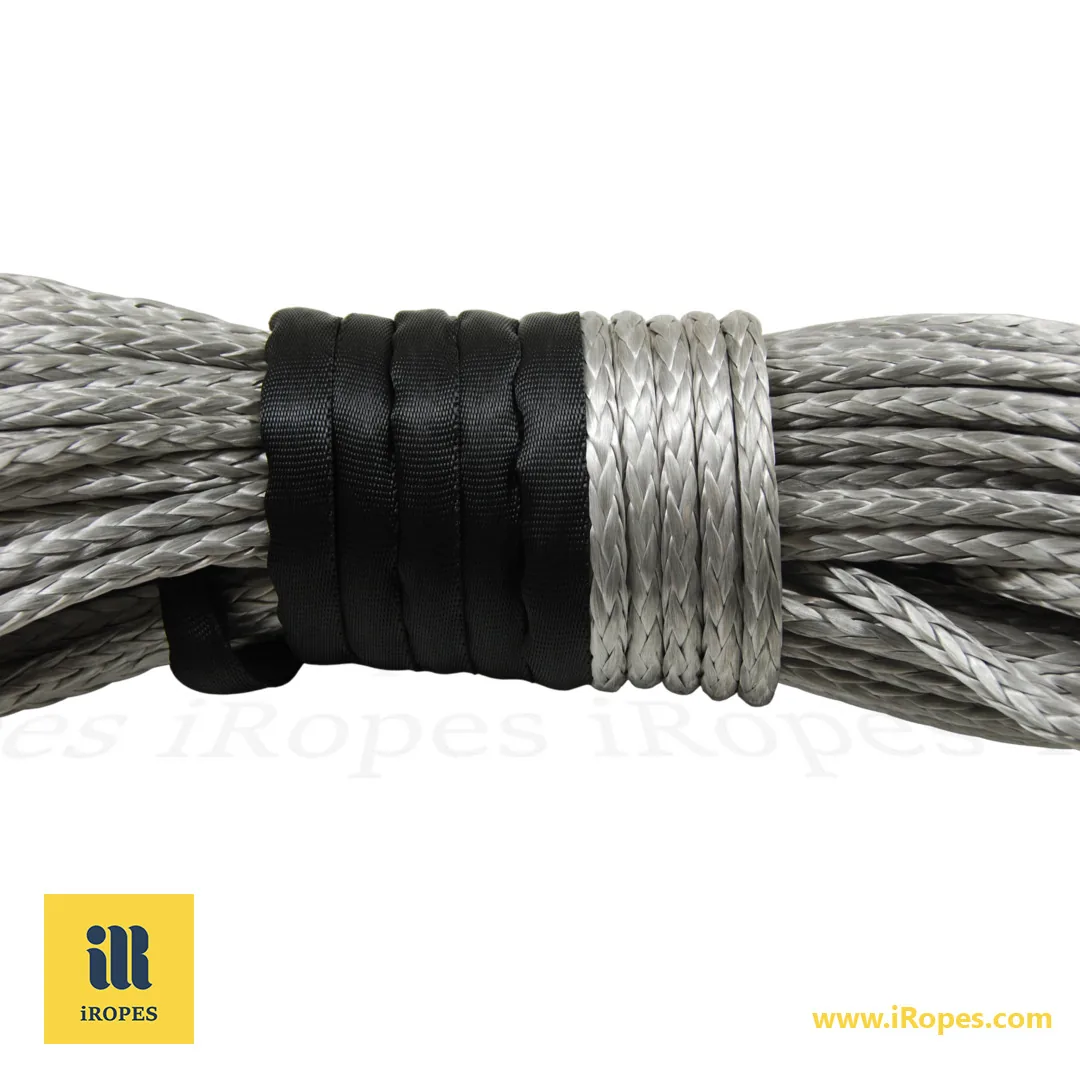
A 1-inch twisted nylon rope delivers approximately 22,600 lb of break strength, significantly eclipsing the typical 3,000–5,000 lb of an equivalent manila line. This decisive power edge is crucial for heavy-duty projects.
What you’ll gain – ~3 min read
- ✓ Boost load capacity: Nylon handles over 22,000 lb, potentially cutting equipment failures.
- ✓ Reduce maintenance: UV and chemical resistance can lower service checks.
- ✓ Lighten your rig: Twisted nylon cord offers a lighter alternative for many tasks.
- ✓ Speed up ordering: iRopes' OEM service trims lead times for custom solutions.
You might favour the classic brown look of manila for outdoor projects, yet a closer look at the data reveals a different story. Nylon’s superior tensile strength and weather-proof properties offer a significant safety margin, providing capabilities that natural fibres simply cannot match. In the following sections, we’ll explore why synthetic lines often outperform natural alternatives, uncover the hidden trade‑offs that impact real‑world applications, and discuss custom options that allow you to leverage these advantages for your specific needs.
Understanding 1 inch twisted nylon rope for heavy-duty applications
When you require a rope capable of enduring harsh loads, the 1 inch twisted nylon rope provides a combination of strength and flexibility that few other options can rival. Constructed from three tightly twisted strands of 100% nylon, this rope consistently performs reliability even in challenging environments.

- High break strength: A 1-inch diameter typically delivers over 22,000 lb of tensile capacity, making it exceptionally well-suited for heavy loads.
- Elasticity and shock absorption: The rope stretches under sudden impact, effectively protecting your gear and minimising abrupt jerk forces.
- UV, abrasion, and chemical resistance: Exposure to sunlight, rough surfaces, or marine chemicals will not rapidly degrade its performance.
These characteristics offer tangible benefits across various sectors. In marine applications, the rope excels as an anchor line or dock tie-down, where its stretch effectively cushions against wave action and sudden movements. Contractors frequently use it for towing and rigging operations, appreciating its shock-absorbing qualities that reduce strain spikes. Landscaping crews also value the rope’s durability for securing heavy equipment on uneven terrain, thanks to its robust composition.
“The moment I tested a 1-inch twisted nylon rope against a steel winch, its seamless stretch saved the entire system from overload—a clear sign of engineered reliability.”
So, what are the best uses for 1 inch twisted nylon rope? Consider any task that demands both significant load‑bearing capacity and resilience. This includes anchoring boats, pulling heavy machinery, creating temporary rigging on construction sites, or forming robust landscape ties. Its resistance to moisture also means you can confidently leave it outdoors without concerns about rot or mildew.
To ensure your rope performs optimally, follow these simple maintenance guidelines. Prevent fraying by taping or heat‑setting the ends and store the coil in a dry, shaded area. Regularly inspect the strands for any signs of abrasion. When splicing is necessary, use the correct tool and technique to preserve the rope’s full strength. By applying these practices, you will extend its service life and maintain the critical safety margin inherent in its design.
Exploring twisted manila rope 1 inch: natural strength and aesthetic appeal
After discussing the maintenance techniques that keep a 1-inch twisted nylon rope performing reliably, let’s explore its natural counterpart. If your project calls for a rope with excellent grip and a timeless appearance, then the twisted manila rope 1 inch could be precisely what you need.
Manila rope is made from the fibres of the abaca plant, a banana species native to the Philippines. These long, sturdy fibres are twisted into three strands, resulting in a rope that feels slightly rough to the touch—a texture that provides excellent grip for manual handling. Its distinctive brown hue and visible twists also contribute a classic, rustic aesthetic that enhances decorative settings.

Performance Snapshot
A 1-inch twisted manila rope provides moderate tensile strength—typically sufficient for light-to-medium loads—but it is susceptible to rot and mildew when exposed to moisture for extended periods. When wet, the rope can shrink by approximately 10% as its fibres contract, which may affect a precise fit. While UV exposure does not degrade manila fibres as quickly as some synthetics, its abrasion resistance remains lower than that of nylon.
So, is 1 inch manila rope strong? In absolute terms, its typical break strength, usually between 3,000 lb and 5,000 lb depending on the grade, falls short of a synthetic 1-inch nylon line. However, this level of strength is perfectly adequate for many applications where load is controlled and aesthetic value is prioritised over extreme durability. For example, it is excellent for decorative fixtures, garden edging, or even classic tug-of-war ropes.
Ideal Uses
Decorative railings, garden trellises, event backdrops, eco-friendly packaging, and tug-of-war games all benefit from the natural look and reliable grip of twisted manila rope 1 inch.
To maintain your manila rope in good condition, store it off the ground in a dry, well‑ventilated area, avoiding prolonged exposure to rain. If the rope gets wet, allow it to air‑dry completely before coiling it. A light application of breathable wax can also help repel moisture and delay mildew. When cutting the rope, use a sharp knife and seal the ends with a few drops of marine‑grade glue or a heat‑shrink sleeve to prevent fraying.
Understanding how this natural fibre performs naturally leads us to our next topic: how thinner twisted nylon cord expands the range of projects you can tackle, from securing loads to crafting lightweight rigging solutions.
Versatility of twisted nylon cord across diverse projects
Having explored the classic aesthetics and inherent limitations of natural manila, our focus now shifts to a slimmer synthetic alternative. This option is ideal for niches where a full 1-inch line would be excessive. Twisted nylon cord maintains the same three‑strand, 100% nylon construction found in its larger counterpart, but it is manufactured in smaller diameters, typically ranging from 1/16 inch to 3/8 inch. This scaling preserves the material’s inherent elasticity and chemical resistance, while offering a lighter, more manageable profile for tasks that do not demand massive tensile capacity.
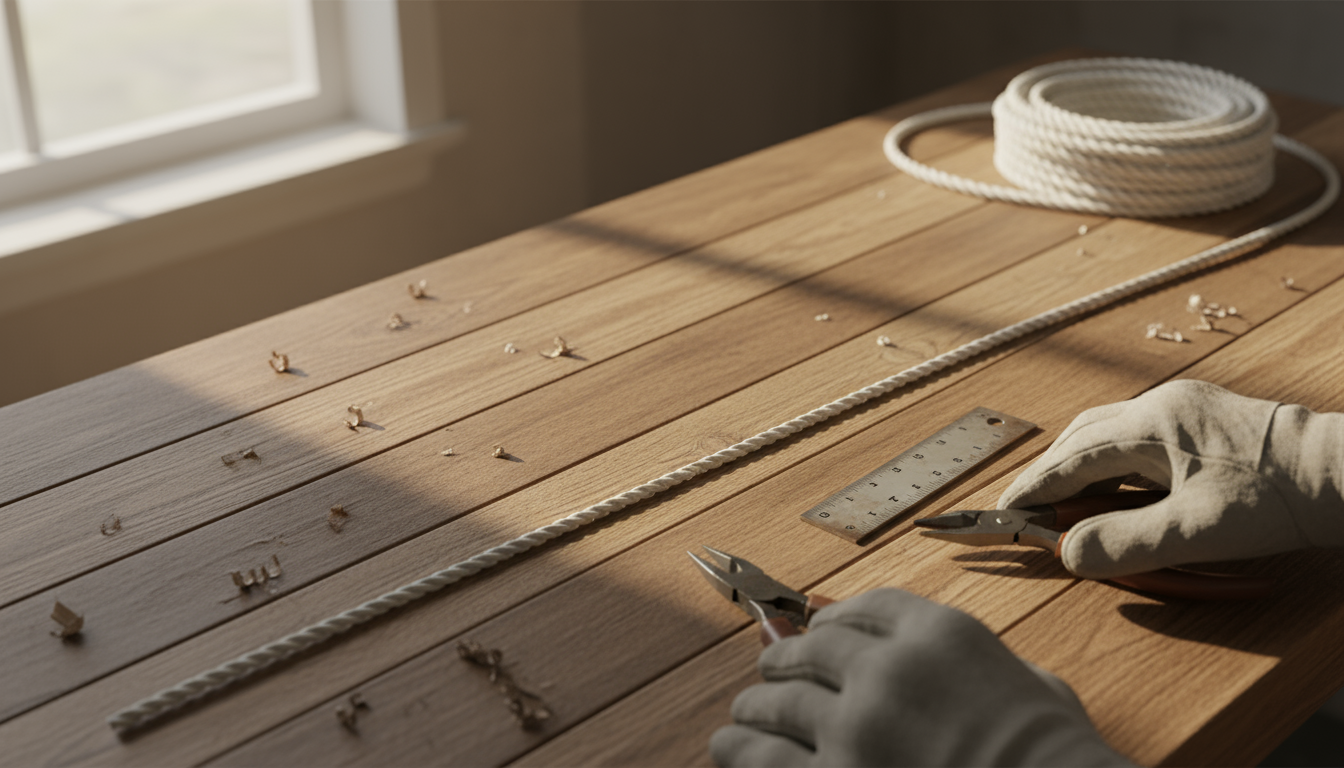
Because the core material remains unchanged, the cord inherits many of the same high‑performance traits—UV stability, shock absorbency, and resistance to mildew. However, its reduced mass opens up a wide array of specialised uses:
- Load-securing ties: Thin cord efficiently wraps around pallets or equipment bundles, providing a tidy, high‑strength bind without adding bulk.
- Temporary utility lines: Electricians and stage crews can run lightweight power or signal cables, using the cord as a discreet guide.
- Camping gear attachments: Hikers can securely lash backpacks, set up tarps, and create makeshift haul lines where weight savings are critical.
When considering, “How does twisted nylon cord compare to other cord types?”, the answer lies primarily in its construction. Braided alternatives distribute load across multiple strands, offering a slightly higher abrasion rating. However, the smooth surface of a twisted cord slides more easily through pulleys and knots, which translates to better handling in confined spaces. In practice, many users prefer twisted nylon for its reliable knot‑holding and ease of splicing, often reserving braided versions for environments with significant abrasive contact.
- End sealing: Apply heat‑shrink tubing or a small amount of marine‑grade glue to prevent fraying.
- Dry storage: Keep the coil in a shaded, ventilated container to avoid moisture‑induced degradation.
- Pre‑use inspection: Before each deployment, run your thumb along the length to identify any abrasion or kinked sections.
These straightforward practices extend the cord’s service life, enabling it to be reused across multiple jobs without compromising safety or performance. With a clear understanding of the full spectrum of nylon‑based options, the next logical step is to compare synthetic rope directly against its natural counterpart. This will reveal where each truly excels and how iRopes can tailor either material to your precise project specifications.
Choosing the Right Rope: Comparison, Customization & iRopes Solutions
Now that you understand the individual capabilities of each material, it's time to compare them side‑by‑side. The table below offers a quick overview of their strengths, weaknesses, and typical use‑cases, helping you match the ideal rope to your specific job before placing an order.
Nylon Rope
Synthetic strength and durability
High Tensile Power
Provides superior break strength among 1-inch options, making it ideal for heavy-duty anchoring or towing.
Weather Resilience
Resists UV rays, abrasion, and chemicals, allowing it to withstand exposure to sun, saltwater, or oil without rapid wear.
Custom Finish Options
Colour, length, eye splices, or reflective elements can be integrated during manufacturing to suit specific branding or safety requirements.
Manila Rope
Natural grip and aesthetic
Superior Grip
Its fibrous surface offers excellent hand‑hold, perfect for decorative fixtures or manual rigging where tactile feel is important.
Biodegradable Choice
As a natural fibre, it breaks down harmlessly, making it appealing for projects that prioritise environmental stewardship.
Cost-Effective
Generally offers a lower unit price, making it an attractive option for large‑scale landscaping or event decor applications.
Here’s a quick guide to help you decide. If your application demands constant exposure to sun, salt, or heavy loads—such as marine anchor lines, industrial towing, or off‑road rigging—then choose the 1-inch twisted nylon rope. However, if your project values tactile grip, classic aesthetics, or eco‑friendliness—like for garden trellises, decorative railings, or tug‑of‑war games—the twisted manila rope 1 inch is the ideal choice.
iRopes OEM/ODM Services
Our factory can produce either 1-inch twisted nylon rope or twisted manila rope 1 inch in any colour, length, or termination you require. With ISO 9001 quality assurance, every batch undergoes thorough inspection for tensile consistency and dimensional accuracy. We also safeguard your designs with comprehensive IP protection, ensuring your brand remains uniquely yours from spool to shipment.
Ready to place an order? Wholesale buyers can request a custom quote through our online portal. Simply specify your total footage requirements, choose from our bulk‑pricing tiers, and select direct pallet shipping to any port. Our dedicated logistics team will coordinate the entire load, ensuring you receive the exact length you ordered, on schedule, with all custom markings intact.

Need a Customised Rope Solution?
This guide has demonstrated why a 1-inch twisted nylon rope is the preferred choice for heavy‑duty anchoring, towing, and rugged landscaping, thanks to its high break strength, elasticity, and weather‑resistant construction. In contrast, a twisted manila rope 1 inch offers a natural grip, classic aesthetics, and biodegradability, making it perfect for decorative fixtures, garden trellises, and eco‑friendly projects. For lighter, versatile tasks, the twisted nylon cord delivers similar durability in a slimmer profile. As highlighted by iRopes, our twisted nylon rope utility cord is specifically designed as a lightweight, all‑purpose solution with a myriad of indoor and outdoor applications.
If you'd like personalised advice on selecting the right rope, or are interested in configuring custom colours, lengths, or terminations, simply use the form above. Our specialists will collaborate with you to design the perfect solution for your specific needs, ensuring optimal performance and consistency with your brand's requirements.