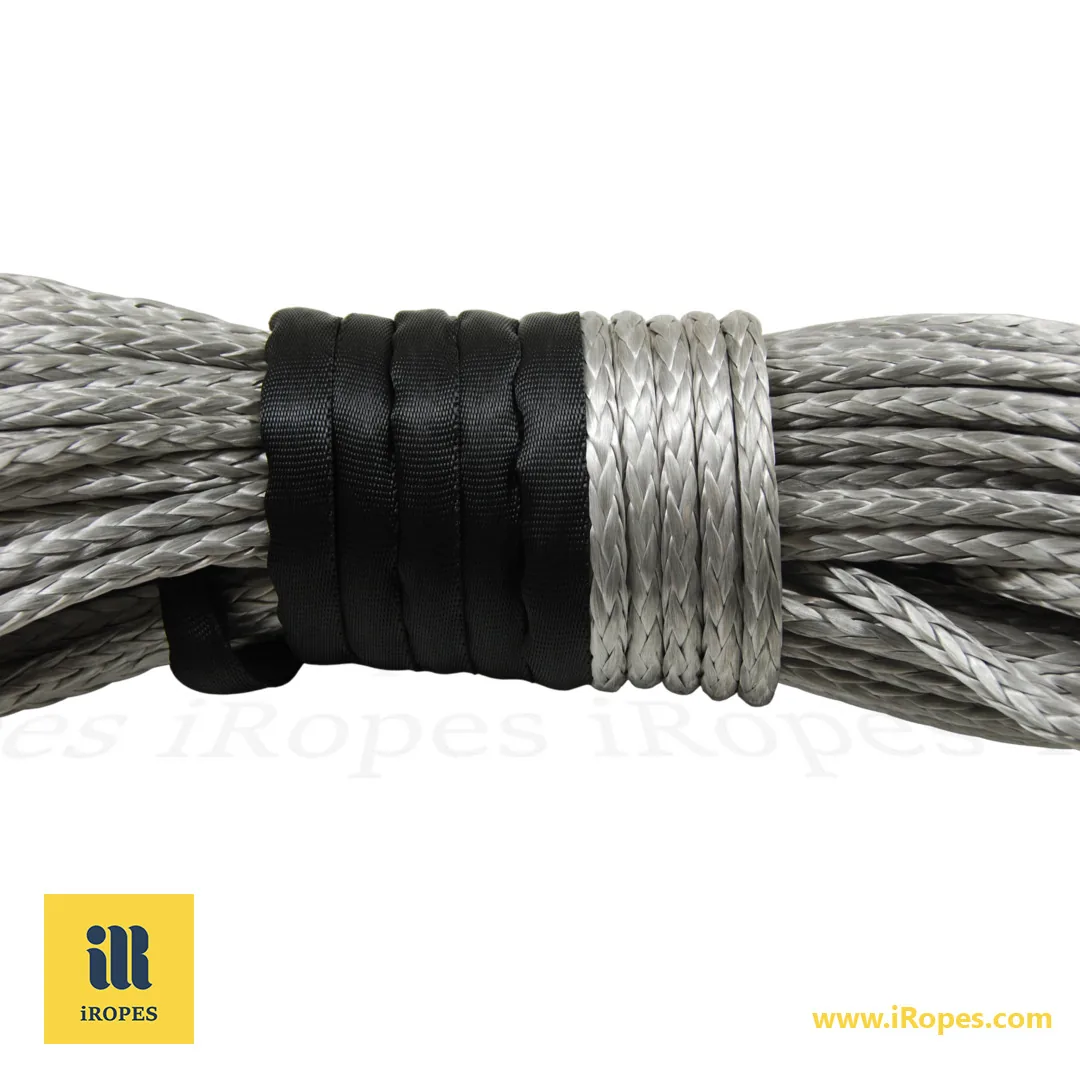
HMPE high modulus ropes deliver 15 times the strength of steel per pound while stretching only 1-2% under extreme marine loads—defying the limits where traditional lines snap or elongate dangerously. iRopes manufactures custom HMPE solutions for global wholesale customers.
Master Extreme Marine Performance in 7 Minutes →
- ✓ Boost load precision by minimising stretch to 1-2%, ensuring exact control in yacht racing and heavy offshore lifts without energy loss.
- ✓ Cut injury risks with energy ropes absorbing up to 30% shock loads, preventing snap-back hazards in salvage and towing operations.
- ✓ Slash maintenance costs through abrasion and UV resistance that extends rope life 3-5 times longer than steel alternatives in salty conditions.
- ✓ Tailor solutions via iRopes OEM for custom diameters and certifications, solving your specific marine challenges with ISO 9001-backed quality.
You've likely relied on steel ropes for their brute force, but what if a synthetic alternative outperformed them? Imagine a rope that's just 1/7th the weight of steel, yet capable of handling over 100,000 pounds breaking strength with an inch-thick line. In brutal marine swells where traditional ropes can lead to disaster, high modulus rope, high tension rope, and energy rope, all crafted from HMPE, are redefining what's possible. These innovative ropes offer unparalleled buoyancy, zero corrosion, and customisation options unattainable with steel. Stay with us to discover how iRopes transforms these advanced specifications into your competitive edge at sea, ensuring safety and efficiency before your next critical operation.
Understanding High Modulus Rope and Its Low-Stretch Properties
As we delve into the world of ropes designed for the toughest marine challenges, it's essential to understand what makes high modulus rope truly exceptional. In environments where precise control is paramount—such as battling high winds or heavy swells—these ropes offer a reliability that traditional options simply cannot match. Consider a yacht race: the lines snap taut under pressure, holding steady without any unnerving stretch. This is the inherent advantage of high modulus rope in action, enabling precise control when every inch matters.
A high modulus rope is primarily crafted from HMPE (High Modulus Polyethylene), also known as UHMWPE (Ultra High Molecular Weight Polyethylene). This material delivers exceptional stiffness and minimal elongation, meaning it resists deforming under load far better than standard synthetics. Its superior performance results from a unique molecular structure: long, straight chains of polyethylene molecules, meticulously aligned through a process called gel spinning. These chains are packed tightly, creating a fibre that is incredibly rigid yet remarkably lightweight. If you've ever wondered, "What is a high modulus rope such as HMPE?", it's precisely this advanced engineering that provides its signature low-stretch performance, ensuring precise handling in dynamic marine situations.

Let's clarify the concept of modulus in ropes. Modulus refers to the material's resistance to stretch—essentially, how much it deforms under stress before returning to its original length. High modulus ropes, like those made from HMPE, boast an exceptionally high modulus value, often exhibiting only 1-2% elongation even under extreme tension. It's important to distinguish this from constructional stretch, which originates from the rope's braiding or twisting and can initially add a small amount of give, up to about 5%. However, over time, this settles, allowing for benefits such as exact load control during critical marine operations. Imagine winching a heavy load onto a vessel in rough seas: without this minimal stretch, sudden jerks could destabilise the entire operation. High modulus rope ensures energy transfers directly and safely, maintaining stability.
Beyond their minimal stretch, these ropes offer other standout traits that make them indispensable for yachting and offshore tasks. Their high impact strength enables them to absorb sudden shocks without fraying, which can be a lifesaver during unexpected collisions or drops. Furthermore, their inherent buoyancy ensures they float effortlessly on water, significantly reducing drag and simplifying retrieval if a line goes overboard. A friend working on offshore rigs once shared how switching to HMPE lines, after repeatedly losing gear to sinking steel cables, halved their setup time. These subtle yet critical qualities build undeniable trust in demanding maritime environments.
- High Impact Strength — Absorbs sudden forces without damage, ideal for dynamic marine loads.
- Buoyancy — Floats on water, easing handling and retrieval in wet environments like yachting recoveries.
- Low Elongation — Ensures precise control, minimising risks and maximising efficiency in heavy offshore work.
Understanding these low-stretch fundamentals reveals why high modulus rope is transforming how we approach demanding loads at sea.
High Tension Rope: Delivering Unrivalled Strength and Load Capabilities
Having grasped the low-stretch fundamentals of high modulus rope, its true power in handling massive forces becomes clear. This brings us to high tension rope, a standout performer when loads are pushed to their absolute limits in marine settings. Built from the same robust HMPE fibres, these ropes excel in scenarios where sheer pulling power is non-negotiable—for example, towing disabled vessels or securing heavy cargo during severe storms.
So, what rope exhibits the highest tensile strength? Hands down, it's high tension ropes made from HMPE, which boast a strength-to-weight ratio up to 15 times greater than steel. This isn't an exaggeration; it's due to those ultra-long molecular chains that distribute force evenly, effectively eliminating weak spots. In practice, this means you can rely on them for critical tasks without the constant worry of failure. A salvage operator once shared how, after too many close calls with traditional lines, switching to HMPE ropes made his team's recoveries faster and significantly less risky.
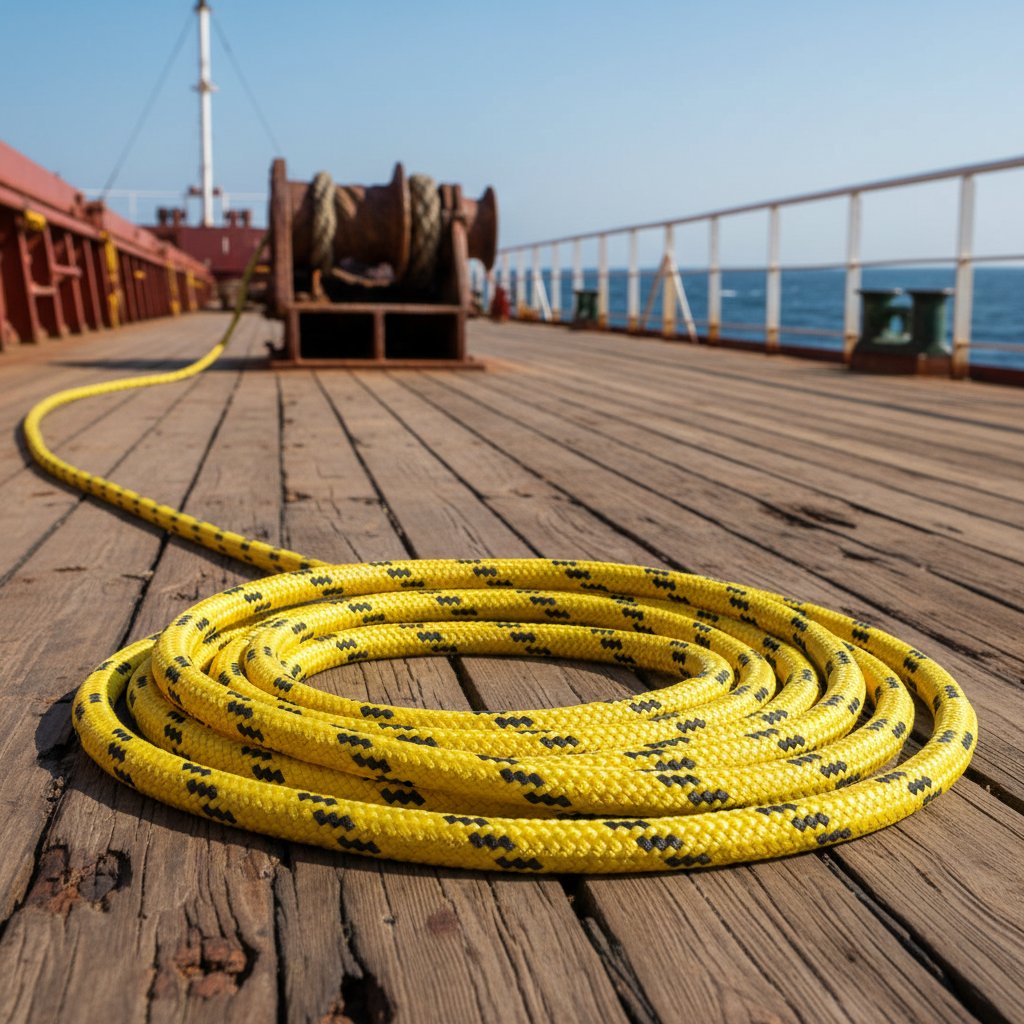
To quantify this strength, consider the breaking capabilities across common diameters used in heavy lift applications. A 1/2-inch high tension rope might achieve a minimum tensile strength of 24,000 pounds, with a safe working load limit (SWLL) around 4,800 pounds—ample capacity for most offshore cranes. Scale up to 1 inch, and you're looking at over 100,000 pounds breaking strength, capable of supporting massive anchors or towing arrays. These figures assume proper splicing and usage, of course, and they explain why crews in commercial fishing and deepwater operations rely on them without hesitation.
When you compare high tension rope against steel wire, the differences are striking. For a deeper look at these advantages, explore our insights on steel cable vs. fiber rope, which highlights how HMPE is approximately one-seventh the weight of steel, transforming a daunting rigging task into a more manageable operation requiring fewer personnel. There's also no rust to contend with, which significantly reduces downtime in corrosive saltwater environments. And safety? Steel can whip back dangerously if it snaps, or develop sharp burrs that cause severe injuries. High tension ropes eliminate these hazards entirely, coiling softly and storing energy without the risk of violent rebound or cuts.
Steel Wire Limitations
Traditional Challenges
Heavy Load
Requires more crew and equipment for handling due to significant weight.
Corrosion Risk
Highly susceptible to rust and degradation in harsh marine exposure.
Sharp Hazards
Burrs and dangerous recoil pose significant injury threats to personnel.
High Tension Advantages
Modern Solutions
Ultra-Lightweight
At 1/7th steel's weight, it allows for significantly easier handling and efficient manoeuvres.
Corrosion-Free
Completely resists saltwater degradation, ensuring long-term integrity and performance.
Safer Use
Eliminates dangerous snap-back, burrs, and cuts, greatly enhancing crew safety.
Durability further seals the deal for long-term deployments in specialised marine operations. These ropes shrug off abrasion from constant rubbing against decks or hulls, stand up to damaging UV rays that would quickly embrittle ordinary synthetics, and remain unaffected by chemical splashes from fuels or cleaners. For towing lines that endure months at sea, this robustness translates into fewer replacements and greater focus on crucial tasks. Ever wonder how salvage teams maintain continuous operations through arduous shifts? It's often due to gear like this, designed to outlast the most demanding conditions.
This kind of reliable pull under pressure sets the stage for even trickier dynamics, particularly when managing sudden shocks in recovery work.
Energy Rope for Kinetic Recovery in Extreme Marine Conditions
That kind of reliable pull under pressure sets the stage for even trickier dynamics, particularly when managing sudden shocks during recovery work. When unforeseen events occur at sea—such as a vessel grounding or equipment tangling unexpectedly—standard ropes can quickly become dangerous, potentially snapping back with enough force to cause severe harm. This is where energy rope proves invaluable. It's a specialised rope precisely engineered for these high-stakes moments, not merely an everyday line. Energy ropes are designed for kinetic energy recovery, meticulously absorbing sudden impacts to make complex operations safer and smoother. For more on how these differ from traditional options, check out our comparison of kinetic recovery tow rope vs traditional tow recovery rope.
So, what exactly is a kinetic energy recovery rope and how does it function? At its core, an energy rope acts like a controlled spring. It absorbs shock loads through a sophisticated combination of material flexibility and a specialised construction that allows for controlled elongation. Unlike rigid high tension options, these ropes typically utilise HMPE fibres in a looser braid or incorporate elastomers, allowing them to stretch up to 20-30% under load. This controlled elasticity then dissipates the energy gradually, preventing the violent rebound—known as snap-back—that can injure crew members or severely damage equipment. Imagine pulling a stuck boat free in choppy waters: the rope yields just enough to absorb the sudden jerk, then pulls steadily, transforming a potential disaster into a routine manoeuvre. It's this masterful energy absorption that earns them their name, making them indispensable for anyone dealing with unpredictable forces at sea.

In marine racing, where split-second decisions often determine victory, energy ropes shine for quick recoveries after capsizes or gear failures. Teams utilise them to haul sails or right hulls without the constant fear of lines whipping wildly, significantly cutting recovery times and keeping races on track. For heavy lift operations, such as hoisting anchors or cargo in significant swells, they prevent snap-back injuries by precisely spreading out the force over time—acting as a buffer that allows the load to settle gently rather than slamming into place. Have you witnessed intense offshore pulls where everything is in motion? Without energy ropes, a single mishap could easily incapacitate an entire crew.
Specialised applications for energy ropes extend to salvage, towing, and mooring, where dissipating energy is not merely helpful but genuinely transformative for safety and efficiency. In salvage operations, recovering sunken wrecks demands ropes that can handle erratic pulls without failing, thereby reducing risks during long, arduous jobs. Towing disabled ships across open water greatly benefits from their ability to absorb tidal surges, which keeps tensions even and prevents dangerous overloads. Even in mooring scenarios, such as securing barges against severe storms, these ropes allow for slight give, preventing constant strain on cleats or deck structures. The result? Operations run longer with fewer interruptions, and everyone involved remains safe.
Snap-Back Risks
Violent snap-back can cause severe injuries to crews and extensive damage to gear during dynamic pulls.
Extended Downtime
Rigid ropes frequently fail under sudden shocks, leading to costly operational halts and delays.
Energy Absorption
Controlled stretch prevents injuries and ensures steady, safer recovery operations.
Faster Efficiency
Dissipates forces quickly and smoothly, significantly speeding up salvage and towing tasks.
iRopes further enhances these energy ropes with thoughtful customisations, such as integrating reflective elements for superior visibility in low-light conditions or challenging waters—a crucial safety feature when working at dawn or dusk. Custom core types allow clients to fine-tune the stretch profile; for instance, a parallel core might be preferred for greater elasticity in racing, while a firmer core suits industrial towing. All options maintain that core HMPE toughness. These choices ensure your rope setup is not only safe but also perfectly matched to the unique demands of the job.
With such tailored features available, it's clear these advanced ropes open doors to even more personalised solutions for forthcoming marine challenges.
Customising High-Performance Ropes for Marine Excellence with iRopes
With such tailored features in play, it’s clear these ropes open doors to even more personalised solutions for marine challenges. At iRopes, we don't merely supply ropes; we meticulously craft them to fit your exact requirements, transforming generic lines into precision tools that truly elevate your operations. Whether you’re rigging a yacht for a transoceanic race or outfitting a commercial fishing fleet for rough waters, customisation ensures every single strand works harder and smarter for you. Dive deeper into our range with this overview of essential marine ropes for yachts and sailboats.
Our comprehensive OEM and ODM services commence with a detailed analysis of your specific needs, encompassing everything from material selection to final assembly. You can specify HMPE for its unbeatable strength, or blend in other synthetics like nylon or polyester for particular flex characteristics. We offer a wide range of diameters—from slim 1/4-inch lines for fine control to robust 2-inch beasts for mega-loads. Lengths are also precisely tailored to your specifications, eliminating waste. Constructions like 12-strand braiding provide a smooth, spliceable finish that maintains integrity under constant tension. This hands-on, collaborative approach enables us to build ropes that perform as a seamless extension of your existing gear.

Can high modulus ropes truly be custom made for specific industrial requirements? Absolutely—they’re designed precisely for such adaptability. We offer endless customisation options, such as vibrant colours for rapid identification on deck, or subtle patterns to align with your brand identity. You can add crucial accessories like thimbles for sharp bends or protective chafe guards to fend off wear from hull friction. For absolute peace of mind, every iRopes order adheres to ISO 9001 certification standards, with options for marine-specific certifications to ensure compliance in regulated waters. I recall assisting a commercial fishing outfit in personalising their lines with glow-in-the-dark tracers; it dramatically reduced search times during night hauls and boosted their efficiency overnight.
These custom ropes prove invaluable across diverse marine sectors. In yachting, we develop low-stretch versions for halyards and sheets that respond instantaneously to wind shifts. Commercial fishing crews benefit from our abrasion-resistant nets and warps that last seasons longer. Deepwater operations rely on our heavy-duty mooring lines for stable platform anchoring in challenging conditions. iRopes protects your unique designs with stringent intellectual property (IP) protection, safeguarding your innovations from concept to shipment. Moreover, our global shipping network efficiently delivers pallets directly to your dock, whether you're located in Europe or the Pacific—ensuring timely and hassle-free fulfilment for wholesale volumes.
Customisation Essentials
From 12-strand builds to colour-matched accessories, iRopes delivers ropes that align perfectly with your marine workflow, ensuring safety and peak performance every time.
To ensure these significant investments continue performing optimally in brutal marine conditions, adhere to straightforward maintenance routines: rinse salt off thoroughly after each use, store coiled ropes away from direct sunlight to prevent UV degradation, and meticulously inspect for any signs of fraying before every outing. Utilise proper terminations—such as expertly applied eye splices or served ends—to lock in maximum strength, avoiding weak points that could prove problematic mid-pull. Adhering to compliance means strictly observing safe working loads, never exceeding 20% of the rope's breaking strength for dynamic applications. This practice significantly extends the rope's lifespan and drastically reduces operational risks. By adopting these habits, your iRopes solutions will reliably outlast the toughest seas, paving the way for smarter, safer, and more efficient ventures on the water.
Exploring high modulus ropes reveals their HMPE foundation, delivering exceptional stiffness with minimal 1-2% elongation for precise control in yachting and offshore tasks, while their buoyancy and high impact strength enhance safety amid rough seas. High tension ropes amplify this with tensile strengths up to 15 times that of steel, offering lightweight and corrosion-resistant solutions for heavy lift and towing, clearly surpassing traditional steel in durability against abrasion, UV, and chemicals. Furthermore, energy ropes adeptly tackle kinetic challenges, absorbing shock loads through controlled stretch to prevent dangerous snap-back in racing recoveries, salvage, and mooring, ensuring efficient, injury-free operations in extreme marine conditions.
iRopes' extensive OEM and ODM expertise allows for tailoring these advanced solutions—from 12-strand constructions and custom accessories to ISO 9001-certified compliance and seamless global shipping. This empowers our wholesale partners to conquer marine limits with branded, highly reliable gear. For those ready to apply these insights to your specific operational needs, personalised advice from our specialists can further optimise your performance.
Tailor Your High-Performance Marine Ropes with iRopes
If you're seeking custom high modulus, high tension, or energy rope solutions for your marine applications, the inquiry form above connects you directly with iRopes' specialists for expert guidance and competitive quotes.