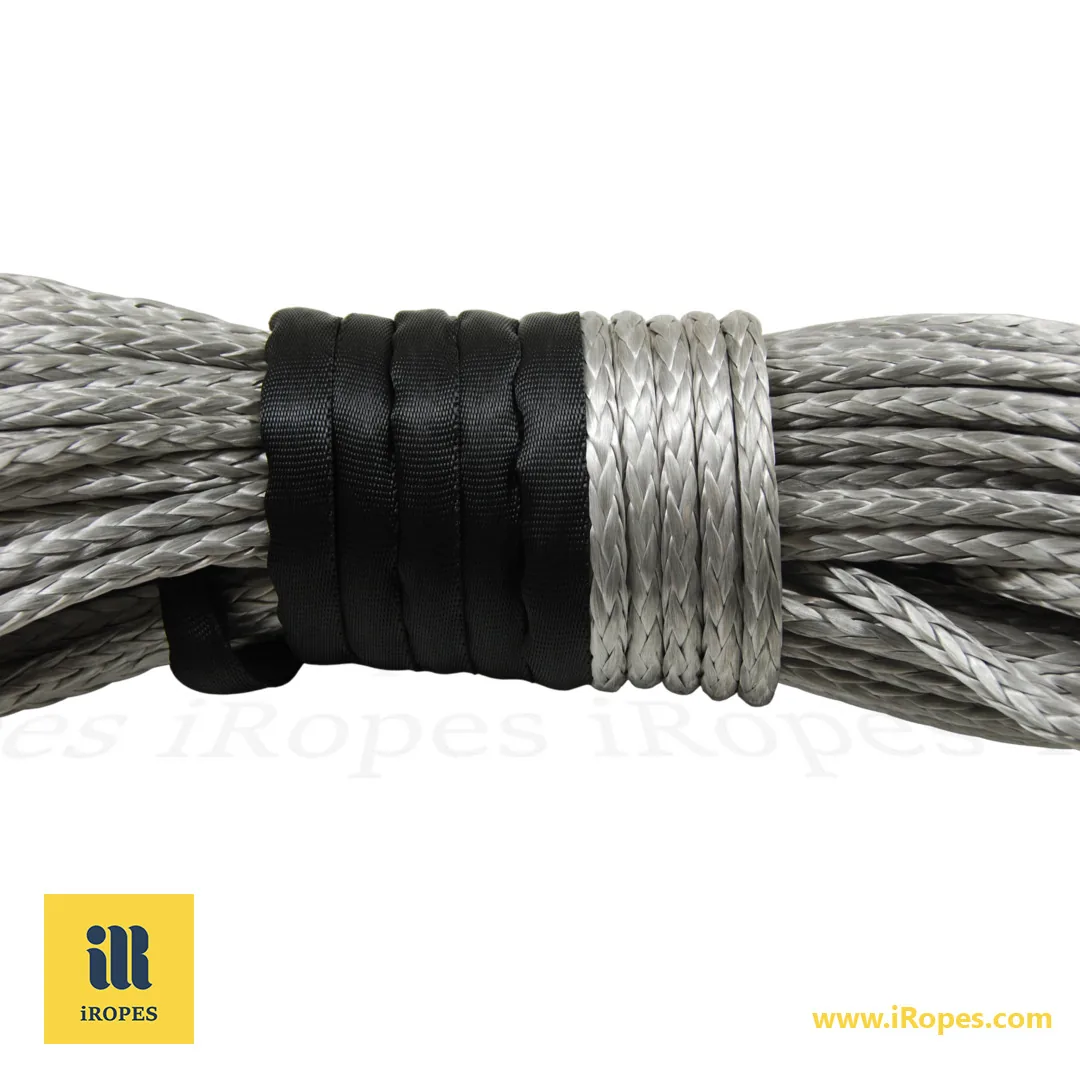
Ancient sailing cordage powered epic voyages with hemp fibres enduring 8-ton loads on galleons. This legacy evolved into Dyneema synthetics, which reduce stretch by 95%, potentially shaving crucial seconds off modern race finishes. ⚡
In just 7 minutes, unlock the evolution that equips you to select ropes boosting performance by up to 20%
- ✓ Grasp how historical hemp and manila inform today's low-stretch halyards, cutting sail flutter for 15% faster tacks in regattas.
- ✓ Master modern materials like Dyneema versus Polyester, enabling precise choices that enhance grip and UV resistance for offshore endurance.
- ✓ Discover custom iRopes solutions for racing yachts, delivering ISO-certified lines that safeguard IP while trimming weight aloft by 30%.
- ✓ Learn maintenance rituals extending rope life 2x, preventing failures that could cost you podium spots.
You might assume cutting-edge synthetics have severed ties with ancient cordage. Yet, evidence reveals those twisted fibres—resisting rot through brutal voyages—directly inspire today's zero-stretch innovations that propel yachts past rivals. What hidden legacy could transform your next regatta, merging 500-year-old resilience with precision engineering? Dive in to uncover how this fusion delivers the edge separating leaders from the fleet.
Sailing Cordage: From Ancient Origins to Enduring Legacy
Imagine standing on the deck of a wooden vessel, the wind whipping through sails held taut by handmade lines that have braved storms across oceans. That's the world ancient sailors knew, where sailing cordage wasn't just gear—it was the difference between reaching shore or vanishing into the waves. But what exactly is cordage? In nautical terms, cordage refers to the general term for ropes or lines made from twisted or braided fibres, specifically designed for maritime use. It's broader than "rope," which typically means a thicker, uncut length of material, or "line," the common onboard name for any rope put to a specific task, like hoisting a sail. This distinction matters because on a ship, calling something the wrong name could lead to confusion in a crisis. Historically, sailing cordage played a pivotal role in navigation, enabling everything from rigging masts to securing cargo during long voyages. Without it, the Age of Exploration might have stalled before it began.
Back then, sailors relied on natural fibres sourced from plants, each with unique traits that suited the rigours of the sea. Hemp, for instance, was a go-to for its exceptional strength and resistance to rot, making it ideal for heavy-duty applications. Manila, derived from abaca plants in the Philippines, offered flexibility and buoyancy, perfect for lines that needed to handle sudden jerks from waves. Over time, these materials evolved as trade routes expanded, but they set the stage for today's synthetics. Think about it: what if your gear couldn't withstand saltwater's bite? Early cordage had to, or voyages ended abruptly.
- Hemp rope: Known for high tensile strength and durability in wet conditions, used mainly for mooring and anchoring in early ships.
- Manila rope: Flexible and lightweight with good shock absorption, ideal for halyards and sheets on sailing vessels.
- Sisal rope: Affordable and stiff, applied in lighter rigging tasks like lashing cargo, though less rot-resistant.
- Cotton rope: Soft and easy to handle, suited for temporary lines or flag halyards where grip mattered more than brute force.
- Flax (linen) rope: Smooth and strong for its weight, often chosen for running rigging in fine sailing ships.
- Coir rope: Highly resistant to abrasion and saltwater, used for towing or heavy deck work in tropical waters.
These traditional types highlight how ancient makers balanced properties like stretch and grip to meet real-world demands. Hemp's toughness, for example, allowed it to endure the constant friction of pulleys, much like modern lines do today but without the laboratory advancements.

Ancient sailing cordage truly laid the groundwork for durability and strength in early ship rigging. These fibres had to support massive loads—think of the mainmast on a galleon, where a single failure could doom the crew. Sailors tested them through trial and error, coiling reserves and splicing breaks mid-ocean. That resilience directly influenced rigging designs, ensuring masts stayed upright and sails caught the wind efficiently. Even now, when you see a classic yacht slicing through water, you're witnessing echoes of those innovations. While ancient techniques provided the blueprint, advancements in materials have revolutionised sailing ship ropes for contemporary challenges.
Sailing Ship Ropes: Bridging Historical Craftsmanship with Modern Adaptations
Those advancements in materials didn't erase the past—they built upon it, especially when it comes to sailing ship ropes that keep tall ships and classic yachts alive today. Picture a clipper ship slicing through Atlantic swells, its deck alive with the creak of wooden blocks and the snap of canvas. In those historical contexts, every line served a precise purpose, turning raw wind into forward motion. On board, what we casually call ropes are known as lines, a term that underscores their active role in the vessel's operation. Halyards, for example, hoist sails up the mast, while sheets control the angle of those sails to catch the breeze just right. Then there are guys and vangs that steady booms, downhauls that lower sails swiftly, and painters for securing small boats alongside. This terminology isn't just tradition; it ensures clear communication when seconds count, like trimming sails during a sudden squall.
Restoring these classics means honouring that heritage while adapting to modern needs. Take a project like refurbishing a 19th-century schooner—teams often start with natural fibres to match the original look and feel, but they blend in synthetics where safety demands it. The shift from materials like hemp to options such as polyester began in the mid-20th century, driven by the need for ropes that resist rot without constant tarred maintenance. In restoration, this hybrid approach preserves authenticity: a vintage yacht might keep manila-look sheets for visual appeal but upgrade halyards to low-stretch synthetics to prevent sail flutter under load. It's a delicate balance, where experts splice old and new to avoid weak points that could fail during a regatta.
- Chain mooring lines: Heavy-duty metal links used in ancient harbours for secure, long-term anchoring against tidal forces.
- Wire mooring lines: Thin, strong steel cables for precise docking on warships, offering minimal stretch but requiring careful handling to avoid snaps.
- Synthetic fibre mooring ropes: Early versions from natural fibres like coir, later nylon, provided elasticity to absorb dock impacts on merchant vessels.
Historically, these three main types of mooring ropes were essential for docking and anchoring ancient vessels, with synthetics emerging to handle the wear of busy ports. In restoration today, traditional designs guide choices, ensuring lines not only look period-accurate but also incorporate UV-resistant coatings for longevity. This way, a classic yacht can compete safely in modern events, where a frayed line might spell disaster. Safety improves through subtle upgrades, like adding protective sleeves, without compromising the craft's soul.
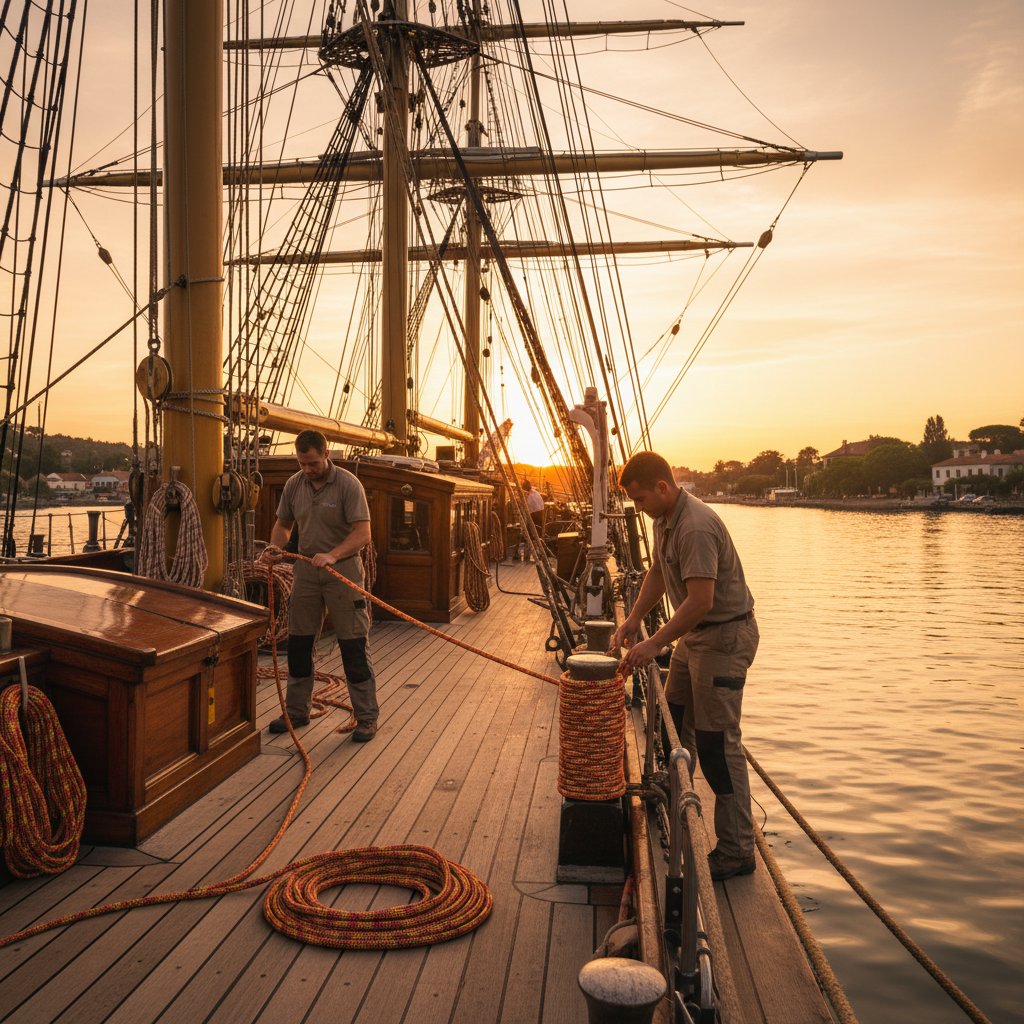
By drawing on these traditional sailing ship ropes, restorers create vessels that perform reliably in today's waters, setting the stage for even more advanced integrations in high-performance scenarios.
Sailing Ropes: Innovations in Materials and Constructions for Performance
Building on the historical craftsmanship that bridges old-world sailing ship ropes with today's restorations, modern sailing ropes push boundaries through smart material choices and clever builds tailored for speed and reliability. These advancements mean racers can trim sails with precision or secure anchors without worry, turning potential mishaps into seamless runs. Let's dive into the synthetics that dominate the scene now.
Dyneema stands out for its incredible strength-to-weight ratio—up to 15 times stronger than steel at the same heft—making it a favourite for lines where every gram counts, like spinnaker halyards in offshore races. It boasts minimal stretch, excellent UV resistance, and low abrasion, so it holds up under the sun and chafe without degrading quickly. Polyester, often called Dacron in sailing circles, offers a solid all-rounder profile with good strength, moderate stretch to absorb gusts, and superior UV durability, though it absorbs some water and weighs more than Dyneema. Nylon, meanwhile, excels in shock absorption with up to 30% elongation under load, ideal for dynamic forces, but it loses strength when wet and can creep over time. When comparing Dacron versus Polyester rope for sailing, they're essentially the same material, with Dacron being the branded polyester staple fibre version that's been a go-to for sails and sheets since the 1950s—reliable for cruising but less cutting-edge than Dyneema for elite racing.
Key Materials
Strength and Durability
Dyneema
Ultra-low stretch for precise control; resists UV for up to 2 years in direct sun.
Polyester
Balanced grip and flexibility; handles abrasion well in sheets and stays.
Nylon
High elasticity for shock loads; sinks in water, making it suitable for dock lines.
Rope Builds
Handling and Longevity
Double Braid
Core and cover combo for smooth winching; durable in high-wind races.
Single Braid
Light and splice-friendly; excels in lightweight halyards for speed boats.
3-Strand
Twisted for easy inspection; tough against wear in anchoring setups.
These constructions directly shape how sailing ropes perform under pressure. A double braid, with its inner core and outer jacket, provides a snug fit in clutches and blocks, reducing slippage during tacks—vital for racing yachts where low-stretch halyards keep sails taut without fluttering. Single braids, often in Dyneema, slip easily for quick adjustments but demand careful splicing to maintain strength. The classic 3-strand twist offers affordability and straightforward repairs, shining in coastal cruising where elastic mooring lines, like nylon versions, stretch to cushion against waves without snapping. For deeper insights into these braided constructions, explore mastering double braid yacht rope to enhance your sailing performance.
Different sailing styles call for targeted picks. For dinghies in club races, opt for lightweight polyester single braids that handle frequent handling without bulk. Offshore racers thrive on Dyneema double braids for their zero-stretch profile, ensuring every puff translates to hull speed. To choose halyard rope, factor in your boat's mast height and sail weight—aim for a breaking strength at least four times the load, prioritising low elongation to avoid halyard creep that sags sails. The best rope for an anchor line? Nylon 3-strand for its give against tidal pulls, paired with a diameter matching your anchor's heft, say 12-16mm for mid-sized yachts, to prevent overload in rough anchorages.
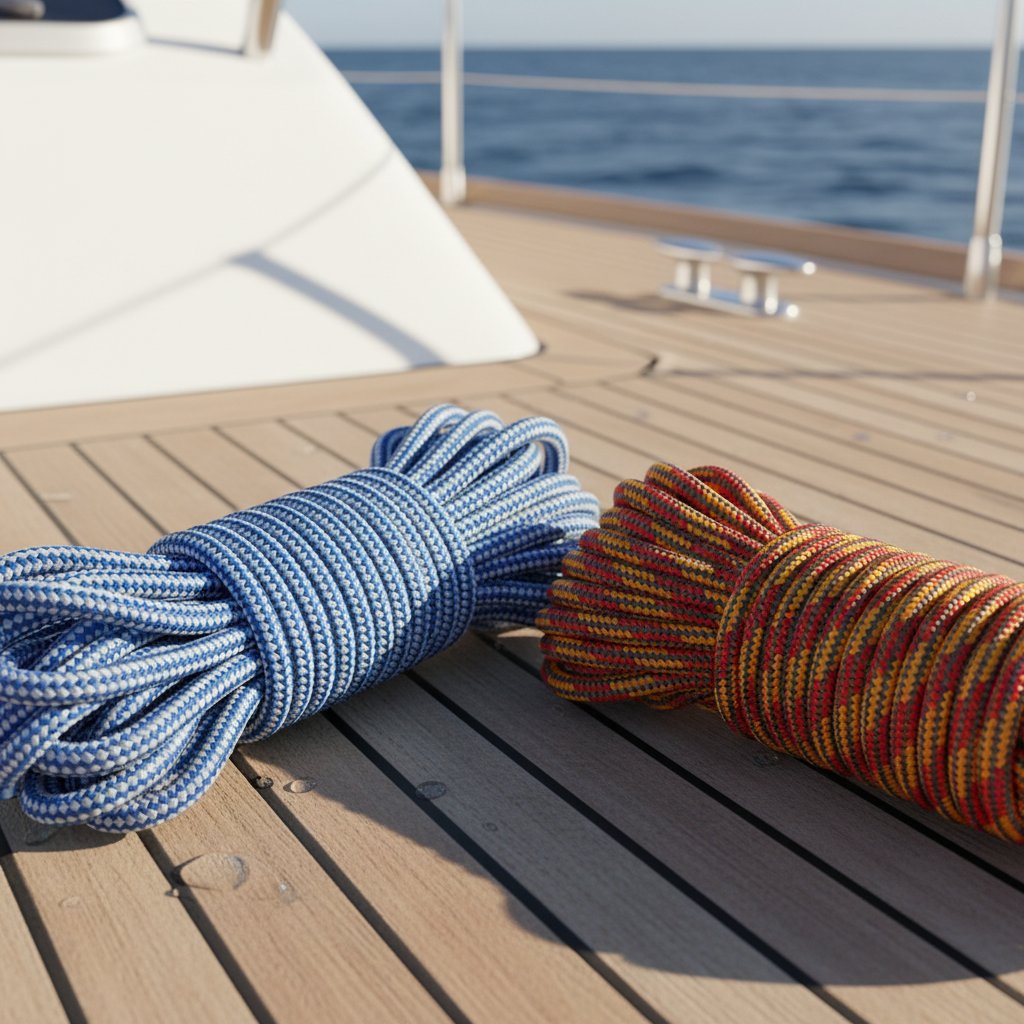
Matching these elements to your setup not only boosts efficiency but opens doors to fine-tuning for peak performance in any regatta.
Customising Sailing Ropes to Revolutionise Modern Races
Matching the right innovations in sailing ropes to your vessel's needs sets the foundation, but truly elevating performance comes from tailoring them precisely to the demands of competitive sailing. At iRopes, our OEM and ODM services turn standard lines into game-changers, crafted specifically for the high-stakes world of regattas and offshore challenges. Whether you're outfitting a sleek racer or a heritage yacht, customisation starts with collaborating on every detail to ensure your gear aligns perfectly with race conditions. Learn more about our customization options to create ropes suited to your unique sailing requirements.
Our process begins by selecting the ideal material—Dyneema for its featherlight punch or polyester for reliable all-around hold—then fine-tuning diameter for optimal handling, from slim 6mm for control lines to beefier 14mm for main halyards. Colour choices go beyond aesthetics; high-visibility options help crews spot lines in rough seas, while patterns can match your team's branding. Accessories like thimbles reinforce eyes against chafe, or spliced loops speed up rigging swaps during frantic starts. These tailored sailing ropes aren't off-the-shelf; they're engineered responses to your exact specs, drawing on our skilled craftsmen to blend tradition with tech.
Race Challenges
Lightweight Dyneema cuts drag in modern regattas, boosting speed by reducing windage on spinnaker sheets.
Classic Demands
Robust polyester mimics historical feel for classic yacht races, maintaining authenticity without sacrificing modern snap resistance.
Quality Edge
ISO 9001 certification guarantees precision, while IP protection keeps your designs secure for exclusive use.
Global Reach
Direct pallet shipping worldwide ensures wholesale partners get timely deliveries, sharpening their competitive advantage in international events.
These custom solutions directly tackle race-specific hurdles. In fast-paced modern regattas, a lightweight Dyneema halyard minimises weight aloft, letting your yacht surge ahead on every tack without the drag of heavier alternatives. For classic yacht races, where heritage rules demand a nod to the past, we craft robust options that echo sailing ship ropes' durability but with enhanced low-stretch properties to handle gusts reliably. The result? Gear that not only meets but exceeds expectations, giving teams that edge in tight finishes. For specific advantages in polyester options, check out the top benefits of polyester braid rope for sailing.
For wholesale partners, the perks extend far: our ISO 9001-backed quality means every batch undergoes rigorous testing, IP safeguards protect innovative designs from copycats, and efficient global shipping keeps inventories stocked without delays. This setup empowers businesses to deliver standout products that elevate client success on the water.
To keep these investments performing through gruelling seasons, regular care is essential. Start with visual inspections for frays or glazing after each outing—run your fingers along the length to feel for weak spots. Rinse with fresh water post-sail to flush salt, and store coiled loosely in a dry, shaded spot to fend off UV damage. For heavier use, consider protective covers on high-wear areas. Simple habits like these extend life, ensuring your customised lines stay race-ready when it counts.

Embracing such personalised approaches not only honours the enduring legacy of sailing cordage but propels it forward, much like the epic voyages of old now fuel today's triumphs across global waters.
From the resilient hemp and manila of ancient sailing cordage that powered epic voyages, to the lightweight Dyneema and durable polyester in today's sailing ropes, the evolution underscores a legacy of innovation enhancing modern races and classic restorations. Historical sailing ship ropes laid the groundwork for precise rigging like halyards and sheets, now adapted with low-stretch constructions for high-performance disciplines—from offshore regattas demanding minimal drag to coastal cruising needing elastic mooring lines. Selection guides emphasise matching materials and builds to vessel types and conditions, ensuring safety and speed while honouring tradition.
Customising these elements through iRopes' OEM/ODM expertise tailors solutions for your specific challenges, boosting competitive edges with ISO-certified quality and global delivery. Regular maintenance, like post-sail rinses, sustains their longevity, transforming insights into actionable triumphs on the water.
Discover Tailored Sailing Solutions with iRopes
For personalised advice on selecting or customising ropes for your sailing needs, complete the inquiry form above to chat with our specialists—they're ready to help elevate your performance.