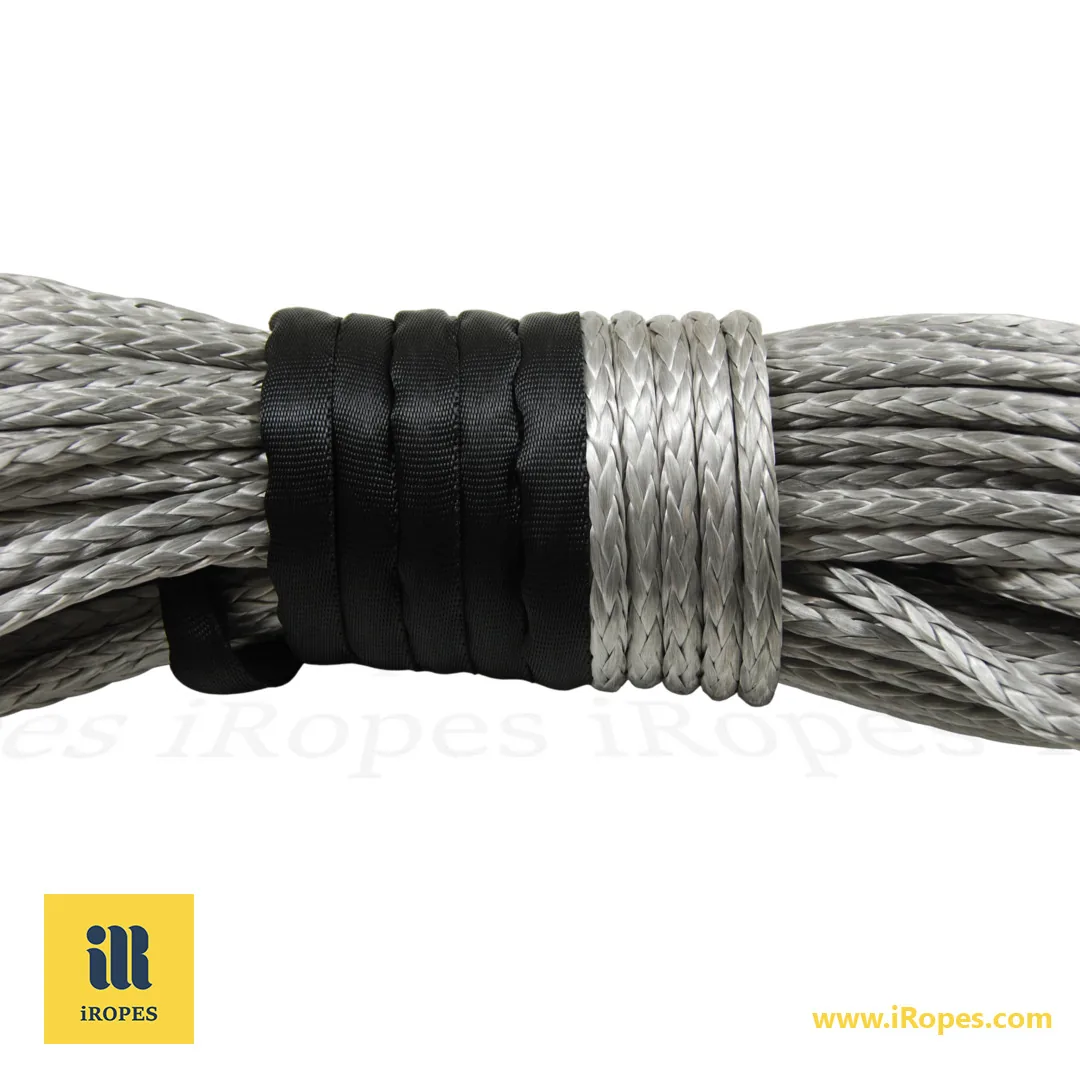
Transform your yacht handling with low stretch polyester rope that elongates just
Unlock These 4 Key Benefits in ~8 Minutes
- ✓ Gain razor-sharp sail precision with minimal elongation, reducing shock loads by 70% for safer, responsive manoeuvres in dynamic seas.
- ✓ Extend rope durability through superior UV and abrasion resistance, cutting replacement costs by 40% over nylon alternatives.
- ✓ Master easy handling via double braid construction—torque-free and spliceable in under 5 minutes for seamless yacht rigging.
- ✓ Tailor solutions with iRopes' OEM customisation, from 1/4" diameters to reflective elements, matching your vessel's exact needs.
You've likely relied on nylon's forgiving stretch for shock absorption in yachting. However, what if that elasticity secretly sabotages your control during critical tacks? Low stretch polyester rope upends this norm, offering taut responsiveness that maintains sail shape and minimises risks—backed by iRopes' precision manufacturing. Discover how this shift, with our custom double braid options, unlocks effortless command on even the roughest waters, transforming every voyage into a masterclass in performance.
Understanding Polyester Lines for Marine and Yachting Applications
Imagine being out on the waver, the wind picking up as you adjust your sails for a perfect tack. The right lines make all the difference in those moments. That's where polyester steps in as a reliable partner. Building on the dynamic challenges of yacht handling, let's dive into what makes polyester such a standout choice for marine environments. This material isn't just another option; it's engineered for the relentless demands of the sea.
Polyester ropes, often called polyester lines in sailing circles, boast an impressive strength profile. Their high tenacity means they can handle heavy loads without issue, keeping everything secure even under strain. Constant sun exposure can degrade many materials, but polyester holds its ground, maintaining performance season after season thanks to superior UV resistance. Furthermore, with low water absorption, these ropes don't become heavy or soggy when drenched in saltwater. This keeps your handling light and responsive, crucial for effective yacht management.
- Abrasion resistance: These lines stand up to rubbing against docks, winches, or rough hardware, reducing wear that could lead to unexpected failures during a voyage.
- Chemical resistance: Spills from fuels or cleaners are no match; polyester shrugs them off, protecting the rope in busy boatyards or during maintenance.
- Rot and mildew immunity: In humid, salty conditions where other fibres might degrade, polyester stays fresh and strong, avoiding that musty smell or brittle texture.
These qualities make polyester ideal for the harsh marine world, where exposure to the elements tests every piece of gear. But how does it stack up against something like nylon, a common alternative? That's a question often asked by sailors considering their next upgrade. Nylon offers more elasticity, stretching up to 10-15% under load. This absorbs shocks from waves or sudden gusts, making it great for anchor lines where some give prevents snaps. Polyester, however, stretches less than 3% at working loads, providing precise control for tasks like trimming sails.
Hence, if you're racing or require tight responsiveness in sheets and halyards, polyester's low stretch wins out. While nylon might flex more for docking in choppy waters, polyester's stability shines in performance scenarios, balancing strength without the bounce. When considering your own setup, does precision matter more than shock absorption for your typical outings? Polyester lines deliver that edge, setting the stage for even greater advantages when we factor in their minimal elongation under pressure.
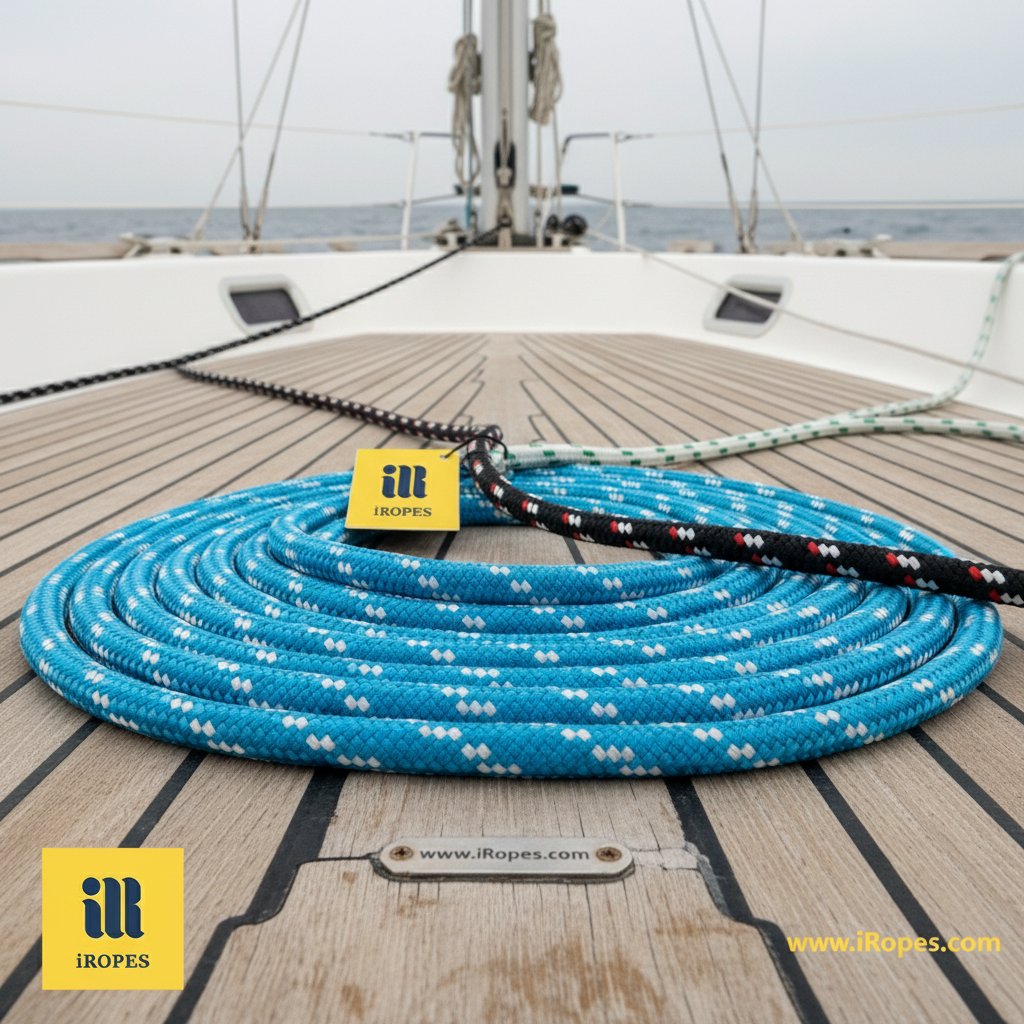
The Critical Benefits of Low Stretch Polyester Rope in Yacht Handling
Building on that precision edge from polyester lines, the real magic happens when you maximise their low stretch properties—it's like giving your yacht a tighter rein on the waves. Low stretch polyester rope means the line barely gives way, elongating just a fraction under tension, often less than 3% at typical working loads. This isn't some vague tech spec; it's the difference between a sail that flutters unpredictably and one that holds its shape like a professional. Picture this: you're heeling hard in a fresh breeze, and instead of the rope yielding and letting the sail bag out, it stays taut, letting you respond to every shift in the wind without second-guessing.
So, why opt for low stretch polyester rope specifically for sailing? It boils down to sharper control that keeps your boat handling predictably, whether you're racing around buoys or just cruising the coast. I once observed a skipper upgrade his sheets to these lines, and the change was remarkable—smoother tacks, with no more fighting elastic rebound. Enhanced sail shape maintenance is key here; the minimal give ensures your mainsail or genoa stays powered up without distortion. Then there's reduced shock loading: when a gust hits or waves slam the hull, the rope absorbs less, spreading force evenly to avoid sudden jerks that could strain rigging or even the boat's structure. Safety also ramps up, as this stability cuts down on surprises that lead to mishaps on deck. Have you ever felt that uneasy stretch in older lines during a squall? Switching to low stretch versions quiets those worries, keeping the crew focused on the sail ahead.
Performance Perks
Boost Your On-Water Control
Sail Precision
Maintains optimal sail trim for faster, more efficient runs across the water.
Shock Reduction
Minimises sudden loads from waves, protecting gear and easing crew stress.
Safer Operations
Less elongation means fewer risks, letting you sail with confidence in rough conditions.
Durability Edge
Longer Life in Harsh Seas
UV Toughness
Resists sun degradation, keeping strength intact through endless sunny passages.
Saltwater Resilience
Handles constant immersion without swelling or weakening, ideal for coastal setups.
Abrasion Protection
Wears slower against hardware, stretching your rope's service years for cost savings.
Beyond the immediate thrills, these ropes significantly extend their lifespan in saltwater and sun. Expect years of reliable use where cheaper options might fray after a single season. That durability isn't just about toughness; it's about practical savings on replacements when provisioning for long voyages. And where does this shine brightest? In spots demanding quick responses, like halyards that hoist sails crisply without sag, sheets that adjust instantly for wind changes, or control lines that fine-tune your course mid-manoeuvre. For mooring, that low give keeps your yacht steady against tidal pulls, avoiding the creep that could loosen cleats overnight. If your outings involve tight manoeuvres or overnight anchors, these applications highlight why minimal stretch isn't optional—it's essential for that seamless, responsive feel on the water. As we move to how double braid construction builds on this foundation, you'll see even more ways these lines adapt to your needs.
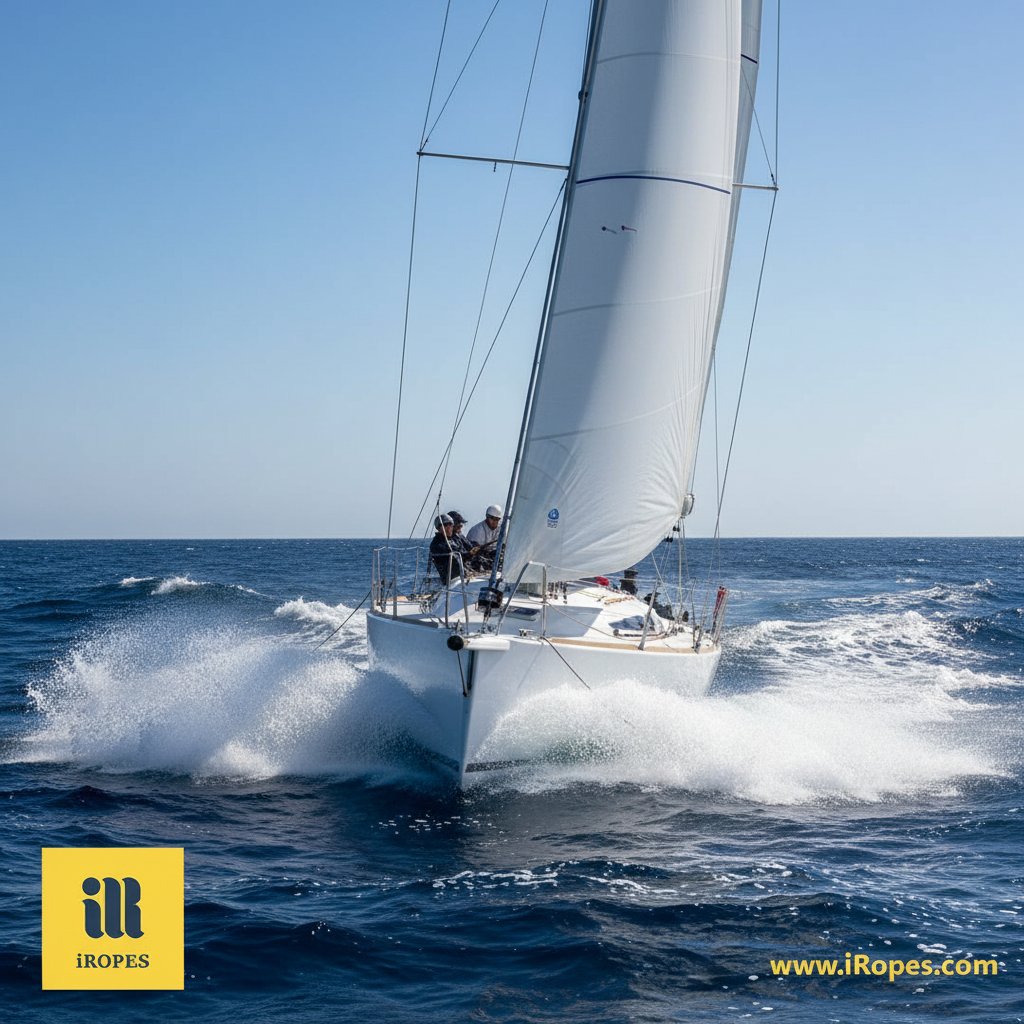
Exploring Double Braid Polyester Yacht Rope Construction and Handling
That foundation of low stretch we just unpacked finds its perfect expression in double braid construction, turning good ropes into exceptional ones for the yacht deck. Double braid polyester yacht rope features a braided core wrapped snugly in a braided jacket—think of it as a strong inner spine protected by a flexible outer layer that works in harmony. This setup delivers torque-free performance, meaning the rope won't twist under load like some twisted varieties might. It also resists kinks that could snag your rigging during a busy sail. No more frustrating hockles popping up when you're trying to focus on the helm; instead, you get smooth, reliable action every time.
What truly sets this apart in daily use is how it feels in your hands. The soft texture glides easily through winches and blocks without biting into your palms, making long days on the water far less strenuous. Splicing becomes straightforward too—experienced riggers often say it's like tying a secure knot that lasts, creating eye splices for attaching hardware with minimal tools and fuss. And the grip? It's firm yet forgiving. So, when you're cleating a sheet in a puff, it holds without slipping, giving you confident control during manoeuvres. I recall helping a friend rerig his sloop; swapping to double braid made the whole setup feel alive and responsive.
Torque Balance
Eliminates rotation under tension, keeping lines straight and operations fluid on deck.
Secure Grip
Provides reliable hold in wet conditions, reducing slippage during critical adjustments.
Simple Splicing
Allows quick custom ends like eyes, saving time in the yard or at sea.
Soft Touch
Comfortable handling that wears less on gloves and skin over extended use.
At its core, this design offers a high strength-to-weight ratio. This means you get robust holding power without adding unnecessary heft to your yacht's lines—ideal when every kilogramme counts in racing trim. Versatility shines through customisable diameters from 1/4 inch up to 1 inch or more, lengths tailored to your vessel's span, and add-ons like thimbles for reinforced eyes that prevent chafe at anchor points. Whether you're outfitting a 30-footer or a larger cruiser, these options allow you to match the rope precisely to your setup.
So, what are polyester lines used for in yachting? They excel in roles demanding that blend of strength and low give. This includes dock lines that keep your boat snug against the pier without creeping under tidal strain, or mooring lines that secure overnight stops firmly against swells. These aren't just backups; they're the workhorses for safe, steady positioning when you're off the boat, ensuring everything stays put until you're back aboard.
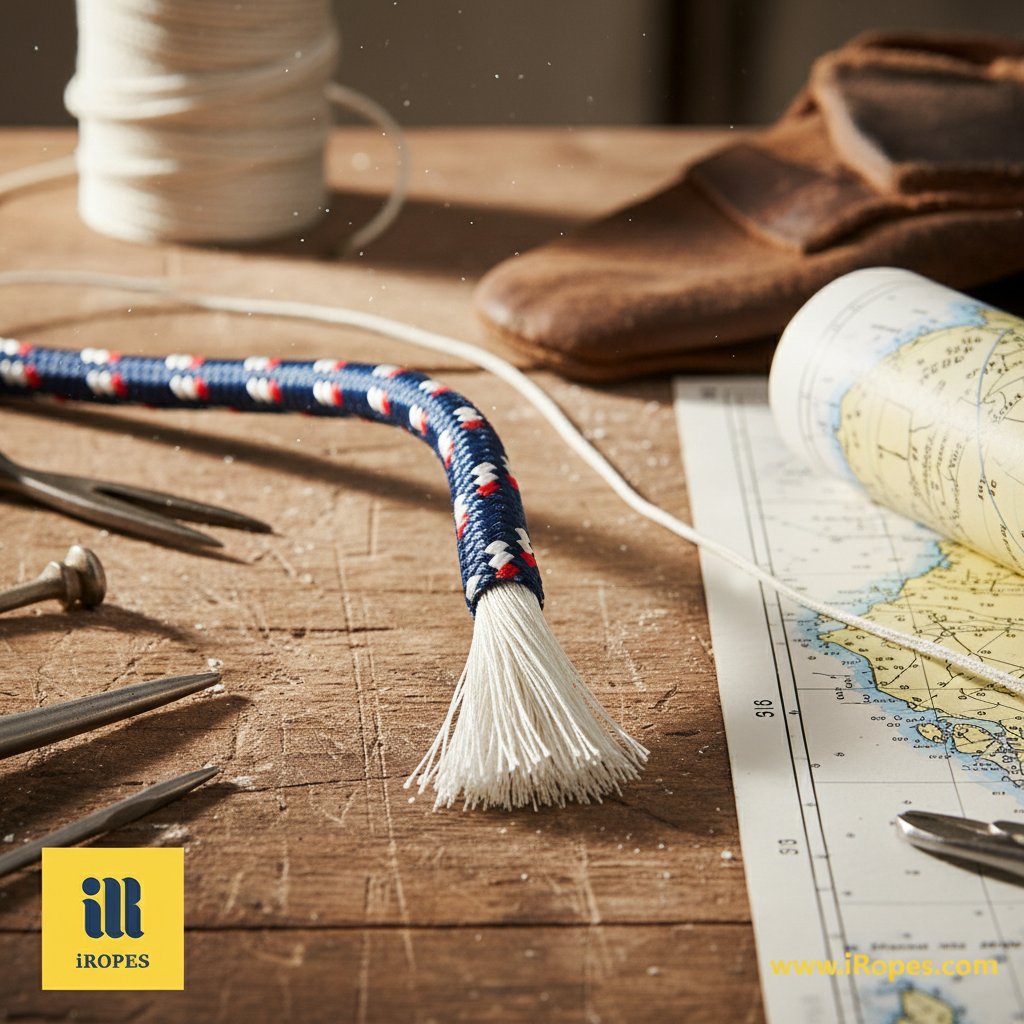
Understanding these elements opens the door to how they fit into broader applications, from halyards to anchors, with room for personalisation that matches your exact sailing style.
Applications, Specifications, and Customisation of Low Stretch Polyester Solutions
With those personalisation touches in mind from double braid designs, it's time to explore these ropes in action across your yacht's setup. Their low stretch truly shifts how you manage everything from sails to secure stops. Imagine threading them through your rigging; suddenly, every pull feels direct and assured, cutting out the guesswork in choppy conditions. These solutions slot right into critical spots, transforming routine tasks into efficient, reliable operations that keep your focus on the horizon rather than fighting the gear.
Take halyards first—they hoist your sails with crisp efficiency, holding position without that frustrating sag that throws off your trim mid-race or cruise. Sheets benefit too, allowing quick adjustments to catch the wind just right, while control lines like reefing or outhauls respond instantly to fine-tune your boat's balance. For docking, dock lines grip the cleats firmly against surges, preventing the subtle drift that nylon might allow. Even anchor lines shine here, maintaining chain tension steadily in varying depths, so your vessel rides the swell without jerking awake the crew at dawn. In each case, that under 3% elongation at load ensures your commands translate precisely to the boat, making handling feel intuitive rather than a battle.
- 3/8 inch diameter: Breaking strength often around 2,450 kg (5,400 lbs), with a safe working load (SWL) typically up to 490 kg (1,080 lbs). Suited for smaller yachts up to 9 metres (30 feet).
- 1/2 inch diameter: Breaking strength generally around 4,080 kg (9,000 lbs), SWL up to 815 kg (1,800 lbs). Ideal for mid-size vessels handling moderate winds.
- 5/8 inch diameter: Breaking strength nearing 6,350 kg (14,000 lbs), SWL at 1,270 kg (2,800 lbs). Perfect for larger cruisers facing heavier loads.
These figures come from standard testing, where breaking strength marks the maximum before failure. Safe working load typically sits at about 20% of that for dynamic marine use—always factor in your boat's specifics to stay safe. Diameters scale from 1/4 inch for lighter tasks up to 1 inch for serious offshore work, matching vessels from dinghies to superyachts without excessive bulk. iRopes provides comprehensive OEM and ODM services, catering to wholesale customers requiring customised rope solutions for their specific needs.
At iRopes, we excel in offering comprehensive OEM and ODM services. This lets you custom-configure elements like colours to match your deck's aesthetic or add patterns for easy identification amidst a busy sail. Do you want reflective strips for night visibility or glow elements for low-light docking? We incorporate them seamlessly. Certifications for marine standards ensure compliance, and branded packaging—such as custom logos on spools or boxes—reinforces your identity when reselling. It's all crafted in our ISO 9001 certified facilities, protecting your designs with full IP safeguards while hitting competitive prices and ensuring on-time shipments worldwide.

To keep them performing, rinse off salt and dirt with fresh water after each outing—avoid harsh chemicals that could dull the fibres. Coil them loosely for storage in a dry, shaded spot to prevent creases, and inspect regularly for frays or stiff spots, especially at splices. A quick once-over before heading out spots issues early, extending their life well beyond a couple of seasons. This kind of care, coupled with our precision manufacturing, delivers lasting value, underscoring why partnering with specialists like us elevates your entire operation.
Embracing low stretch polyester rope revolutionises yacht handling, offering unmatched precision in sailing and mooring where minimal elongation—under 3% at load—ensures sails hold shape, shocks are minimised, and safety is enhanced. Polyester lines deliver superior durability with UV and abrasion resistance, outlasting alternatives in harsh marine conditions. While double braid polyester yacht rope provides torque-free performance, soft handling, and easy splicing for seamless operations on halyards, sheets, control lines, dock lines, and anchors. At iRopes, our OEM/ODM customisation tailors these solutions to your vessel's needs, blending strength with personalised colours, accessories, and certifications for optimal performance.
Discover Tailored Low Stretch Solutions for Your Yacht
For those seeking expert guidance on integrating low stretch polyester rope into your setup, complete the inquiry form above to discuss custom options with iRopes specialists—we're here to elevate your yachting experience. iRopes is your trusted wholesale partner, offering competitive pricing, timely delivery, and IP protection for all your customised rope manufacturing needs.