Splicing keeps ~90% of rope strength while a knot drops it 20‑45%; a custom mooring tail shaves shock loads by up to 28%.
Read in 2 min → Key gains
- ✓ Retain ≈ 90% breaking load versus ~55% with a knot.
- ✓ Cut peak shock by 25‑28% using a tailored mooring tail.
- ✓ ISO‑9001‑certified OEM/ODM ropes save up to 15% on replacement cycles.
- ✓ Follow the step‑by‑step splice guide to slash set‑up time ~40%.
You’ve probably tied a knot whenever you needed a loop, trusting it to hold. But have you ever considered that a simple knot can shed half of your rope’s strength? What if there was an alternative, a splice, that could preserve around 90% of a line's load capacity and eliminate snap-back danger? iRopes, a leading mooring rope manufacturer, offers high-quality solutions, including custom mooring tails and expert guidance on mooring rope splicing. In the sections below, we’ll reveal the exact tools, clever timing tricks and a hidden tuck pattern that transform a basic eye splice into a genuinely safety-grade, ship-ready joint.
Understanding the Mooring Tail: Purpose, Selection, and iRopes Customisation
When a vessel sways against its berth, a sudden jolt can send significant stress through the mooring lines. A thoughtfully designed mooring tail acts as a critical shock absorber, mitigating this impact. It protects the main rope from overstretching, thereby preventing premature wear and potential failure.
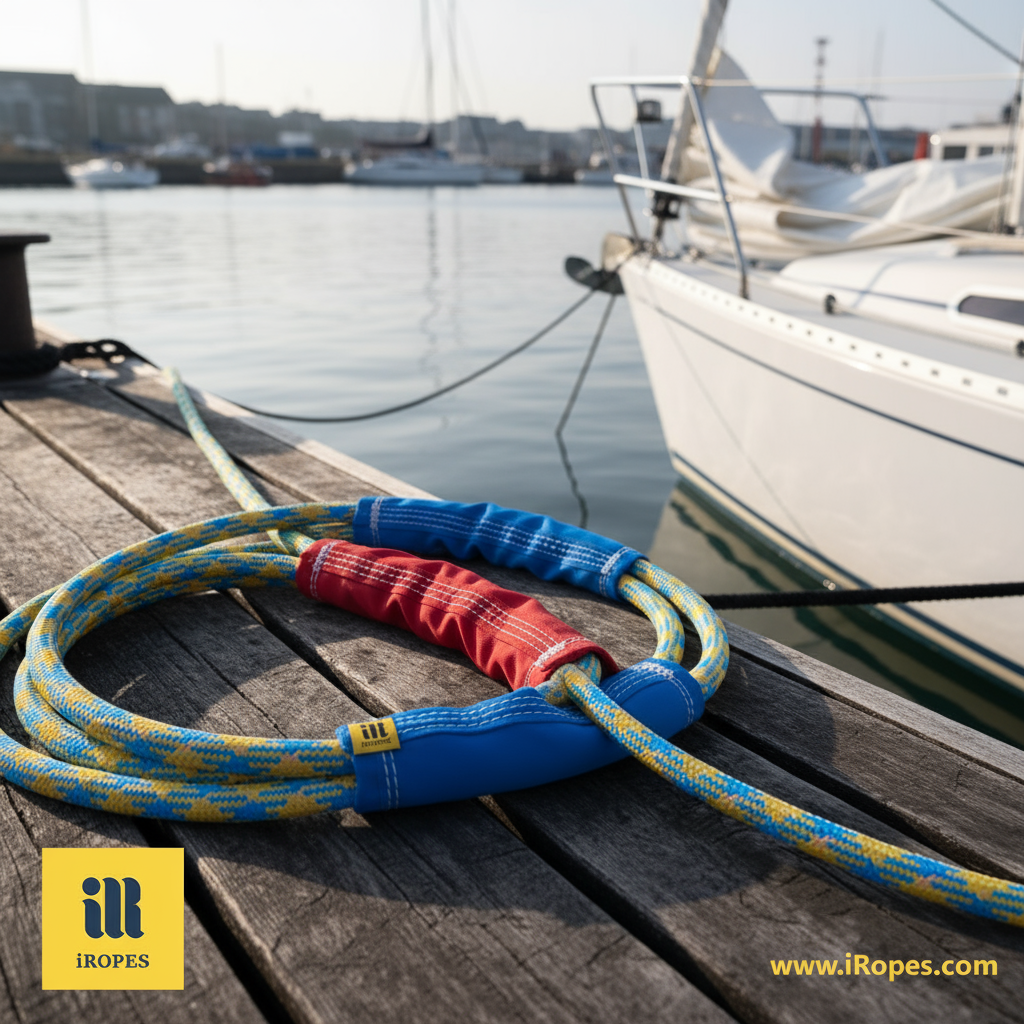
Essentially, a mooring tail is a short, deliberately weaker section of rope positioned between the main line and the anchoring point. Its primary purpose is two-fold: to dissipate dynamic loads and to function as a replaceable sacrificial element that can be easily changed when wear becomes evident. This proactive approach significantly extends the lifespan of your more expensive primary mooring lines.
Material
Choose nylon for superior elasticity and shock absorption, or polyester for excellent UV resistance and strength, matching the specific load profile and environmental conditions.
Length
MEG4 guidance recommends approximately 11 metres for most commercial vessels, ensuring adequate energy absorption and effective performance.
Colour
Customise colours to match hull branding, or opt for high-visibility hues to simplify safety inspections and improve on-deck recognition.
IP Protection
All custom designs and specifications are safeguarded by iRopes' strict intellectual property protocols, ensuring your innovations remain secure.
iRopes' comprehensive OEM/ODM services allow you to dictate every detail of your mooring tail. From core construction materials like nylon or polyester to outer colour, and from custom branding to ISO 9001-backed quality control, we deliver tailored solutions. Our precision manufacturing ensures the tail's breaking strength remains roughly 25-30% lower than the main line. This preserves its crucial sacrificial intent while consistently meeting stringent class-specific standards.
Our engineers treat each mooring tail as a vital safety valve. By carefully selecting the right material and sizing it correctly, we effectively reduce peak shock loads by up to 30%. This extends the main line’s service life by years, significantly improving operational safety and cost-efficiency.
FAQ – What is a mooring tail and why is it essential for vessel safety? A mooring tail is a designated, intentionally weaker segment of a mooring line designed to absorb sudden forces and dissipate energy when a boat moves against its berth. Because it is engineered to fail before the main rope, it protects the expensive primary line from catastrophic overloads, simplifies inspections, and considerably reduces vessel downtime. This makes it an indispensable component for maritime safety.
Mastering Splicing Mooring Rope: Benefits, Tools, and Types of Splices
When a knot slips and snaps, the sudden release can turn a routine berthing operation into a dangerous surprise. By choosing a splice instead of a knot, you preserve roughly 90% of the rope’s original breaking strength. In contrast, a typical knot can diminish that capacity by 20-50% or more. The result of proper mooring rope splicing is a far more reliable connection that effectively resists snap-back and endures the harsh demands of the marine environment.
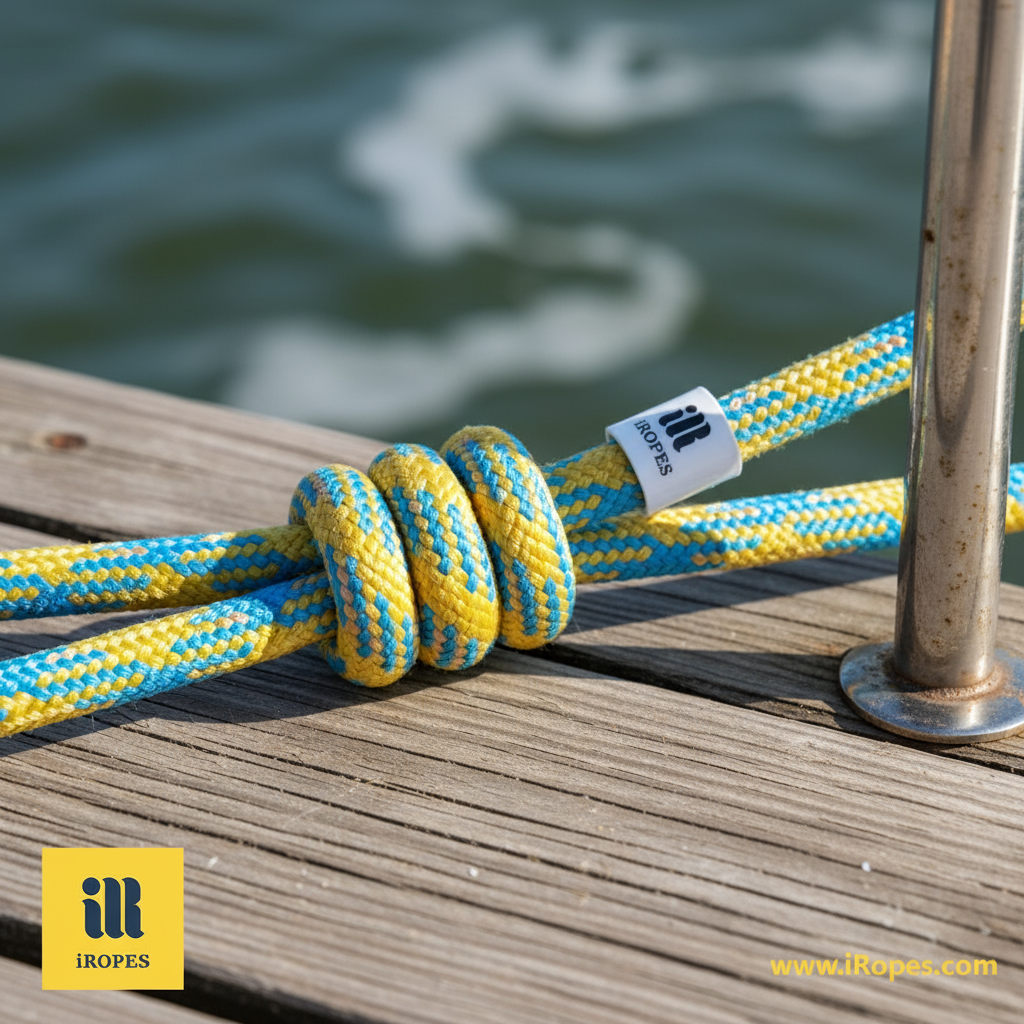
Our experienced rope specialists recommend assembling a small, well‑organised kit before you begin the splicing process. Each tool plays a specific, crucial role in keeping the splice tight, tidy, and ultimately, secure.
- Fid: This essential tool guides the strands through the rope's core and helps create the initial loop.
- Marlinspike: Used to separate and precisely position individual strands, aiding in clean tucks.
- Sharp knife: Crucial for accurately trimming excess rope and clearing any stray fibres for a neat finish.
- Whipping twine: Secures the finished splice, preventing fraying and providing essential chafe protection.
- Tape measure: Ensures the working length of the rope matches the diameter, a critical step for accurate splicing.
- Safety gloves: Protect hands from sharp rope ends, tools, and prevent sudden tension injuries during the process.
With the necessary tools at hand, the next step involves deciding which splice best suits your specific application. The four most common marine splices each address a distinct requirement:
- Eye splice – This creates a permanent loop at the rope's end, ideal for attaching to a bollard, cleat, or thimble.
- Back splice – Used to finish a rope end by interweaving strands back into themselves, preventing unraveling and providing a neat, strong termination, particularly useful for standing parts.
- Short splice – Designed to permanently join two ropes together end-to-end, while retaining maximum strength and creating a smooth, strong connection.
- Chain splice – This specialised splice links a rope directly to a chain link, offering a robust connection primarily used when a strong metal attachment point is required.
Regardless of the splice you choose, a disciplined inspection routine is paramount to safeguarding long-term reliability. Follow these quick checks immediately after every splicing session:
Perform a gentle pull test on the finished splice, carefully verify that no strand bulges out of place, and confirm that the whipping is snug and tightly secured. A correctly executed splice should appear uniform and smooth, with each tuck lying perfectly flat against the rope’s sheath.
When the splice successfully passes these visual and tactile checks, it will reliably hold up to the same loads as the remaining length of the line. iRopes’ OEM/ODM services can even provide pre‑coloured, ISO‑certified rope that matches your vessel’s branding while precisely meeting the exact specifications needed for each splice type. By pairing the correct tools, selecting the appropriate splice, and maintaining diligent inspection practices, you transform a simple rope joint into a robust, safety-focused component of your critical mooring system.
Essential Mooring Rope Splicing: Step‑by‑Step Guides and Best Practices
Having assembled the right tools and understood the benefits of splicing, we now turn our attention to the actual splicing procedure. Whether you are fitting a new loop on a standing line or repairing a damaged section, the fundamental process remains consistent. It demands precision, patience, and a meticulous finish to ensure strength and longevity.

3‑Strand Eye Splice – Step‑by‑Step
- Mark working length: Measure and mark a working length equal to 30 times the rope’s diameter from the end.
- Form initial loop: Use a fid to form a loose loop of the desired size, then secure it temporarily with whipping twine.
- Separate and spread: Unlay the three strands from the working end and spread them evenly for easier manipulation.
- Begin tuck sequence: Start by tucking the outer strand under one strand of the main rope, then the middle strand, and finally the inner strand, ensuring a consistent pattern.
- Repeat tucks: Repeat the three-strand tuck sequence a minimum of three times, making sure each tuck is snug and flush against the rope’s sheath.
- Trim and finish: Carefully trim any excess tail strands and complete the splice with a tight, two-turn whipping for a clean, secure finish.
Each tuck should lie flat and smooth. Any visible bulge indicates uneven tension which can compromise the splice's integrity and weaken it. After the final whipping is applied, a gentle pull test provides an immediate confirmation that the eye holds securely without any movement.
8‑Strand (Octoplait) Eye Splice – Highlights
The octoplait construction, known for its specific weave, demands a slightly longer working length—typically around 40 times the rope’s diameter—and utilises a precise “over-one, under-one” pattern for every strand. Begin by forming a loose loop with a fid, then carefully fan out all eight strands. Perform three full rounds of the "over-one/under-one" tuck, meticulously ensuring that each pass nests neatly and securely against the previous one. Finish the splice with a robust whipping that comprehensively covers all eight strands simultaneously, leaving a clean and durable endpoint.
Troubleshooting Common Issues During Mooring Rope Splicing
- Uneven tension: If you notice bulges or loose areas, re-tension the working tail and carefully repeat the tuck sequence, ensuring even pull on all strands.
- Incorrect tuck order: Always double-check that each strand consistently follows the prescribed "over-one/under-one" rhythm to maintain strength and integrity.
- Insufficient whipping: If the whipping feels loose, add an extra two turns and ensure the twine is pulled snug and securely knotted to prevent fraying.
- Pull-test failure: Should the splice show signs of movement during a gentle pull, thoroughly check for stray fibres, trim any protruding ends, and then retest. If issues persist, consider re-splicing.
Regular visual checks after every splice are essential to ensure the joint remains reliable. A quick tug with gloved hands should reveal no loose strands or bulges. If you detect any give or irregularity, ensure to properly re‑whip or even re‑splice before the rope returns to service. This diligence prevents potential failures.
FAQ – How do you join two mooring ropes together? The most efficient and secure method for joining two mooring ropes permanently is a short splice. This technique aligns the rope ends seamlessly, preserving nearly the full strength of the rope and eliminating the chafe‑prone bulk of a knot. To perform it, mark equal lengths on both ends of the ropes you wish to join. Then, create a short loop with a fid, interweave the strands using the same basic tuck pattern as an eye splice, and finish with robust whipping. This carefully executed short splice provides a seamless, high‑strength connection ideal for extending lines or durably repairing damaged sections.
When your splice passes both visual and pull‑test checks, you can be confident that you have created a joint capable of enduring the same loads as the rest of the line. iRopes’ OEM/ODM services can supply pre‑coloured, ISO‑certified ropes that precisely match your desired strand count, ensuring every splice you make begins with an optimal, high‑quality foundation.
Request a customised mooring solution
If you'd like personalised guidance on selecting the right mooring tail or planning your splicing mooring rope project, please complete the form above and our specialists will be in touch. iRopes is a renowned rope manufacturer in China, committed to delivering high-quality products globally.
Understanding how a correctly sized mooring tail effectively absorbs shock and how a precision‑engineered splice preserves rope integrity is absolutely essential for any marine operation. iRopes manufactures high-quality mooring rope in China and offers fully customisable solutions—from material selection and colour to OEM branding—ensuring the tail’s breaking strength is accurately calibrated to protect the main line. Our comprehensive OEM and ODM services are designed to meet diverse customer needs.
By adopting professional splicing mooring rope techniques, you can retain up to 90% of the line’s capacity. Our extensive expertise in rope splicing guarantees a reliable, long‑lasting joint that enhances safety and performance. iRopes is committed to providing customised, high‑quality ropes backed by ISO 9001 certification and robust IP protection, ensuring our wholesale customers receive the best possible solutions tailored to their needs.