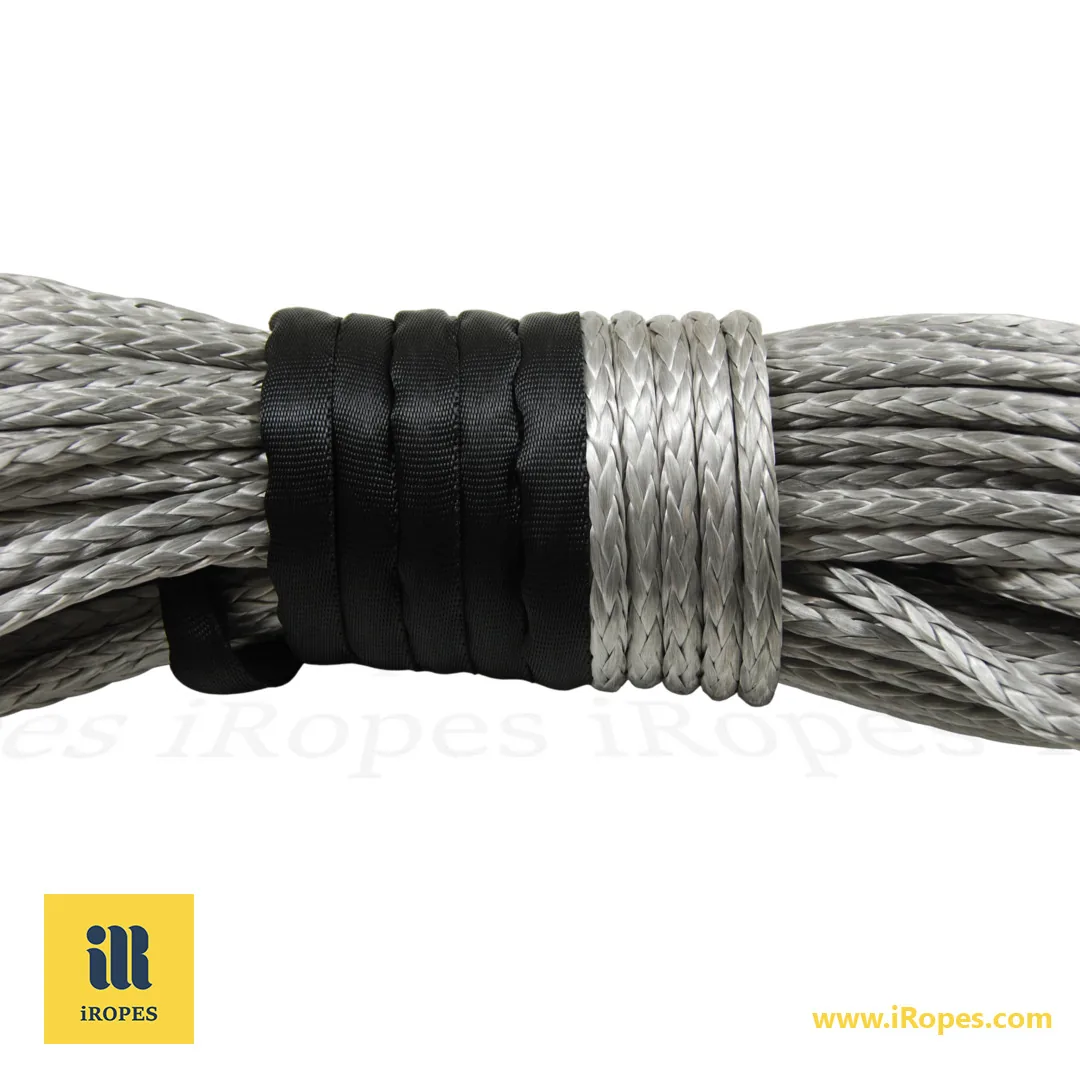
Proper nylon sling inspection catches visible failures before they strike—saving lives in yachting and spearfishing. Its inherent 8-10% stretch at rated capacity absorbs sudden wave shocks, preventing snaps that could turn a routine lift deadly.
Boost Your Marine Rigging Expertise in Just 8 Minutes
- ✓ Master choker rigging techniques that derate loads to 75-80% of vertical capacity for secure yacht anchoring, slashing accident risks in choppy waters.
- ✓ Spot red core fibres instantly during daily checks to meet OSHA standards, gaining compliance knowledge that extends sling life.
- ✓ Counter UV degradation early with simple tests, solving brittleness issues to maintain nylon's chemical resistance in saltwater environments.
- ✓ Acquire custom iRopes solutions for non-marring yacht gear, solving unique marine needs with ISO 9001 certified durability for safer operations.
You might think a quick glance suffices for your nylon slings before hitting the waves, but that overlooks subtle signs like hidden red fibres and UV brittleness. These small oversights doom a significant percentage of otherwise reliable gear to failure mid-lift. What if one overlooked stretch indicator could prevent your next spearfishing mishap? Dive deeper to uncover the precise inspection rituals and rigging tweaks that transform potential disasters into seamless safety—empowering you with iRopes' tailored expertise for unbreakable marine confidence.
Understanding Nylon Sling Rope: Foundations and Marine Advantages
Imagine you're out on the open water, securing gear for a spearfishing trip, and one wrong knot could turn a calm day into chaos—that's where nylon sling rope steps in as a quiet hero. Building on the story of how these tools avert disasters in yachting and spearfishing, let's break down what makes nylon sling rope essential for marine work. At its core, a nylon sling rope is a synthetic lifting tool made from nylon webbing or rope, designed to handle loads with a balance of toughness and give. Think of it as the flexible backbone for rigging, woven into endless or eye and eye configurations that conform to irregular shapes without slipping.
What sets nylon sling rope apart is its impressive blend of properties, making it a go-to for demanding environments. It boasts a high strength-to-weight ratio, meaning you get serious lifting power without lugging around heavy gear—perfect when every ounce counts on a boat. Its flexibility allows it to wrap snugly around loads, reducing the chance of damage during lifts. And that stretch? Nylon elongates about 8-10% at its rated capacity, acting like a built-in shock absorber. This cushioning effect is crucial for absorbing sudden jerks from waves or wind gusts. I've personally seen this in action during a windy anchoring session off the coast; the give prevented a snap that could have otherwise injured the crew.
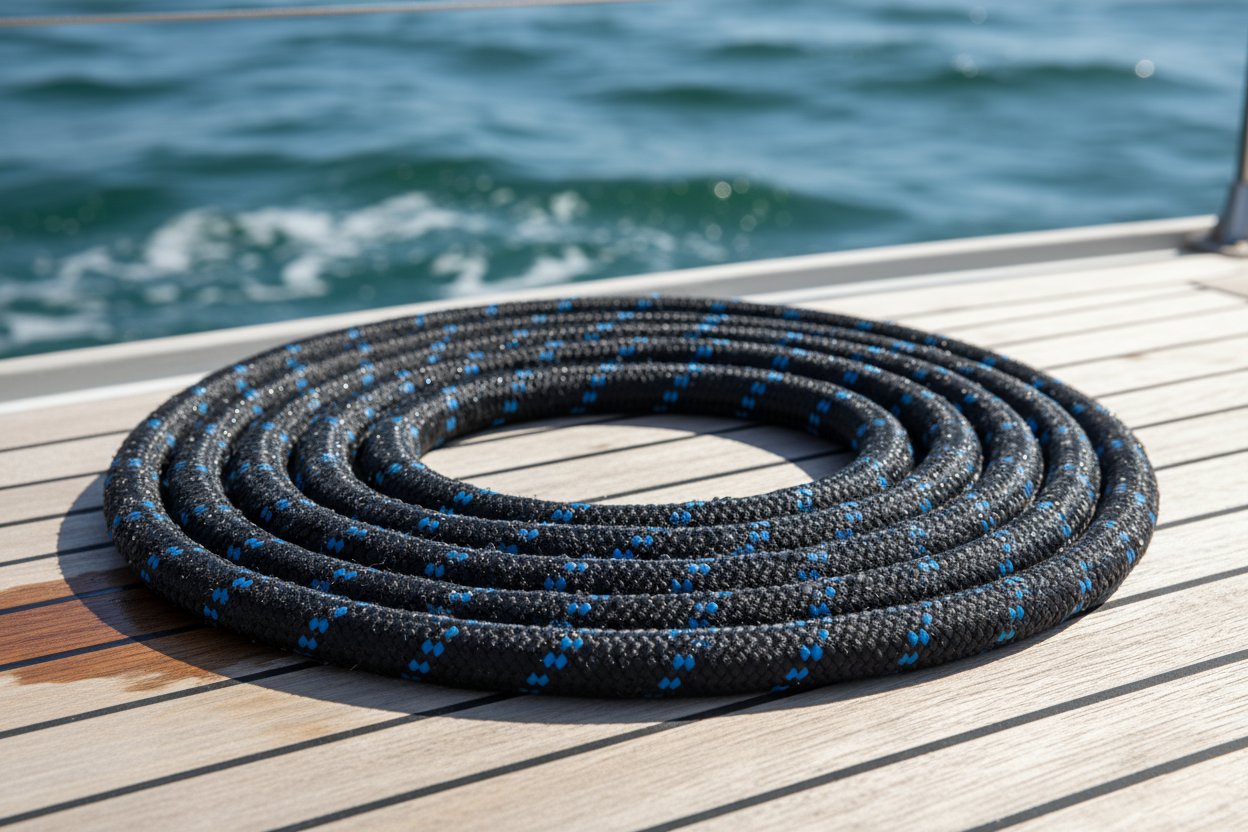
In marine settings, these traits shine even brighter. Nylon resists saltwater corrosion better than many alternatives, maintaining its integrity after repeated exposure to the sea. Its smooth surface also won't mar delicate yacht finishes, unlike rougher materials that could scratch polished hulls. For spearfishing, the slight buoyancy helps with underwater manoeuvres, allowing for easy retrieval of gear without it sinking into the depths. Have you ever struggled with a waterlogged line? Nylon alleviates that frustration, staying manageable even when wet.
Now, why choose nylon over, say, polyester or wire rope? While polyester offers less stretch for precise loads, nylon's superior resistance to oils, greases, and alkalis makes it tougher in greasy engine bays or alkaline bilge water—common in boating. Wire rope, though strong, is rigid and prone to kinking, plus it rusts in saltwater. Nylon avoids those headaches with its lightweight, non-conductive nature. Of course, nylon isn't invincible—it's less UV-resistant than polyester, so regular checks are key—but for dynamic marine tasks, its chemical edge and forgiveness under stress often tip the scales. Picture rigging a load on a rocking deck: nylon molds to the shape, polyester might bind, and wire could heighten tension with its weight.
Nylon Strengths
Excels in oils and alkalis; 8-10% stretch absorbs shocks in waves.
Marine Edge
Non-marring for yachts; buoyant for spearfishing recovery.
Vs. Polyester
More flexible but monitor UV; better for greasy conditions.
Vs. Wire Rope
Lighter, no rust; avoids kinks in dynamic rigging.
These foundational perks lay the groundwork for safe handling, but in choppy waters, how you configure that rope matters just as much. Next, let's explore how specialised configurations like chokers enhance rigging safety in dynamic marine settings.
Mastering Nylon Chokers Rigging Techniques for Marine Safety
Building on those core strengths of nylon sling rope, configuring it right in rough seas can make all the difference between a smooth operation and a close call. In dynamic marine settings, specialised setups like chokers come into play, gripping loads securely even as the boat pitches. Let's dive into how these techniques boost safety without compromising on efficiency.
What is a rigging choker? Simply put, it's a configuration where the nylon sling rope forms a self-tightening loop around the load, creating a choke point that cinches as tension builds. This setup is handy for irregular or cylindrical items, like fuel drums or dive tanks, because it adjusts to the shape and holds firm under movement. Here's a key trade-off: it reduces the working load limit to about 75-80% of the vertical hitch capacity, accounting for the added stress at the bend. This means if your sling's straight-up rating is 1,000kg, expect around 750kg maximum in a choker—always check the tag for exact figures to stay within safe bounds.
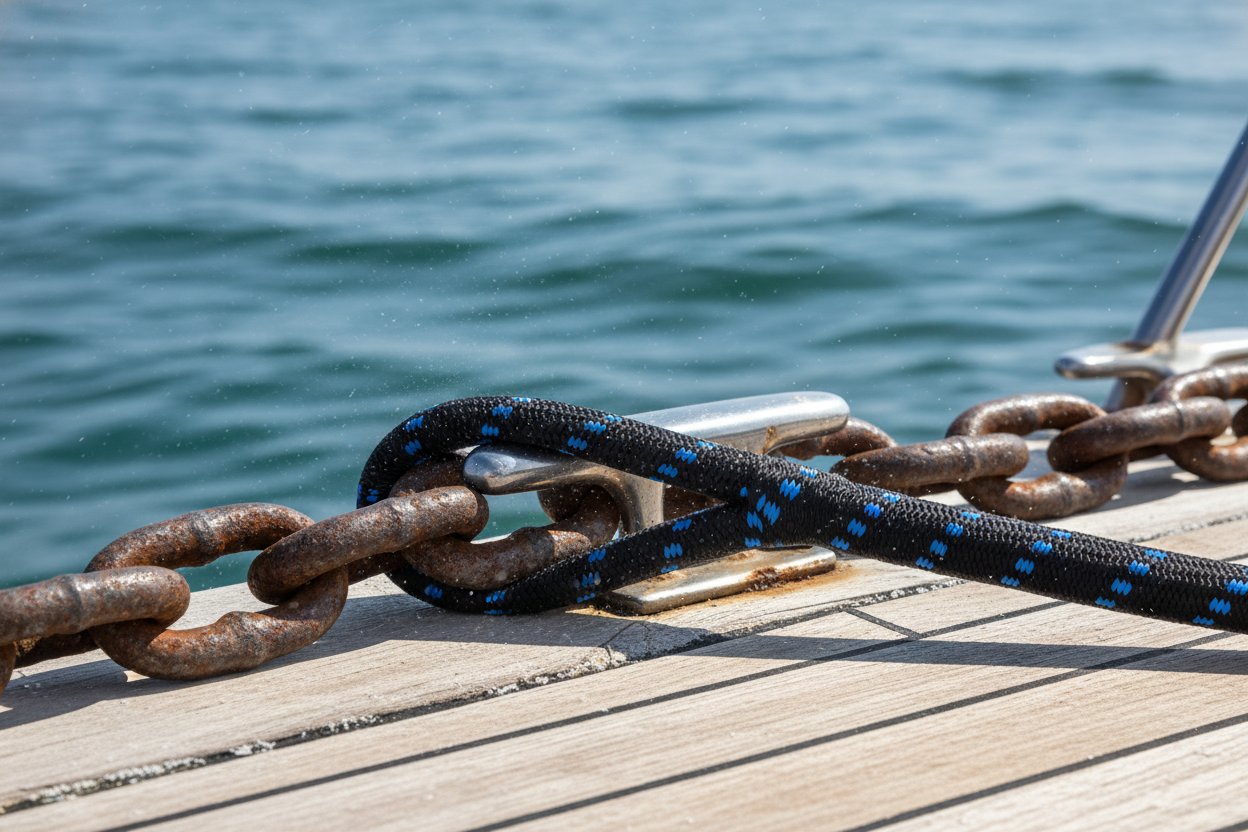
Getting the rigging right starts with smart planning to avoid mishaps. First, select the proper sling length to ensure the sling angle stays above 60 degrees from horizontal—shallower angles slash capacity further, sometimes by half. Wrap padding or corner protectors around any sharp edges, like cleats or rails, to prevent cuts that could weaken the rope over time. And steer clear of shock loading; ease into tension gradually, especially in boating, where a sudden wave can spike forces unexpectedly. I remember rigging a load on a charter boat once—the extra padding saved the sling from fraying against a rusty fitting, keeping everything steady through a squall.
These methods find real footing in marine work. On yachts, chokers excel at lashing down gear like coolers or outboard motors, maintaining hold as the vessel heels. For camping trips by the shore, they securely anchor tents or kayaks against tidal pulls, with the loop's grip outperforming loose ties. To figure loads, consult capacity charts: vertical hitches hit full rating, basket hitches can bear double for balanced lifts, but chokers demand that 75-80% derating. Factor in the number of legs too—doubling up can distribute weight, but always verify with your sling's markings.
- Assess the load - Weigh it and note its shape to pick the correct sling size.
- Form the loop - Pass the end through the eye, wrap it around the load, and pull to tighten without twisting.
- Check angles - Use a clinometer app if needed to confirm safe positioning, keeping angles at or above 60 degrees.
Whether hauling supplies for a spearfishing outing or stabilising deck cargo, these rigging basics keep operations reliable. Yet even the best setup needs regular scrutiny to catch wear before it turns risky. Next, let's look into the critical process of nylon sling inspection to maintain compliance and prevent failures.
Nylon Sling Inspection: Step-by-Step Guide and Compliance Essentials
With those rigging techniques dialled in, the real key to keeping things safe on the water lies in consistent checks—spotting trouble early can prevent a sling from failing when you need it most. In marine operations, where waves and salt add extra wear, nylon sling inspection becomes non-negotiable. It ensures your gear meets safety standards and holds up under pressure, turning potential hazards into reliable tools for yachting or spearfishing runs.
How to inspect a nylon sling? Start every job with a quick daily pre-use inspection to catch obvious issues before they escalate. Run your hands along the entire length, feeling for irregularities, and give it a close visual once-over under good light. Focus on anything that could compromise strength right away. For instance, three things you should inspect before using a sling include visible cuts or abrasions that expose inner fibres, knots that bunch up and weaken the structure, and illegible tags hiding vital load info. Also, look for those tell-tale red core fibres peeking through—if you see them, the internal damage means it's time to retire the sling immediately. This routine takes just minutes but builds a habit that saves lives at sea.
- Cuts and abrasions - Check for slices or worn spots deeper than surface level, especially where it rubs against deck edges.
- Knots or twists - Ensure no unauthorised ties or kinks that reduce flexibility and load-bearing ability.
- Illegible tags - Verify markings for capacity and date are clear; faded ones signal potential overdue maintenance.
- Red core fibres - Visible red indicates core breakage from overload or chafe—remove from service at once.
Beyond daily looks, periodic inspections dig deeper, handled by a “competent person”—someone trained to spot subtle flaws. In severe marine service, like constant saltwater exposure on a working boat, check monthly; otherwise, aim for quarterly or annually based on use. What is the OSHA standard for slings? Follow OSHA 29 CFR 1910.184 and ASME B30.9 standards, which mandate documenting these reviews and removing slings showing any defects like broken stitching, heat damage, or chemical burns. Document everything: note the date, inspector, and findings, then tag it out if it fails criteria. These rules aren't just red tape—they've cut accident rates by enforcing proactive care.
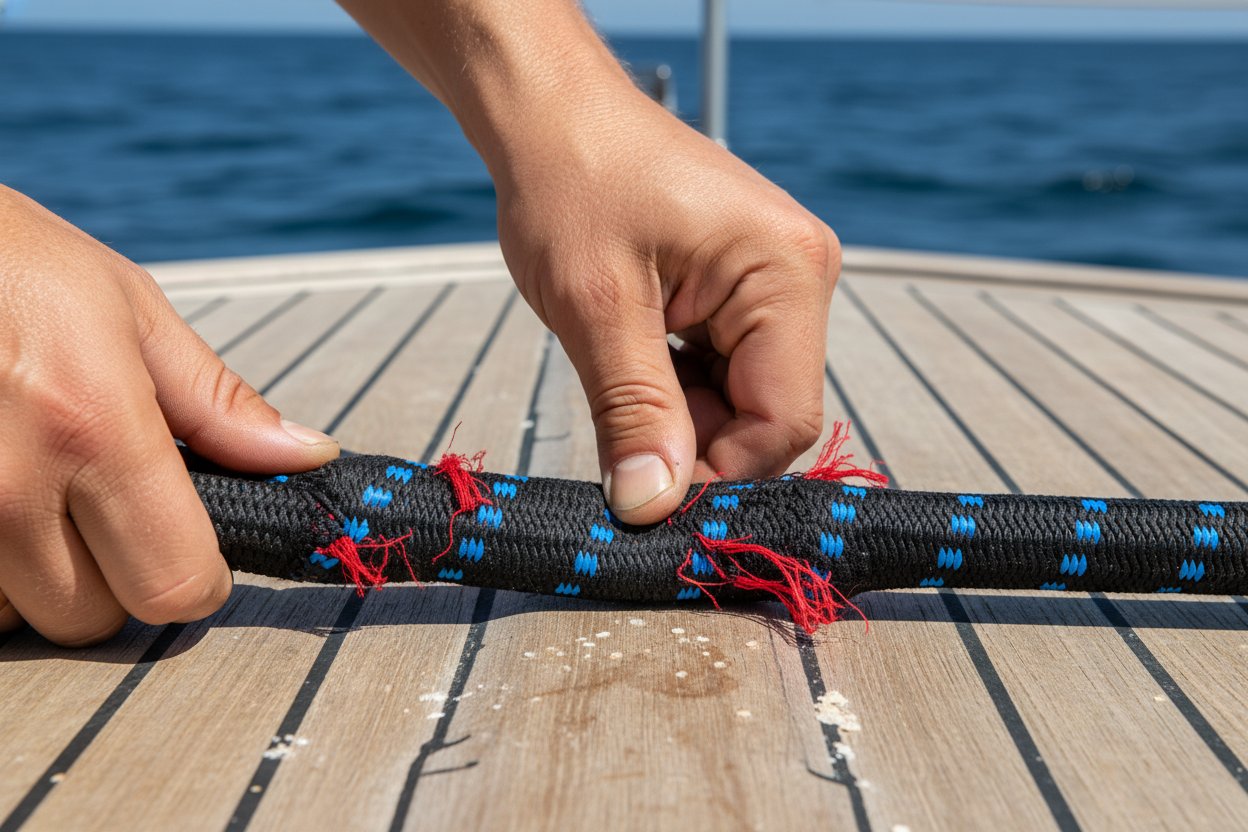
Marine environments throw unique challenges at nylon slings, so watch for damage tied to sun, salt, and heat. UV degradation shows as brittleness or discoloration, making the material stiff and prone to cracking after prolonged deck exposure—test by bending; it should flex without snapping. Saltwater chemical exposure leaves crusty residue or softened spots, while intense sun heat can cause glazing or reduced elasticity. During checks, rinse off salt build-up right away, especially at contact points, to avoid hidden corrosion. One time, after a long offshore trip, I caught early UV signs on a sling that looked fine at first glance; pulling it saved a potential snap during a heavy anchor lift.
Thorough inspection safeguards against risks, but understanding nylon's environmental interactions deepens protection strategies for prolonged marine performance. Let's delve into how UV, stretch, and chemical resistance impact your nylon slings.
Marine-Focused Care: UV, Stretch, and Chemical Resistance for Nylon Slings
Grasping how nylon interacts with elements like UV and chemicals takes protection to the next level, especially when you're dealing with the relentless sun and salty spray of marine life. In these harsh conditions, keeping an eye on your nylon sling's stretch and exposure to sunlight isn't just smart—it's essential for avoiding breakdowns mid-operation. Over time, that natural 8-10% elongation can signal trouble if it starts feeling anomalous, such as the rope holding too much permanent sag after a lift. Feel for uneven give when you test it by hand; if sections stretch more than others or fail to snap back, hidden internal wear from repeated use might be at play. For outdoor storage on a yacht or during beach camping, shield it from direct rays by coiling it in a shaded bag or under deck covers—simple steps that prevent the sun's rays from breaking down the fibres over months of exposure.
What happens if a nylon sling gets too much UV light? It gradually loses strength, with early signs including a dull yellowing or fading that makes the once-vibrant material look washed out. In marine settings, where gear often sits baking on hot decks, this degradation accelerates, turning flexible strands brittle enough to crack under load. To counter it, rotate your slings during inspections, pulling the most exposed ones for indoor hangs on hooks away from windows. I've learned this the hard way after a summer of spearfishing left a spare sling so stiff it nearly gave way during a gear haul—switching to covered storage fixed that for good. Regular flex tests during your checks help catch these shifts before they compromise a lift.
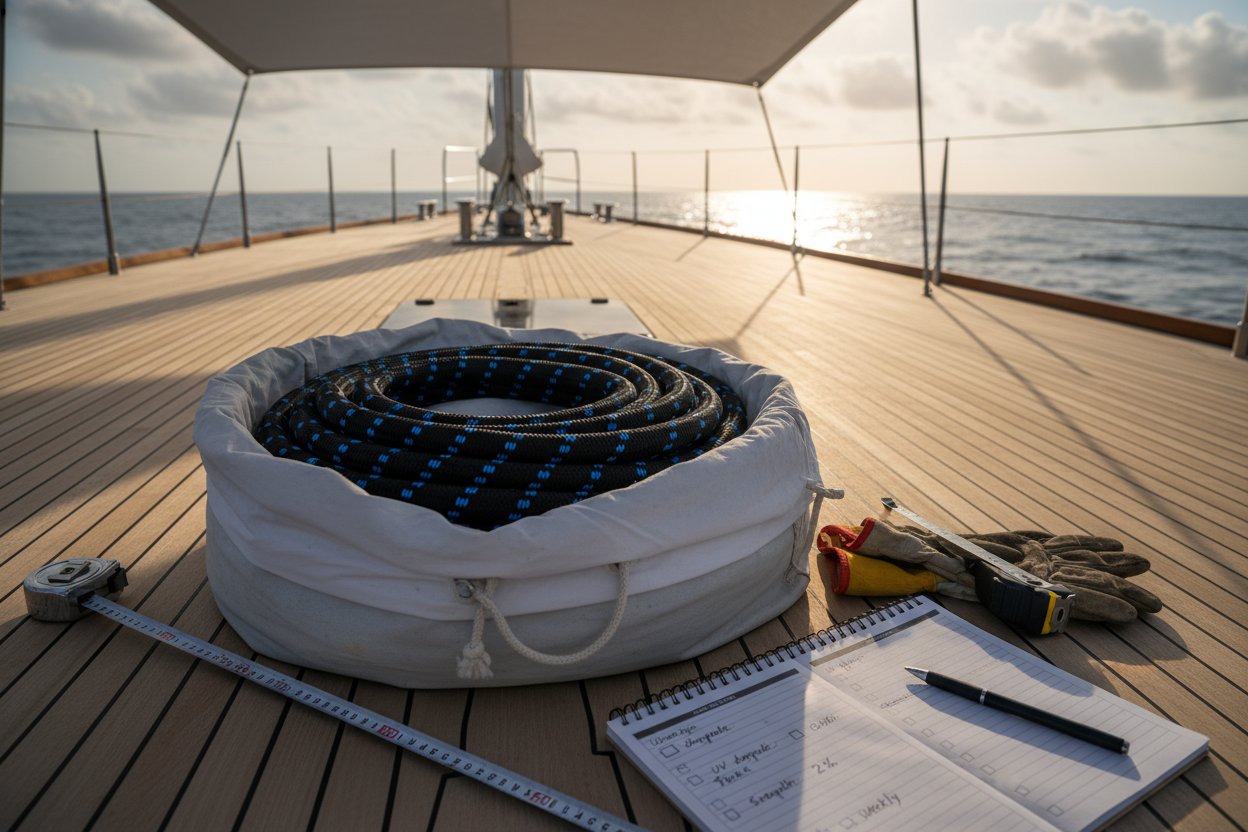
When it comes to chemicals, nylon holds up well against the greasy spills from boat engines or weak acids in cleaning solutions, maintaining its structure without softening or swelling. However, strong alkalis, like those in some industrial cleaners, can attack the fibres, causing them to weaken and fray—test exposure by rinsing thoroughly and checking for any sliminess. Saltwater residue builds up fast in marine operations, leading to crusty deposits that can hide deeper issues; counter this with fresh water rinses after every use, followed by air drying in the shade. For specific inspection needs in salty environments, always probe for softened areas around contact points, as corrosion from brine can sneak up faster than on land.
These care habits shine in specialised setups, like custom iRopes solutions tailored for yachting where non-marring surfaces matter, or defence applications needing durable chafe guards against rough handling. Our ISO 9001 certified manufacturing ensures slings last through tough conditions, with options for added UV coatings that boost longevity on open water. Think about rigging for a night dive—protected edges and clean fibres mean one less worry when currents pull hard.
UV and Stretch Care
Preventive Steps
Spot Yellowing
Look for faded colours signalling fibre breakdown from sun exposure.
Test Elasticity
Bend to check snap-back; permanent deformation means retire it.
Shade Storage
Use bags or hooks indoors to block rays and maintain flex.
Chemical Resistance
Handling Marine Elements
Tolerate Grease
Resists engine oils without losing grip or strength.
Avoid Alkalis
Strong bases weaken fibres; rinse exposures immediately.
Salt Rinse
Fresh water clean-up prevents hidden corrosion build-up.
Partnering with experts who build in these safeguards means your gear performs when it counts, turning everyday marine tasks into seamless routines.
From the foundational strengths of nylon sling rope to mastering nylon chokers rigging in choppy seas, these insights reveal how proper techniques and vigilant nylon sling inspection can safeguard lives in yachting and spearfishing. Nylon's 8-10% stretch absorbs shocks, while its resistance to saltwater and oils shines in marine settings. However, monitoring UV degradation through yellowing and brittleness, tracking stretch for even recovery, and rinsing chemical residues ensure longevity. With our comprehensive OEM and ODM services, iRopes offers custom solutions, including chafe protection and ISO 9001 quality assurance. These amplify advantages for your operations, turning potential risks into reliable performance.
Equipped with these marine-focused strategies, you're set to elevate safety and efficiency on the water. For tailored advice on nylon slings suited to your wholesale needs, reach out to our specialists today.
Customise Your Nylon Sling Solutions with iRopes Experts
If you're keen on personalised guidance for nylon sling applications in your marine environment, including custom designs and compliance checks, complete the inquiry form above to connect with iRopes' team.