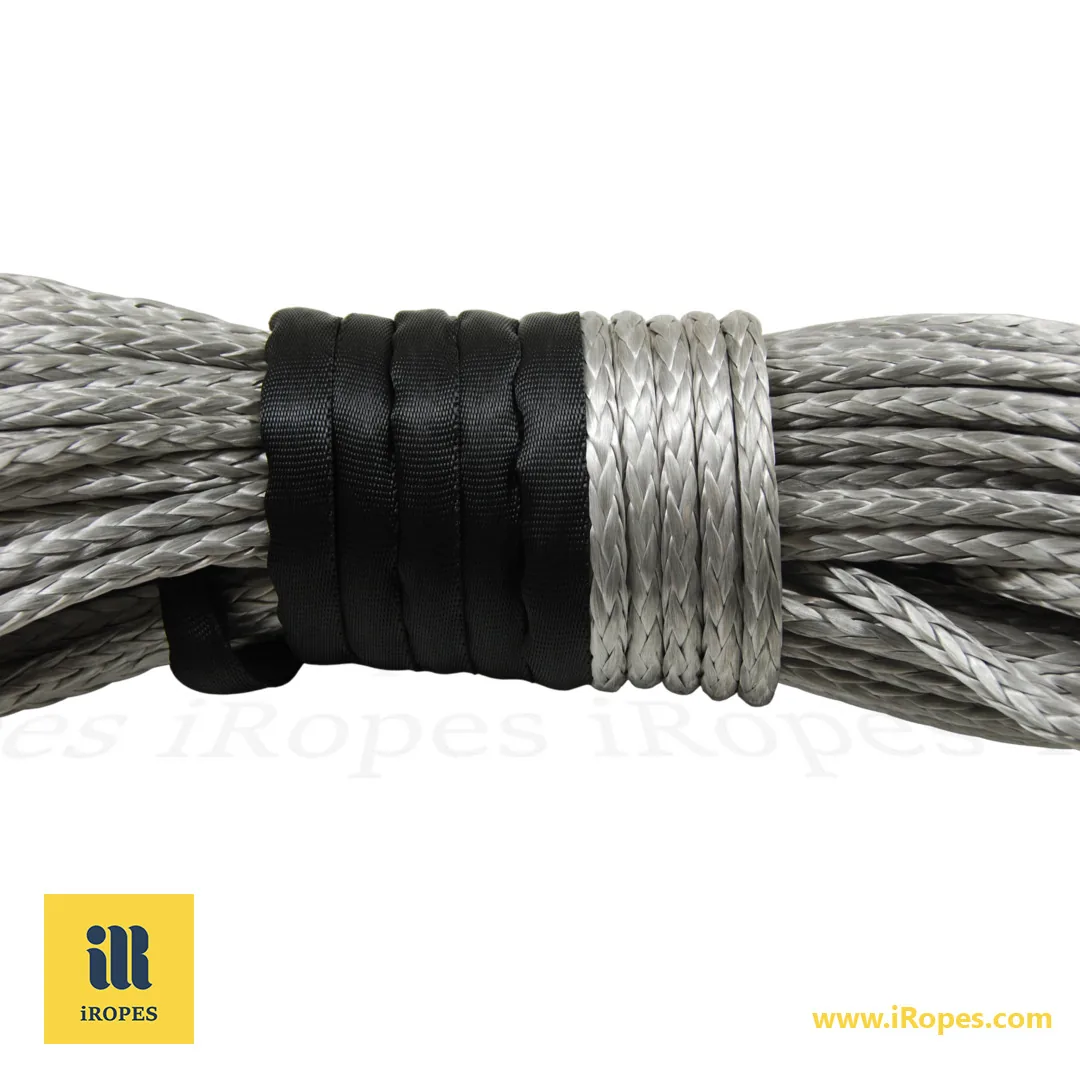
Nylon rope delivers ≈ 12 400 psi tensile strength and, in ½″ double‑braid, around 7 300–7 800 lb breaking strength—roughly 3–4× a 10 mm hemp line (≈ 2 000 lb).
What you’ll gain – ≈ 2 min read
- ✓ Smoother, safer recovery pulls thanks to nylon’s 5–30 % elastic stretch.
- ✓ Around 7 300–7 800 lb breaking strength for a ½″ double‑braid nylon rope; apply a 3× safety factor for kinetic recovery.
- ✓ Knots can reduce strength by up to 50 %—use splices where possible to preserve capacity.
- ✓ Direct OEM/ODM customisation from iRopes – colour‑code, diameter, construction, and coatings to match your brand.
While many off‑road enthusiasts reach for any sturdy rope, a typical 10 mm hemp line’s ≈ 2 000 lb break load often can’t cope with the sudden shock of a muddy pull. By contrast, the tensile strength of nylon rope is about 12 400 psi and its 5–30 % elasticity helps absorb energy. In ½″ double‑braid, that translates to roughly 7 300–7 800 lb breaking strength, turning the same scenario into a controlled recovery—iRopes can custom‑engineer the exact line you need for your vehicle’s weight and terrain.
Understanding the tensile strength of nylon rope
After exploring why the right rope can be the difference between a stalled 4×4 and a smooth recovery, it’s time to dig into the numbers that make nylon a favourite for kinetic‑recovery work.
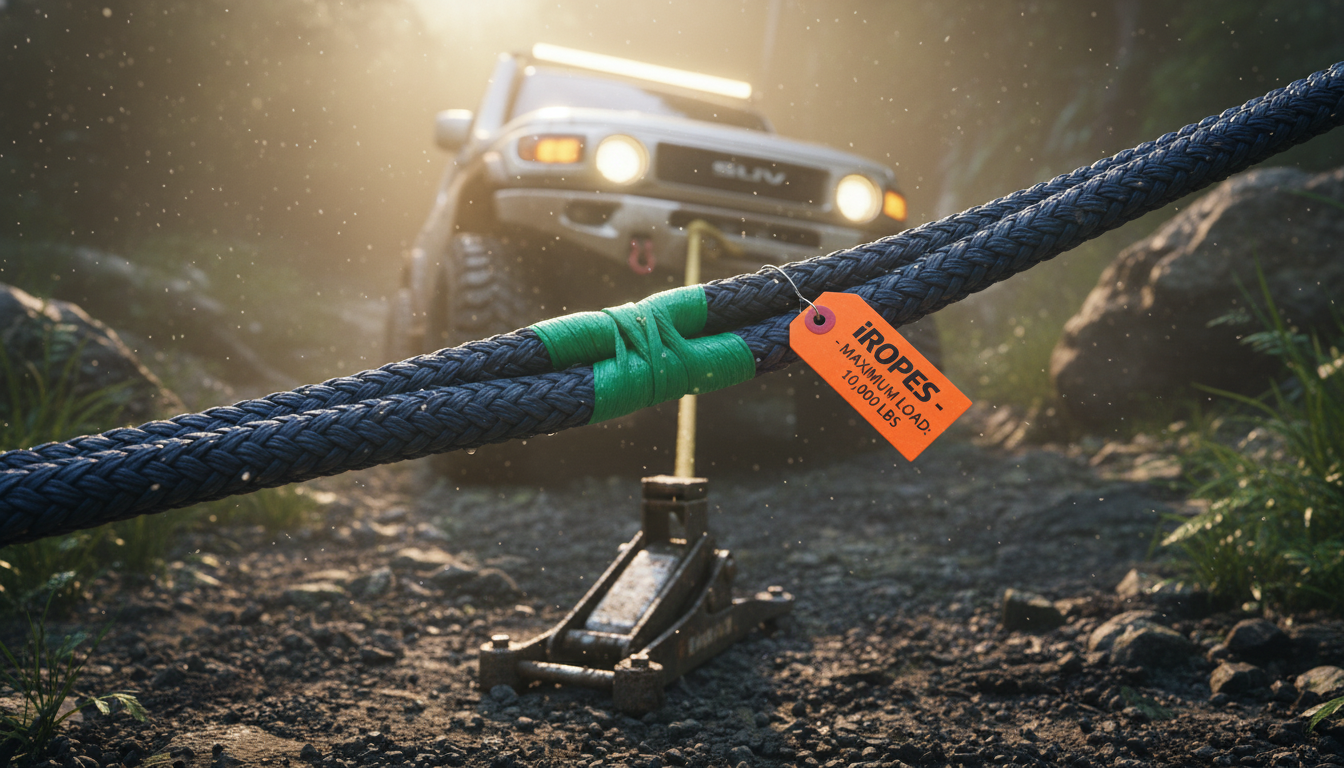
- Definition – Tensile strength is the maximum stress a material can withstand while being stretched before failure.
- Typical value – For nylon, industry data cites roughly 12 400 psi. Actual rope strength depends on construction; for example, ½″ double‑braid commonly exceeds 7 000 lb.
- Elastic stretch – Nylon stretches between 5 % and 30 % under load, a property that absorbs shock during off‑road kinetic pulls.
When you wonder what is the breaking strength of nylon rope? the answer links to material stress and construction. As a rule‑of‑thumb, multiply the tensile figure by the squared diameter to estimate break load, then apply a safety factor before you trust the line. Final capacity still depends on lay, braid, and terminations.
“Never rely on a rope’s advertised rating alone; always calculate the working load limit and respect the safety factor.”
Understanding the tensile strength of nylon rope gives you a solid foundation for the next step: comparing it with natural alternatives and seeing how those numbers translate into real‑world safety margins.
Exploring hemp rope tensile strength
Now that you have a clear picture of nylon’s high‑elastic power, it’s time to examine the natural alternative that many off‑road enthusiasts keep in the back‑of‑the‑truck for lighter duties – hemp rope. While it doesn’t stretch like nylon, its own set of properties can make it the right choice for static, low‑impact jobs.
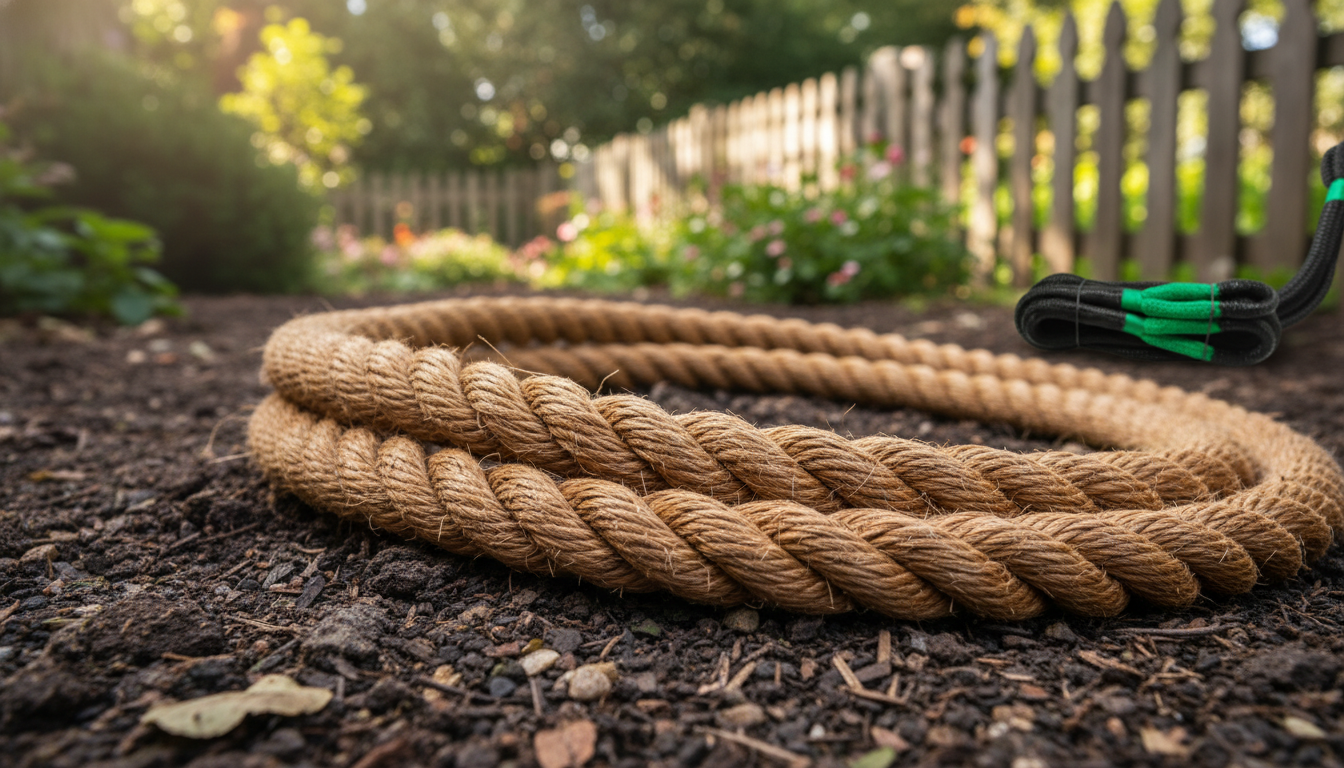
Hemp rope tensile strength at the fibre level sits around 40 k psi. In practice, a common 10 mm (⅜″) hemp rope breaks at roughly 2 000 lb, which suits garden trellises, small arbor loads, and other low‑impact tasks.
Quick Fact
A 10 mm hemp rope typically breaks around 2 000 lb, offering reliable performance for garden trellises and arbor work.
Beyond the numbers, hemp fibres bring three practical perks. First, the rope stretches less than 5 %, so you get a very predictable length under load. Second, it offers good UV resistance for outdoor use. Third, the material is biodegradable, so when it reaches the end of its service life it returns to the earth without leaving synthetic residues.
Key Hemp Advantages
Low stretch gives precise positioning, UV resistance supports outdoor use, and biodegradability satisfies eco‑conscious projects—while a typical 10 mm line delivers a respectable ≈ 2 000 lb break load.
When you ask, “Is hemp rope stronger than nylon?” the short answer is no in rope form. Although hemp fibres can test higher in tensile stress, nylon ropes of the same diameter typically achieve far higher breaking strength and absorb shock much better—for example, 10 mm hemp ≈ 2 000 lb versus ½″ nylon double‑braid ≈ 7 300–7 800 lb.
Because hemp excels in predictable, low‑impact scenarios, you’ll often see it used for garden trellises, arbor‑work rigging, and other situations where a steady, non‑elastic line is preferred. Its moderate break load, combined with natural durability, makes it a trustworthy partner for any project that values sustainability as much as strength.
Armed with this understanding of hemp’s tensile profile, you’re ready to compare exact breaking loads in the next section and decide which rope best matches your off‑road or static needs.
Calculating the breaking strength of nylon rope
After you’ve seen how hemp’s low‑stretch nature stacks up, the next logical step is to turn those material ratings into concrete numbers you can trust on the trail.

Breaking strength is often confused with tensile strength, but the two tell different stories. Tensile strength describes the stress a material can sustain before failure, while the breaking strength of nylon rope is the actual load at which the rope snaps. In other words, breaking strength is your real‑world ceiling.
- Identify the rope’s diameter in inches.
- Square that diameter (rule‑of‑thumb: Diameter²).
- Multiply the result by nylon’s standard tensile figure (≈ 12 400 psi) to estimate break load in pounds.
Let’s walk through a real‑world example. Using the rule‑of‑thumb on a ½″ solid‑braid nylon rope, 0.5² × 12 400 ≈ 3 100 lb estimated breaking strength. That figure is a simplified estimate; manufacturer tables for ½″ double‑braid typically show higher empirical values around 7 300–7 800 lb.
For kinetic recovery, apply a safety factor of 3–4. On a 3 100 lb estimate, that yields a WLL of ≈ 775–1 030 lb; on a 7 300–7 800 lb rated line, WLL is ≈ 1 825–2 600 lb.
Most off‑road recoveries don’t operate at the point of failure. For dynamic pulls, use a safety factor of three to four; for static work, five or more. Dividing the breaking load by your chosen factor gives the Working Load Limit (WLL) and the margin needed to handle shock loads.
With the calculation method in hand, you can size any nylon line to match the weight of your vehicle, the steepness of the terrain, and your personal comfort zone. The next section will translate those numbers into a quick‑pick guide for the best rope choice across off‑road and other demanding applications.
Choosing the right rope for off‑road and other applications
Now that you’ve seen how the break‑load formula turns diameter into pounds, it’s time to match those numbers with the job you have in mind. Whether you’re pulling a 4×4 out of a sandbank or rigging a garden trellis, the right rope lets you work confidently and safely.
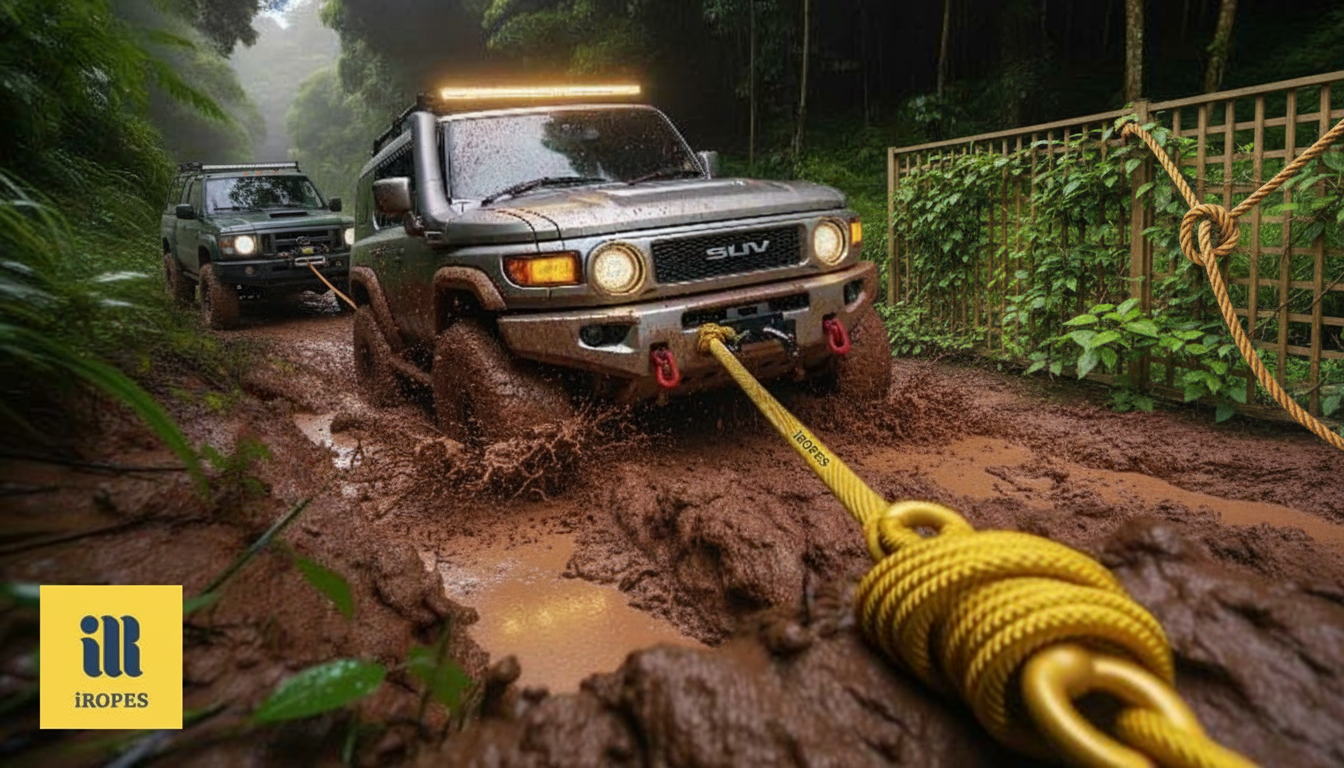
Elastic Power
Nylon’s 5–30 % stretch absorbs shock, making it ideal for kinetic recovery where sudden loads occur.
High Break Load
With a tensile strength of roughly 12 400 psi, a ½″ double‑braid nylon line can exceed 7 000 lb before it fails, depending on construction.
Low Stretch
Hemp rope stretches less than 5 %, giving you a predictable line for static tasks like arbor work.
Moderate Strength
A 10 mm hemp rope typically reaches a break load of around 2 000 lb, sufficient for garden‑level loads.
So, which fibre should you reach for? If you need a rope that stretches to cushion a sudden pull—think 4×4 recovery, boat winching, or any kinetic‑recovery scenario—nylon’s elasticity and high break load win out. However, if your project is static and eco‑conscious, and you value a line that won’t lengthen under load, hemp’s low stretch and UV resistance make it the smarter choice. For the ultimate recovery performance, consider our double‑braided options.
Sizing Guide
From load to rope
1. Identify Load
Calculate the maximum weight you expect to move, then add a safety factor of five for static work or three for dynamic recovery.
2. Apply Formula
Plug the chosen diameter (in inches) into Breaking Strength = Diameter² × 12 400 psi to get a quick theoretical estimate.
3. Choose Rope
Select the smallest diameter that still exceeds the required load once your safety factor is applied. That’s your safe working rope.
iRopes Custom Solutions
Tailor‑made for you
Colour Coding
Specify brand colours or safety‑bright shades; we can colour‑match sheaths and patterns and add branding via tags or packaging.
Diameter & Core
Choose solid‑braid, double‑braid, or parallel‑core constructions to hit exact breaking‑strength targets.
IP Protection
Our OEM/ODM workflow safeguards your designs with dedicated IP protection and ISO 9001‑backed quality—plus global pallet shipping in non‑branded or customer‑branded packaging.
Armed with this step‑by‑step guide, you can size a nylon line that will survive a steep hill pull or pick a hemp rope that will hold a vineyard trellis for years. The next logical step is to test your calculations against real‑world conditions and, if you need a specialised colour or coating, reach out to iRopes for a customised solution.
Get a personalised rope solution
We’ve shown that the high elastic properties and the tensile strength of nylon rope make it the ideal kinetic‑recovery line for off‑road rigs, delivering high breaking strength while still absorbing shock. By contrast, hemp rope tensile strength suits static, eco‑friendly tasks where low stretch is prized. Armed with these figures, you can size the perfect line for any load.
If you’d like a custom‑designed rope—colour‑coded, branded, or with specialised coatings—simply complete the enquiry form above and our iRopes specialists will tailor a solution to your exact requirements.