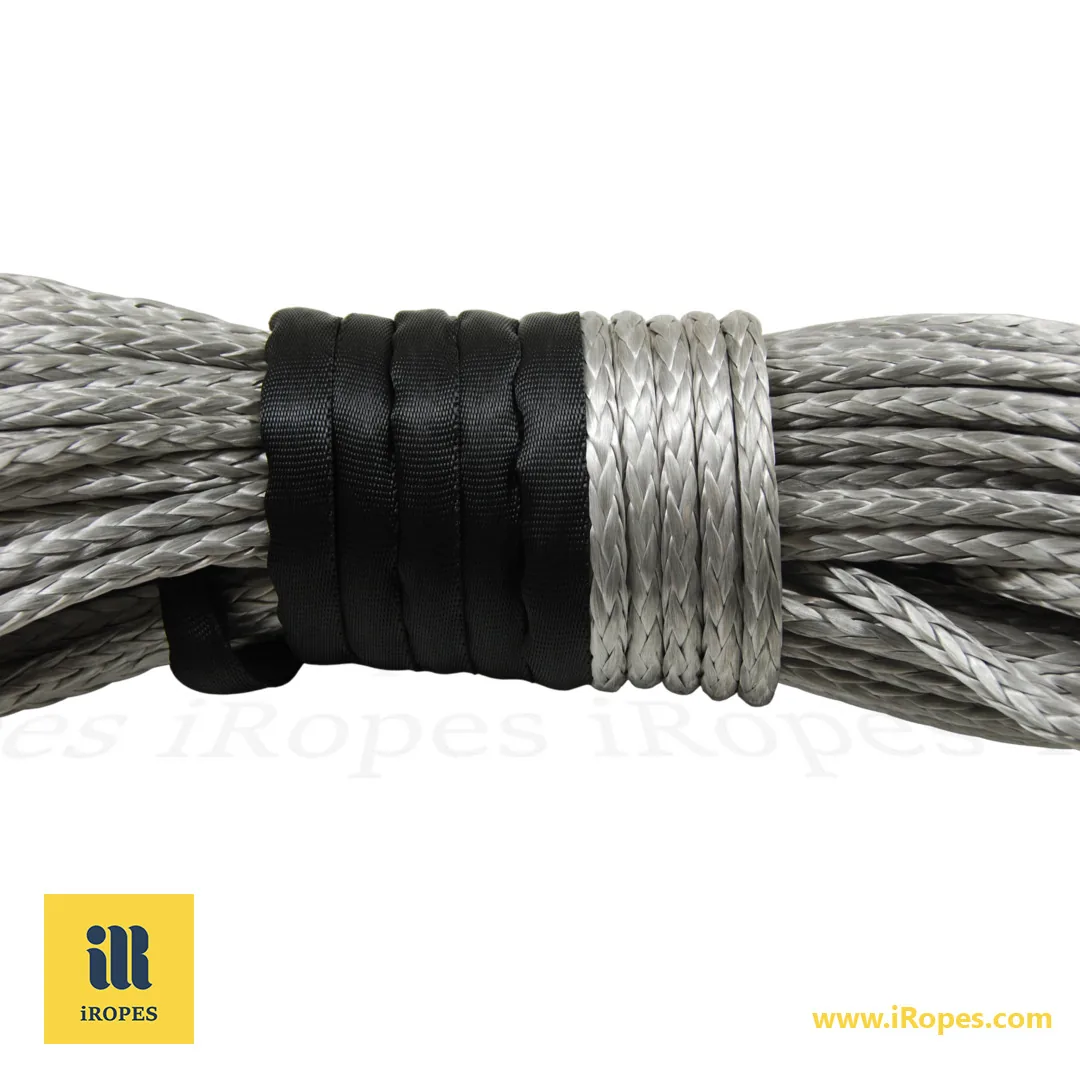
Nylon kinetic ropes deliver up to 30% more pull power and a Working Load Limit of 44,000 lb (MBS ≈ 131,527 lb), significantly outperforming polyester tow ropes that typically cap at around 30,000 lb WLL.
What you’ll learn – 2 min read
- ✓ Boost recovery efficiency by 30% thanks to nylon’s superior elasticity.
- ✓ Handle heavy-duty rigs with a 44,000 lb WLL (MBS ≈ 131,527 lb) – approximately 46% higher capacity than polyester.
- ✓ Extend rope life by approximately 25% longer via UV-resistant, waterproof nylon coating.
- ✓ Tailor length, colour, and accessories to your brand, slashing bulk costs up to 12%.
Imagine you’ve spent hours rigging a 20-ton tractor, only to watch a polyester tow rope snap back with a jarring jerk—a scenario most recovery professionals dread. What if the very rope you trusted could turn that shock into a smooth, 30% boost in pulling force while keeping your hardware intact? In the sections below, we dissect why nylon kinetic recovery ropes win, and reveal the counter-intuitive specifications that make the 2-inch model the undisputed heavy-duty champion.
Understanding the kinetic recovery rope: How it works and key benefits
If you’ve just finished the quick look at the basics, let’s dig a little deeper. A kinetic recovery rope is a specialised rope that harnesses elasticity to store kinetic energy when you pull it taut. That stored energy is then released as the rope stretches back, giving it a smoother, more powerful pull than a rigid tow strap could ever provide. In simple terms, the recovery kinetic rope acts like a giant rubber band that “snatches” the stuck vehicle forward.

Typically, the rope stretches between 20% and 30% of its total length. This amount of elongation is sufficient to absorb the initial shock load, yet it’s controlled so the recovery vehicle never loses traction. Safety is integral to the design: manufacturers publish a Minimum Breaking Strength (MBS), then apply a 3:1 safety factor to derive the Working Load Limit (WLL). In practice, you should never exceed one-third of the rope’s breaking strength, which keeps the system well within its safe operating envelope.
- Energy storage – The stretch stores kinetic energy, adding to your vehicle’s pull and increasing overall recovery power.
- Controlled stretch – 20-30% elongation smooths out sudden jerks, protecting both the rope and the recovery points.
- Built-in safety factor – The 3:1 ratio between MBS and WLL ensures you always work well below the rope’s breaking point.
A kinetic recovery rope doesn’t just pull – it multiplies the force you apply by converting kinetic energy, making the recovery smoother and safer.
These characteristics make the kinetic recovery rope a go-to solution for heavy-duty scenarios, such as tractor pull-outs, semi-truck recoveries, and Class 7-8 vehicle extractions. The combination of elastic energy, a clear safety factor, and robust construction means you get a reliable, repeatable recovery experience without the sudden shock that can damage chassis or injure operators.
Comparing recovery kinetic rope and polyester towing rope: Product features and strength
With the basics of stretch and safety already covered, let’s see how a nylon recovery kinetic rope measures up against a traditional polyester towing rope. The differences are more than academic; they dictate whether a recovery will be smooth and successful or end in costly failure.

Three core areas reveal why the nylon option usually outperforms its polyester counterpart in demanding recovery work.
- Material composition – Double-braided nylon fibres provide higher elasticity than the tighter polyester filaments, allowing the rope to elongate without losing strength.
- Strength ratings – A typical 2-inch nylon kinetic recovery rope offers an MBS around 132,000 lb and a WLL near 44,000 lb. In contrast, a comparable polyester tow rope rarely exceeds 90,000 lb MBS, severely limiting its safe working load to roughly 30,000 lb.
- Durability features – Nylon ropes are coated with a polymeric layer that resists UV degradation, abrasion from rough terrain, and water absorption. Polyester strands, however, can stiffen when wet and show faster fading under sunlight.
Those numbers translate into tangible real‑world performance. When you hook a 20‑ton tractor to a nylon kinetic recovery rope, the stored elastic energy helps pull the vehicle forward without a sudden jerk, keeping both the chassis and recovery points intact. The same tractor attached to a polyester tow rope would experience a harsher pull, significantly increasing the risk of snap‑back or eye‑hole damage.
Always verify that the Working Load Limit of your rope exceeds the recovery vehicle’s GVWR by a comfortable margin; under‑rating the rope can turn a routine pull into a serious safety hazard.
In addition to raw strength, the nylon rope’s ability to absorb shock reduces wear on attachment hardware, meaning soft shackles and chafe sleeves last longer. Polyester’s lower stretch can transmit more force to those same components, accelerating fatigue. Understanding these material, strength, and durability distinctions clarifies why many professionals favour the nylon kinetic design—especially when the job calls for the 2‑inch version that dominates heavy‑duty recovery scenarios.
Why the 2 kinetic recovery rope is the optimal choice for heavy‑duty applications
Having seen how nylon outperforms polyester in both strength and durability, the next logical step is to examine why the 2 kinetic recovery rope becomes the go‑to solution when you’re pulling tractors, semis, or any Class 7‑8 machine.

2-inch Specs
MBS ≈ 132,000 lb, WLL ≈ 44,000 lb – suitable for vehicles up to 37,500 lb GVWR.
Vehicle compatibility is straightforward once you know the numbers. The rule of thumb is to match the rope’s Working Load Limit (WLL) to the recovery vehicle’s Gross Vehicle Weight Rating (GVWR), not the stuck vehicle’s weight. A 2 kinetic recovery rope with a 44,000 lb WLL comfortably supports recovery rigs that weigh between 23,000 lb and 37,500 lb. This means most heavy‑duty tractors, dump trucks, and semis fall right inside the safe zone. If the recovery vehicle exceeds that range, you would need to step up to a larger diameter rope.
iRopes takes those baseline specifications and turns them into a bespoke solution. You can choose the exact length you need—20 ft for tight‑spot rescues or 30 ft when extra reach is required. Colours are fully customisable, allowing you to colour‑code ropes for different crews or environments. Accessories such as soft shackles, chafe sleeves, and reinforced loops are available as separate SKUs or as part of a kit. For those with very specific performance goals, the core type can be swapped (e.g., a parallel core for added stiffness or a flexible core for smoother stretch). Every order benefits from IP‑protected branding, ensuring your logo remains exclusive.
Buying Checklist
Before you finalise a purchase, run through these quick steps: Inspect the braid for any fraying or broken strands; Verify the MBS and WLL markings against the recovery vehicle’s GVWR; Confirm you have soft shackles and a chafe sleeve for the eye‑hole; Store the rope away from chemicals and direct sunlight to preserve the polymeric coating; and finally, Check the colour and branding match your fleet standards.
When you combine these crucial checks with the inherent advantages of a kinetic recovery rope—the stored elastic energy, the 3:1 safety factor, and the proven 20‑30% stretch—you end up with a system that pulls smoother, protects hardware longer, and keeps operators safer. This is why the 2‑inch model consistently emerges as the top choice for any heavy‑duty recovery scenario.
Looking for a personalised rope solution?
When comparing a recovery kinetic rope to polyester, the advantages are clear: nylon’s higher elasticity, superior UV‑resistant coating, and greater breaking strength deliver smoother, safer pulls. As you’ve seen, a nylon kinetic recovery rope outperforms a polyester towing rope in strength and durability, offering a built‑in 3:1 safety factor and 20‑30% stretch. These features protect both hardware and operators. With a breaking strength of roughly 132,000 lb, the 2 kinetic recovery rope provides the essential capacity required for tractors, semis, and other Class 7‑8 machines. iRopes can tailor the length, colour, core type, and accessories to perfectly match your fleet’s branding and performance needs.
For a custom quote or expert advice on selecting the perfect rope for your application, please complete the form above—our specialists are ready to help you.