Upgrade your 4-wheeler winch by replacing the steel cable with synthetic rope—it's 80% lighter and eliminates dangerous recoil snaps, slashing injury risks during ATV recoveries. This DIY switch boosts safety and performance for your off-road pulls.
Master the Upgrade: Key Gains in ~10 Minutes of Reading
- ✓ Spot wear early to avoid breakdowns—learn 3 signs of fraying that signal replacement time, preventing mid-trail failures.
- ✓ Compare materials smartly: Discover why synthetic outperforms steel by 7x in weight-to-strength ratio, easing handling on your 2500-4500 lb ATV.
- ✓ Execute steps confidently: Follow a precise 4-step process to install without snags, including fairlead swaps that extend rope life by 2-3 years.
- ✓ Customise for longevity: Tailor iRopes' UHMWPE options to your specs, gaining 20% better abrasion resistance through expert tweaks.
Steel cables might seem bulletproof for tough trails, yet they pack hidden dangers like violent snaps that hospitalise off-roaders every year. Synthetic ropes from iRopes, however, deliver unbreakable strength without the risk. Imagine effortlessly winching your ATV from mud without the old cable's weight dragging you down. But what if your current setup isn't optimised? Dive in to uncover the exact sizing and custom tweaks that can transform your rig into a safer, lightning-fast recovery machine.
Understanding 4 Wheeler Winch Cable Replacement Needs
Picture this: you're deep in the mud on a backcountry trail, relying on your ATV's winch to pull you out, but the cable starts unravelling mid-pull. Heart-pounding moments like that are why spotting the signs of a failing 4 wheeler winch cable early can save you from bigger headaches. I've been there myself, nursing a frayed line after a rough ride, and it made me realise how quickly wear can turn a trusty tool into a liability.
Over time, your 4 wheeler winch cable takes a beating from the elements—sun, water, rocks, and constant tension. One clear indicator it's time for a new winch cable is visible fraying, where strands start poking out like stray wires on an old extension cord. That isn't just unsightly; it weakens the overall strength, risking snaps under load. Then there's rust, especially on steel cables, which corrodes from the inside out after exposure to moisture during those rainy off-road sessions. If you notice kinks or bird-caging—where the cable strands separate and bulge out—stop using it immediately, as these defects can lead to sudden breaks.
- Performance slips: If the winch struggles to spool smoothly or makes unusual noises, the cable might be binding due to wear, compromising your recovery efficiency.
- Safety red flags: Cuts, abrasions, or exposed inner wires heighten injury risks, such as recoiling snaps that could lash back at you or bystanders during a pull.
- Age and usage: Even without obvious damage, cables over 5-7 years old or after heavy use should be inspected annually to prevent unexpected failures.
These issues aren't just inconvenient; they pose real dangers in remote spots where help is far off. Upgrading to synthetic rope addresses many of these head-on, offering a lighter alternative that doesn't rust and handles better in wet conditions. Think about it—synthetic materials like UHMWPE are incredibly strong yet flexible, making them ideal for ATV recovery tasks where you need quick, reliable pulls without the added bulk.
Performance-wise, synthetic rope cuts down on weight by up to 80% compared to steel, making your winch operate more efficiently and drawing less power from the battery during long recoveries. Safety gets a major boost too, as it lacks the stored energy that makes steel cables dangerous if they break—there's no violent whipping back like a broken rubber band. For ATV enthusiasts tackling steep inclines or boggy terrain, this means fewer worries about line failure mid-operation.

Now, you might wonder, can you replace a winch cable with rope? Absolutely, and it's often the smarter choice for better handling and reduced injury risk. Many off-roaders make this switch for the peace of mind it brings, especially since synthetic options are designed specifically for winches like those on 2500-4500 lb ATVs. This upgrade not only extends your gear's life but also makes every pull feel more controlled and secure.
Once you've identified the need to swap out that old line, exploring the differences between materials will help you pick the best path forward for your rides.
Synthetic Rope vs. Steel: Comparing Your New Winch Cable Options
Now that you've spotted those telltale signs of wear on your current setup, it's time to weigh your choices for a new winch cable. Sticking with steel might feel familiar, but switching to synthetic rope could transform how you handle recoveries on the trail. I've swapped mine out after a particularly muddy outing where the old steel line felt like dead weight dragging everything down, and the difference was night and day—literally lighter on the shoulders and quicker to manage.
Synthetic rope brings several standout advantages that make it a game-changer for ATV work. For starters, its reduced mass—often seven times lighter than steel of the same strength—means less strain on your winch motor and easier manual adjustments when you're rigging up a pull. No more wrestling with a heavy, uncooperative line that saps your energy before the job even starts. Handling it feels more intuitive too; it bends and coils without the stiffness of metal, letting you thread it through tight spots or around obstacles without fighting kinks.
One of the biggest wins comes in safety during those high-stakes moments. Unlike steel, synthetic doesn't store dangerous kinetic energy, so if it snaps under tension, it simply falls limp rather than whipping back like a live wire. That alone has prevented many close calls during group rides. Plus, it floats on water, which is a lifesaver if you're winching out of a creek or bog—no sinking and tangling to complicate things.
Synthetic Rope Wins
Lighter, Safer, Smarter
Superior Strength-to-Weight
Delivers equal or greater pulling power without the bulk, ideal for extended off-road use.
No Hazardous Recoil
Falls slack on failure, minimising injury risks compared to snapping steel.
Easier to Grip and Guide
Smooth surface reduces cuts and splinters, even with gloves on.
Steel Cable Strengths
Tough in Harsh Conditions
High Abrasion Resistance
Withstands scraping against rocks better than most synthetics out of the box.
Heat Tolerant
Handles friction from fast spooling without melting or weakening quickly.
Lower Upfront Cost
Often cheaper initially, though long-term maintenance can add up.
Of course, synthetic isn't without its challenges—it's more prone to abrasion from sharp edges, like rocks or rusty bumpers, which can wear it down faster if not protected. Heat from rapid spooling can also soften it temporarily, and prolonged sun exposure might degrade cheaper versions over time. But that's where quality matters: premium synthetics made from ultra-high-molecular-weight polyethylene (UHMWPE), like those from iRopes, incorporate built-in chafe guards and UV stabilisers to push back against these issues. Their ropes hold up remarkably well, even in demanding spots like rocky Australian outback trails or European forest paths.
So, what is better for a winch, rope or cable? For most ATV applications, synthetic rope takes the edge in safety and overall performance. It shines in everyday recoveries where quick handling and low risk outweigh the occasional need for extra toughness. Steel still has a place in extreme industrial scenarios, but for your 4-wheeler's adventures, the upgrade to synthetic often means fewer hassles and more confidence on the throttle.
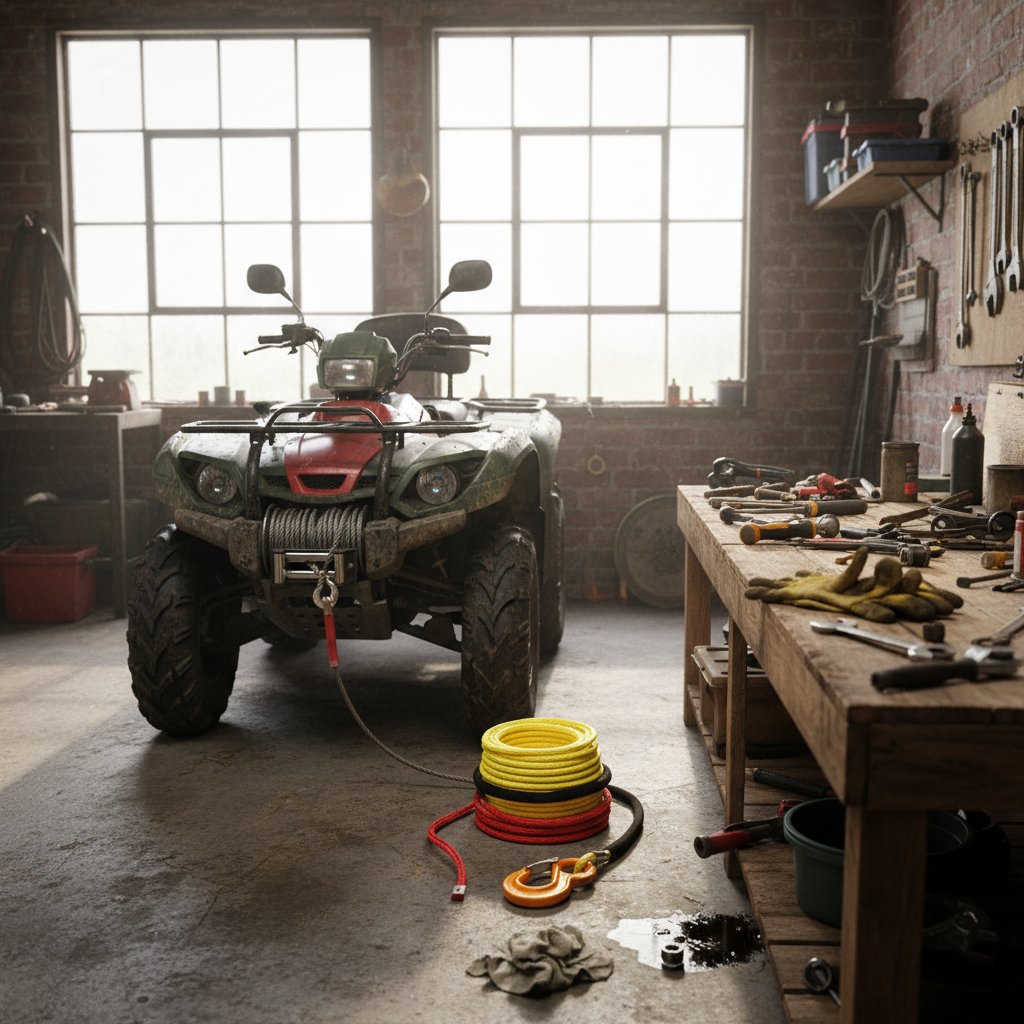
Armed with this comparison, gathering the right tools and materials will set you up for a straightforward swap that keeps your rig ready for the next muddy challenge.
Step-by-Step Guide to Replacing ATV Winch Cable with Rope
With the advantages of synthetic rope clear in your mind, it's time to roll up your sleeves and tackle the replacement yourself. This process isn't overly complicated if you take it methodically, ensuring your ATV will be back to reliable recoveries in no time. I remember my first swap on a muddy weekend project—it felt daunting at first, but breaking it down made it straightforward, leaving me with a setup that handled the next trail like a dream.
Start by pulling together the essentials to avoid mid-job frustrations. You'll need heavy-duty gloves to protect your hands from any sharp edges, wire cutters or bolt croppers for safely severing the old line, and a socket set or wrenches to loosen fittings. Don't forget eye protection and a sturdy towel or rag for cleanup. If your current setup uses a roller fairlead, grab a new hawse fairlead designed for synthetic materials—it's a key upgrade we'll cover shortly. Finally, have your new synthetic rope ready, measured to your winch's specs, along with any attachments like a thimble or hook. Before diving in, give the winch drum a close look: check for grooves, rust, or dents that could snag the fresh line. A smooth drum ensures even spooling and prevents premature wear.
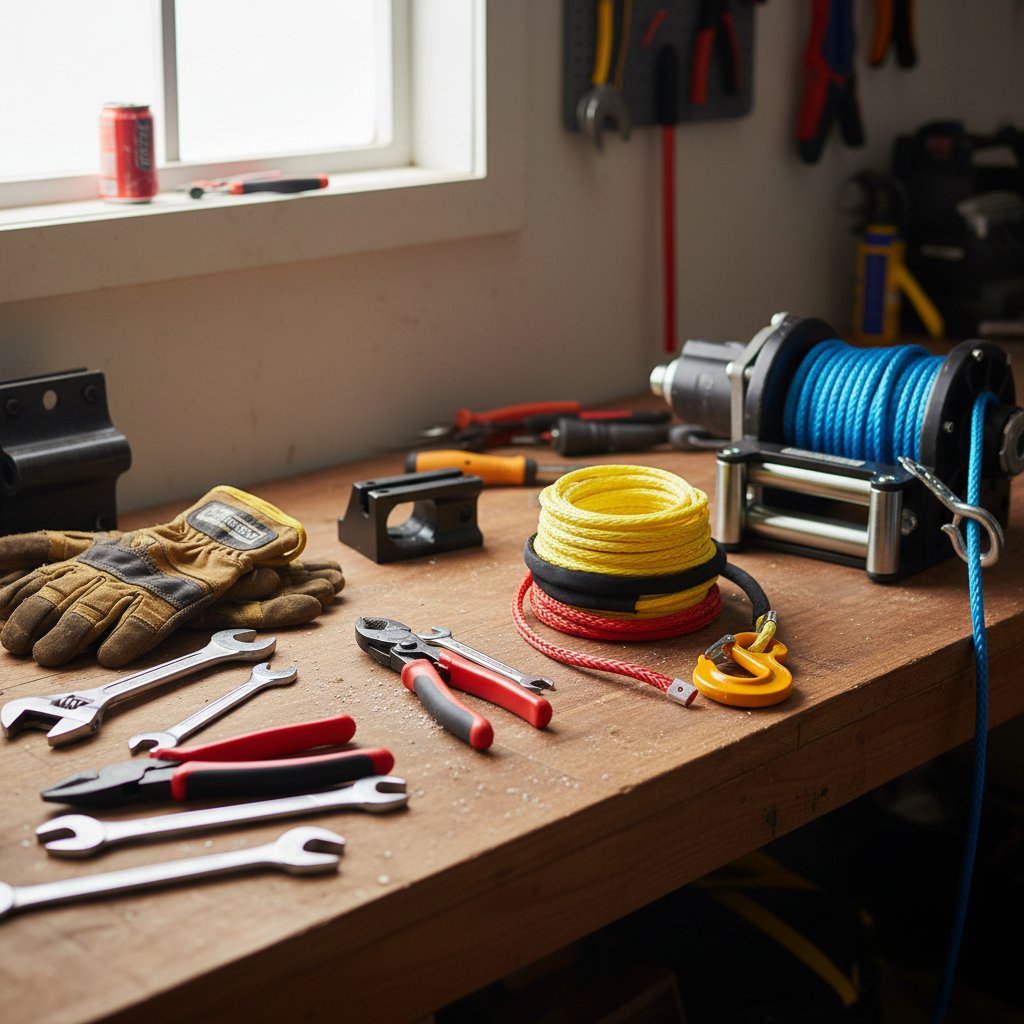
Now, let's walk through the replacement process. First, release the winch clutch to free-spool the old cable, then carefully unspool it onto the ground or a reel—never let it tangle or snap back. Disconnect the hook end, and if it's steel, use cutters to remove it from the drum's anchor post, working slowly to avoid flying bits. Once off, wipe down the drum with a degreaser and inspect again; sand lightly if needed for a clean surface. This prep step is crucial because any debris could cause uneven winding later on.
- Secure the end of your new synthetic rope through the drum's anchor hole, tying a secure knot or using the provided crimped fitting—feed about 6-8 wraps onto the drum by hand to start.
- Re-engage the clutch and spool under light tension, either by hand-pulling against a fixed point or using a vehicle helper; this keeps layers tight and prevents embedding.
- Attach the end fittings, like threading through a thimble and securing with a shackle, then run a full test pull with no load to check for smooth operation.
One common question here is whether you need to change the fairlead when switching to synthetic rope. Yes, absolutely—opt for a hawse fairlead, which has a smooth, rounded guide that won't fray the fibres like a roller type might. Install it by bolting it to the bumper in place of the old one, aligning it directly with the drum for straight pulls. After spooling, test everything: power the winch in and out a few times, listening for even motor hum and watching for loose spots or overheating.
If spooling issues pop up, like bird-nesting where loops overlap messily, stop and rewind under firmer tension—this is often caused by insufficient initial wraps or wind gusts during the job. A quick fix is to apply slight brake pressure while powering in. With these steps done, your rig is set, but picking the perfect length and strength for that new line will lock in peak performance for years of trails ahead.
Choosing and Maintaining Your New Winch Cable for Optimal Performance
Now that you've got that fresh synthetic line spooled up nice and tight on your ATV, the real key to keeping it performing like new lies in picking the right specs from the start and staying on top of its care. Get this part wrong, and you might end up back at square one sooner than you'd like. Think about your last ride—did the terrain chew through gear faster than expected? Matching your new winch cable to your setup avoids that frustration entirely.
First things first, sizing matters a lot here. You can't just grab any length or thickness; it has to fit your winch's pull rating and your ATV's weight class. For most 4-wheelers in the 2500-4500 lb range, like popular models from Polaris or Yamaha, aim for a diameter that handles the load without overwhelming the drum. Too thin, and it risks stretching under pressure; too thick, and it won't layer properly. What size cable on an ATV winch? It depends on your model's capacity—here's a quick guide to help you nail it.
| Winch Capacity (lbs) | Recommended Rope Diameter (inches) | Typical Length (feet) | ATV Weight Class (lbs) |
|---|---|---|---|
| 2500 | 3/16 - 1/4 | 50 | Up to 1000 |
| 3500 | 1/4 - 5/16 | 60-70 | 1000-2000 |
| 4500 | 5/16 - 3/8 | 80 | 2000-3000 |
This chart lines up common setups, but always cross-check your winch manual for exact drum dimensions. For instance, a 3500 lb winch on a mid-size quad pairs perfectly with 1/4-inch rope, giving you enough wraps without slack. Undersizing leads to overload failures, while oversizing cramps the storage—I've seen buddies struggle with both on group trips.
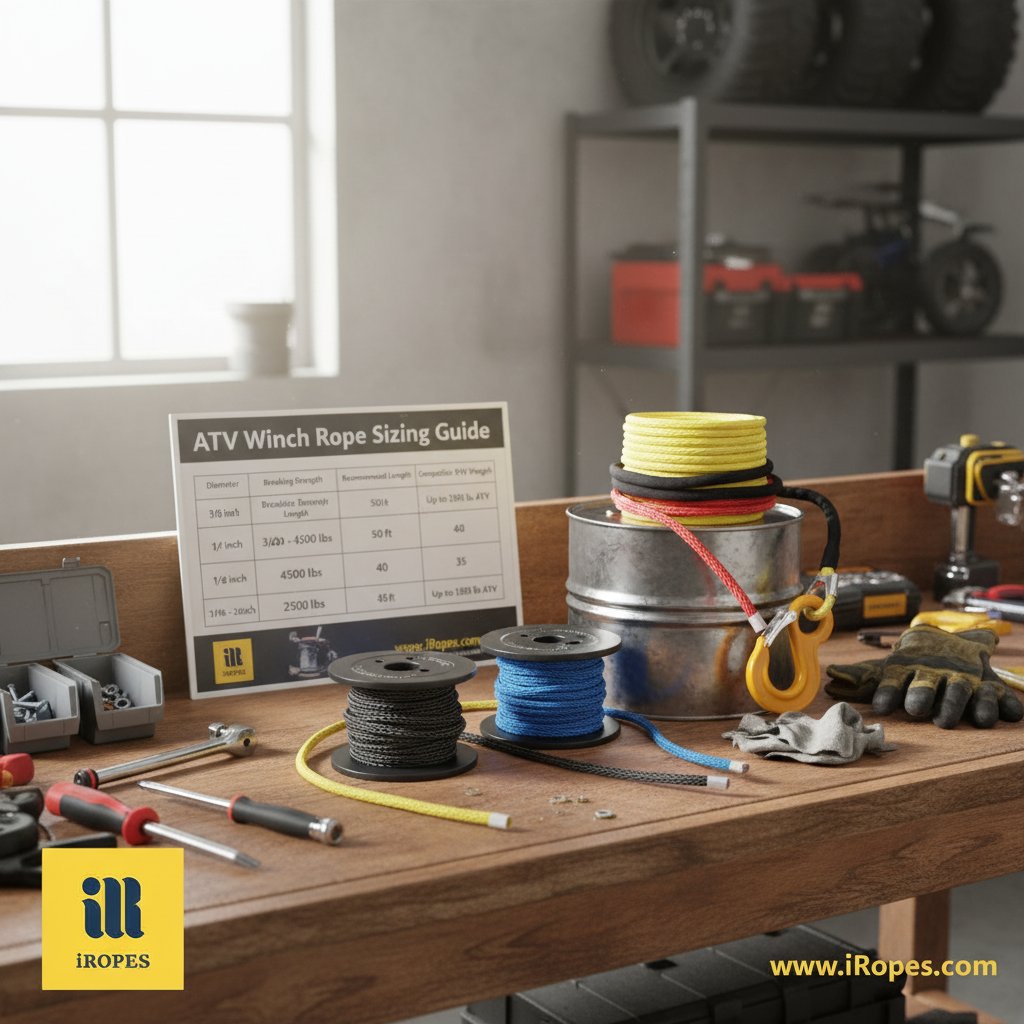
That's where partners like iRopes come in handy—they specialise in tailoring these details for wholesale customers worldwide, from dusty Australian tracks to Europe's winding paths and the Middle East's rugged dunes. With comprehensive OEM and ODM services, iRopes can customise your order with specific strength requirements for heavy pulls, vibrant colours to spot your line in low light, or exact lengths that fit without excess. Add-ons like protective sleeves or custom hooks round it out, all built to your brand if you're outfitting a fleet. It's not off-the-shelf; it's dialled in for what you face daily.
Once installed, maintenance keeps that investment going strong. Rinse off mud and grit after every outing with fresh water to prevent embedded debris from weakening fibres over time. For UV protection, store it out of direct sun when not in use—cheap covers work wonders in sunny climates. And inspect monthly: look for frays or stiffness, especially at contact points. A simple once-over caught a small cut on my setup once, saving a full redo.
- Quick clean routine: Soak in mild soap solution quarterly, then air dry to maintain flexibility without harsh chemicals.
- UV shielding: Apply rope-specific protectant sprays annually to block degradation from prolonged exposure.
- Load checks: Verify no kinks or bird's nests after spools; rewind if needed to ensure even tension.
Safety ties right into this—always wear gloves when handling to avoid fibre splinters, and never exceed 80% of the rope's rated pull to build in a margin. Accessories like thimbles reinforce eye loops against chafe, while soft shackles replace metal ones for lighter, safer rigging. Pair these with your custom setup, and you're set for trails that test limits without the worry.
Upgrading your 4 wheeler winch cable to a synthetic rope isn't just a fix—it's a game-changer for safer, smoother ATV recoveries on those rugged trails. From spotting frayed lines and rust to the step-by-step swap using tools like hawse fairleads and tension spooling, you've got the know-how to do it yourself. Synthetic options shine with lighter weight, no recoil risks, and easy handling, outperforming steel in most off-road scenarios. iRopes delivers customised solutions in strength, colour, specs, and accessories, hot-selling across Australia, Europe, and the Middle East.
Choosing the right new winch cable size—say 1/4-inch for a 3500 lb winch—and maintaining it with regular cleans and UV protection keeps your setup reliable. For replacing ATV winch cable with rope tailored to your adventures, personalised guidance can take it further.
Need Custom Winch Rope Advice? Get in Touch
If you're keen on a bespoke synthetic rope that fits your ATV perfectly, fill out the form above—our team at iRopes is here to help with expert recommendations for your next off-road upgrade.
