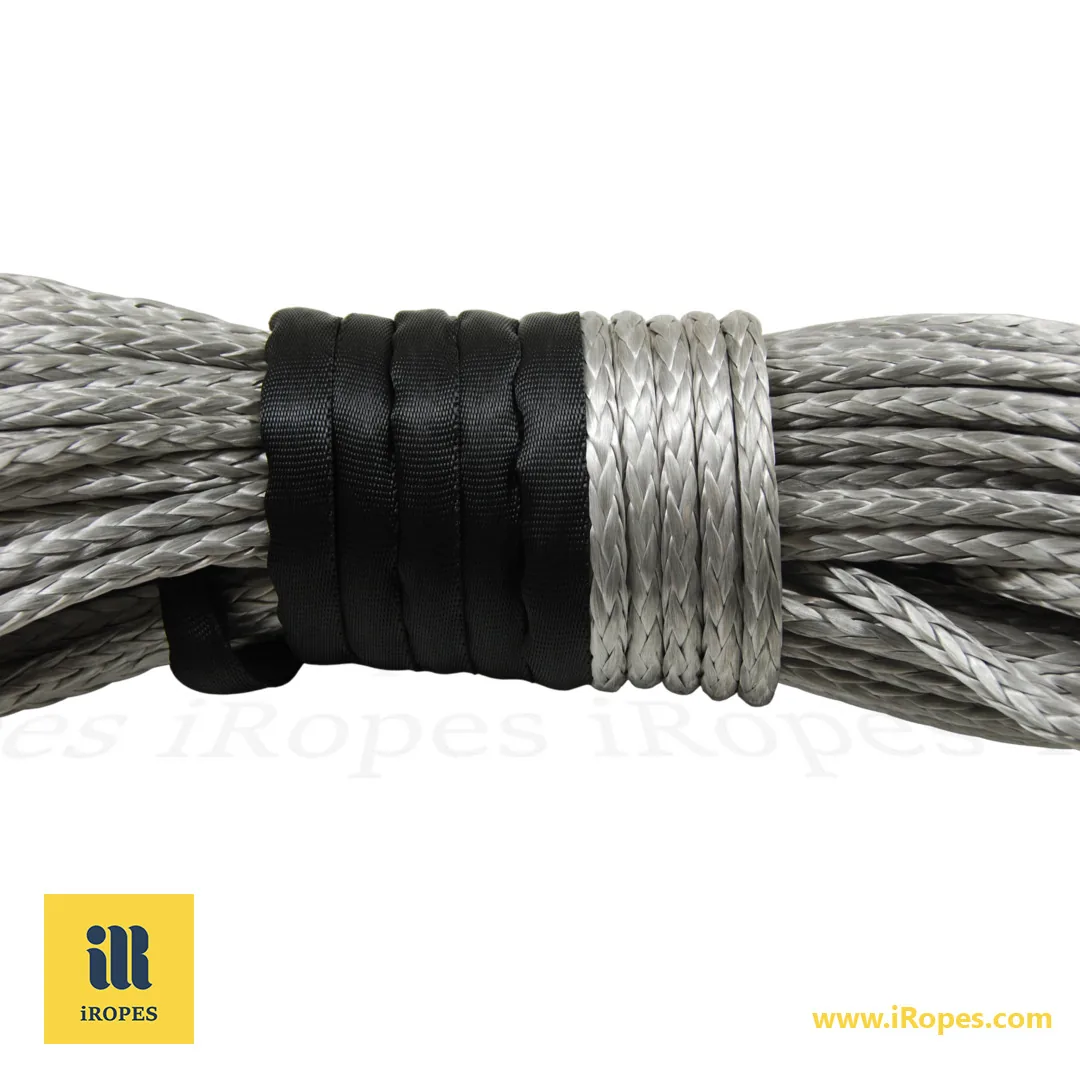
Boost your wholesale rope margins with iRopes’ custom polypropylene and blue poly‑cotton lines — a proven formula trusted by wholesalers worldwide.
Quick summary: What you’ll gain
- ✓ Cut production costs by leveraging iRopes’ OEM‑ODM scale
- ✓ Accelerate market entry — pallet‑ready shipments arrive in 2‑4 weeks
- ✓ Protect your designs with IP‑sealed NDA and trademark support
Most wholesalers assume that off‑the‑shelf rope is the quickest route to market, yet that shortcut often inflates inventory costs and dilutes brand impact. What they don’t realise is that iRopes’ engineering team pairs the exact tensile rating with a custom‑dyed blue poly‑cotton finish, streamlining development and turning every coil into a branded asset for your rope business. The sections below reveal how to replicate this edge.
Rope Business Opportunities and iRopes’ OEM/ODM Edge
Now that you’ve seen how the global rope market reached roughly US$5 bn in 2023 and is climbing at a 5.2% CAGR, you can understand why the rope business feels like a fast‑moving freight train. New‑build vessels, expanding off‑road industries and a surge in outdoor recreation all need reliable synthetic rope, and that demand creates space for wholesalers who can offer customised solutions. iRopes supports sectors from off‑road and yachting to tree work, camping, industrial tie‑downs, spearfishing, air and defence.

Three forces are pushing that growth even faster:
- Infrastructure upgrades – governments are investing in ports and transport corridors that require heavy‑duty tie‑down ropes.
- Outdoor lifestyle boom – more people are camping, sailing and racing, increasing demand for lightweight, colour‑coded lines.
- Regulatory pressure – safety standards call for certified synthetic ropes, creating a niche for OEM partners who can prove compliance.
When you compare the OEM model to a traditional retail approach, the difference is stark. As an OEM partner, you hand over a design brief and iRopes takes care of fibre selection, colour matching, testing and packaging, all under a single ISO 9001‑certified roof. With 15 years of manufacturing experience in China and a portfolio spanning UHMWPE, Technora™, Kevlar™, Vectran™, polyamide and polyester (plus multiple coating options), iRopes delivers “Made‑in‑China” quality at global scale.
Partnering with iRopes means you can focus on your brand while we handle fibre selection, colour matching, testing and pallet‑ready delivery — a seamless OEM experience that protects your design every step of the way.
Intellectual‑property protection is baked into every project. Before any design files cross the border, iRopes signs a non‑disclosure agreement, stores the artwork securely and, if required, supports your trademark documentation for colour‑specific branding. The result is a rope that looks and feels exactly as you imagined, without the risk of a copycat undercutting your market.
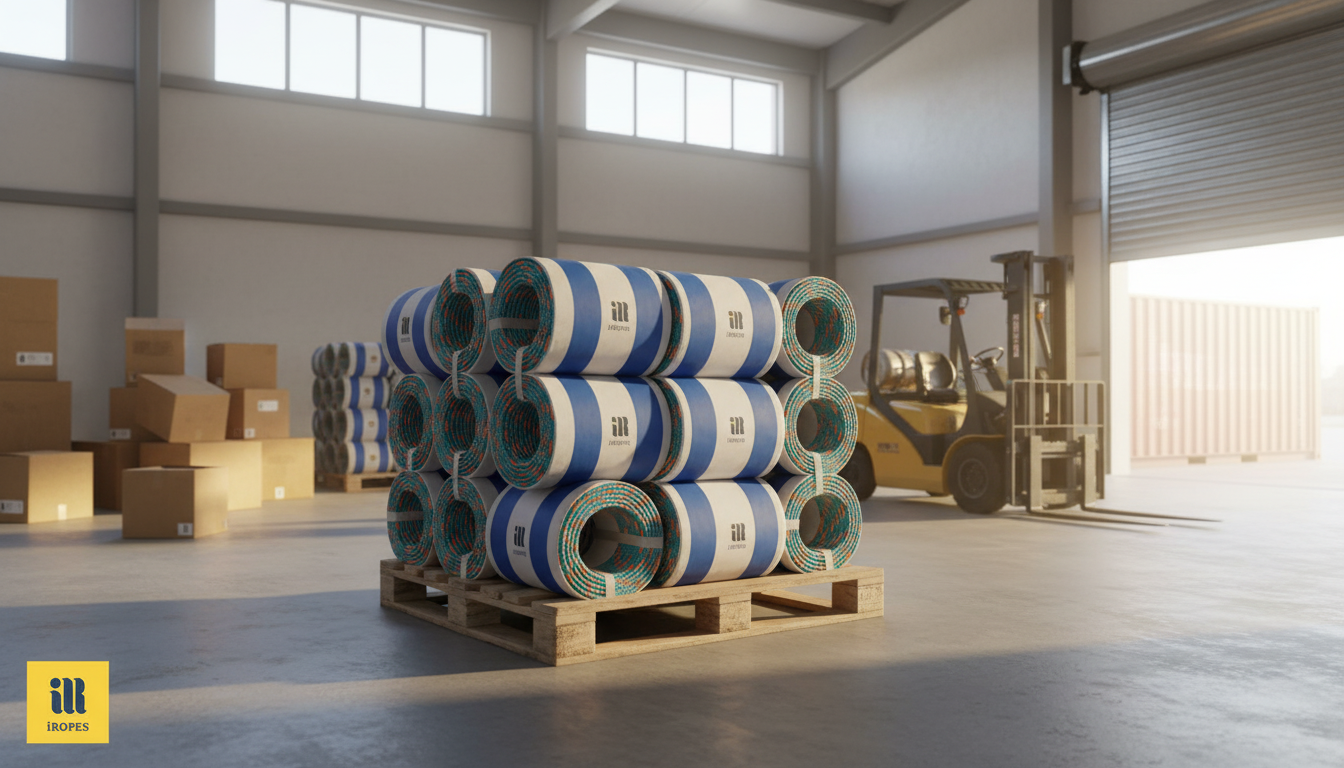
Logistics are another quiet win. Standard coils ship on pallets to ports worldwide within two to four weeks, while custom‑dyed batches — like a vibrant blue poly‑cotton line — typically arrive in four to six weeks. Because the factory loads pallets directly onto ocean containers, you avoid extra handling fees and get a door‑to‑door schedule you can promise your customers.
With the business foundation set, we now turn to the material science of polypropylene rope before diving into the vibrant niche of blue poly cotton rope.
Polypropylene Rope: Properties, Advantages, and Disadvantages
Building on the market overview, let’s dive into the material that powers many of the ropes you’ll source for marine, off‑road and recreational projects. Polypropylene rope is engineered from a thermoplastic polymer that melts at about 160 °C, then is extruded into filaments, twisted or braided into the final line. The process is efficient, cost‑effective, and yields a rope that is both lightweight and buoyant.
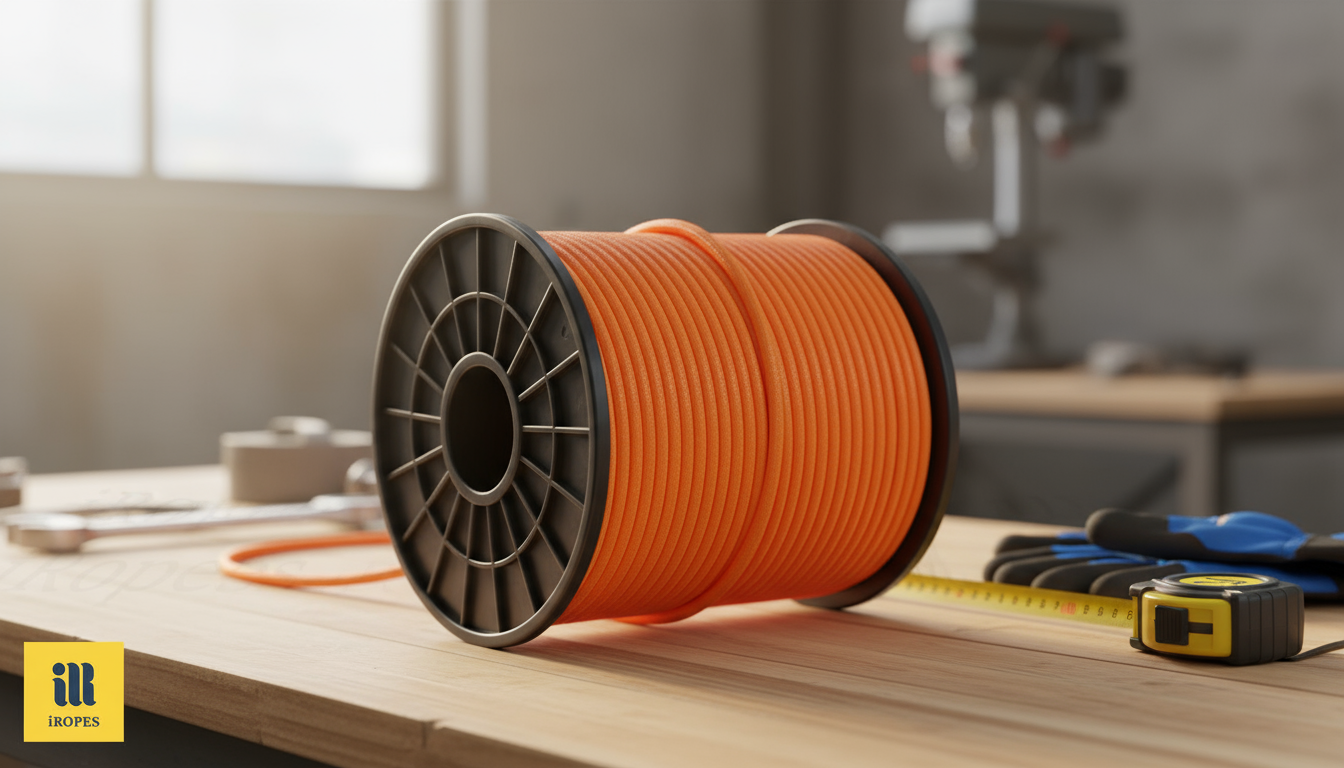
Key properties that make this fibre attractive to wholesalers include:
- Floatation – the material’s density is lower than water, so the rope naturally floats.
- Rot‑proof – it does not absorb moisture, eliminating fungal growth in humid environments.
- UV resistance – standard grades tolerate moderate sunlight exposure, though prolonged UV can cause gradual degradation.
- Tensile‑strength range – from roughly 1 500 lb for a ½‑inch line up to 25 000 lb for a 2‑inch heavy‑duty braid.
To explore the most common applications, read our article on the top uses for polypropylene ropes.
However, no material is perfect. Below are the most common drawbacks that buyers should weigh when specifying polypropylene rope for critical loads.
- Low UV resistance — extended sunlight can cause surface chalking and loss of strength after about 150 hours of exposure.
- Reduced abrasion tolerance — the smooth polymer surface wears faster than polyester or nylon when sliding over rough surfaces.
- Brittleness in cold climates — below 0 °C the rope stiffens, increasing the risk of cracking under sudden loads.
When you compare polypropylene rope with a polyester alternative, the trade‑offs become clearer. The side‑by‑side showcase below summarises strength, cost and floatation, giving you a quick reference for specification sheets.
Polypropylene
Strength ≈ 1 500 lb (½‑inch), cost ≈ 30% lower than polyester, natural floatation makes it ideal for marine lines and buoyancy‑critical applications.
Polyester
Strength ≈ 2 000 lb (½‑inch), cost ≈ 15% higher, sinks in water but offers superior UV and abrasion resistance for long‑term outdoor use.
When to Choose
Pick polypropylene when you need a lightweight, floating line for boats, docks or temporary rigging. Opt for polyester where UV exposure and abrasion are dominant concerns.
Understanding both the strengths and the limitations of polypropylene rope equips you to match the right line to each client’s need. Armed with this knowledge, the next step is to explore the colourful niche of blue poly‑cotton rope and the branding opportunities it opens.
Blue Poly Cotton Rope: Definition, Uses, and Customisation
After unpacking the science of polypropylene, let’s turn the spotlight onto the vibrant niche of blue poly cotton rope. This material blends the durability of synthetic fibres with the natural feel of cotton, then receives a specialised dyeing process that locks in a deep marine‑blue colour. The result is a rope that not only performs reliably but also carries a visual identity that can set a brand apart.
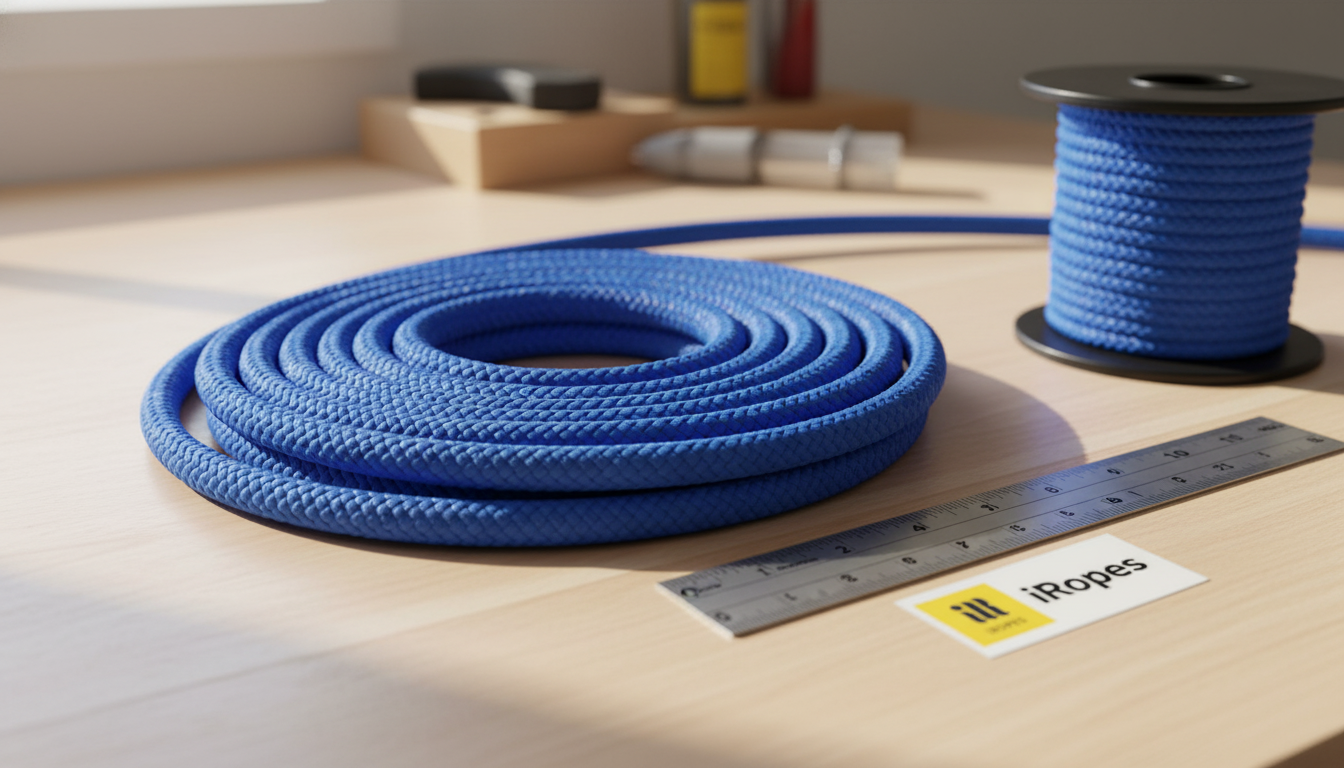
In industry circles the product is often referred to as “blue‑dyed poly‑cotton rope” or simply “blue rope”. It sits between pure polyester lines and pure cotton twine, offering a moderate tensile strength while remaining soft enough for hand‑splicing or decorative finishes. The dyeing stage takes place after the fibres are spun but before the final braiding, allowing the colour to permeate every strand rather than just coating the surface.
Colour psychology and branding power
Blue is more than a hue; it evokes calm, reliability and a connection to water. For marine suppliers, a blue line instantly signals “sea‑ready”. Sports equipment brands lean on the colour to suggest speed and trust, while interior designers use it as a cool accent that harmonises with both neutral and vibrant palettes. By choosing a custom shade of blue, you give your product a visual cue that can influence purchasing decisions before a single specification is read.
Typical specifications you can count on
Specs Snapshot
Standard diameters run from 1/8″ (≈ 250 lb break strength) to 1/2″ (≈ 4 800 lb). A safety factor of five is typical for static loads, meaning a 1/4″ line rated at 1 200 lb can safely handle 240 lb in service. The blend offers moderate elongation for secure knots without excessive stretch.
Where the blue rope really shines
Because the colour is instantly recognisable, many sectors adopt it for functional marking as well as aesthetic appeal. Typical applications include:
- Mooring & dock lines – the blue tone stands out against hulls and decks, making inspections quick.
- Camping & trekking gear – colour‑coding helps users locate emergency lines in low‑light conditions.
- Decorative marine installations – the hue complements aqua‑themed interiors and outdoor sculptures.
- Safety‑line marking – blue ropes signal evacuation routes or equipment zones on construction sites.
All of these uses benefit from the rope’s balanced performance: enough strength for load‑bearing tasks, a soft hand for easy handling, and a colour that doubles as a branding statement. When you pair this material with iRopes’ OEM capabilities — custom length, non‑branded or customer‑branded packaging, and IP‑protected designs — you get a product that can be marketed as a distinctive line rather than a generic utility rope. Discover our premium quality rope solutions across industries.
Now that you see how the blue poly‑cotton blend can be specified, packaged and positioned, the next step is to learn how to calculate the right load rating, choose the optimal packaging, and manage international shipping for a smooth wholesale experience.
Buying Guide for Wholesalers: Selecting, Packaging, and Shipping
Having uncovered the appeal of blue poly‑cotton rope, the next logical move is to turn that appeal into a reliable supply chain. Below you’ll find the exact steps that turn a colour concept into a sellable product line, from load‑rating calculations to the final pallet arriving at your customer’s dock.
First, confirm the line can safely carry the intended load. The industry‑standard formula is simple: load = tensile strength ÷ safety factor. For most static applications a safety factor of 5 is recommended. If you need a working load of 800 lb, you would select a rope with at least 4 000 lb break strength (800 × 5). Once the strength target is set, consult the diameter‑strength chart to pick the smallest size that meets or exceeds that break rating — this optimises material cost while keeping the rope easy to handle.
- Calculate the required break strength using load × safety factor.
- Match that strength to the nearest standard diameter in the spec table.
- Round up to the next available size if the exact value falls between two diameters.
Packaging choices are the next lever for profit and brand visibility. iRopes offers three core options:
- Bags – poly‑bags printed with your logo, ideal for retail‑ready kits.
- Colour boxes – rigid cartons that showcase the blue hue and protect the rope during long hauls.
- Bulk coils – open‑ended reels for large‑volume orders, shipped on standard pallets.
Minimum order quantities start at 500 ft per colour, with bulk discounts from 1 000 ft. Because each option can carry your branding, you turn a utilitarian product into a marketing asset without extra design fees.
Shipping logistics often decide whether a wholesale partnership thrives or stalls. The key considerations are:
- Customs documentation – ensure the commercial invoice lists the correct HS code (typically heading 5607 for rope and cordage; confirm locally) to avoid delays.
- Incoterms selection – FOB works well when you have a local freight forwarder; DDP simplifies the process for customers unfamiliar with import duties.
- Lead‑time buffers – allocate an additional week beyond the quoted production window to accommodate port congestion or seasonal surges.
Our customers appreciate the transparent MOQ tiers and the ability to showcase their logo on every bag — it turns a simple rope into a brand statement.
Ready to move from planning to production? Click the “Request a Quote” button below, download the ISO‑certified specification sheet, and subscribe to the rope‑tech newsletter for quarterly updates on new blends, pricing trends, and export‑ready packaging solutions.
By combining a booming US$5 bn market with iRopes’ 15‑year, ISO 9001‑backed expertise across 2 348 cordage types — from UHMWPE, Technora™ and Kevlar™ to Vectran™, polyamide and polyester — wholesalers can unlock high‑margin growth. Understanding the floatation, cost advantage and UV profile of polypropylene rope lets you position it for marine and off‑road projects, while the distinctive blue poly cotton rope adds branding power through colour psychology and versatile load ratings. Armed with load‑rating formulas, MOQ guidance, and IP‑protected OEM/ODM services, you’re ready to turn technical insight into a profitable product line for your rope business.
Request a personalised rope‑business consultation
If you’d like tailored advice on specifying polypropylene rope or creating a custom blue poly cotton rope range, simply complete the form above and our specialists will get in touch.