HMPE fibres in modern rope tech deliver 15x steel's strength by weight, slashing marine rope failure risks by up to 50% in UV-drenched saltwater battles—transforming yachting and spearfishing endurance overnight.
Unlock Marine Mastery in ~12 Minutes → Discover Tech That Lasts
- ✓ Grasp synthetic fibres like Dyneema for 15x lighter loads without sacrificing strength in yacht rigging.
- ✓ Master braided constructions that cut elongation by 3% for precise spearfishing control under dynamic waves.
- ✓ Apply coatings extending rope life 50% against abrasion—solving saltwater wear headaches for pros.
- ✓ Nail selection via ISO-tested metrics, gaining confidence in 5-10 year durability for your custom setups.
You've always thought ropes were just tough fibres twisted together, reliable but unremarkable in the relentless sea. Yet here's the twist: cutting-edge tech like hydrophobic shields and kernmantle builds defy that notion, turning ordinary lines into unbreakable allies that outlast storms by halves. Imagine your yacht slicing waves without a single snap. What hidden fibre secret ensures they never falter when survival hangs by a thread? Dive in to uncover the innovations reshaping your marine world forever.
Rope Technologies: Innovations in Synthetic Fibres for Marine Applications
Imagine setting out on a yachting adventure, battling relentless waves and harsh sunlight, only to have your ropes hold strong without a hint of fatigue. That's the promise of modern rope technologies, where the shift from old-school natural fibres like hemp or manila to cutting-edge synthetics has transformed marine endurance. Natural ropes soaked up water, stretched unpredictably, and frayed quickly in saltwater—problems that left sailors frustrated and equipment at risk. Today, synthetic fibres step in as game-changers, offering lightness and power that feel almost unbelievable when you're hauling lines under pressure.
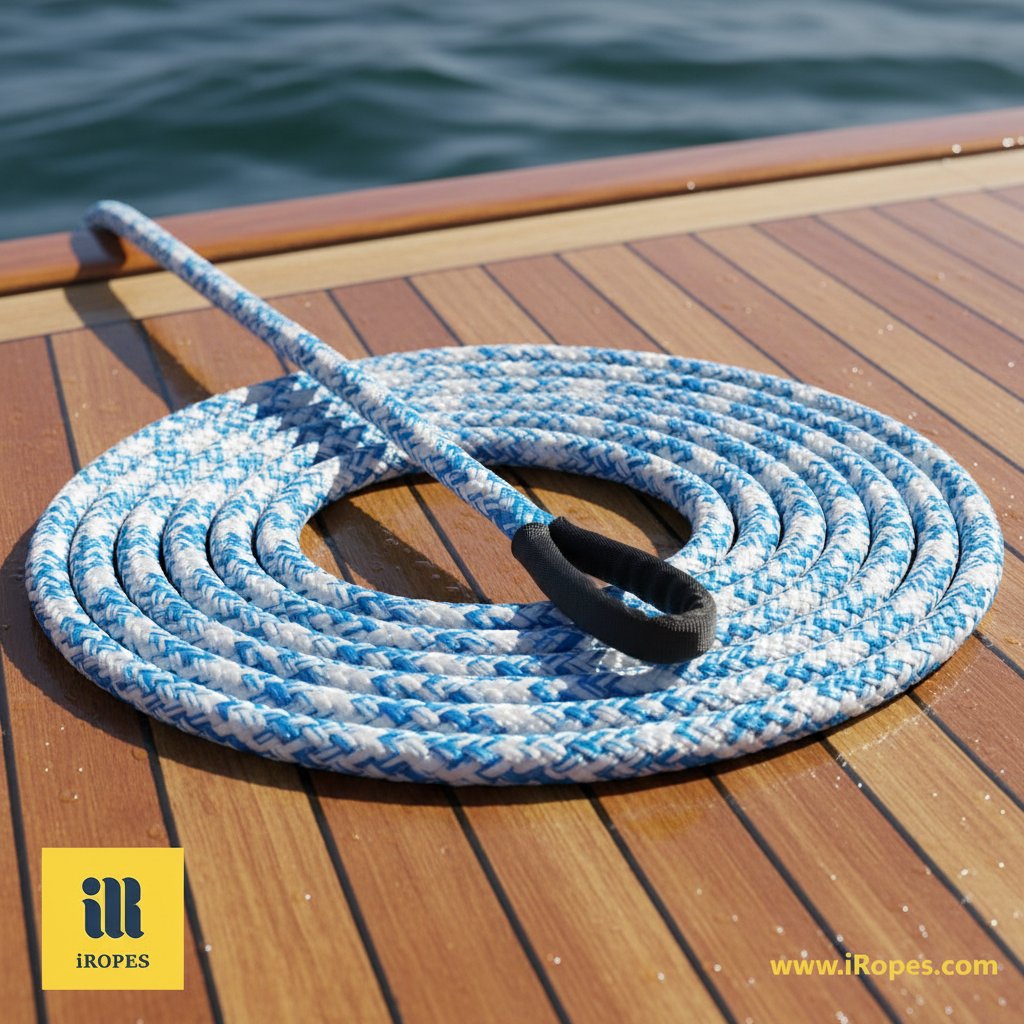
At the heart of these rope tech advancements are materials like HMPE (high-modulus polyethylene), often branded as Dyneema, and aramid fibres such as Kevlar. These aren't just tougher versions of what came before; they're engineered for extreme conditions. HMPE, for instance, boasts a strength-to-weight ratio that's revolutionary—it's about 15 times stronger than steel by weight, making it ideal for yachting lines where every gram counts. If you're wondering what the strongest rope fibres are, HMPE tops the list for marine applications, delivering immense power without the bulk that could slow you down.
What makes these fibres shine in the salty, sun-soaked world of spearfishing or mooring? Their core properties truly seal the deal. UV resistance keeps them from breaking down under prolonged exposure to sunlight, a common killer for older materials. Low stretch means your ropes respond precisely to your commands, reducing energy loss during dynamic loads like sudden gusts on a boat. And abrasion durability? This is crucial when ropes rub against rough hulls or rocks; these synthetics shrug off wear that would shred traditional options.
- UV Resistance: Shields fibres from solar degradation, maintaining integrity over long voyages at sea.
- Low Stretch: Ensures minimal elongation under load, providing control and safety in variable marine conditions.
- Abrasion Durability: Withstands friction from saltwater contact and gear, extending usability in rugged environments.
Have you ever tailored a tool to fit your exact needs? At iRopes, that's exactly what we do with our customisation options for these fibres. Our specialists guide you in picking the right one—say, aramid for heat-prone spearfishing spots or HMPE for lightweight yachting—while upholding ISO 9001 quality standards. This means every rope we craft isn't just strong; it's built for your specific marine challenges, from deep-sea dives to coastal anchoring. We ensure each solution meets rigorous compliance standards.
With foundational materials established, understanding how these fibres are assembled through advanced construction techniques elevates overall rope performance in demanding marine settings.
Rope Tech: Advanced Construction Techniques Enhancing Marine Rope Durability
Now that we've explored those powerhouse synthetic fibres, let's dive into how they're woven together. It's the construction that turns raw strength into something you can truly rely on at sea. Think of it like building a house: the materials matter, but the framework decides if it stands up to storms. In rope tech, advanced techniques like braiding and twisting create ropes that handle the twists and turns of yachting or spearfishing without giving way.
Braided constructions dominate modern marine ropes for their balance of power and pliability. Double braid, for example, layers an outer jacket over a core, offering smooth handling and even load distribution—perfect when you're adjusting sails under wind pressure. Explore our double braid polyester yacht ropes for low-stretch, UV-resistant options customized for marine use. Kernmantle, another braided star, features a protective sheath around a straight core; it's what climbers and rescuers swear by, and for good reason. What is kernmantle rope, you might ask? It's essentially a sheath-core design that delivers balanced strength while keeping things flexible enough for quick knots or rescues, ensuring safety when every second counts in a marine mishap.
Compare that to twisted designs, where fibres spin around a central axis like a rope ladder. They're simpler and often cheaper, but they stretch more under load, which can be a liability in high-stakes yachting where you need precision. Braided options win for flexibility and load handling, resisting kinks that could snag your gear mid-voyage. I remember helping a friend rig his boat once; switching to a double-braided line made all the difference—less fighting with tangles, more focus on the water.
Braided Constructions
Superior flexibility for dynamic marine tasks like yachting manoeuvres.
Low Elongation
Reduces stretch for precise control in spearfishing lines.
Twisted Designs
Cost-effective but higher stretch suits static mooring.
Enhanced Spliceability
Easier joins for secure mooring setups.
Delving deeper, the number of strands and core types fine-tune these builds. More strands mean greater flexibility but potentially less grip, while parallel cores minimise elongation—vital for spearfishing where a taut line prevents fish from slipping away. For mooring, a twisted core boosts spliceability, letting you connect sections reliably without weak points. At iRopes, our OEM and ODM services shine here, crafting constructions like low-stretch braids for control lines that match your exact marine demands, all while meeting global standards. We consider factors like strand count and core type to ensure optimal elongation and functionality for various applications, including bespoke spearfishing or mooring ropes.
Ever wondered how these choices affect real-world rope performance? Fewer strands might suit heavy loads in yachting for better abrasion hold, but always test for your setup. Our team collaborates to tweak strand counts, ensuring your ropes elongate just enough—or not at all—for safety and efficiency.
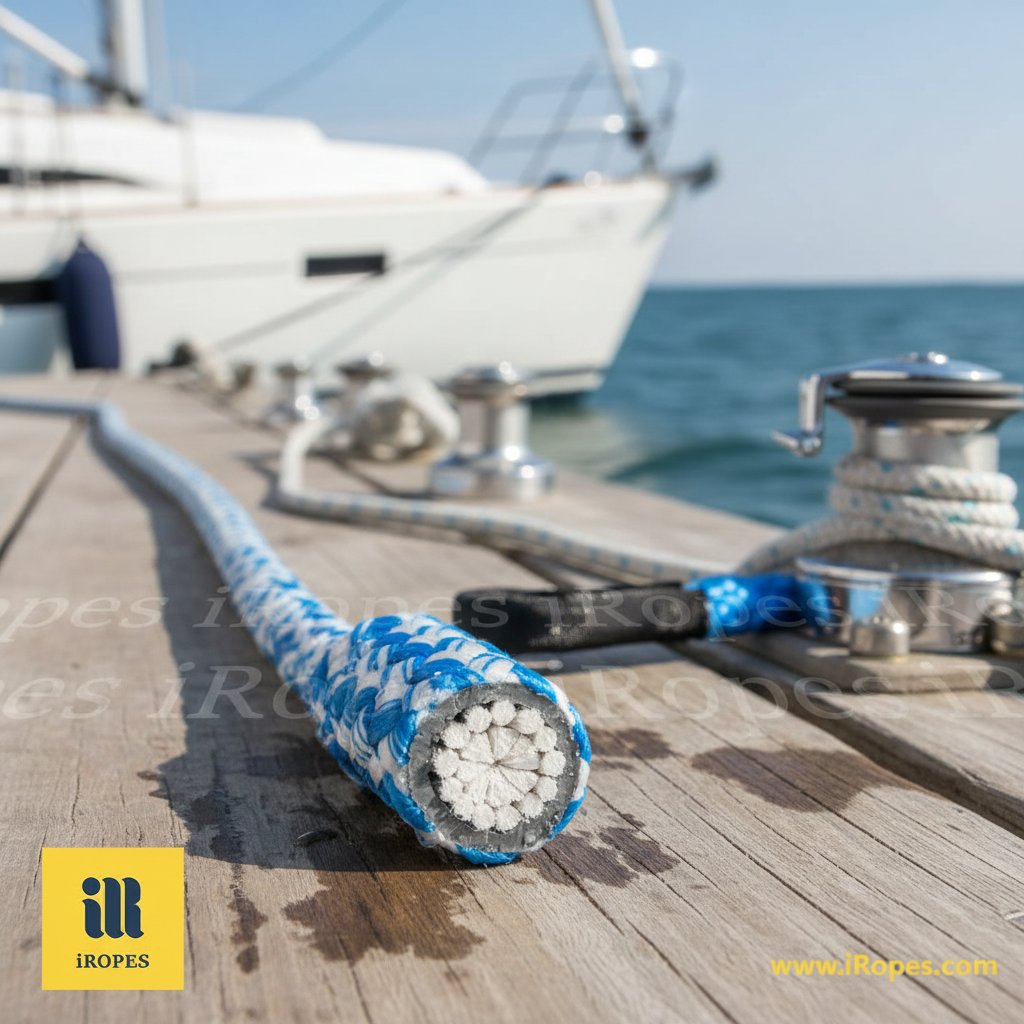
Construction provides the structural backbone, but protective layers through coatings are crucial to unlock the full potential of rope performance against environmental stressors.
Optimising Rope Performance with Coatings and Treatments for Marine Endurance
Building on that solid structural backbone from advanced constructions, the next layer in rope tech is all about shielding those high-tech fibres from the brutal realities of the sea. Saltwater, relentless UV rays, and constant friction can wear down even the toughest synthetics if left unprotected. That's where coatings and treatments come in—they act like a tough skin, boosting overall rope performance by tackling environmental threats head-on. For marine users, this means ropes that last longer and perform better when it matters most, whether you're out spearfishing or rigging a yacht. Check out our commercial marine ropes designed with advanced synthetic materials for tough environments.
Take polyurethane coatings, for starters. These are applied as a thin, flexible layer that seals the rope against water ingress, preventing the kind of swelling that hampers handling in wet conditions. Hydrophobic treatments go further by repelling water entirely, much like a duck's feathers—droplets just bead up and roll off. In saltwater environments, this duo enhances grip, so your hands don't slip during a critical manoeuvre, and it amps up UV protection to fend off sun-induced weakening. Imagine pulling in a heavy mooring line after a storm; without these, the rope might chafe or degrade quickly, but with them, it stays reliable.
Coating Types
Essential Protections
Polyurethane
Seals against moisture for stable handling in wet seas.
Hydrophobic
Repels water to maintain strength and reduce weight gain.
UV Barriers
Blocks solar damage for extended outdoor exposure.
Key Benefits
Durability Gains
Grip Enhancement
Improves control in slippery marine scenarios.
Friction Reduction
Minimises internal wear during heavy pulls.
Longevity Boost
Extends service life in harsh conditions.
These enhancements directly translate to real benefits for longevity, especially in demanding setups like yachting rigging or spearfishing gear. By cutting down on abrasion from constant contact with boat hardware or ocean debris, and reducing internal friction that causes heat buildup during loads, coated ropes wear slower and stay supple. How do rope coatings improve performance, exactly? They can extend the lifespan by up to 50% in UV-exposed marine conditions, simply by adding that barrier of enhanced durability—keeping your equipment ready for the next outing without unexpected failures. This significant boost in resilience ensures optimal rope performance.
At iRopes, we weave these treatments into our custom designs seamlessly, letting you add features like reflective elements for better visibility during night dives or foggy anchoring. Our specialists match the coating to your needs, say a hydrophobic layer for spearfishing lines that need to float and grip just right, all while protecting your branding through our ODM process. It's about creating ropes that not only endure but enhance safety on the water—think spotting your line easily in low light to avoid tangles or accidents. We ensure every rope meets individual performance requirements.
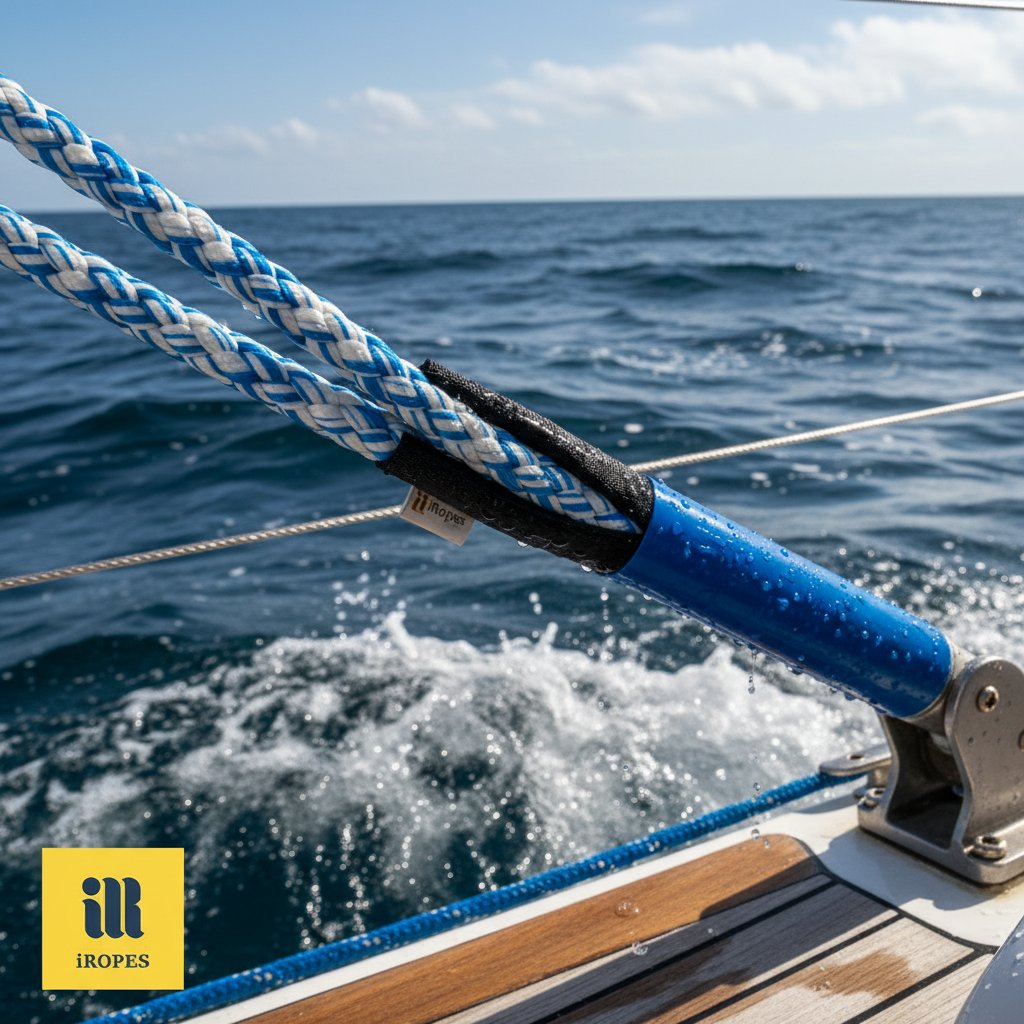
Coatings safeguard the rope's integrity, yet rigorous testing ensures these enhancements translate to reliable performance, guiding informed selection for high-stakes marine uses.
Performance Testing Methods and Selection Criteria for High-Performance Marine Ropes
Those protective coatings do a lot to shield ropes from the sea's toughest elements, but how do you know they've truly delivered on their promise? That's where performance testing steps in—it's the rigorous proof that your rope can handle real-world marine demands without failing when you need it most. In high-stakes settings like yachting or spearfishing, skipping this step isn't an option; it's what separates reliable gear from risky guesswork. At iRopes, we put every custom rope through these paces to ensure it meets the mark for endurance and safety.
Key tests focus on the essentials that matter at sea. Tensile strength measures how much pull a rope can take before breaking, often hitting tens of thousands of pounds for marine-grade lines—think of it as simulating a sudden storm surge on your mooring. Abrasion cycles check how many rubs against rough surfaces, like dock edges or rocks, the rope endures before wearing thin, with top synthetics lasting hundreds of thousands of passes. Wet strength retention is critical too; it verifies the rope holds at least 90% of its dry power even after saltwater soaking, preventing surprises during prolonged exposure. All this aligns with NFPA standards for fire and rescue gear adapted to marine use, plus our ISO 9001 certification for consistent quality. These aren't just lab exercises; they mimic the chaos of waves crashing and gear grinding, giving you confidence in every knot.
- Tensile Strength Test: Pulls rope to breaking point to confirm load capacity under extreme marine tension.
- Abrasion Cycles: Simulates friction from saltwater contact and hardware for durability assessment.
- Wet Strength Retention: Soaks and tests to ensure performance in immersed conditions per industry benchmarks.
Once tested, selection criteria help match the right rope to your needs. Consider low elongation for dynamic yachting loads—ropes that stretch less than 3% keep sails responsive without energy waste, unlike higher-stretch options better for shock-absorbing anchors. Factor in diameter for grip and weight savings, or core design for splice ease in quick repairs at sea. For spearfishing, prioritise buoyancy and quick-drying traits to avoid tangles underwater. It's about aligning specs with your scenario: a heavy-duty mooring line versus a lightweight control rope changes everything, ensuring optimal rope performance.
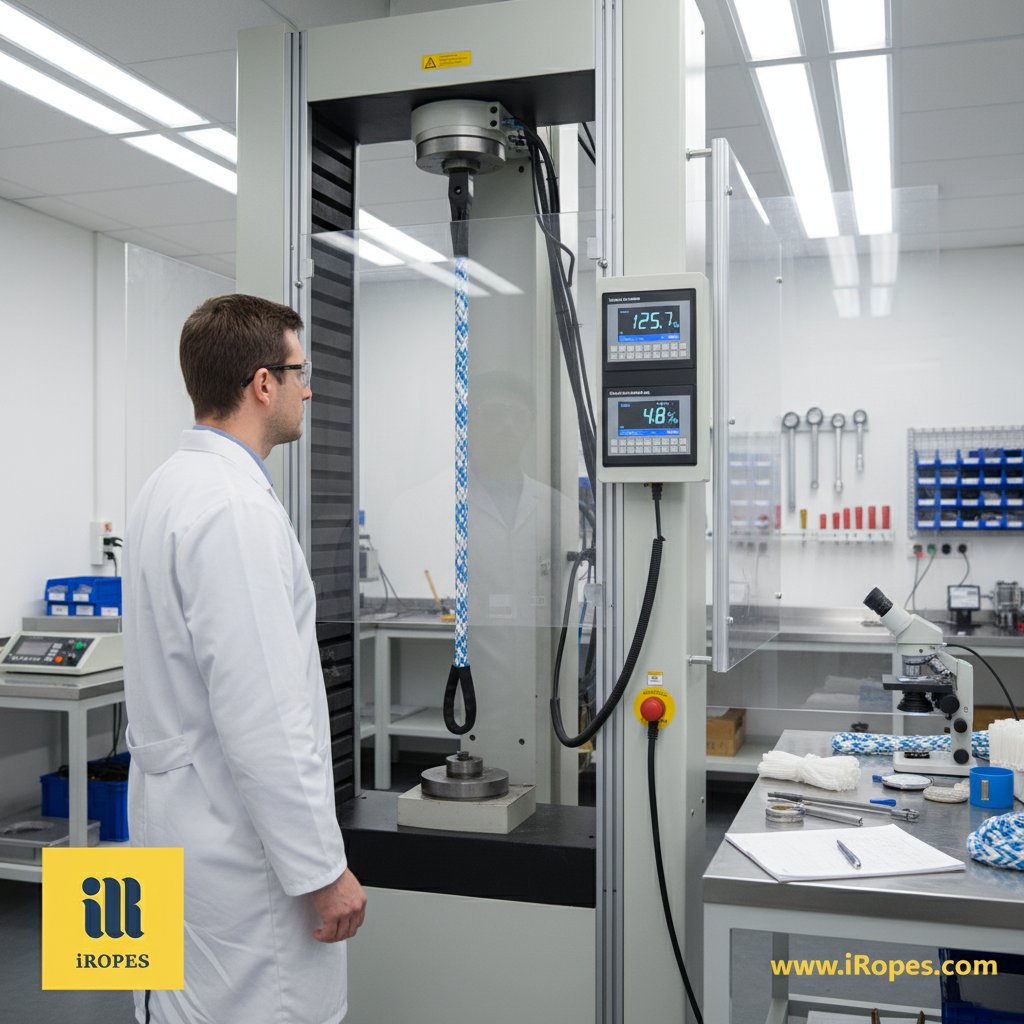
What about how long these ropes actually last? The lifespan of high-performance rope typically spans 5-10 years with proper care, though marine exposure like constant UV or salt can shorten it to 3-5 years if neglected. Regular inspections for frays, rinsing after use, and dry storage make all the difference—I've seen well-maintained lines outlast expectations on long voyages. At iRopes, our precision manufacturing backs this with certifications that guarantee compliance, while our OEM and ODM services customise for wholesale marine clients, blending tested specs with your branding for seamless integration. This approach not only meets standards but exceeds them, empowering you to choose ropes that elevate safety and efficiency on the water.
These testing and selection insights empower users to harness revolutionary rope technologies for unmatched marine endurance.
From revolutionary synthetic fibres like HMPE and Dyneema delivering unmatched strength-to-weight ratios, to advanced braided constructions such as kernmantle enhancing flexibility and durability, and protective coatings like polyurethane boosting UV resistance and water repellency, rope technologies are transforming marine endurance. These innovations ensure low stretch, abrasion resistance, and reliable performance in yachting and spearfishing, with rigorous testing—from tensile strength to wet retention—validating their superiority under ISO 9001 standards. At iRopes, our OEM/ODM expertise tailors these rope tech elements to your exact needs, while selection criteria guide optimal choices for extended lifespan and safety on the water, empowering seamless operations in harsh environments.
Harnessing these rope performance advancements means gearing up for adventures where reliability is non-negotiable, but applying them perfectly to your setup can make all the difference.
Discover Custom Rope Solutions for Your Marine Needs
If you're keen on personalised guidance to optimise rope technologies for your yachting or spearfishing applications, complete the inquiry form above—our iRopes specialists are ready to collaborate on bespoke solutions that elevate your performance at sea. We offer comprehensive OEM and ODM services, ensuring your specific requirements are met with precision and quality.
