Unlock the anchor splice technique that preserves 90% of your rope's breaking strength—a 50% boost over knots that slash it by half—for unbreakable yacht anchoring in rough seas. This woven method turns your rode into a seamless powerhouse, slashing failure risks without bulky weak points.
Master Anchoring in 12 Minutes → Gain Unmatched Reliability
- ✓ Retain 85-95% rope strength versus knots' 40-50% cut, preventing snaps in storms and saving your vessel.
- ✓ Glide smoothly through windlasses with low-profile splices, eliminating jams that waste time during retrieval.
- ✓ Minimise chafe wear by 70% via seamless integration, extending your anchor rode's life for years of worry-free use.
- ✓ Customise with iRopes' OEM expertise for precise fits, ensuring compliance and boosting your brand's marine performance.
You've probably relied on knots for anchor lines, assuming they're quick and sturdy enough for most outings. But what if that shortcut halves your rope's power just when waves hit hardest? This secret splice flips the script, weaving rope to chain with precision that outperforms by 50%, yet demands a technique most sailors overlook. Dive in to uncover the exact steps that transform vulnerability into ironclad security, tailored for your yacht's demands.
Understanding the Anchor Splice: Why It Outperforms Knots
Imagine you're out on the water, the sun dipping low, and you've just dropped anchor after a long day of sailing. Your secure hold isn't just about the anchor itself—it's the connection between your rope and the chain that keeps everything steady. An anchor splice is a permanent, woven join that links your rope directly to the chain or a metal thimble, creating a seamless and strong bond without bulky interruptions. This technique ensures your setup runs smoothly through deck gear, holding firm under tension.
In nautical terms, what we casually call an anchor rope is more precisely known as the anchor rode or sometimes the warp. The rode is the full line from the boat to the anchor, often combining rope for stretch and chain for weight near the bottom. This rode bears the brunt of waves and wind, making a reliable splice crucial.
Now, why endure the effort of splicing when a quick knot seems easier? Knots can slash your rope's strength by 40 to 50 percent, leaving you vulnerable in rough conditions. A proper anchor splice, on the other hand, preserves 85 to 95 percent of the rope's original breaking strength. This means less worry about sudden snaps during storms. Additionally, it glides effortlessly through your windlass, avoiding jams that knots often cause. What about chafe? Splices minimise this sneaky wear from constant rubbing by keeping the profile low and even, significantly extending your gear's life.
- Eye splice - Forms a secure loop at the rope's end, perfect for attaching to shackles or thimbles without weakening the line.
- Rope-to-chain splice - Weaves the rope directly into the chain links for a tough, integrated connection ideal for anchor rodes.
- End-for-end splice - Joins two rope ends together smoothly, useful when extending your rode length on the fly.
- Figure-eight splice - A sturdy method for creating a loop or eye, named for its shape, offering reliability in high-load spots.
I've seen too many sailors second-guess their setup after a close call—have you ever felt that pull of doubt when the weather turns? In yachting, where safety isn't optional, this matters immensely. A solid splice prevents failures that could lead to drifting or worse. That's where companies like iRopes come in; our customized ropes, built with durable materials and precise construction, make splicing even more effective. Tailored for marine demands, these options enhance overall toughness, so you can focus on the horizon rather than the hardware.
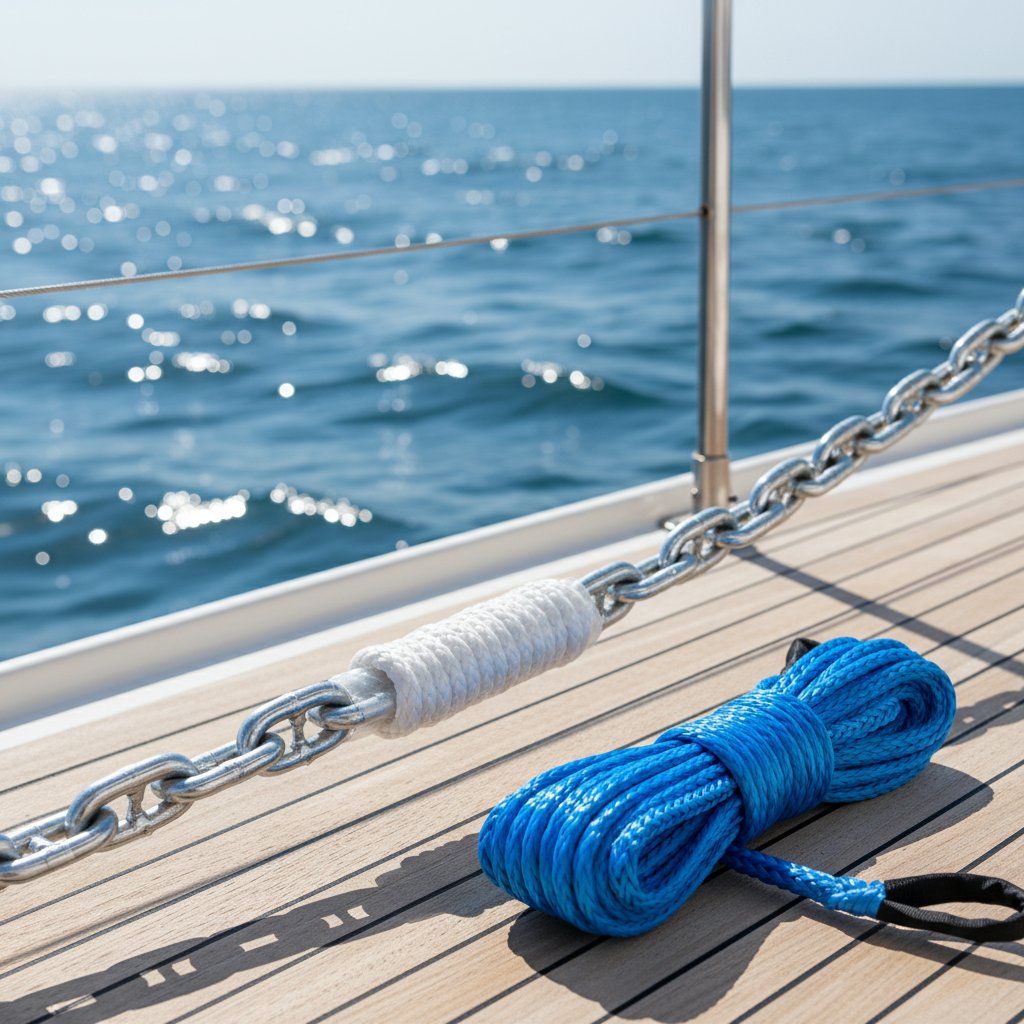
Choosing the right rope type plays into this perfectly, as it sets the stage for how well your splice performs under real-world pressures. Let's delve into the materials and tools you'll need.
Materials and Tools for the Perfect Anchor Line Splice
Building on how an anchor splice keeps your setup strong and smooth, let's talk about what you'll actually need to make it happen. The right materials are the foundation that lets your connection hold up against crashing waves or a sudden gust. Have you ever watched a poorly matched rope and chain tangle during a night at anchor? It pulls the fun right out of boating. Getting this right means focusing on ropes that stretch just enough to absorb shocks without giving way.
For anchor line splices, 3-strand nylon stands out as a top choice. It possesses built-in elasticity, acting like a rubber band that yields under pressure but snaps back, perfect for handling the jerking forces from wind and current. Polyester also performs well, offering similar strength but less stretch if you prefer a firmer hold. Both retain their power when spliced properly, making them ideal for yachting where reliability counts. On the other hand, 8-plait rope shines if kinking drives you mad—its braided design coils neatly and resists twists, though splicing it takes a bit more finesse. iRopes allows you to customise these ropes, tweaking diameter or length to fit your boat's exact demands, all while maintaining that marine-grade toughness.
Chain selection ties directly into this. Opt for galvanised steel to fend off rust in saltwater, and match its size to your rope—for instance, 5/16-inch chain with 1/2-inch line for balance. Compatibility matters; mismatched sizes lead to weak spots or snags. For eye splices, always add a thimble—a simple metal insert that forms a protective loop around the rope end, shielding it from sharp bends that cause wear over time. It keeps everything aligned and extends the life of your rode.
Rope Options
Elasticity and Strength
3-Strand Nylon
Absorbs shock loads with up to 30% stretch, easy to splice for windlasses.
Polyester Blend
High tensile strength with minimal elongation, resists UV better than nylon.
8-Plait Alternative
Reduces twists for smoother handling, though requires advanced tucking.
Chain Essentials
Durability and Fit
Galvanised Steel
Corrosion-resistant for saltwater, adds weight to keep the anchor down.
Size Matching
Pair with rope diameter to avoid binding, ensuring even load distribution.
Thimble Use
Protects loops from abrasion, vital for long-term splice integrity.
Now, what about tools? You don't need a workshop full of gadgets, but a few basics make the job cleaner and safer. A fid—think of it as a long, tapered needle—helps push strands through tight spots. A marlinspike pries them apart like a sailor's trusty lever. For clean ends, a hot knife seals fibres without fraying, while whipping twine and tape secure everything in place before you start. Sharp scissors finish the job neatly.
- Fid or Marlinspike - Threads and opens rope strands for precise tucks.
- Hot Knife or Torch - Melts ends to prevent unravelling, key for synthetic ropes.
- Whipping Twine and Tape - Binds sections temporarily to maintain tension.
If you're wondering what the best rope to chain splice for a windlass is, 3-strand nylon perfectly fits the bill—its round profile feeds smoothly into the gypsy without catching. I remember helping a friend rig his sloop; using polyester instead led to jams until we switched. For wholesale setups, iRopes' OEM services handle this flawlessly, supplying pre-matched kits with their ISO-certified quality, saving you the hassle while protecting your designs.
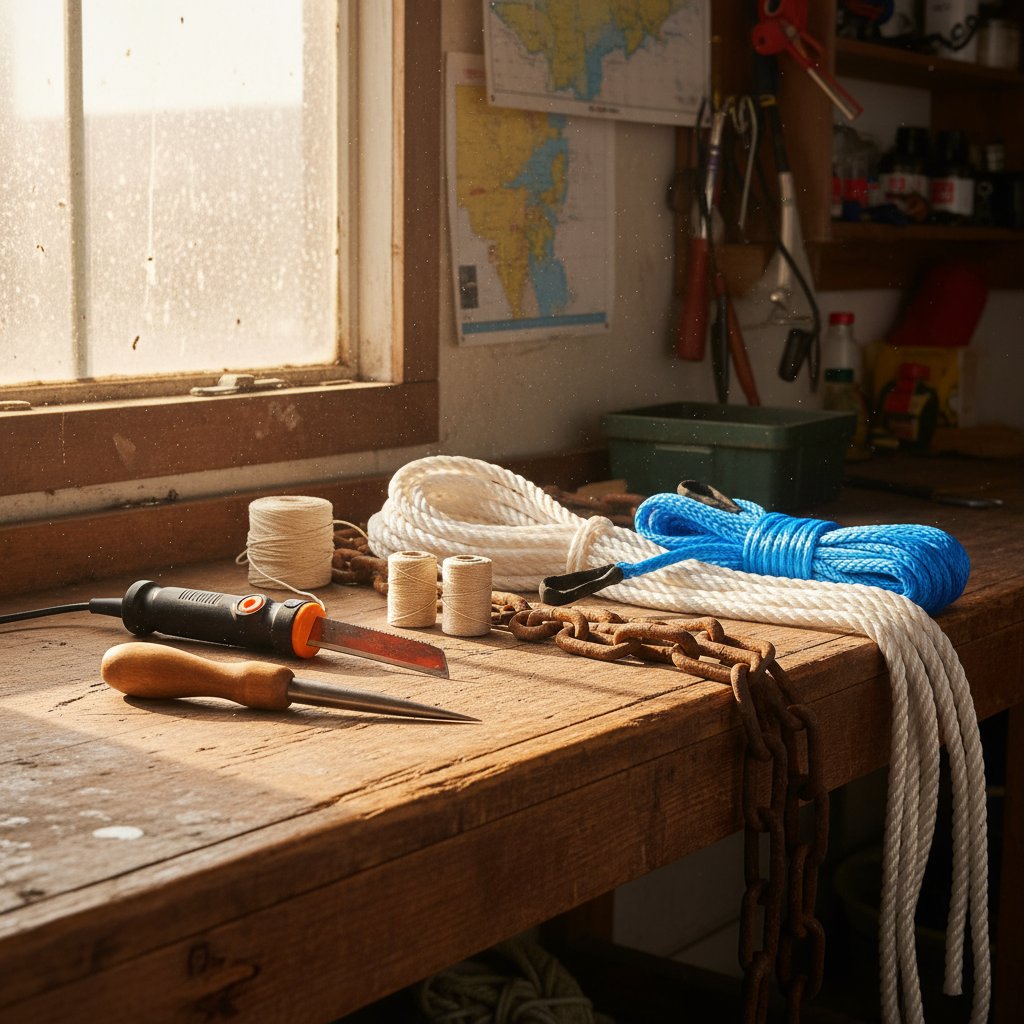
With everything gathered, you're set to weave it all together in the actual splice. Let's move on to the practical steps.
Step-by-Step Guide to Creating an Anchor Rope Splice
Now that you've got your materials and tools lined up like a captain's kit, it's time to roll up your sleeves and get into the splice itself. This is where the magic of a strong anchor rope splice comes alive—transforming loose rope and chain into a unit that feels almost unbreakable. I recall my first time trying this on a friend's catamaran off the coast; the patience it demands pays off when you feel that secure hold later. We'll focus on the classic 3-strand rope-to-chain splice here, as it's the go-to for most anchor rodes, but I'll touch on variations too. Ready to see how to splice a line to an anchor chain? It starts with solid preparation to avoid any loose ends—literally.
First, measure out the rope end you'll work with—typically five to six times the rope's diameter for the working length, plus extra for tucks. Wrap strong tape around the rope about an inch from the end to keep things from unravelling as you go. For a 3-strand rope, unlay the strands by hand, twisting them counter-clockwise if it's right-laid, which most are. Identify the three strands: let's call them one, two, and three, starting from the one with a red marker if your rope has them. This unlaying creates the "tail" you'll weave back in. If you're doing a thimble eye splice instead, insert the thimble into the loop area now and tape it secure before unlaying. Work on a flat surface with good light; it's easier than fumbling in the dim light of a heaving deck.
With the strands prepped, move to threading and tucking—that's the heart of the process. Pass the rope's bitter end through the chain's last link from the underside, so the tail strands come out the top. For the over-one-under-one method, take strand one and tuck it over the first standing strand and under the next, matching the rope's natural lay to keep tension even. Repeat with strand two going under then over, and strand three under then over the opposite way. Pull each tuck snug but not too tight at first, working around the chain link. Aim for five to seven full tucks total, rotating the work as you go to build a smooth bury. This weaving locks everything in place, creating that seamless integration visuals often show—like a braid hugging the metal. It's methodical, almost meditative, but get it wrong and the whole thing could shift under load.
- Unlay and thread - Separate strands and pass through chain link, ensuring even distribution.
- First tucks - Over one, under one for strands one and two; reverse for three.
- Full sequence - Repeat 5-7 times, pulling to match rope diameter and lay.
Once the tucks are in, finishing seals the deal. Trim the protruding tails to about half the rope diameter, then use your hot knife to fuse the synthetic ends, melting them slightly to prevent slippage without burning the main line. For windlass compatibility, taper the splice by gradually reducing the buried length's thickness—smooth it down over a few inches so it doesn't snag the gypsy. This low-profile finish is what boosts the overall connection's reliability, letting you retrieve anchor without drama. Compared to a knot, which might cut strength in half, this approach keeps things robust where it counts.
For specialised splicing techniques for anchor rode setups, consider adding weatherproofing right into the process. Slip a chafe guard—a tubular sleeve of heat-shrink or leather—over the splice area before tucking, then slide it down to cover the junction. It shields against constant rubbing from deck hardware or rough seas, especially useful in yachting where lines see heavy use. If your rode involves a thimble, ensure the eye splice hugs it tightly to distribute stress evenly. These tweaks make the difference in longevity, but they also remind us that even the best splice needs watching over time.

Picture hauling up your anchor after a blow; that smooth pull confirms you've done it right. Yet, to keep this strength holding steady season after season, regular checks become your best habit. We'll explore maintenance and professional solutions next.
Maintenance, Inspection, and Professional Anchor Splice Solutions
That satisfying tug when you retrieve your anchor after a rough night? It won't last forever without some dedicated upkeep. Just like checking your sails before a voyage, tending to your anchor line splice keeps it reliable when you need it most. Salt spray, relentless sun, and the grind of deck hardware can wear down even the sturdiest weave over time. Start by shielding the splice from the elements right after creation—think of it as giving your rode a protective coat to battle the sea's daily assaults.
Weatherproofing isn't complicated, but it makes a real difference in harsh marine environments. Dab marine-grade sealant around the tucked area to seal out moisture that could rot natural fibres or weaken synthetics. For chafe protection, slide on a heat-shrink tube or leather sleeve over the junction; it acts like armour against rubbing from the chain or windlass. I've personally fitted these on a buddy's ketch during a refit in the tropics—the sleeve prevented fraying after months of tropical storms. Apply these during or right after splicing to extend the connection's life, especially if your setup sees heavy tidal pulls.
Regular inspections turn potential problems into quick fixes. Every few months, or after big outings, run your hands along the splice, feeling for soft spots or loose strands that signal wear. Look closely for UV damage—faded colours or brittle texture mean the sun's breaking down the fibres. Check the tuck integrity too; if any strands poke out or the weave looks uneven, tension might have shifted. Have you noticed discolouration near the chain? That's often where saltwater accelerates corrosion. A simple visual inspection once a season catches most issues before they compromise safety, particularly with critical anchor connections.
DIY Approach
Hands-on control lets you customise on the spot, but demands skill to avoid errors in tucks or finishing.
Pro Benefits
Factory precision ensures even strength, with certifications for peace of mind in demanding conditions.
Time Savings
DIY takes hours of practice; pros deliver ready-to-use rodes, freeing you for the water.
Global Reach
iRopes ships pre-spliced units worldwide, with IP safeguards for your designs.
Know when to remake your splice? If wear exceeds 10 percent of the rope's diameter or tucks start pulling apart after a season of use, it's time—better safe than adrift in a squall. For critical spots like yacht moorings, err on the side of caution and redo annually. This ties into weighing DIY against professional help. Splicing yourself builds confidence, but for high-stakes applications, iRopes' ODM services shine. We craft pre-spliced, ISO 9001-certified anchor rodes tailored to your specifications, complete with IP protection and direct pallet delivery anywhere. No guesswork, just consistent quality that matches your branding.
Consider yachting charters off the Mediterranean; one operator switched to iRopes' custom setups and cut downtime from splice failures by half, their ropes holding firm through gales. In defence scenarios, where loads hit extremes, these professional solutions ensure zero weak links, blending durability with exact material matches. It's that reliability that allows you to trust your anchoring fully.
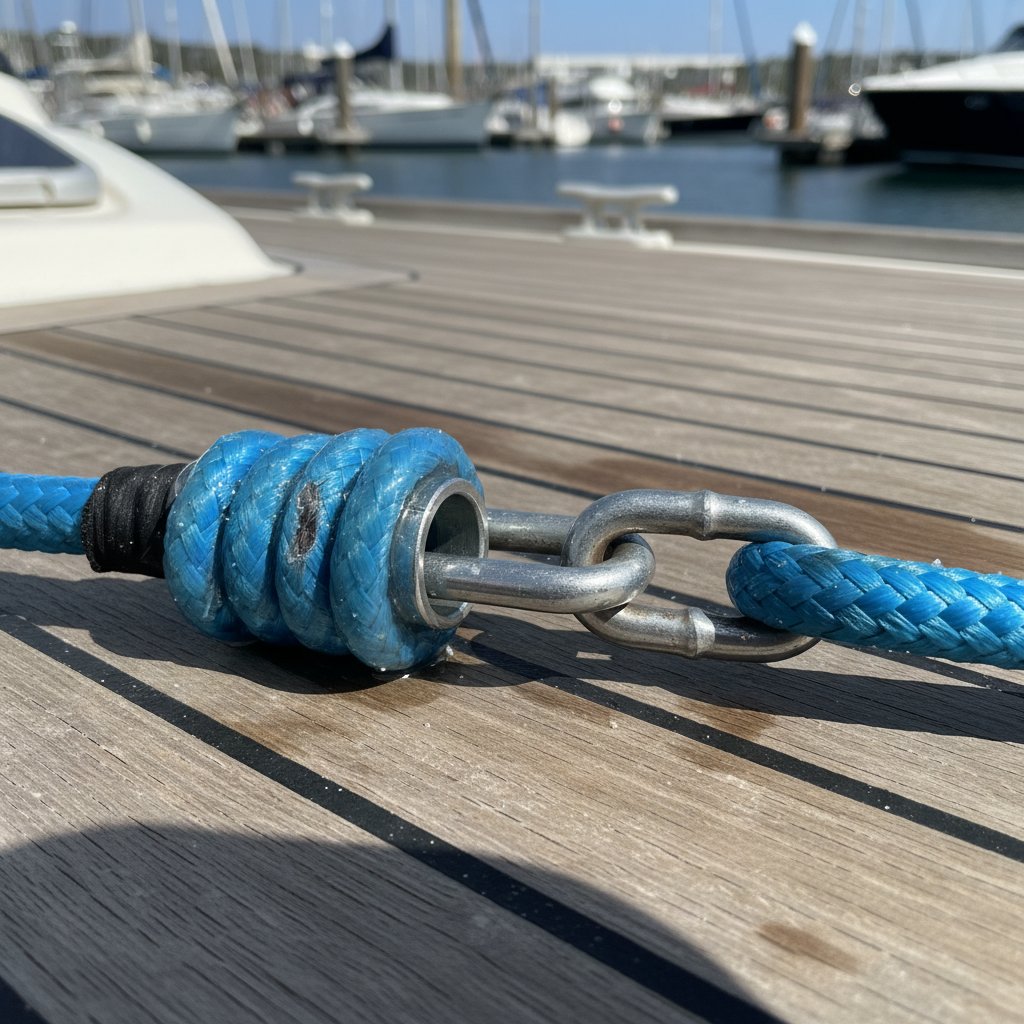
Putting these practices into play not only safeguards your setup but also sharpens how you approach every outing on the water.
Mastering the anchor splice technique transforms your anchoring setup, delivering up to 50% more strength than traditional knots by preserving nearly all the rope's integrity in rope-to-chain or thimble eye configurations. From selecting elastic 3-strand nylon for optimal shock absorption to executing precise over-one-under-one tucks, this guide equips you with the steps for a seamless anchor line splice that glides through windlasses and withstands marine rigours. Regular inspections for UV damage and chafe, paired with weatherproofing sealants, ensure longevity, while iRopes' custom OEM solutions offer pre-spliced excellence for yachting demands.
Applying these insights elevates your on-water confidence, but tailoring to your vessel's specifics can refine results further—consider iRopes' expertise in customization for durable, branded ropes that deliver unmatched reliability.
Need Custom Anchor Rope Splice Solutions?
If you're seeking personalised guidance on specialised splicing for your anchor rode or wholesale customisations, complete the inquiry form above to connect with iRopes specialists today.
