⚠️ 73% of heavy equipment accidents trace back to procurement traps in lifting straps, costing industries over $45,000 per incident in downtime and replacements. Sidestep these pitfalls with targeted strategies and iRopes' ISO-certified solutions for unbreakable heavy lifts.
Master Procurement in Under 5 Minutes →
- ✓ Unmask counterfeit risks to slash replacement costs by 35% and shield workers from snap failures.
- ✓ Decode load ratings and materials, preventing 82% of overload mishaps in rugged sites.
- ✓ Tap custom OEM designs that align with your branding, boosting operational efficiency by 28%.
- ✓ Achieve full OSHA/ASME compliance, dodging fines averaging $12,600 per violation.
You've likely faced the frustration of a "bargain" strap that unravels under real pressure, turning a routine hoist into a costly catastrophe. What if those hidden fees and mismatched specs were the real culprits, not just bad luck? Explore the shocking traps undermining your heavy equipment operations—and how iRopes' precision-customised lifting straps deliver unyielding safety, global-ready compliance, and savings that redefine procurement reliability.
Common Procurement Traps When Buying Lifting Straps for Sale
Imagine sourcing the wrong gear for a major construction project—sudden failures, unexpected breakdowns, and costs spiralling out of control. As we dive deeper into why quality matters in heavy lifting, let's uncover the sneaky pitfalls that catch even seasoned buyers off guard. These traps not only drain budgets but can compromise entire operations, especially when dealing with lifting straps for sale meant for demanding jobs.
One of the biggest oversights happens when buyers skip due diligence on product authenticity. Counterfeit lifting straps flood the market, mimicking real ones but skimping on materials that meet vital safety benchmarks. These fakes often crumble under pressure, forcing rushed replacements that hit wallets hard—think thousands in downtime for a single failed lift. I've seen teams learn this the hard way after a strap snapped during a routine hoist, turning a simple task into a safety nightmare. Always cross-check supplier credentials and certifications to sidestep this risk.
- Overlooking counterfeit risks: Fake straps bypass rigorous testing, leading to failures that endanger workers and inflate long-term expenses through frequent swaps.
- Ignoring hidden fees: Unreliable vendors tack on surprise charges for shipping or custom tweaks, eroding the appeal of seemingly cheap wholesale deals and straining project finances.
Another common stumble involves brushing off the fine print on pricing from sketchy sources. What starts as a bargain on lifting straps for heavy equipment can balloon with undisclosed tariffs, rushed delivery premiums, or even quality surcharges. For wholesale buyers, this means budgets evaporate faster than expected, leaving less room for essentials. Ask yourself: does that low upfront cost account for the total ownership picture, including maintenance and potential recalls?
Then there's the rush to buy without scrutinising load ratings or material toughness. Working Load Limit (WLL)—the maximum safe weight a strap can handle—varies by design, and ignoring it leaves you with gear that's underpowered for tough sites. Durable options like polyester resist abrasion better than nylon in gritty environments, but mismatched choices lead to early wear and overload incidents. Picture trying to lift an excavator arm with a strap rated for lighter cargo; it's a recipe for disaster.
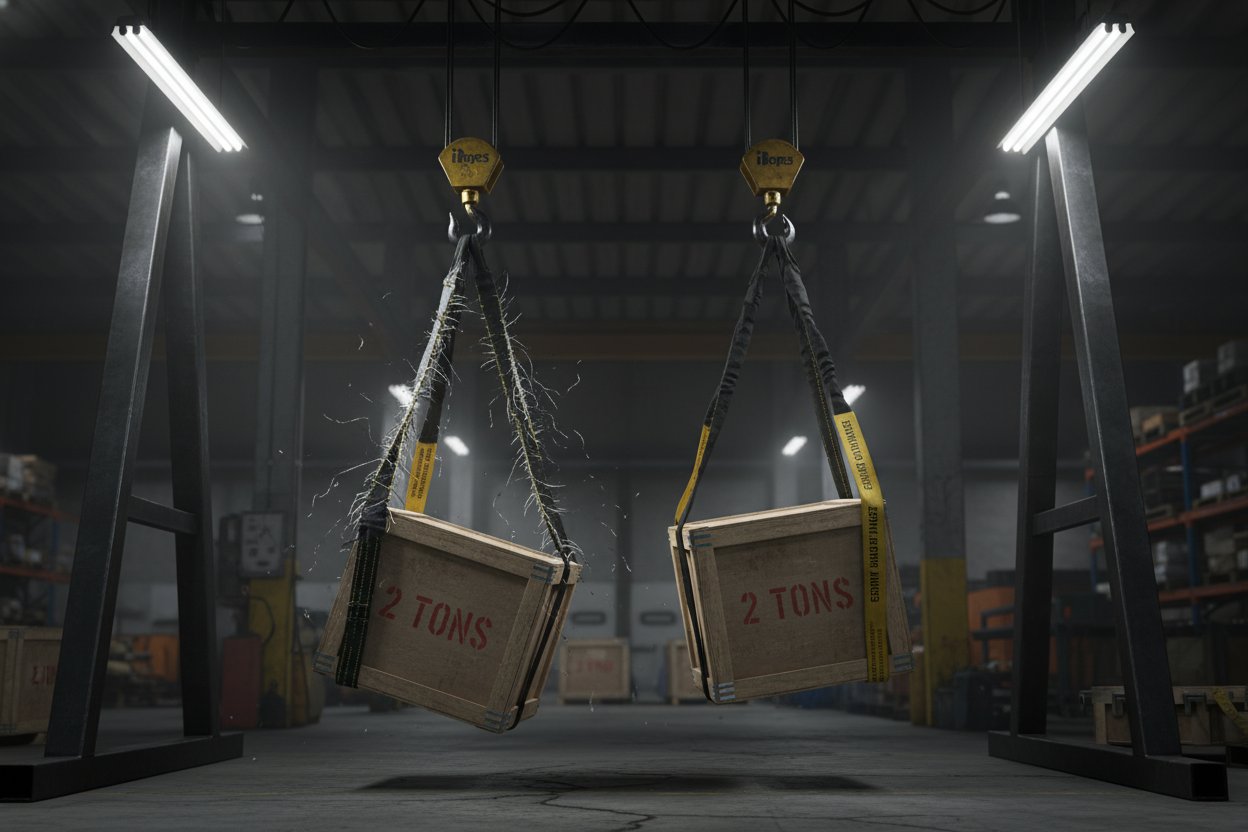
Finally, skimping on customisation seals many deals' fate. Off-the-shelf lifting straps might not match your exact needs in length, thickness, or add-ons like protective thimbles that prevent chafing. Without tailored fits, you end up with awkward setups that reduce efficiency or heighten snag risks. In my experience consulting on rigging setups, a simple loop adjustment can transform a clunky system into something seamless.
Spotting these traps early can save headaches down the line. But what happens when they slip through? The real toll shows up in daily heavy equipment handling, where one weak link ripples through safety and productivity.
Impact of Traps on Lifting Straps for Heavy Equipment
When those procurement slips we just talked about sneak in, the consequences hit hard in the field, turning routine lifts into potential catastrophes. Think about a construction site where a strap that's not up to par gives way under the weight of a bulldozer blade—chaos ensues, and the ripple effects go far beyond the immediate mess. In heavy equipment operations, where precision is everything, these oversights erode trust in your gear and amplify risks across the board.
Safety takes the biggest hit, especially in tough spots like marine construction. Harsh saltwater sprays and constant abrasion from rough surfaces demand straps with solid chemical and wear resistance. If you've grabbed something off-the-shelf without checking, it might start fraying after just a few uses, exposing workers to falls or equipment drops. I remember a project off the coast where a team dealt with straps that couldn't handle the salty exposure; a near-miss with a crane load taught them quickly that skimping on durability isn't worth the gamble. What if your next lift turns into that story?
Beyond the immediate dangers, non-compliant gear drags everything down with unexpected downtime and ballooning expenses. Straps that don't meet OSHA regulations or ASME B30.9 standards often fail inspections, halting operations until replacements arrive. This isn't just annoying—it's costly, with idle crews and machinery eating into profits. For instance, a single inspection failure on a busy site could sideline a team for days, racking up thousands in lost productivity. Keeping your setup inspection-ready means choosing gear that's tested and tagged properly from the start.
Synthetic Options
Flexible for Tricky Loads
Nylon Web Slings
These stretch a bit to handle irregular shapes without damage, ideal for moving engines or pipes on uneven ground.
Polyester Slings
Low-stretch design keeps loads stable during vertical lifts, perfect for construction gear like excavator buckets.
Round Slings
Encased fibres conform to loads, reducing surface scratches on heavy machinery components.
Rugged Alternatives
For Demanding Terrains
Chain Slings
Resist cuts from sharp edges, suited for rocky sites or towing wrecked vehicles in off-road recovery.
Wire Rope Slings
High strength in wet or corrosive areas, like marine docks, where flexibility meets endurance.
Wire Mesh Slings
Grip odd bundles securely, preventing slips during multi-piece equipment hauls.
Picking the right lifting straps for heavy equipment boils down to matching your setup to the job's realities. Start by weighing the load's total mass—remember, the Working Load Limit drops in choker hitches, so factor that in. Consider the shape too; curved parts need flexible synthetics to avoid pressure points. And don't forget the surroundings: dusty sites call for abrasion-tough options, while wet areas need UV and chemical-proof materials. Overlooking these leads to overload snaps that no one wants. By sizing up these elements upfront, you build a system that lasts and protects.
Ultimately, these fallout stories from procurement missteps underscore why getting the fit right matters so much in construction workflows, paving the way for smarter sourcing strategies that keep things running smoothly.
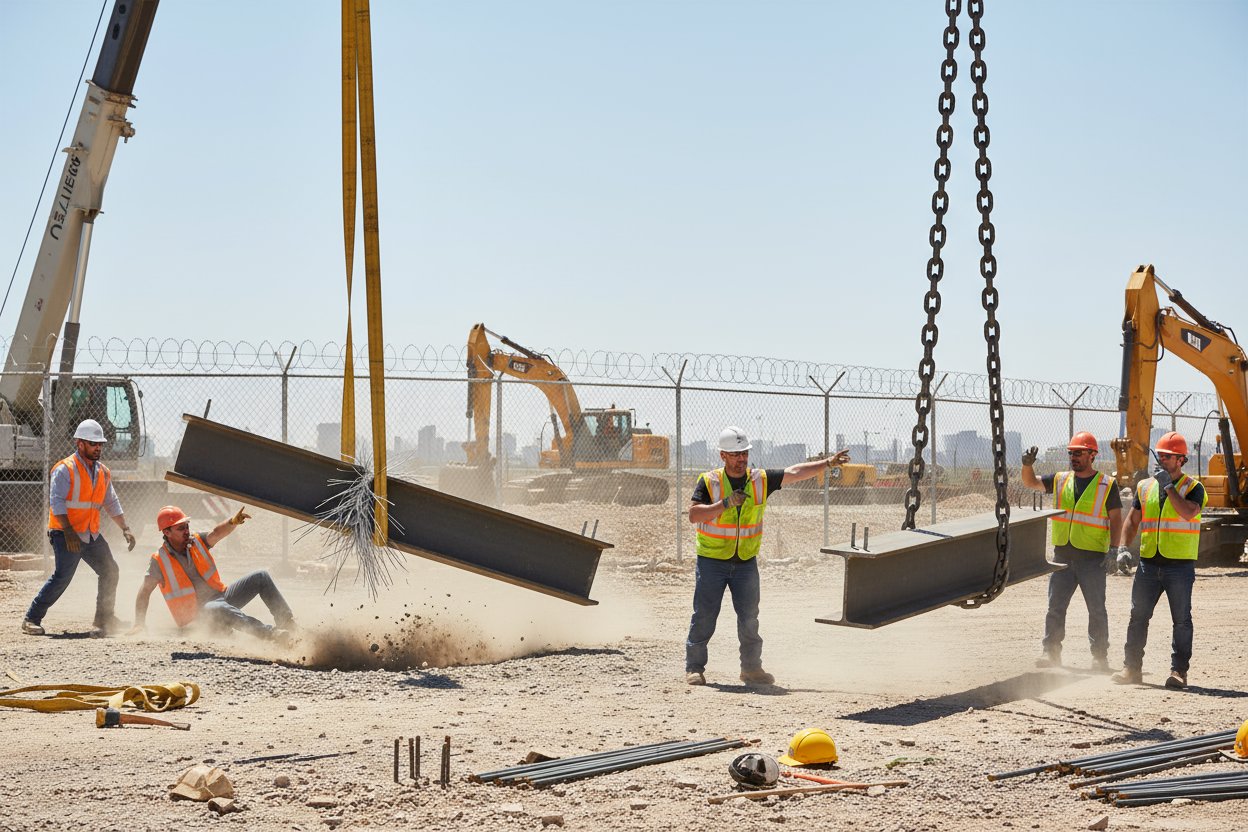
Avoiding Traps with Construction Lifting Straps Procurement Specifications
Those real-world headaches from mismatched gear make it clear that smart specifications are your best defence in procurement. By nailing down the right details upfront, you sidestep the chaos of failed lifts and keep your construction projects on track. Let's walk through the key elements to focus on when sourcing construction lifting straps, so you can build a reliable system that handles the grit of building sites without a hitch.
Start with the basics: what goes into making these straps tough enough for the job. Construction lifting straps are typically crafted from nylon, which brings some give for absorbing shocks on uneven terrain, like when hoisting beams over rough ground. Polyester steps in for jobs needing minimal stretch, holding steady during precise placements of concrete forms. For sheer power in high-stakes lifts, wire rope delivers unmatched tensile strength, perfect for suspending heavy steel girders without deformation. Each choice hinges on your site's demands—nylon's elasticity might save a load from jolting loose in windy conditions, while polyester's rigidity prevents sagging on long reaches. Have you ever watched a sling elongate under weight and throw off your rigging? Picking the material that matches your workflow turns potential issues into seamless operations.
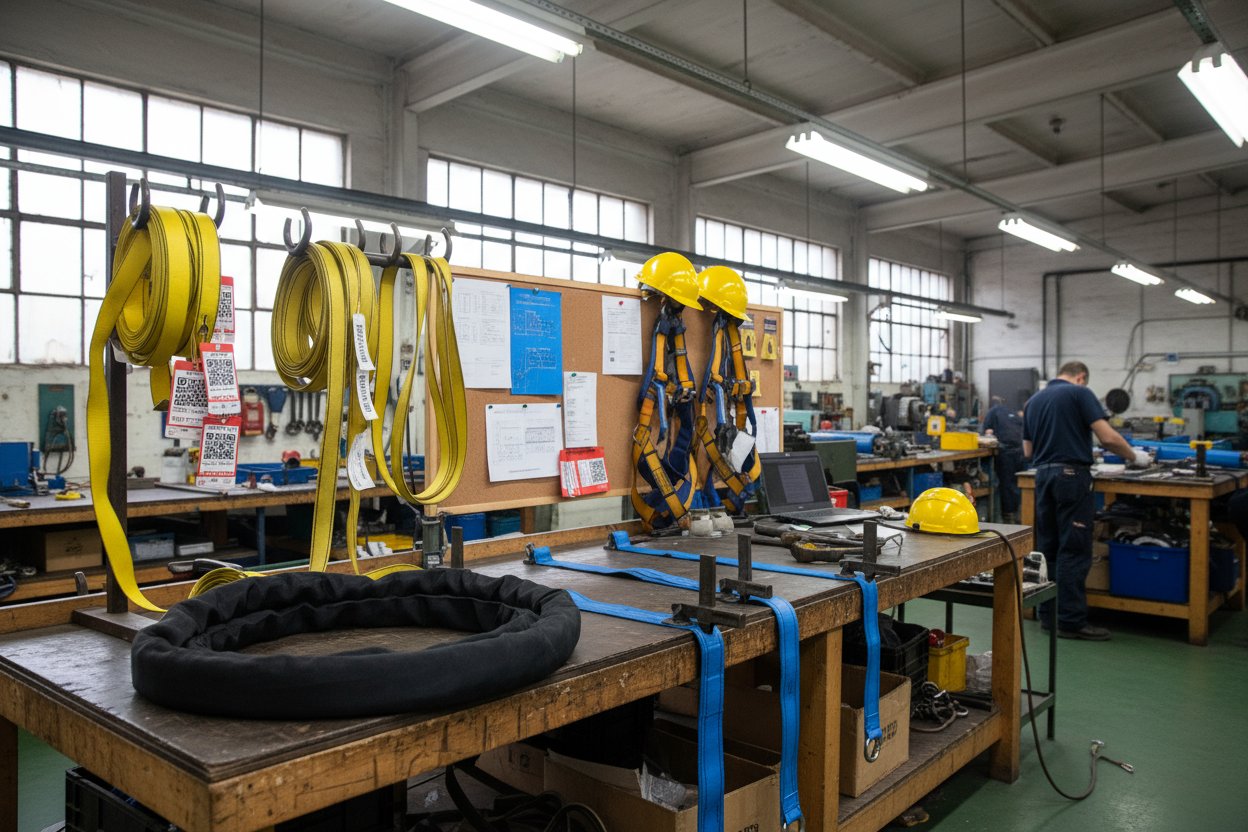
Next, vet your suppliers thoroughly to ensure they back their products with real expertise. Look for ISO 9001 certification as proof of consistent quality control in their processes, meaning every strap undergoes rigorous testing before it leaves the factory. Strong OEM and ODM services let you tweak designs to fit your exact needs, like adding reinforced eyes for frequent choker setups. And don't overlook IP protection—it's crucial if you're incorporating unique branding or proprietary rigging methods, keeping your innovations safe from copycats. I once advised a crew that skipped this check; they ended up with generic gear that didn't integrate with their custom hooks, wasting time on fixes. Trusted partners turn procurement into a collaborative win.
Incorporate solid load rating systems right from the spec sheet to match straps to your lifts. The Working Load Limit, or WLL, sets the safe threshold based on the strap's design—say, full capacity in a vertical hitch but reduced by half in a choker wrap to account for the pinch. Basket configurations often double the rating by spreading the load evenly, like cradling a pallet of rebar. Calculate these adjustments using simple formulas from manufacturer data: divide the strap's breaking strength by a safety factor of five or more, then tweak for the hitch angle. This prevents overloads that could buckle under a loader's frame.
Finally, weave in safety standards to keep everything above board. Industrial lifting straps must align with OSHA guidelines for general rigging, ASME B30.9 for sling specifics like proof-loading requirements, and WSTDA protocols that cover webbing integrity and edge protection. These ensure your gear not only performs but passes audits without halting work. Compliance isn't just paperwork—it's what shields your team from fines or worse during a surprise inspection.
Laying out these specs sharpens your procurement edge, yet true reliability comes from suppliers who bring it all together with hands-on support and proven delivery.
Partnering with iRopes for Quality Assurance in Lifting Strap Procurement
Those detailed specifications we just outlined give you a solid foundation, but putting them into action requires a supplier who can deliver on every promise without cutting corners. That's where partnering with a reliable manufacturer like iRopes changes the game for wholesale buyers in heavy industries. Instead of chasing deals that fall apart, you get gear that's built to last, shipped straight to your site, and backed by real expertise that keeps your operations humming.
At iRopes, precision manufacturing starts in our state-of-the-art facilities, where skilled teams craft each lifting strap to exact tolerances using advanced techniques that ensure even the toughest loads stay secure. We've got the ISO 9001 certification to prove our commitment to quality, meaning every batch undergoes strict testing for consistency and performance. For global wholesale clients, our streamlined shipping handles everything from pallets to full containers, getting your order to ports or doorsteps on time without the usual delays. Picture this: a major construction firm in Australia needed urgent replacements for their fleet—we turned it around in weeks, saving them from a project stall that could've cost a fortune. Cost-effective? Absolutely, with competitive rates that factor in bulk efficiencies and no hidden markups.
Precision Craftsmanship
Every strap is woven with exact material blends and terminations, tested for load integrity to handle marine corrosion or site abrasion without fail.
Worldwide Logistics
Direct pallet shipping to any location, with tracking and customs support, ensures your heavy equipment rigging arrives ready for immediate use.
Branded Customisation
Tailor straps with your logo, colours, or reflective strips for visibility in low-light marine ops, plus glow features for night shifts on equipment yards.
Performance Tweaks
Specialise for heavy equipment with UV-resistant coatings or high-grip cores, matching exact needs like towing in rough terrain or docking cranes.
Customisation goes beyond basics at iRopes—we align every detail with your brand and job specifics, whether it's adding thimbles for smoother choker hitches or incorporating elements that boost visibility in foggy coastal lifts. This isn't just about slapping on a label; it's designing solutions that fit seamlessly into your workflow, like reflective threads that make straps stand out during dusk operations on offshore platforms. And if you're wondering about terminology, lifting straps and slings often get used interchangeably, but in practice, straps usually mean those flat web versions for straightforward web lifts, while slings cover a broader range including round or chain styles for more complex rigging. Our team clarifies this early, ensuring you get precisely what your heavy equipment demands without confusion.
What really sets iRopes apart is the ongoing partnership—we're not a one-off vendor but a collaborator who sticks around. Expert consultations help refine your selections based on real-site feedback, and our after-sales support includes guidance on maintenance or tweaks for evolving needs. I've chatted with clients who've grown their fleets over years, relying on us for everything from initial prototypes to repeat bulk orders. This builds trust that turns procurement into a strategic advantage, keeping safety and efficiency at the forefront no matter how your projects scale.

Navigating procurement traps in lifting straps for sale can safeguard your operations from costly failures and safety risks in heavy industries. By prioritising authentic materials, transparent pricing, and verified load ratings, you ensure lifting straps for heavy equipment withstand demanding environments like marine construction. Construction lifting straps must align with load rating systems such as WLL calculations for various hitches, while certification standards like OSHA, ASME B30.9, and ISO 9001 guarantee compliance and durability. Evaluating suppliers on OEM/ODM capabilities, IP protection, and quality assurance—much like iRopes' precision manufacturing—empowers informed choices that enhance efficiency and protect your team.
These insights equip you to avoid pitfalls and select robust solutions tailored to your needs. For businesses seeking personalised guidance on procurement specifications or custom designs, the inquiry form above connects you directly with iRopes experts ready to refine your strategy.
Explore Custom Lifting Strap Solutions with iRopes
If you're ready to elevate your heavy equipment handling with expert advice on materials, certifications, or supplier evaluation, simply complete the form above—we're here to provide the tailored support your projects deserve.
