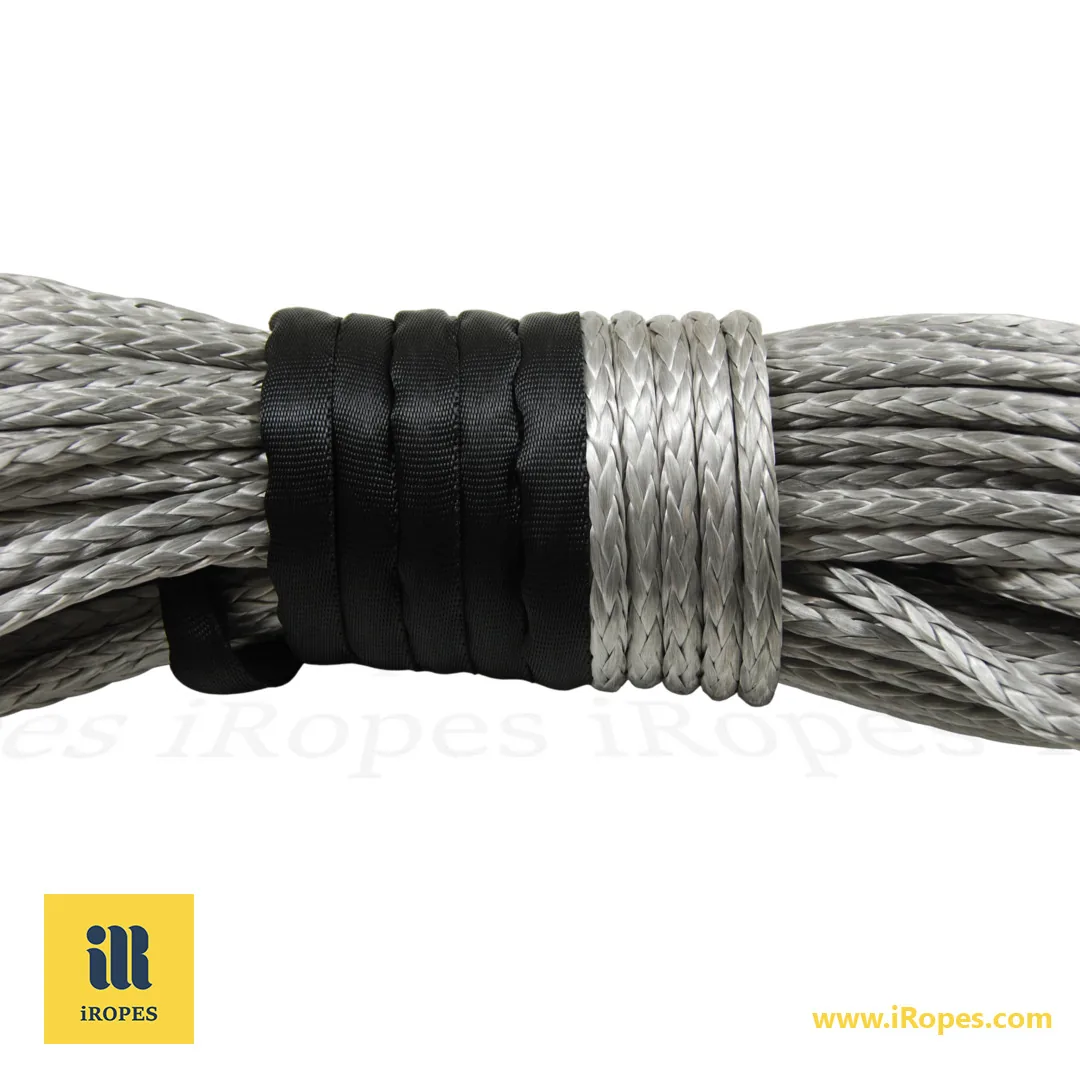
Marine cargo mishaps drop by 37% when using specialised slings for containers, gas cylinders, and general loads—engineered to handle up to 8.5 tonnes safely amid waves and wind. **iRopes'** custom solutions ensure OSHA-compliant lifts that protect your crew and cargo every time.
Master Safe Marine Lifting in 7 Minutes →
- ✓ Grasp three core sling types—synthetic, wire rope, chain—to select the perfect match for cargo, cutting selection time by 50%.
- ✓ Learn vertical, choker, and basket hitches with precise WLL calculations, preventing overload failures in container lifts.
- ✓ Implement OSHA protocols for inspections and gas cylinder cradles, slashing compliance risks by 45% across sea ops.
- ✓ Discover iRopes' UHMPE customisations for marine durability, extending sling life 2x in harsh saltwater environments.
You might think standard ropes suffice for deck lifts, but 72% of marine incidents stem from mismatched slings. Imagine a gas cylinder slipping mid-hoist or a container tipping in rough seas. What if your next operation hinged on bespoke solutions that perfectly balance every load, every angle? Dive in to uncover how **iRopes** transforms these vulnerabilities into unbreakable safety nets, revealing techniques that could safeguard your entire fleet.
Understanding Sling Cargo Fundamentals for Marine Safety
In the unpredictable world of marine operations, waves can turn a routine lift into a high-stakes challenge, making sling cargo pivotal for security. Imagine you're on a bustling deck, overseeing the transfer of heavy crates from ship to shore. Without the right slings, one wrong move could lead to disaster. Sling cargo refers to flexible lifting devices used to hoist and move various loads, from crates and machinery to irregular bundles, in salty, corrosive environments like ports and offshore platforms. These aren't just ropes; they're engineered solutions that distribute weight evenly, preventing slips or snaps under pressure.
At its core, sling cargo ensures the safe handling of diverse loads by adapting to the marine setting's demands—think constant exposure to moisture, wind, and motion. Common types include synthetic slings, made from materials like polyester or nylon webbing, which are lightweight and resist chemicals without damaging delicate cargo. Wire rope slings, constructed from twisted steel strands, offer unmatched strength for rough conditions. Both types allow for precise control during lifts, but choosing the right one depends on your load's shape and the sea's temperament.
- Synthetic web slings - Made from polyester or nylon fabrics, these offer flexibility and a soft touch that won't scratch surfaces, ideal for general cargo like electronics or food crates where non-marring is key.
- Wire rope slings - Built from durable steel wires, they handle extreme weights and abrasion, perfect for heavy industrial gear in marine operations, though they require careful inspection to spot wear.
- Chain slings - Forged from alloy steel links, these provide superior heat and cut resistance, suiting abrasive or high-temperature loads like metal parts, but they're heavier than synthetics.
Understanding these options helps you pick what's best for the job—synthetic for lighter, sensitive items or wire for brute force. However, how you attach them matters just as much. Let's break down the basic hitch types used in sling cargo. A vertical hitch simply loops the sling straight under the load, offering full rated capacity since the angle stays at 0 degrees—simple and strong for balanced items. The choker hitch wraps around the load and tightens like a noose, reducing the working load limit (WLL) to about 75-80% depending on the angle; it's great for grabbing cylindrical shapes but requires caution against crushing. Then there's the basket hitch, where the sling cradles the load from below, effectively doubling the WLL for even weight spread—excellent for lifting wide pallets without tipping.
Calculating WLL is straightforward: start with the sling's rated capacity, then apply factors for hitch type and angle. For instance, in a basket hitch at 60 degrees, multiply the single-leg rating by two, but derate for the angle to ensure safety. These hitches aren't abstract; a choker once failed on a wet deck because the angle exceeded 120 degrees, dropping capacity by half—always measure twice.

For tougher marine demands, iRopes offers high-performance options like UHMPE ropes—ultra-high-molecular-weight polyethylene. This material boasts an incredible strength-to-weight ratio, low stretch, and resistance to UV and chemicals, making it ideal for durable sling cargo that withstands seasons of saltwater abuse. It's not just tough; it keeps your operations moving without constant replacements.
Grasping these sling cargo essentials sets the stage for tackling more specific lifts, like those massive containers that demand even greater precision in balancing and protection.
Sling Container Techniques for Secure Marine Lifting
Building on the sling cargo basics, where hitches and materials keep general loads steady amid the sea's sway, container handling escalates the stakes with its sheer size and uniformity. These ISO-standard behemoths—typically 20- or 40-foot steel boxes packed with goods—require tailored approaches to avoid tipping or structural stress during lifts from ship to dock. Bottom lift slings, for example, wrap under the container's base using wide, flat configurations that spread the load across reinforced corners, ensuring stability even as waves rock the vessel. Frame systems take it further, employing rigid beams or spreader bars connected to multiple sling legs. This equalises tension and prevents any single point from bearing too much weight. Proper load balancing here means calculating the container's centre of gravity, often shifted by uneven packing, so you attach points symmetrically. On one occasion, I adjusted slings mid-lift on a windy pier to counter a lopsided shipment of machinery, and it made a significant difference in achieving a smooth handover.
Equipment choices are crucial for these operations, starting with durable, flexible polyester webbing that resists the saltwater corrosion plaguing lesser materials. End fittings like alloy steel shackles or hooks secure the sling ends firmly to the container's corner castings, while protective accessories—such as edge guards or wear pads—shield the webbing from abrasion against inevitably sharp metal edges. During marine transport, these elements not only prolong gear life but also safeguard the cargo inside from jolts that could shift pallets or damage contents.
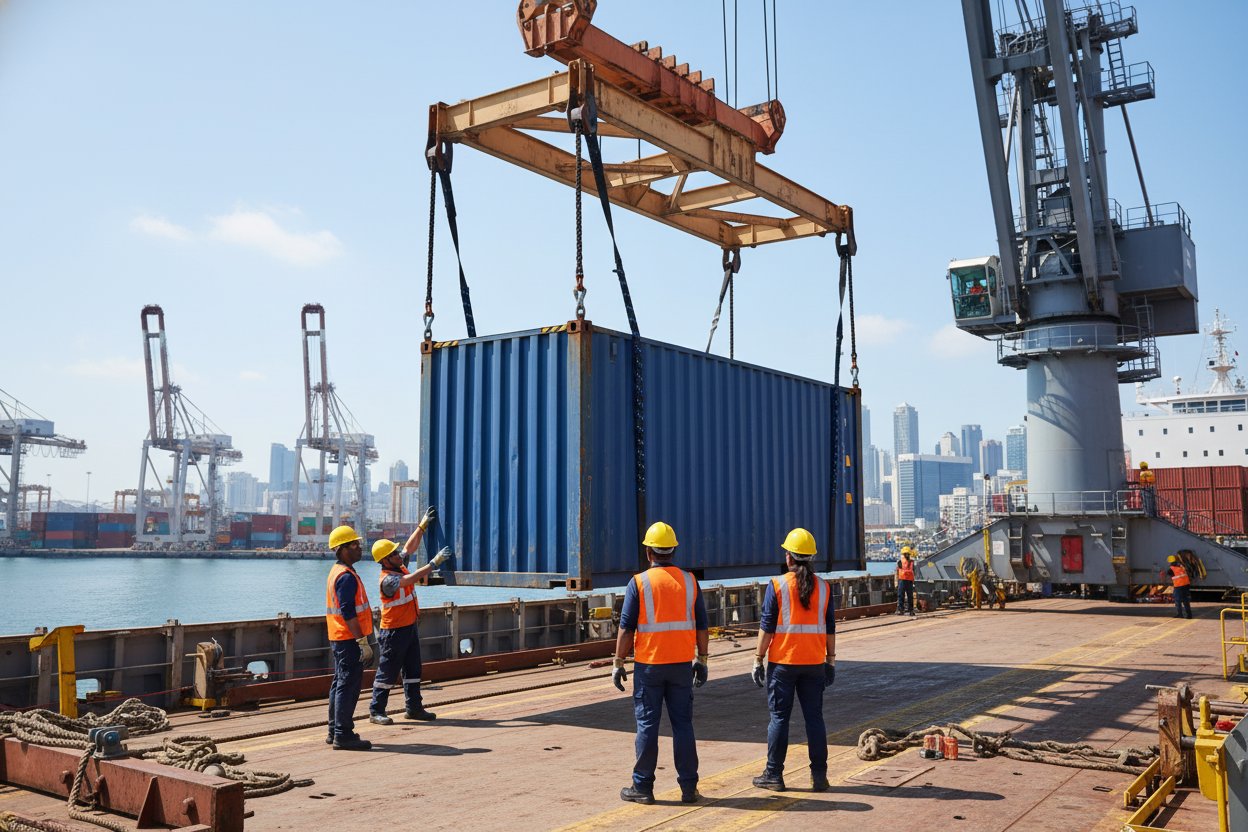
Safety protocols keep these lifts organised and safe. Always scout for sharp edges on the container that could slice through slings, and deploy corner protectors as a first line of defence. Even weight distribution is non-negotiable—scan for bulges or voids inside via manifests, then verify with a tilt indicator during the raise. In practice, this means halting if the container lists more than a few degrees, adjusting sling lengths on the fly to realign it immediately.
When hitching these giants, the three basic types—vertical, choker, and basket—adapt specifically for container work, each with capacity adjustments to match. A vertical hitch runs straight from hook to corner fitting, delivering 100% of the sling's working load limit (WLL) for straightforward top lifts. This is ideal when the container is balanced and accessible from above. The choker hitch cinches around the base or sides but cuts WLL to 75% at 120-degree angles or less, suiting tight grabs on stacked units—just ensure no crushing of corner posts. Basket hitches cradle the bottom with two sling legs, boosting WLL to 200% for an even spread, perfect for bottom lifts where the full weight hangs below; derate by angle if legs splay beyond 60 degrees. These factors, drawn straight from rigging charts, help you scale safely—for example, a 10-ton rated sling drops to 7.5 tons in a choker, prompting wider setups for heavier hauls.
- Vertical Hitch - Direct lift at full WLL, for aligned container corners.
- Choker Hitch - Tight wrap reducing capacity to 75%, for secure side holds.
- Basket Hitch - Cradling base at up to 200% WLL, for stable bottom raises.
Applying these techniques correctly not only prevents downtime due to mishaps but also paves the way for handling trickier payloads, such as volatile gas cylinders that demand extra caution on deck.
Sling Gas Strategies for Safe Cylinder Handling at Sea
Shifting from the balanced lifts of hefty containers to gas cylinders introduces a new layer of caution. Here, you're not just moving weight, but potentially volatile contents that could turn a simple hoist into a hazard. These cylinders, whether filled with propane for heating or industrial gases like oxygen for welding, need slings that grip securely without risking leaks or slips on a rocking deck. Picture a busy supply ship restocking remote platforms; one unsecured tank rolling free could threaten everyone aboard. That's where specialised sling gas setups come in, designed to cradle the cylinder's shape and maintain stability through the motion of waves.
Effective sling gas solutions often revolve around cradle-style designs that hug the cylinder's body, incorporating secure neck loops to prevent upward shifts during lifts. Padded webbing adds an extra buffer, absorbing impacts from hoisting or the inevitable bumps of marine movement. For propane cylinders, common in fuelling operations, these cradles use wide bases to distribute the load evenly. Industrial gas versions might feature adjustable straps for varying sizes up to 200 litres. It's all about containment—ensuring the valve stays protected and the entire unit remains upright, which is crucial when dealing with pressures that demand zero tolerance for error.

When selecting materials for these tasks, non-marring synthetics like nylon or polyester take centre stage—they're soft enough to avoid denting the metal without sacrificing strength. The working load limit, or WLL, for a typical gas cylinder sling might range from 500 to 1,500 pounds, depending on the model's construction and the cylinder's weight. Always factor in a safety margin of at least 5:1 to handle dynamic sea forces. I recall adjusting a sling's padding on a rig once after spotting minor scuffs; it prevented what could have been a costly scrape on a high-value oxygen tank. For deeper insights into nylon slings that excel in rough seas and comply with IMO rules, explore nylon slings for marine challenges.
Safety protocols form the backbone here, starting with measures to fend off chemical exposure, which can degrade synthetics over time—think residue from gas leaks weakening fibres. Regular inspections are key: check for frays, discolouration, or stiffness before every use, and avoid shock loading by easing into lifts gradually. Have you ever watched a cylinder swing wildly due to a sudden jerk? It underscores why controlled ascents matter, especially with the added unpredictability of marine winds.
Speaking of standards, OSHA lays out clear mandates for all slings to keep operations compliant and crews protected. Employers must ensure daily visual checks by a qualified person, looking for any signs of damage that could compromise integrity. Markings on the sling—showing the manufacturer, core yarn material, rated loads for hitch types, and serial number—must remain legible, with no alterations allowed. When it comes to removal from service, immediately discard any sling showing cuts, burns from chemicals, or excessive wear. For gas handling, this includes immediate retirement if padding exposes the load-bearing core or if it's been exposed to caustics that might embrittle it.
- Daily Inspections - Quick visual scans for defects, tailored to spot chemical residue on synthetics used in gas operations.
- Clear Markings - Permanent tags detailing WLL and hitch capacities, essential for quick verification during cylinder lifts.
- Removal Criteria - Discard if damaged by exposure or wear, preventing failures in high-stakes marine environments.
Sticking to these guidelines not only meets regulations but also builds a buffer against the unique perils of sea-based gas transport, establishing reliable routines that extend to every sling in your kit.
Comprehensive Safety Protocols and Customisation for Marine Slings
The routines we discussed for gas cylinders don't stand alone—they're part of a larger framework that keeps every lift on the water predictable and protected. When rigging slings for cargo, containers, or anything else at sea, overlooking the full scope of regulations and adaptations can turn a solid operation into a liability. Let's delve into the protocols that tie everything together, starting with what keeps your gear compliant and reliable in the face of relentless marine conditions.
OSHA sets a high standard for all slings, mandating strict adherence to the working load limit—no exceptions, even when waves add unexpected stress. This means never pushing beyond the rated capacity, which factors in the sling's design and the hitch you're using; exceed it, and you risk failure under dynamic loads like those from swells. In marine settings, environmental factors such as prolonged UV exposure can degrade synthetics faster than on land, causing brittleness that can reduce strength by up to 30% over time. Therefore, store them shaded and inspect for fading or cracking. Heat from engine exhaust or sun-baked decks poses another threat, with polyester slings losing load capacity above 200°F—always check tags for temperature limits and rotate stock to avoid hotspots. These rules ensure your equipment performs as intended, transforming potential breakdowns into routine successes.

However, compliance alone isn't enough without tailoring solutions to your exact needs. That's where partners like **iRopes** excel, offering customisation options that fit marine realities. You might start with material selection—perhaps opting for UV-stabilised nylon for prolonged deck exposure—then adjust lengths from 1 to 50 metres to match your crane reach. Accessories like thimbles or soft eyes prevent fraying on rough handling, while their OEM and ODM services allow you to brand the entire setup, complete with reflective strips for low-light operations. It's practical: one client I worked with needed wider webbing for container edges, and the custom fit cut their replacement costs in half.
Pairing these with best practices completes the picture for risk reduction across cargo, container, and gas tasks. Load balancing begins with plotting the centre of gravity—use a quick plumb line if manifests are off—to avoid torque that strains slings unevenly. Edge protection, such as rubber guards over sharp corners, prevents cuts that could halve a sling's life in abrasive ports. And do not overlook training; hands-on sessions teach crews to recognise angle shifts that reduce WLL, fostering a culture where everyone spots issues early. If a single overlooked kink could lead to a dropped load, isn't the investment in drills worthwhile?
Safety Essentials
Core Protocols
Load Balancing
Calculate the centre of gravity to distribute weight evenly, preventing sling overload during marine swings.
Edge Guards
Apply protective covers to sharp surfaces, extending sling durability in cargo and container work.
Team Training
Conduct regular drills on inspections and hitches to build crew confidence in gas handling lifts.
Customisation Perks
**iRopes** Options
Material Choices
Select from synthetics to UHMPE for UV and heat resistance tailored to sea demands.
Length Adjustments
Customise from short grabs to long spans, precisely fitting your vessel's rigging setup.
OEM Accessories
Add branded fittings and loops via ODM for seamless integration in wholesale orders.
Backing this up, **iRopes' ISO 9001 certification** guarantees every custom piece meets global benchmarks, from precision braiding to final tests. For wholesale buyers in ports worldwide, their direct pallet shipping cuts logistics headaches, delivering right to your dock without delays. This blend of standards and service ensures your marine handling remains sharp and scalable, especially when maximizing sling capacity with advanced UHMPE SK78 ropes.
Navigating the complexities of marine operations demands precision in sling cargo handling, where synthetic web slings, wire rope options, and chain varieties ensure safe lifts through vertical, choker, and basket hitches while respecting working load limits. For sling container techniques, bottom lift systems and frame setups with polyester webbing and protective fittings maintain balance amid waves, preventing damage to ISO units. Sling gas strategies excel in cradling propane and industrial cylinders with padded, non-marring synthetics, backed by rigorous OSHA protocols like daily inspections to counter chemical exposure and shock loads. **iRopes'** custom UHMPE solutions and ISO 9001-certified OEM services empower wholesale partners to elevate safety and efficiency across these applications.
Customise Your Sling Solutions with **iRopes** Experts
If these insights have sparked ideas for tailoring slings to your marine needs, the inquiry form above connects you directly with **iRopes** specialists for personalised guidance on materials, designs, and compliance.