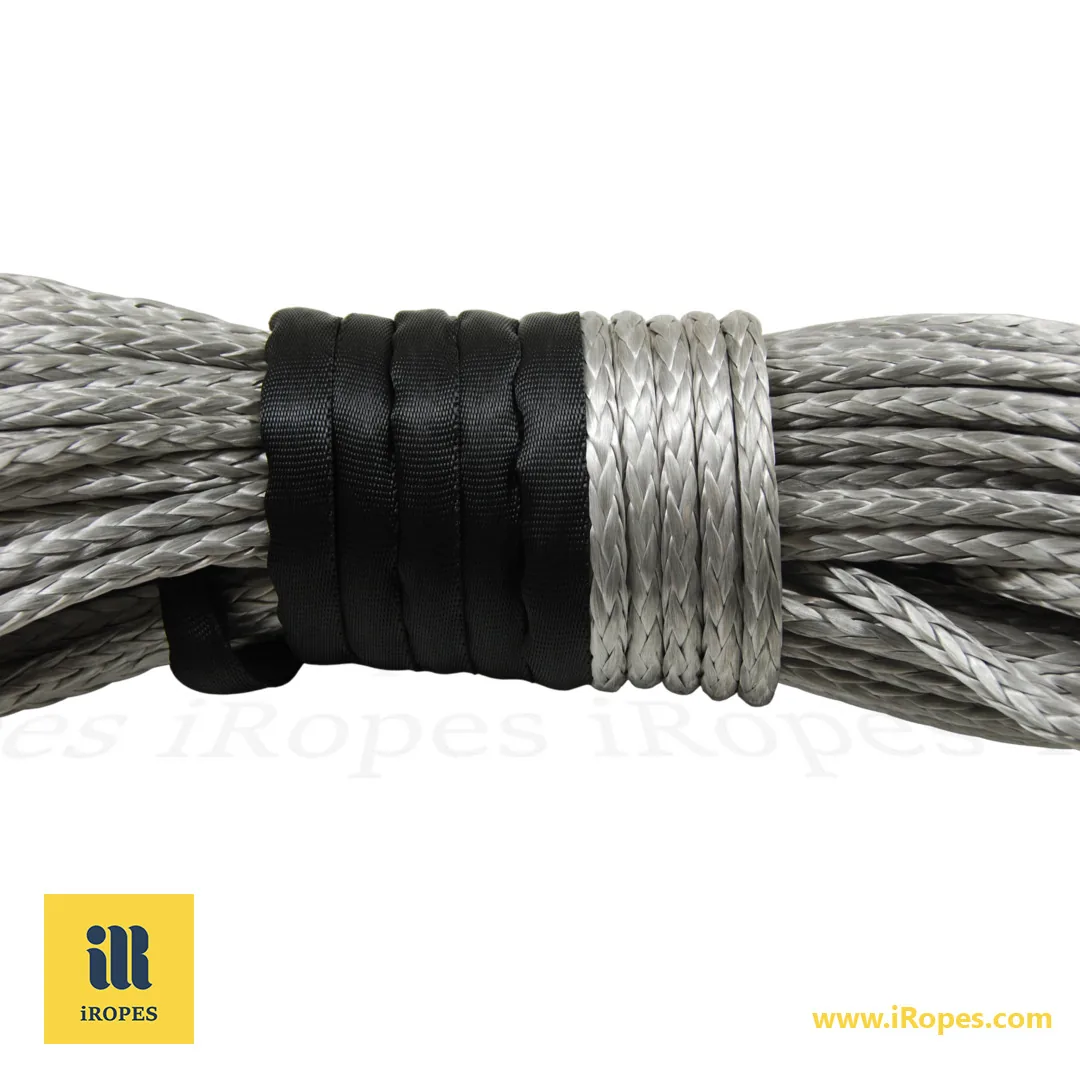
Boost your marine lifting by 47%—simply by minimising sling self-weight. Lighter synthetics, like polyester round slings, reduce drag and redistribute load more efficiently in yachting or offshore scenarios, meaning you're no longer wasting rigging power on unnecessary heft.
In 8 minutes, you'll unlock:
- ✓ Grasp sling weight basics—deduct 5-10% self-weight from ratings to avoid overloads in wet marine conditions, saving your setup from 20% capacity loss.
- ✓ Master capacity calculations—learn WLL formulas and angle adjustments that prevent 50% drops at 30-degree hitches, acquiring skills for safer lifts.
- ✓ Optimise sling sizing—use step-by-step guides for marine loads like boat parts, boosting efficiency by matching diameters to cut drag and extend usability.
- ✓ Solve maintenance pitfalls—frequent inspections extend synthetic sling life two times in saltwater, ensuring compliance and peak performance.
You've probably assumed heavier slings mean sturdier lifts, but in choppy marine operations, that extra weight can secretly steal up to 47% of your lifting capacity through sneaky drag and imbalance. What if swapping to custom lightweight synthetics from iRopes flipped the script, transforming risky heaves into precise powerhouses? Dive in to uncover the exact tweaks—from diameter choices to hitch hacks—that deliver this surge without compromising safety.
Understanding Sling Weight in Marine Lifting
In the unpredictable world of marine operations, whether you're hoisting gear on a yacht or securing equipment during spearfishing dives, every detail counts. Sling weight – the self-weight of the sling material itself – plays a subtle yet significant role. It's not just the load you're lifting; the sling adds its own mass, which shifts how the overall weight distributes and directly impacts your effective lifting power. Picture this: in choppy waters, an extra kilogram from a heavier sling can throw off balance, making the lift feel less stable and more demanding on your setup. This is particularly crucial when dealing with varying sling sizes and capacities.
Think about carrying a backpack on a hike—the straps and frame add to the burden, right? Similarly, in marine lifting, a sling's self-weight influences load distribution by increasing the total mass the rigging hardware has to handle. This directly impacts sling weight capacity, especially in dynamic scenarios where waves or currents introduce variables. For instance, during yacht maintenance, an overly heavy sling might reduce your margin for error when swinging a propeller into place. Understanding these weight and capacity relationships is vital for both safety and efficiency.
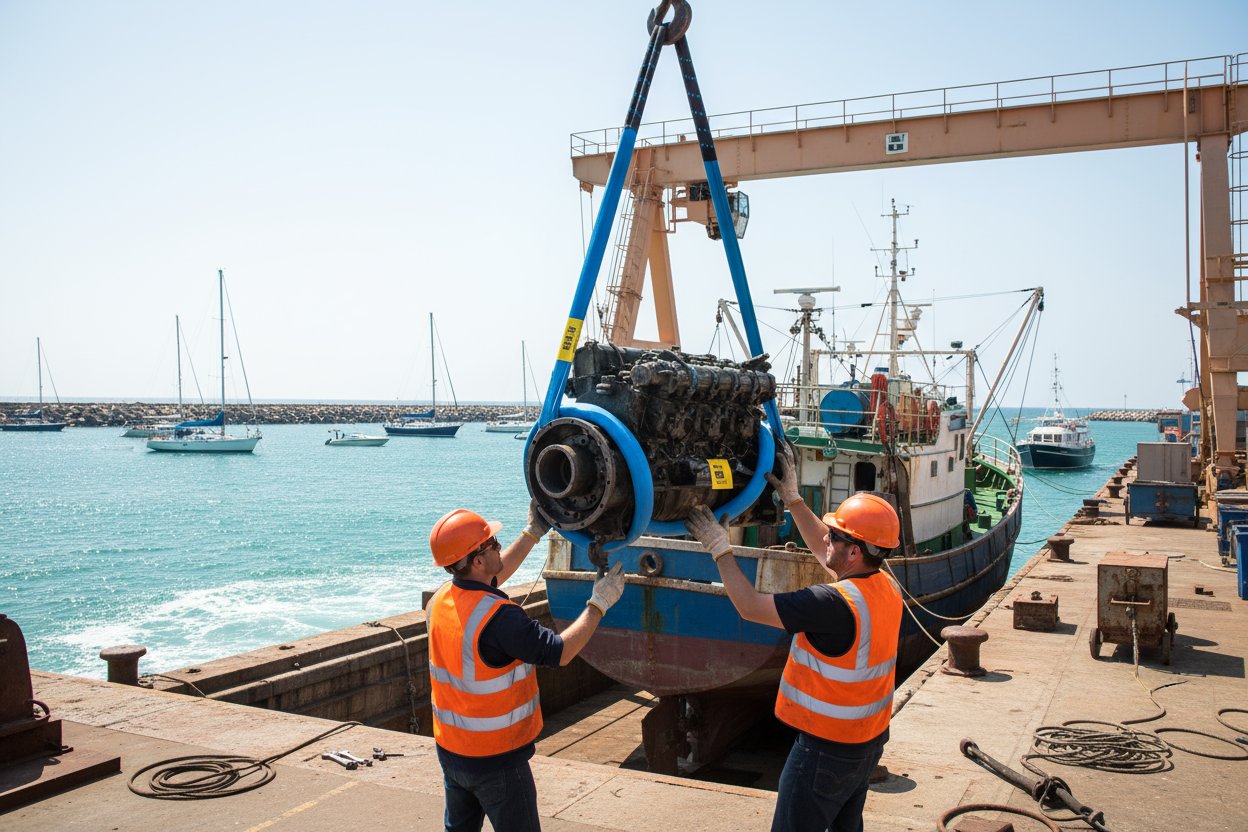
Opting for lighter materials makes a substantial difference. Synthetic round slings, often made from high-strength fibres like polyester or UHMWPE, weigh far less than traditional chain or wire options—often just a fraction of the load's mass. This reduction in self-weight means more of your rigging's power goes toward the actual cargo, significantly boosting efficiency. The common question, "How much weight can a sling hold?" is answered by its rated capacity, but you must always subtract the sling's own weight from the total rated capacity to determine the true usable limit. For a typical two-inch wide synthetic web sling, the vertical working load might be 1,400 kg, but deducting approximately 5-10% for self-weight (especially in wet conditions) helps avoid surprises and potential overloads. This calculation directly affects the overall sling size and capacity required.
Now, consider hitch types and the D/d ratio—that's the diameter of the object being lifted divided by the sling's diameter. This ratio ensures the bend in wire rope or synthetic materials doesn't weaken the sling, maintaining its structural integrity. In a vertical hitch, self-weight has minimal impact. However, switch to a choker hitch around a wet buoy, and excessive sling weight amplifies stress, particularly if the D/d ratio dips below 2:1. Abrasive marine environments, such as sandy spearfishing spots, can exacerbate this issue. A heavy wire rope sling might overload faster under saltwater corrosion, raising the risk of failure mid-lift. Understanding these details is critical for selecting the right sling weight for specific operations.
Have you ever noticed how a slight imbalance turns a simple task into a struggle? In wet or gritty conditions, that extra sling weight can lead to overloads, where the system strains beyond safe limits. For example, a one-inch chain sling weighing 6.8 kilograms per metre might push the limits in a basket hitch on offshore gear, cutting your effective capacity by 20% due to added drag from its own mass. This highlights the importance of precise sling selection.
- Vertical Hitch - Minimal self-weight influence, ideal for straight lifts in calm yachting waters.
- Choker Hitch - Heightened risk from sling weight in abrasive conditions; maintain D/d over 1:1 to prevent overload.
- Basket Hitch - Doubles capacity, but self-weight deductions grow with length, critical for spearfishing recoveries.
Grasping these sling weight basics sets the stage for safer lifts, but to truly maximise your setup, we need to look at the rated capacities and how angles or environments tweak them. These factors directly impact sling weight capacity, making informed choices essential.
Mastering Sling Weight Capacity Fundamentals
Building on how a sling's self-weight can sneak up on your marine lifts, let's delve into the specifics of what determines how much those slings can actually handle. Rated capacities aren't just numbers on a tag; they are your lifeline when dealing with heavy boat parts or offshore gear. Understanding these fundamentals helps you avoid those heart-stopping moments where everything feels just a bit too close to the edge.
Start with the basics: the Working Load Limit (WLL), often referred to as the Safe Working Load (SWL), is the maximum weight you can safely lift under normal conditions. It's calculated as WLL = Minimum Breaking Strength (MBS) / Safety Factor. The MBS is the theoretical point at which the sling would snap. Safety factors typically range from 4:1 to 6:1, depending on the material and application. For chain slings in salty marine setups, the factor often sits at 4:1 to account for tough conditions, while synthetics might push to 5:1 or 6:1 for extra caution and enhanced safety. These factors build in a buffer against surprises like sudden waves or hidden wear, ensuring the sling won't fail under everyday stress, thereby maintaining optimal sling weight capacity.
So, what is sling load capacity, exactly? It's that WLL value, tailored to the sling's design. Take a marine example: a Grade 80 chain sling with an MBS of 20 tonnes might have a WLL of 5 tonnes at a 4:1 safety factor. For wire rope slings, say a 12.7 mm diameter EIPS wire rope used in yacht rigging, the MBS could be around 9.5 tonnes, dropping the WLL to about 1.9 tonnes at 5:1. These figures change rapidly with real-world tweaks, such as the angle of your lift or the hitch you are using, directly impacting effective sling weight capacity.
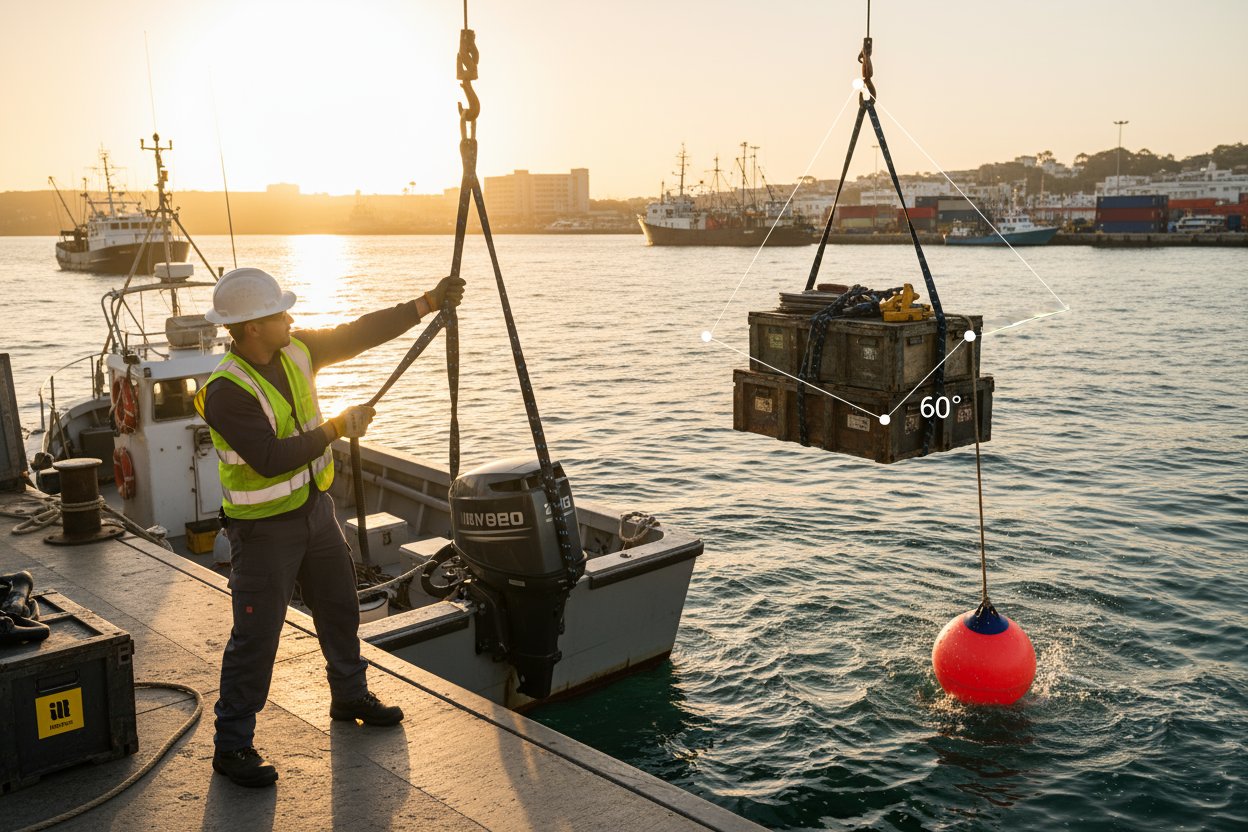
Sling weight capacity is significantly affected by hitch types and multi-leg setups. In a vertical hitch, you get full WLL since the load pulls straight down—like hoisting a dinghy motor dead centre. Choker hitches, which wrap around something like a wet anchor, cut capacity to about 75-80% because the pinch point adds stress. Basket hitches can effectively double the capacity by cradling the load evenly, but only if balanced correctly. When using multi-leg bridles, things get trickier: at a 60-degree angle from horizontal, each leg in a two-leg setup shares the load efficiently. However, if the angle drops to 30 degrees, the capacity per leg halves—meaning up to a 50% overall loss as tension skyrockets. Imagine rigging a sailboat spar in rough seas; that shallow angle could transform a safe 10-tonne lift into a risky 5-tonne maximum. Calculating these angles correctly is crucial for maintaining sling weight capacity.
- Assess the Angle - Measure from horizontal; under 45 degrees demands stronger slings for safe sling weight distribution.
- Choose Hitch Wisely - Vertical for maximum power, basket for supported lifts in calm yacht bays.
- Factor Multi-Legs - Distribute load evenly to avoid single-leg overload in offshore work.
Environments throw another curveball. Saltwater corrosion severely impacts chain and wire rope over time, potentially slashing capacity by 20-30% if not meticulously maintained. Simultaneously, UV rays degrade synthetics, causing brittleness after prolonged sun exposure on deck. This is where options like iRopes' polyester-based synthetics excel—they resist corrosion and fading, maintaining steady performance longer in harsh marine environments. Ever pulled a weathered sling from storage and wondered if it would hold? These durable choices alleviate that worry, keeping your operations seamlessly smooth and ensuring consistent sling weight capacity and safety.
As you factor in these elements, you'll see how precise calculations prevent overloads, paving the way for sizing that matches your exact needs without excess bulk, leading directly to optimal sling size and capacity.
Optimising Sling Size and Capacity for Efficiency
With those capacity principles firmly in place—like how angles and hitches directly affect your limits—picking the right dimensions takes it a step further. This allows you to squeeze more out of every lift without the drag of unnecessary heft. Sling size and capacity aren't one-size-fits-all; they depend on diameter for wire ropes, overall length, width for flat webbing, and the core material's unique properties. A thicker diameter boosts strength but adds self-weight, while longer slings might sag more under load in a basket setup, consequently pulling down your efficiency.
Materials also play a critical role: nylon stretches slightly for shock absorption in wavy conditions, while polyester holds firmer against UV exposure on deck. For marine work, such as hauling boat hull sections ashore, these choices represent the difference between a smooth operation and one bogged down by excess material. By carefully considering sling size and capacity, you can achieve optimal performance.
Quick reference guides are invaluable here, especially for synthetics, which dominate lighter marine tasks. For example, a one-inch wide, two-ply polyester web sling might handle 1,400 kg vertically, jumping to 2,800 kg in a basket hitch for cradling engine parts. Round slings, with their seamless loops, offer even cleaner lifts—a seven-inch circumference round sling, for instance, might be rated at 8.4 tonnes vertically, ideal for spearfishing gear recovery without snags. These charts typically assume dry conditions, but in saltwater, factor in a slight buoyancy lift from synthetics to offset any added wetness, ensuring accurate sling weight capacity calculations.

So, how do you know what size sling to use? It all comes down to a straightforward process that begins with your load's actual weight—say, a five-tonne propeller. Next, select the appropriate hitch type, such as a choker for tight wraps around irregular shapes. Then, consider marine-specific factors: buoyancy in water reduces effective weight, but waves necessitate extra length for flexibility. Consult a load chart to find the smallest diameter or width that meets or exceeds your needs, ensuring the D/d ratio remains within safe limits to avoid bends that weaken the fibres.
For example, divide the load's diameter by the sling's: if the ratio is under 1:1 for synthetics, you'll need to step up to a larger size. Finally, if possible, perform a mock lift, adjusting for any environmental drag like currents that might amplify self-weight. This method not only ensures the perfect fit for the job but also trims excess material, pushing your marine capacity higher. The overall impact on sling weight and efficiency is substantial.
Capacity can fluctuate considerably with these precise adjustments. A 40mm wire rope sling, for instance, delivers 20 tonnes in a straight vertical pull—perfect for hoisting anchors—but drops to about 16 tonnes in a choker due to the pinch. Proper sizing effectively cuts that self-weight drag, freeing up rigging power. I've witnessed crews boost their effective lift by nearly a third simply by switching to a slimmer round synthetic sling that floats better and weighs less when wet. It's akin to choosing the correct tool for a stubborn bolt—too bulky, and you'll struggle with every turn. This precise approach is central to optimising sling size and capacity.
Synthetic Web
Width-Based Capacities
25.4 mm (1-inch)
Vertical: 1,400 kg; ideal for light yacht fittings.
50.8 mm (2-inch)
Vertical: 2,800 kg; suits mid-size boat components.
76.2 mm (3-inch)
Vertical: 4,200 kg; handles heavier offshore gear.
Round Slings
Circumference Guide
177.8 mm (7-inch)
Vertical: 8.4 tonnes; great for spearfishing loads.
254 mm (10-inch)
Vertical: 17 tonnes; for larger marine recoveries.
355.6 mm (14-inch)
Vertical: 33 tonnes; supports heavy defence rigging.
That's where strategic partners like iRopes come in, offering tweaks to diameter, length, or even embedding reflective strands for night dives, with synthetic rope sling solutions that ensure your sling size and capacity align perfectly, minimising waste and maximising every operation's effectiveness. Once you've perfected the fit, maintaining that consistent performance through regular checks becomes the crucial next step.
Selecting and Maintaining Slings for Marine Success
Once you've achieved the perfect fit through smart sizing, maintaining consistent performance through regular checks is the vital next step. But before you even get to inspections, let's discuss selecting the right sling for your specific marine setup—it's akin to choosing the correct anchor for the seabed, tailored precisely to the conditions you'll encounter. In yachting or offshore work, where salt spray and swells are constant, a robust selection process starts by assessing your load's weight and shape, then factoring in the environment and the hitch you'll use. For example, if you're lifting a camper's kayak from a rocky beach, you'd want a synthetic round sling that resists abrasion while floating just enough to ease the pull from the water, directly impacting its sling weight capacity.
The process unfolds simply: first, precisely weigh your cargo—overestimate if there's any doubt about added water weight. Then, evaluate the surroundings, such as corrosive saltwater or UV-heavy decks, which necessitate materials that won't degrade quickly. Choose the hitch type next—vertical for direct pulls on boat motors, or basket for cradling multiple dive tanks in spearfishing operations. Quick guides are helpful here; for light camping lifts under two tonnes, a two-ply polyester web sling works well in a choker hitch, while offshore heavy hauls exceeding 10 tonnes call for a multi-leg wire rope bridle at 60-degree angles to effectively distribute stress. iRopes steps in with their OEM and ODM services, crafting these exact specifications, from custom lengths to embedded chafe guards, ensuring your setup perfectly matches the job without excess bulk, truly optimising sling size and capacity.
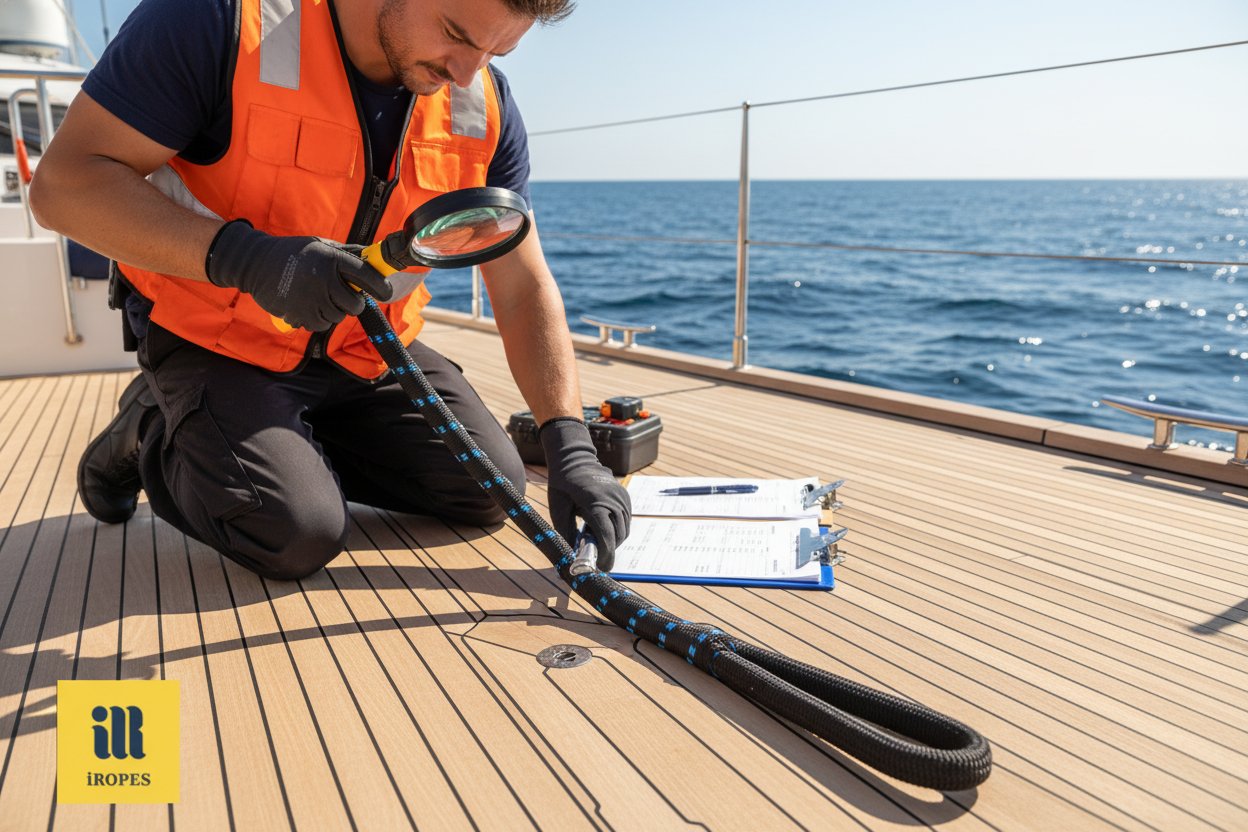
Meticulous maintenance keeps everything humming safely, starting with pre-use checklists that identify issues early. Run your hands along the entire length of the sling, checking for cuts, frays, or acid burns from spilled fuel—anything indicating over 10% damage means the sling should be immediately sidelined. Check carefully for chafe where it rubs against hull edges, and ensure the tag's load ratings are still legible; faded or unreadable ink is a major red flag. For synthetics, which exhibit greater flexibility in waves, inspections should occur frequently—ideally before every major lift or weekly during heavy use—to spot any UV cracking or saltwater stiffening. Think of it as giving your gear a quick health check; I've personally regretted skipping one on a windy day, leading to a close call with a frayed edge. This diligence impacts sling weight integrity over time.
- Visual Scan - Look for knots, twists, or discolouration from chemicals in marine spills.
- Tension Test - Gently stretch to feel for hidden weaknesses without full loading, preserving sling weight capacity.
- Tag Verification - Confirm WLL and expiration date; illegible tags demand immediate retirement.
Safe operating practices ultimately seal the deal—always pad sharp corners on deck fittings to prevent slices, and crucially, never exceed the rated limits, even if the load appears light in calm seas. iRopes' IP-protected designs, such as reinforced cores for superior twist resistance highlighted in rigging choker safety tips, truly shine here, holding up admirably against the grind of defence manoeuvres or tree-trimming near water. When executed correctly, this comprehensive approach effectively trims sling weight inefficiencies, allowing you to achieve that 47% marine capacity gain by focusing power precisely where it truly counts. Reach out to iRopes for those tailored pieces that make it all click, ensuring your sling weight capacity is always optimised.
These habits do more than just safeguard your operations; they also highlight how custom fits and diligent care transform potential pitfalls into reliable, routine successes.
By minimising sling weight—the self-weight of the material—you can unlock up to a 47% boost in marine lifting capacity, transforming yachting and offshore operations into safer, more efficient endeavours. Mastering sling weight capacity fundamentals, from Working Load Limits to hitch types and angle adjustments, ensures precise load handling amidst saltwater challenges and dynamic waves. Optimising sling size and capacity through careful consideration of diameter, length, and material choices, guided by quick reference charts for scenarios like propeller hoists or spearfishing gear recovery, allows for tailored fits that reduce drag and enhance performance. With proper selection and maintenance, including frequent inspections for chafe and corrosion, your setups remain reliable. This embodies iRopes' steadfast commitment to providing custom synthetic lifting sling solutions that meet your exact needs.
These insights empower you to elevate your marine lifting game, but applying them perfectly often requires a touch of personalised expertise to precisely match your unique operational requirements.
Need Tailored Advice for Your Sling Selection?
If you're ready for custom sling recommendations that align with your specific marine operations, the inquiry form above connects you directly with iRopes' specialists for personalised guidance and OEM solutions.