Discover how splicing sailing and windsurfing ropes retains 95% of original strength—outperforming knots that can reduce it by 50-60%—to supercharge your rigging's power and prevent mid-race failures.
In 8 minutes, you'll master techniques that:
- ✓ Preserve 95% rope strength for safer, faster sailing halyards and windsurfing uphauls
- ✓ Guide selection of Dyneema or polyester ropes optimised for boats, cutting bulk by 30% in sheets
- ✓ Learn step-by-step splices like eye and soft shackles, solving unspliceable rope challenges
- ✓ Boost performance with maintenance tips, extending rope life up to 2x in harsh marine conditions
You've probably relied on knots for quick fixes on your boat or board, convinced they hold firm. But what if that bulky tie was silently sabotaging your speed, weakening lines under relentless waves? Imagine seamless splices that glide through blocks like silk, unlocking hidden power in every gust. Dive deeper to reveal iRopes' custom secrets that transform ordinary rigging into race-winning resilience, tailored just for your adventures.
The Essential Art of Splicing Sailing Rope
Imagine being out on the water, with the wind whipping across the deck, and your rigging holds firm without a hitch. That's the magic of splicing. It's more than just a technique; it's what keeps your sails flying true. Splicing sailing rope involves weaving the strands of a rope back into itself to create a seamless join or loop. This method is far superior to tying knots, which can slash a rope's strength by half or more. A well-executed splice, in contrast, preserves up to 95% of the original breaking strength, making your setup safer and more reliable for everything from halyards to sheets. Think about it: in a squall, that
I've seen firsthand how knots bulk up and weaken lines during a regatta. Once, a buddy's hasty bowline let go mid-race, turning a sure win into a tow-back-to-port nightmare. Splicing avoids that drama by creating a smooth, low-profile connection that slides through blocks and winches effortlessly. It's especially vital for rigging under constant load, where every percentage of retained strength counts towards avoiding costly failures.
- Eye splice: This creates a closed loop at the rope's end, perfect for attaching to cleats or sails. On a yacht, it's how you secure a halyard without slippage, holding steady even in heavy winds.
- Ring splice: Designed to fit over a metal ring or thimble, it secures fittings like blocks. Sailors use this for stays on dinghies, ensuring the connection rotates freely without wear.
- Chain splice: Joins rope to anchor chain for rodes. In coastal cruising, it prevents the chain from pulling free during anchoring, saving you from drifting into rocks.
- Figure-eight splice knot: Though more of a secure stopper than a true splice, it forms a bulky end to prevent unreeving. Racers tie this on control lines to keep them from slipping through jammers under tension.
These methods aren't one-size-fits-all, but they adapt to your boat's demands, blending form and function. Why go through the effort for splicing sailing rope? In racing, it shaves grams of weight and reduces drag for faster speeds—picture trimming your spinnaker sheet with a splice that glides like butter. For recreational sailors, the appeal lies in the clean look and minimal bulk, which means less fouling in tight cockpits and easier handling on smaller vessels. Plus, it just feels professional: no lumpy knots marring your setup.
Ever wonder if all ropes play nice with these techniques? Not quite. Some constructions resist splicing altogether, like solid braids where the weave locks tight, or parallel core designs built for zero stretch but tough to penetrate. That's why picking the right rope matters; it sets you up for success without frustration. As you gear up for the open water, consider how matching your line to these splices can transform your outings.
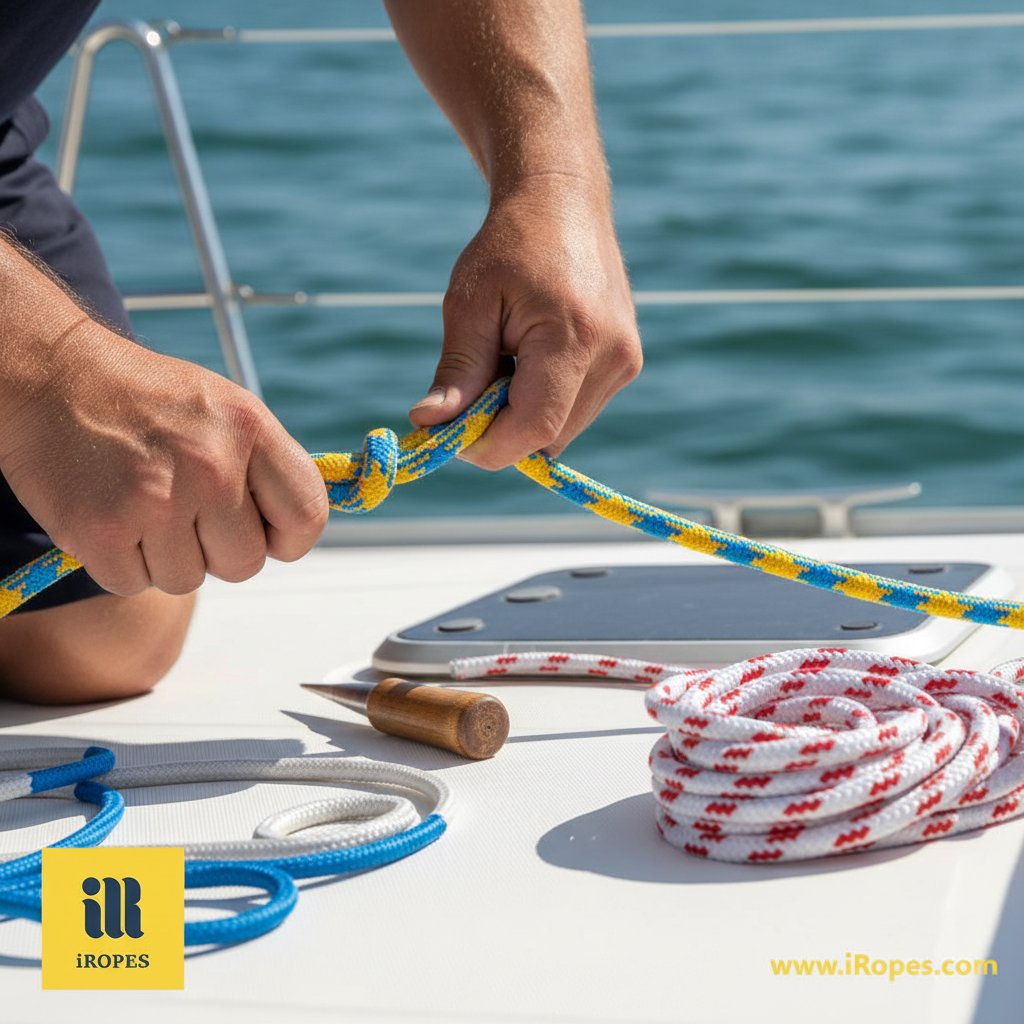
With these
Selecting the Ideal Rope 4 Boats
Building on those splicing basics, the real game-changer comes when you pick a rope that actually works with the technique. Not every line is built for weaving strands back into itself—some fight you every step of the way. Let's break it down so you can match your setup to the sea's demands without guesswork.
First off, rope construction dictates how well it handles splicing. Take 3-strand ropes: they're twisted from three separate yarns, making them straightforward to unlay and reweave for strong joins. These are a go-to for mooring lines where you need something affordable and easy to work with on a casual cruiser. Double braid, on the other hand, has a braided cover over a braided core, offering a balance of flexibility and power—ideal for sheets that need to run smoothly through blocks. Then there's Dyneema, a high-modulus polyethylene single braid that's super lightweight yet packs incredible strength. It's perfect for racing halyards where low stretch keeps your sails trim under gusts.
Rope Constructions
Suitable for Splicing
3-Strand
Twisted design unravels easily for basic eye splices on dock lines.
Double Braid
Cover-and-core setup allows precise tucks for control lines.
Dyneema Single Braid
Hollow weave supports advanced locks for performance rigging.
Key Materials
For Boat Applications
Polyester
Durable against wear, great for everyday sheets and warps.
Nylon
Absorbs shocks from waves, suited to recreational moorings.
Dyneema Blend
Low-stretch powerhouse for halyards in choppy conditions.
However, not all ropes cooperate. Solid braid ropes, with their tightly woven exterior, resist separation, making splicing them a battle you can't win without damaging the line. Parallel core designs, often used in static climbing setups, have locked fibres that won't tuck properly, risking weak points under load. These challenges stem from their no-stretch build, which prioritises rigidity over flexibility. Thus, they're better suited for jobs like guardrails where splicing isn't needed anyway.
When selecting for recreational boats, different materials shine in specific roles. Polyester stands out for its UV resistance and grip, holding up through seasons of coastal hops without fraying. Nylon, with its elasticity, cushions against sudden jerks from tides or wakes, making it a smart pick for docking lines on a family cruiser. Ever had a line snap from a surprise swell? Choosing the right material here prevents that.
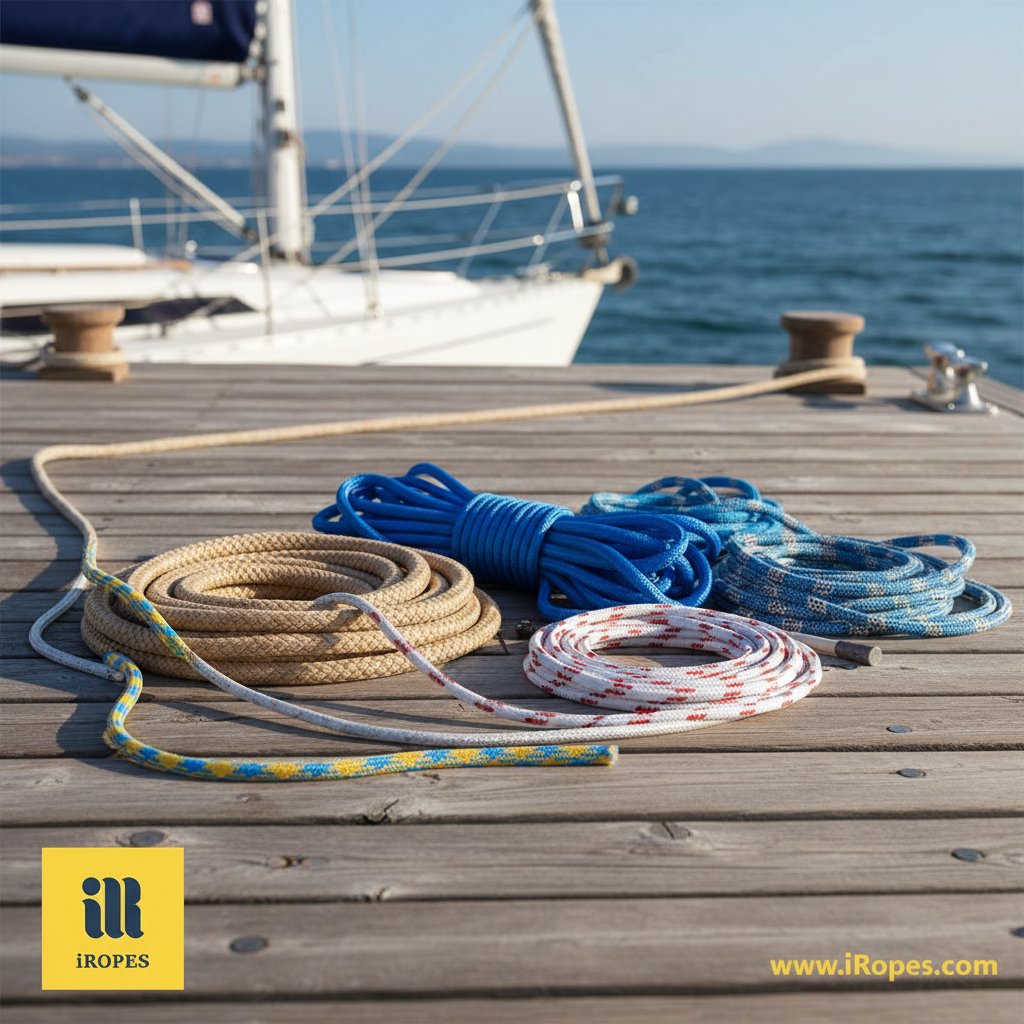
For optimal setup, consider diameters and lengths by application. Halyards typically range from 8-12mm in diameter and 50-100m long to reach mastheads on mid-size yachts, ensuring easy hoisting. Sheets, on the other hand, might use 10-14mm lines around 20-40m, balancing control and speed. For mooring lines, go 12-16mm thick and 10-20m long to handle tidal pulls securely. These specifications keep your rope 4 boats performing without excess weight or bulk.
Getting this selection dialled in sets the stage for precise techniques, especially when you're rigging for something as lively as windsurfing where every gram counts.
Step-by-Step Guides for Windsurfing Rope
Now that you've nailed down the right lines for your boat, let's shift gears to the fast-paced world of windsurfing, where quick adjustments and lightweight gear make all the difference. Windsurfing rope demands techniques that prioritise minimal weight and maximum responsiveness. This is especially true for uphauls that lift your sail effortlessly or downhauls that tension it just right. Dyneema stands out here for its low-stretch properties—imagine pulling up your rig in choppy waves without the line giving an inch, keeping your board stable and your focus sharp. These splices aren't just functional; they shave precious seconds in races by reducing drag and improving control.
Start with the eye splice, a staple for creating secure loops on windsurfing rope used in uphauls and downhauls. This method weaves the rope's end back into itself, forming a durable eye that attaches cleanly to your boom or mast base. For Dyneema single braid, which is common in performance setups, the process involves a fid to pull strands through the hollow core, ensuring the loop holds under the dynamic loads of wave jumping. It's straightforward once you get the hang of it, and it outperforms knots by maintaining the rope's full integrity without added bulk that could snag during a gybe.
- Unlay the rope's end for about 1.5 times its diameter, separating the cover from the core if it's a braided type.
- Insert a fid into the working end and push it through the standing part, creating your eye—aim for a throat angle no steeper than 30 degrees to avoid stress points.
- Pull the working end through, then tuck it back, making tucks that go five times the rope diameter for windsurfing lines. This extra security accounts for the erratic pulls from gusts and water spray.
- Milk the cover smooth and trim excess, securing with a constrictor knot if needed for a tidy finish.
Beyond the basics, tapering your windsurfing rope slims the end for smoother runs through rings, cutting weight where it matters most in racing. You gradually reduce the strands' thickness over a short length, then splice it neatly—think of it like tailoring a suit for better aerodynamics on your rig. Pair this with soft shackle techniques, where you form a loop from the rope itself using a Brummel splice. This allows you to ditch metal hardware for something lighter and less prone to corrosion in salty conditions. These tricks enhance handling, letting you adjust on the fly without fighting extra mass.
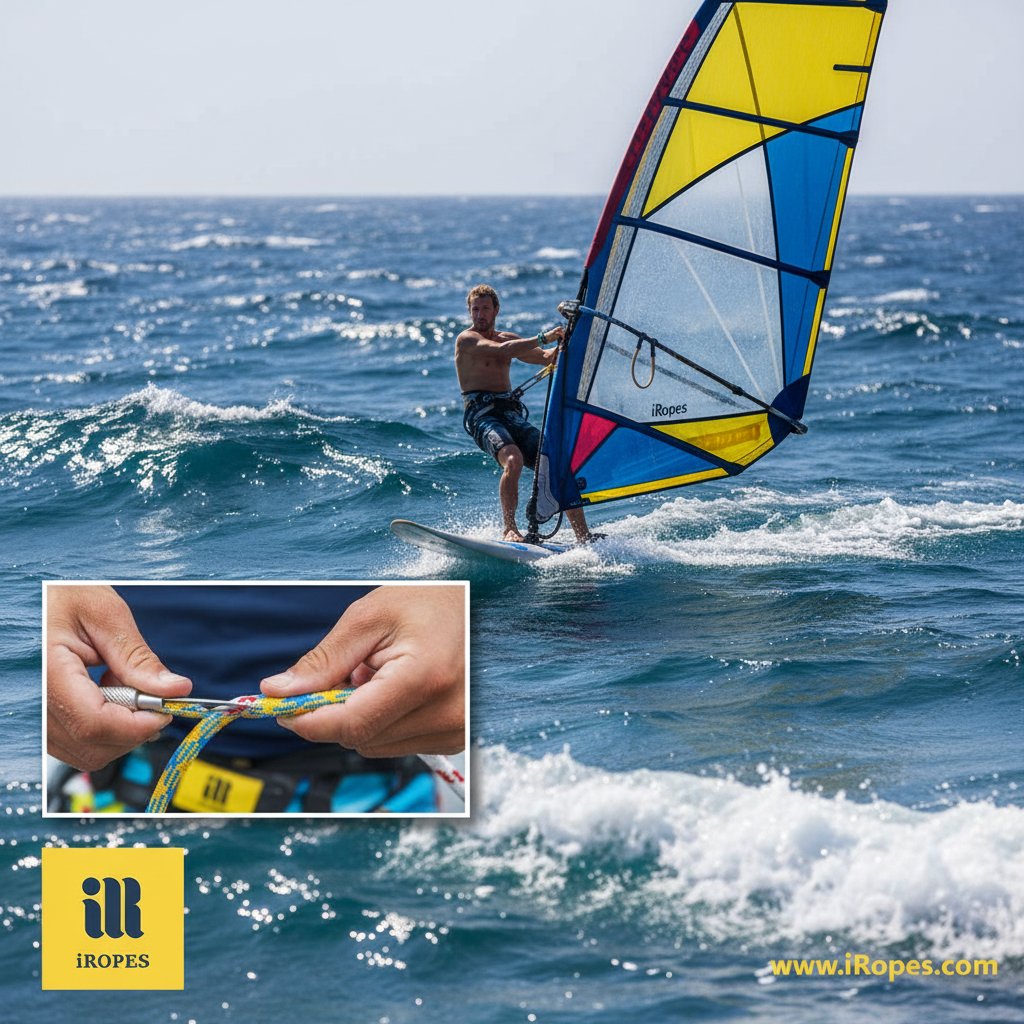
To keep your spliced windsurfing rope going strong, focus on maintenance that battles the sun and surf. Apply a UV protectant spray after every session—it forms a barrier against degradation, potentially doubling the line's life in relentless beach environments. Rinse off salt regularly, and inspect splices for wear before heading out; a small fray could turn into a big problem mid-run. These habits ensure your gear stays reliable, ready for the next adrenaline rush.
As you perfect these methods, having the right tools on hand will make the difference between a frustrating tangle and a seamless splice. For more on enhancing speed and safety with tailored sailing lines, explore sailing lines secrets that align perfectly with these techniques.
Tools, Troubleshooting, and Performance Optimisation
Those windsurfing splices we just covered can feel empowering, but grabbing the right gear first turns potential headaches into smooth sailing—literally. Whether you're rigging a yacht or tweaking your board's lines, the tools you choose set the tone for precision and durability. Let's unpack what you'll need, spot those sneaky errors before they bite, and see how fine-tuning takes your setup to the next level.
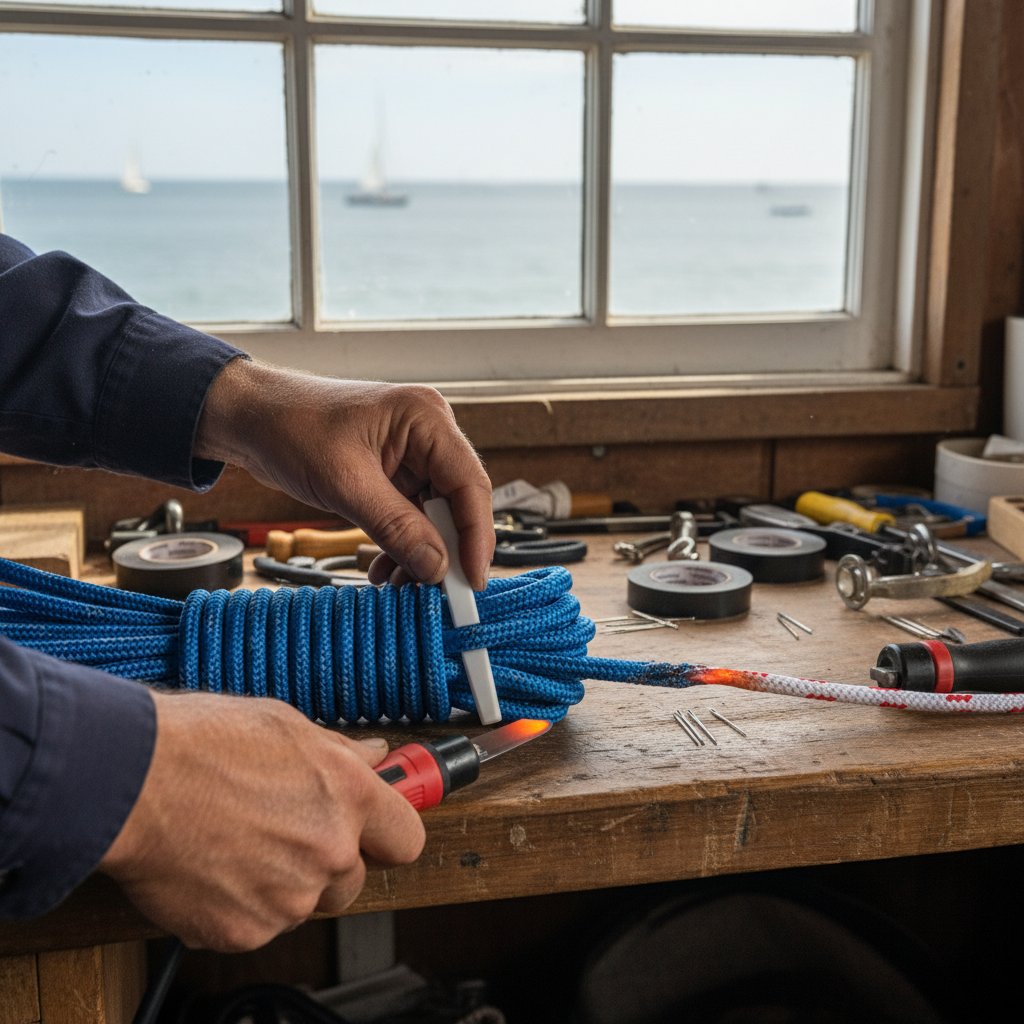
Start with the basics: a fid, which is essentially a tapered tool that acts like a needle on steroids to thread rope strands through tight weaves. For boat ropes, pair it with a splicing needle for finer work on double braids, ensuring strands bury cleanly without snags. A hot knife seals ends instantly, preventing fraying on synthetic lines like those for windsurfing—slice through with heat, and you've got a flush finish that resists water's pull. Don't forget sharp scissors for initial cuts, whipping twine to bind loose ends, and electrical tape to mark your tucks. Pro tip: keep everything organised in a compact kit; I've fumbled a fid overboard once mid-dock, and it killed the vibe fast. These essentials make clean finishes possible, turning raw rope into pro-grade connections that handle the sea's abuse.
- Fid and needles: Push strands through the rope's core; use plastic fids for Dyneema to avoid abrasion.
- Hot knife: Melts and seals synthetic ends for waterproof edges on marine lines.
- Measuring tape and markers: Track bury lengths accurately, preventing weak spots in high-load areas.
Even with solid tools, pitfalls lurk if you're not careful. One big slip-up is uneven tension during tucks, which can create soft spots that fail under strain—always pull steadily, checking by feel like testing a guitar string. Another is skipping the rope's quirks; trying to eye-splice a parallel core line leads to frustration since its locked fibres won't cooperate, risking splits instead of strength. And overlooking measurements? That means buries too short or long, compromising the join's hold. To dodge these for safety, double-check your rope type upfront and practice on scrap—better to learn on shore than in a blow. These habits keep your rigging sound, avoiding the kind of snap that turns a fun outing sour.
Pushing further, advanced tweaks like pre-stretching lines before splicing minimise future creep, locking in that taut feel for racers chasing every edge. For recreational setups, blending materials—say, a polyester cover over a Dyneema core—boosts all-around resilience. That's where iRopes steps in with OEM customization: they tailor racing splices for minimal drag or recreational ones with added loops, all backed by their ISO-certified precision. It's like having a shop mechanic for your ropes, dialling in exactly what your boat or board needs without the trial-and-error.
The payoff shows in real gains: proper joins cut stretch by locking fibres tight, so your sails stay powered without sagging. Chafe resistance amps up too, as tucked ends hug fittings smoother than knots ever could, sparing wear in rough conditions. Imagine gliding through a tack without that nagging creak—it's the quiet confidence that comes from gear you trust.
Armed with these insights, your water adventures get a serious upgrade, blending safety with that thrill of peak control.
Harnessing the secrets of splicing sailing rope unlocks unparalleled power on the water, whether you're racing yachts or mastering windsurfing waves. From eye splices that retain 95% strength to selecting ideal rope 4 boats like Dyneema for low-stretch performance, these techniques ensure safer, smoother rigging for halyards, sheets, and uphauls. In windsurfing rope applications, tapering and soft shackles reduce weight while maintenance like UV protection extends gear life amid harsh conditions. Optimising with the right tools and avoiding pitfalls elevates your setup, blending racing precision with recreational reliability—as iRopes' custom OEM solutions can tailor for your needs. For deeper dives into retaining that critical strength through expert splicing, check out rope splice mastery techniques.
Ready to apply these insights to your next adventure? For personalised guidance on custom ropes that match your sailing or windsurfing style, explore our yachting rope options or dive deeper with expert advice.
Customise Your Marine Ropes Today
If you're keen on tailored splicing solutions or specialised rope selections to boost your performance, fill out the inquiry form above—our team at iRopes is here to help bring your vision to life with precision and quality.
