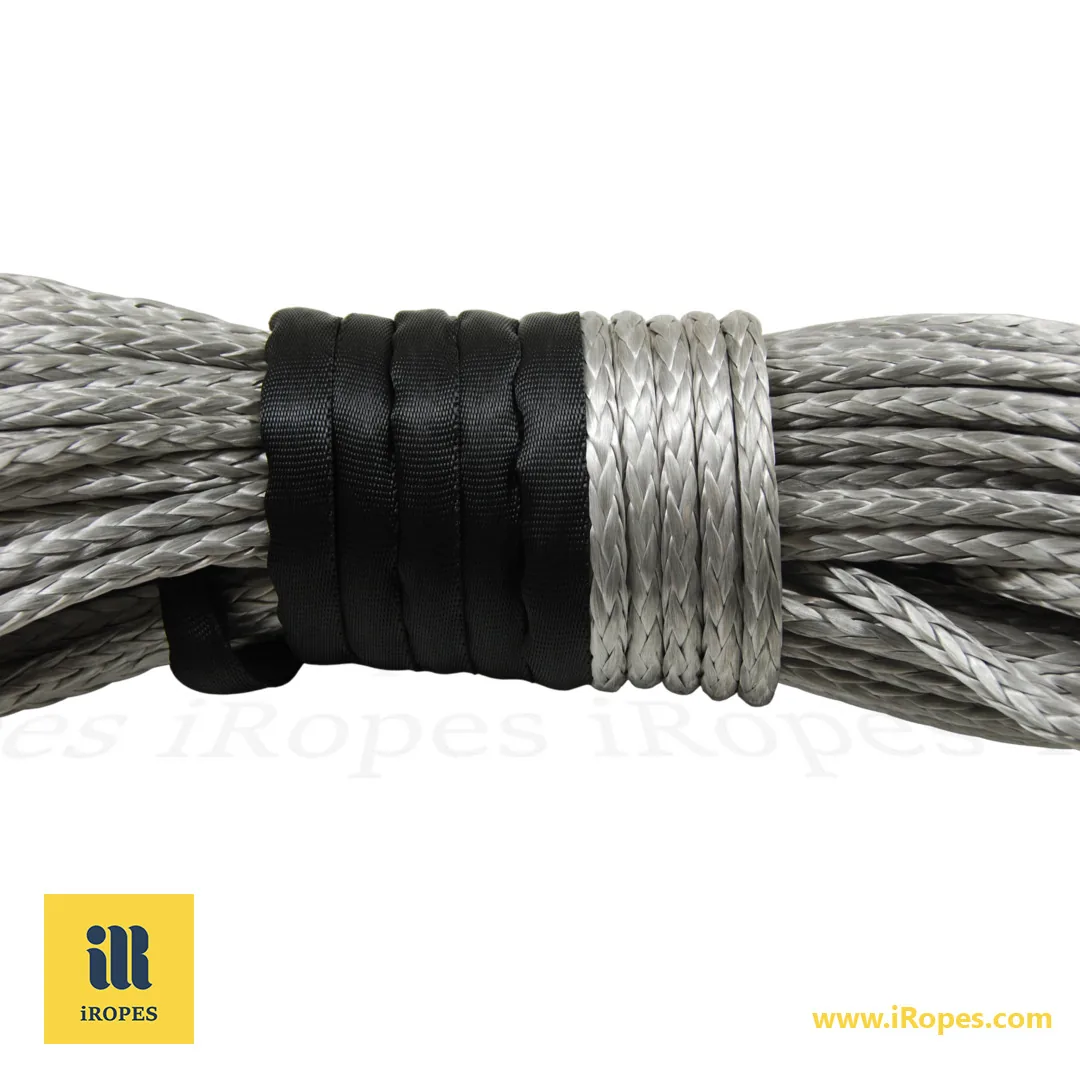
While synthetic ropes boast up to 2.7 times greater strength, natural-fibre ropes offer 38% better grip and decompose in under 18 months, aligning with sustainable practices. 🎯
Read in 3.4 min – Quick decision boost
- ✓ Trim material costs by up to 22% with custom natural-fibre specifications.
- ✓ Gain 38% superior hand-grip, thereby reducing slip-risk in high-intensity applications.
- ✓ Cut environmental impact – biodegrade in 14-18 months, compared to centuries for synthetics.
- ✓ Accelerate lead-time by 1.6 weeks thanks to iRopes’ OEM/ODM workflow.
Most engineers might suggest synthetic rope is the undisputed champion, but evidence reveals a different story: natural-fibre ropes often outperform synthetics in scenarios requiring superior grip and sustainability. They deliver a 38% hand-hold advantage and decompose in just 16 months. Imagine reducing your project's carbon footprint without sacrificing crucial performance, all while using a rope that feels robust yet pliable. In the following sections, we'll delve into the specifics, explore the construction methods, and explain how iRopes can craft the ideal solution for your unique business needs.
What Are Natural Ropes? Definition and Historical Context
When you encounter a rope that feels tactile and carries a subtle earthy scent, you’re likely holding a natural rope – a cord meticulously crafted from plant-based fibres such as Manila, sisal, jute, hemp, cotton, or coir. Natural fibre ropes are highly valued for their classic aesthetic, exceptional grip, and their inherent biodegradability, which allows them to return to the earth once their utility has ended.

To clarify, what exactly are natural fibre ropes? They are cords meticulously assembled from organic fibres that undergo a process of harvesting, spinning into yarns, and then plying into strands. Notable examples include Manila (derived from the abaca leaf), robust sisal, breathable jute, soft cotton, and water-resistant coir. Each fibre contributes its distinct texture, colour, and strength profile, enabling manufacturers to customise a rope for specific tactile or aesthetic requirements.
Historically, humans have been crafting rope from plant fibres for at least 50,000 years. Archaeological findings in France reveal Neanderthal cord fragments, while ancient Egyptian murals (dating from approximately 3500 BC) depict labourers using hemp rope to lift massive stone blocks. By the age of sail, Manila hemp became indispensable for rigging due to its remarkable resistance to saltwater, making it the preferred material for tall ship rigging and cargo lines. These same fibres later found widespread applications in land-based tasks, including farming, construction, and decorative arts, underscoring their enduring versatility.
Today, natural ropes excel in specific niches where their unique properties provide distinct advantages:
- Landscaping and gardening – their biodegradability prevents long-term environmental litter.
- Decorative installations – the natural, earthy texture enhances rustic or vintage aesthetics.
- Traditional sailing replicas – authenticity often necessitates genuine Manila or hemp lines.
- Battle-rope training – the inherent grip minimises hand slippage during intense exercises.
- Craft and textile arts – natural fibres blend seamlessly with other organic materials for bespoke projects.
It's worth considering why a centuries-old sailing vessel would opt for a fibre that notoriously swells when wet, rather than a modern synthetic polymer. The answer lies in the rope’s ability to remain pliable and maintain grip, even in damp conditions – a quality that synthetic ropes sometimes struggle to replicate.
“The oldest ropes known to humanity are still crafted from the same plant fibres that farmers cultivate today; their longevity demonstrates that nature’s design often surpasses many modern technological innovations.”
Understanding this rich history helps to underscore why natural ropes remain a pragmatic choice for projects that prioritise sustainability, tactile experience, and historical fidelity. When considering your next rope-dependent task, reflect on whether the timeless attributes of plant-based cords might offer a more suitable solution than a purely synthetic alternative.
What Natural Fibre Ropes Are: Types and Characteristics
Having explored the various settings where natural ropes excel, it’s now time to examine the specific fibres that contribute to each cord's distinctive character. Comprehending the raw materials is crucial for accurately matching the rope to its intended application, even before considering factors like length or colour.
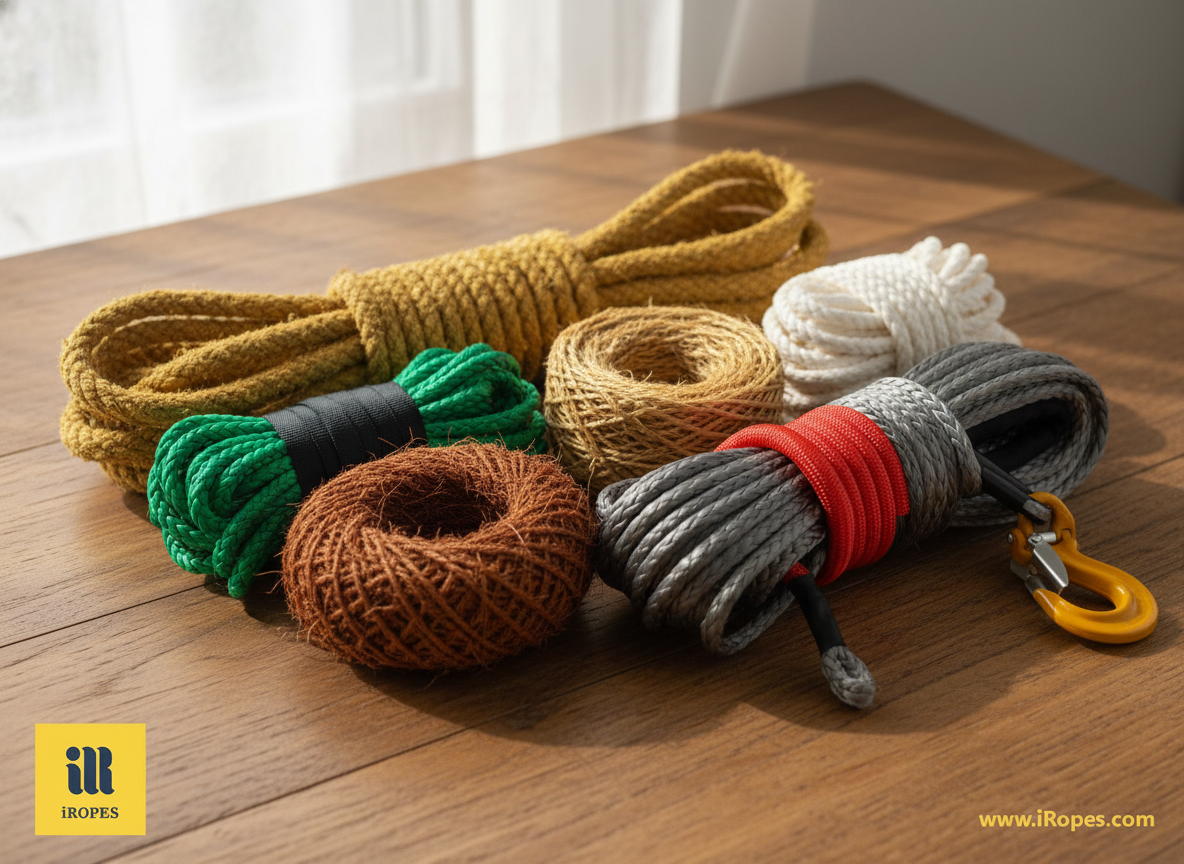
- Manila & Hemp – These fibres offer high tensile strength and excellent resistance to saltwater, making them historically favoured for marine rigging.
- Sisal & Jute – Characterised by their rugged texture and good outdoor durability, they are frequently used in landscaping and agricultural ties.
- Cotton & Coir – Cotton provides a soft touch suitable for decorative projects, while coir adds enhanced water-resistance, ideal for garden applications.
Opting for a rope crafted from any of these fibres typically brings several advantages. Their plant-based composition creates a naturally warm, tactile feel that synthetic polymers cannot replicate. Furthermore, these fibres naturally biodegrade post-use, positioning them as a responsible choice for projects that prioritise environmental stewardship. Because the strands are not melted, they offer a more secure hand-grip, which significantly reduces slippage during dynamic activities such as battle-rope workouts. Many designers also value their earthy colour palette, which can be utilised in its natural state or custom-dyed to align with specific branding or visual identities.
Advantages
Natural fibre ropes provide a superior hand-feel, are biodegradable at the end of their lifecycle, and possess a classic aesthetic that enhances both functional and decorative applications. Their inherent flexibility also enables them to conform smoothly around irregular shapes without kinking.
However, natural fibre ropes do have drawbacks. They are susceptible to rot when exposed to prolonged moisture, can develop mildew in humid storage conditions, and generally exhibit lower tensile strength compared to modern synthetics. Furthermore, sunlight accelerates UV degradation, which causes fibres to become brittle over time. When wet, many of these ropes experience a noticeable reduction in their load-bearing capacity, rendering them unsuitable for critical, safety-dependent lifting tasks. Regular inspection and proper sealing of rope ends are therefore essential for mitigating these issues and extending their lifespan.
Keeping these strengths and inherent limitations in mind will help you determine whether a natural braided rope or a synthetic alternative is the most appropriate choice for your upcoming project.
Natural Braided Rope: Construction, Benefits, and Comparison
Building on your understanding of the strengths and drawbacks of natural fibres, you might now be curious about how a rope's construction method can influence its behaviour. The manner in which fibres are assembled—whether they are twisted together or meticulously braided—has a direct and significant impact on the rope's flexibility, handling characteristics, and overall longevity.
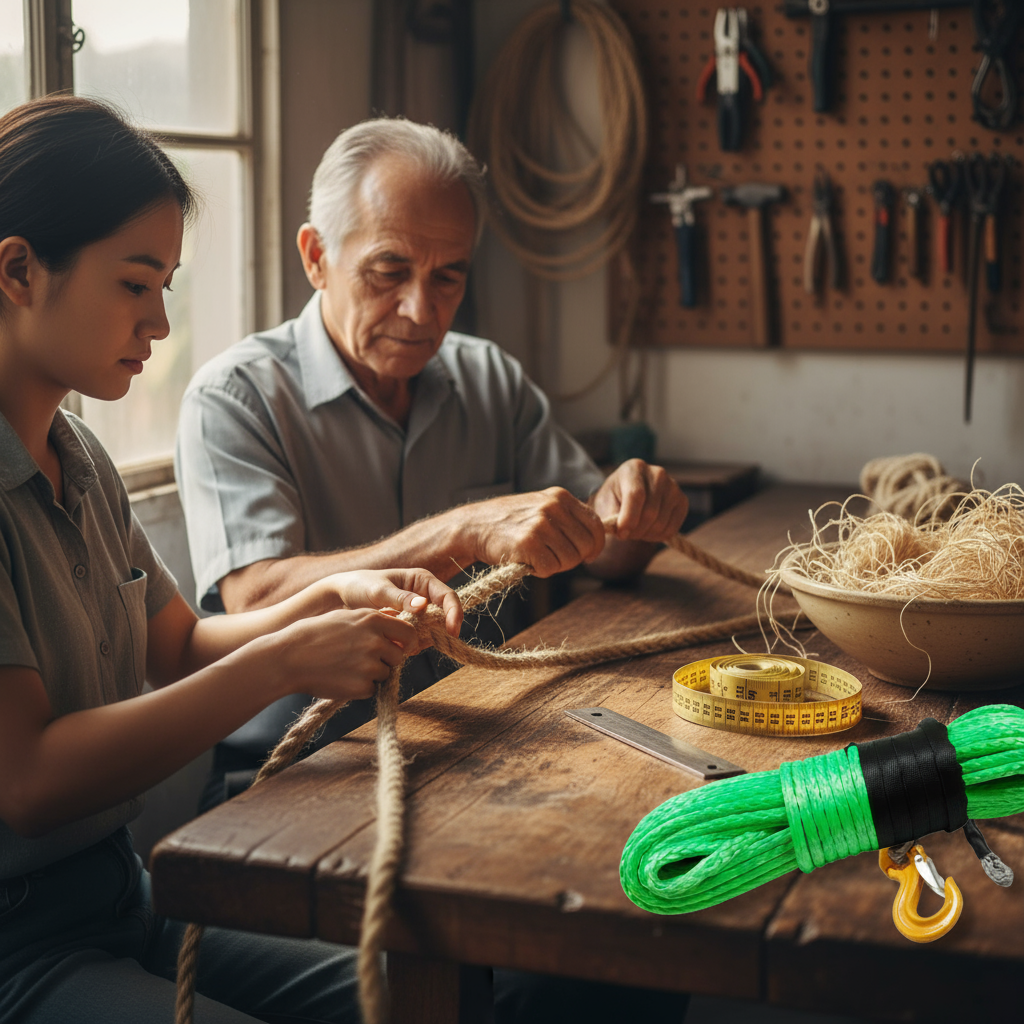
Observing a rope’s manufacturing process clearly highlights the distinction between a braided and a laid (twisted) rope. Here’s a concise overview of how a natural braided rope is typically constructed:
- Fibres are spun into yarn.
- Yarns are then plied into strands.
- These strands are interlaced to form a braid.
In contrast, for a twisted rope, the strands are simply wound around each other, typically in an S- or Z-twist. While this can create a denser core, it also introduces a natural tendency for the rope to coil under load. Braiding, conversely, systematically distributes stress across multiple intersecting layers. This method results in a rope with a much smoother surface and a significantly reduced propensity to form kinks, enhancing its handling properties.
- High flexibility – The braided construction allows the rope to bend around obstacles effortlessly.
- Reduced kinking – The inherent structure of the braid maintains smoothness even under significant load.
- Gentle grip – Its natural texture provides a firm hand-hold while minimising hand slippage.
Natural Braided Rope
Organic construction benefits
Flexibility
Naturally supple, it adapts well to irregular shapes.
Grip
Its fibre texture ensures a firm hand-hold, even when damp.
Biodegradable
At its end-of-life, it naturally returns to the soil, supporting sustainable practices.
Synthetic Braided Rope
Engineered performance
Strength
Polymer fibres contribute to higher tensile limits and greater load capacity.
Durability
Offers superior resistance to rot, UV radiation, and moisture, ensuring a longer service life.
Consistency
Precise manufacturing controls result in uniform diameter and consistent stretch characteristics.
So, what exactly is the difference between synthetic ropes and natural fibre ropes? In essence, synthetic ropes are engineered from man-made polymers, endowing them with superior tensile strength, exceptional resistance to rot and UV degradation, and remarkably consistent performance. Natural fibre ropes, being plant-based, offer a softer feel, enhanced grip, and biodegradability. However, they are prone to absorbing moisture, can degrade more rapidly in harsh environmental conditions, and generally possess lower load capacities. A thorough understanding of these trade-offs is crucial for selecting the most appropriate rope for any given task.
With a comprehensive understanding of construction methods, performance traits, and a direct comparison now established, you are better equipped to weigh the eco-friendly appeal of a natural braided rope against the robust capabilities of a synthetic alternative. This insight paves the way for a final recap of key considerations.
Throughout this article, we’ve explored how natural ropes deliver superior grip, biodegradability, and a timeless aesthetic, while synthetic strands excel in tensile strength, UV resistance, and consistent performance. By carefully evaluating these trade‑offs—such as moisture sensitivity versus enhanced durability—you can pinpoint which material best suits your specific application, whether it’s for a heritage‑focused project or a demanding industrial task. Custom rope design services ensure you can tailor every aspect, from fibre selection to bespoke colourways and branding, so the final product aligns perfectly with both functional requirements and environmental goals. You can also browse our guide to choosing the best rope for your needs, which provides additional insight into selecting the right solution across a variety of industries.
Need a personalised rope recommendation?
Complete the form above for a one-on-one consultation, and our experts will help you choose the right balance between synthetic performance and the natural appeal. We offer a diverse range of natural fibre rope options, including natural braided rope tailored precisely to your specifications and needs.