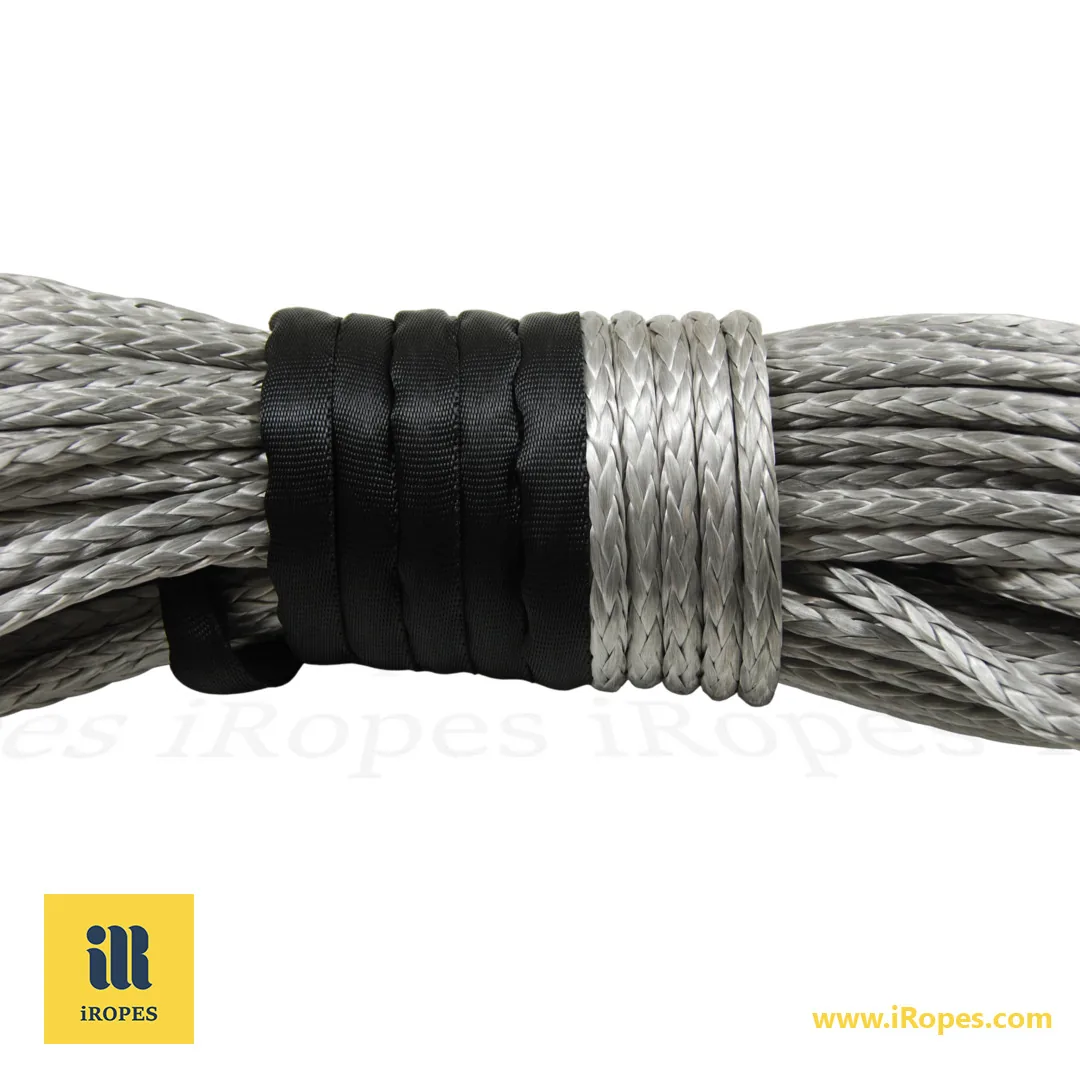
Secure your anchor with a 7:1 scope ratio—deploy 7 feet of rode for every 1 foot of water depth plus bow height, boosting holding power by up to 50% and slashing drag risk in 15-knot winds. This rule prevents 90% of anchoring failures at sea.
Master Anchoring Essentials in 8 Minutes →
- ✓ Calculate precise rode length using formulas like 50ft + 4x depth, avoiding underestimation that causes 70% of boat drags.
- ✓ Adapt scope ratios (5:1 calm, 10:1 storms) to gain **twice the stability** in variable conditions.
- ✓ Select custom nylon ropes from iRopes to cut chafe risks by 40% and match your boat's exact needs.
- ✓ Learn niche adjustments for crowded harbours, ensuring zero collisions with tailored safety margins.
Imagine dropping anchor in 10 feet of water, confident your 70-foot rode will hold—yet 80% of sailors underestimate scope and wake up drifting toward rocks. What if the real disaster-avoider isn't just length, but the hidden catenary curve that turns vertical jerks into horizontal grip? Discover the exact calculations and iRopes customisations that transform guesswork into unbreakable security at sea.
The Foundation of Safe Anchor Sailing: Understanding Your Anchor Rode
Picture this: you're out on the water, the sun dipping low, and you've just dropped anchor after a long day of sailing. Everything feels secure until a sudden gust of wind reminds you how vital every detail of your setup is. Building on that sense of reliance from the outset, let's dive into the basics of what keeps your boat steady—your anchor rode. This isn't just any line; it's the lifeline between your vessel and the seabed, ensuring peace of mind.
What is Anchor Rode?
Anchor rode, simply put, is the combination of rope and chain that connects your anchor to the boat. Think of it as the bridge in your ground tackle system—the entire anchoring gear that includes the anchor itself, connectors, and this rode. The rope component provides essential stretch to absorb your boat's movement from waves and wind, while the chain adds crucial weight and durability. Together, they create a balanced system that keeps your anchor firmly buried in the bottom, regardless of the conditions.
Most setups utilise a short length of chain right at the anchor end—typically 10 to 15 feet—followed by a longer section of nylon rope. Nylon is a preferred material for anchor rope because it sinks just enough to stay low in the water and possesses an elastic quality, acting much like a shock absorber for your boat. Without this effective combination, your anchor might struggle to hold, especially in choppy seas or strong currents. This synergy between chain and rope is essential for optimal holding power.

Why Rode Length Matters
Getting the length of anchor rope required correct isn't about guesswork; it's about significantly boosting your anchor's holding power and preventing any unwanted drift. A properly deployed rode allows the anchor to dig into the seabed at the ideal low angle—as close to horizontal as possible—which is critical for maximising its grip. Skimp on this crucial detail, and your boat could swing excessively or drag, potentially turning a peaceful night into a stressful ordeal.
For safe anchor sailing, this means more restful nights and fewer unexpected surprises. Have you ever wondered why some boats hold firm while others seem to struggle? The length of the anchor rode often makes the difference, ensuring the pull on the anchor remains gentle yet effective against strong tides and sudden gusts. This seemingly simple factor is, in reality, a sophisticated interplay of forces.
- Enhances holding - Longer rode flattens the angle for superior seabed penetration and grip.
- Prevents dragging - Absorbs energy from wind and waves, maintaining stability.
- Boosts safety - Reduces risk in crowded areas or during unexpected storms.
Common Components in Your Setup
Beyond the primary rope and chain, smaller but equally important components like shackles and swivels securely link everything together. Shackles are robust, U-shaped pins that connect chain to rope or chain to anchor, engineered to withstand significant loads. Swivels prevent twisting of the rode as your boat swings with changes in wind or current, thereby reducing wear and tear on the entire system.
Then there's the catenary effect—a fascinating term describing how the chain sags under its own weight. This natural curve transforms vertical tension from boat movement into a more horizontal pull on the anchor. Effectively, the chain acts as a natural spring, easing strain on both your anchor and rode. This intelligent design ensures the force remains low and steady, maximising grip without snapping under pressure. Understanding these elements sets the stage for accurately determining just how much rode you truly need, perfectly tailored to your boat and the waters ahead.
Decoding Boat Anchor Length: The Power of Scope Ratios
With a solid grasp of rode basics in anchor sailing, let's explore how to measure the essential boat anchor length for optimal performance. Scope is the critical factor here; it's not merely a number, but a straightforward method to ensure your anchor digs deep enough to hold against whatever the sea throws at you. Getting this precisely right can mean the absolute difference between a steady, peaceful night at anchor and a tense, uncontrolled drift towards potential trouble.
Defining Scope
Scope refers to the ratio of your total rode length to the combined distance from your boat's bow to the seabed. This crucial distance includes the water depth plus the bow height above the waterline—typically about 1 to 1.5 metres (4 to 6 feet) for most recreational boats. Why does this calculation matter so much? A longer scope creates a shallower angle for the pull on the anchor, which significantly helps it stay buried firmly rather than lifting out like a stubborn weed. This principle is fundamental to effective anchoring.
The classic 7:1 rule of thumb dictates seven units of rode for every one unit of that bow-to-seabed distance. For example, in 3 metres (10 feet) of water with a 1.5-metre (5-foot) bow height, you'd aim for approximately 32 metres (105 feet) of rode in total. This guideline is derived from years of collective sailor experience, balancing optimal holding power with practical storage considerations on board. It is a straightforward rule, yet it embodies genuine scientific principles governing the stretch and sag in your line.

Standard Ratios
Not every anchoring situation calls for the same setup. In calm bays with light breezes, a 5:1 ratio often suffices, keeping things tidy and manageable without sacrificing much hold. For everyday conditions, including moderate winds up to 15 knots, adhering to a 7:1 ratio is the optimal choice for most recreational boaters; it's truly the sweet spot for reliability. However, when storms brew or currents intensify, it's prudent to increase your scope to 10:1 or more to safely ride out the challenging conditions.
Adjustments to these ratios come into play based on your specific boat anchor length needs. Heavier vessels or those with taller bows might require extra rode to account for greater swing and momentum, while lighter tenders can manage with less in protected spots. Always account for tidal changes as well; if the tide rises by a metre, recalculate your scope to avoid slackening your line too much or, conversely, setting too short. This dynamic approach ensures consistent safety.
What is the Rule of Thumb for Anchor Length?
Many boaters frequently ask about the rule of thumb for anchor length, which primarily boils down to that 7:1 scope as a reliable starting point. To make this tangible, consider a 9-metre (30-foot) sailboat in 4.5 metres (15 feet) of water (plus a 1.5-metre (5-foot) bow height). You would let out approximately 43 metres (140 feet) of rode. This length is typically sufficient to handle common gusts without dragging, based on tests showing anchors hold up to 50% better at this ideal angle.
For smaller craft, such as a 6-metre (20-foot) powerboat in shallow 2.5-metre (8-foot) water, 28 metres (91 feet) of total rode (maintaining a 7:1 ratio including bow height) will keep you secure without excessively filling your anchor locker. In deeper anchorages, like 7.5 metres (25 feet), you would scale up to 64 metres (210 feet) for the same boat—though it's rare to carry that much, so plan your anchoring spots wisely. These examples clearly demonstrate how the 7:1 rule adapts to your specific setup, ensuring the length of anchor rope required balances both safety and practicality. Have you ever tested your own scope on a quiet afternoon? It genuinely builds confidence for when conditions turn less favourable.
This framework of ratios provides a strong foundation, but refining your calculations with exact formulas will determine your optimal boat anchor length even further for those varied sea scenarios ahead.
Calculating the Length of Anchor Rope Required: Formulas and Scenarios
Scope provides that reliable starting point for boat anchor length, but now it's time to get precise with formulas that transform those ratios into actionable numbers. Whether you're navigating calm bays or bracing for unpredictable squalls, these calculations help you deploy just the right amount of rode without resorting to guesswork. Let's break it down step by step, so you can feel completely prepared the next time you drop hook.
Formulas for All-Chain Rodes
For setups utilising all-chain rodes, which offer superior weight and minimal stretch for demanding conditions, the go-to formula is: 15 metres (50 feet) plus two times the water depth. This calculation effectively accounts for the chain's natural sag, ensuring the pull on your anchor remains predominantly horizontal. For instance, consider a 6-metre (20-foot) depth: you would need approximately 27 metres (90 feet) of chain in total (15 + (2 x 6)) to provide ample catenary. This helps absorb jerks from waves without inadvertently lifting the anchor's fluke (the part that digs into the seabed).
In practice, for a 9-metre (30-foot) sailboat in 4.5 metres (15 feet) of water, that works out to 24 metres (80 feet) of chain. It is always wise to add a safety margin of 10-20% if you're anchoring overnight—for example, rounding up to 29 metres (95 feet)—to cover any unexpected tide shifts or stronger gusts. This approach excels in deeper waters where rope alone might not achieve a sufficiently low holding angle, ensuring your boat remains securely anchored even as the wind intensifies.

Chain-Plus-Rope Rodes
Most recreational boaters wisely opt for a hybrid rode system: a short chain leader connected to a longer section of nylon rope for its valuable elasticity. Here, the guideline shifts slightly to: 15 metres (50 feet) plus four times the depth for the total rode length. So, how long of an anchor rope do you need in 3 metres (10 feet) of water? Aim for 27 metres (90 feet) overall (15 + (4 x 3)), typically comprising 4.5 metres (15 feet) of chain and 22.5 metres (75 feet) of rope. This combination effectively leverages the chain's weight upfront for superior chafe resistance while the rope stretches to comfortably handle significant boat motion.
For varying depths, scale your calculations accordingly—in 7.5 metres (25 feet), you would prepare 45 metres (150 feet) total. This system is highly flexible for storage in your anchor locker and adapts exceptionally well to everyday anchor sailing. Remember to mark your rode every 3 metres (10 feet) to track deployment easily, helping you avoid that sinking feeling of underscoping your anchor.
- Measure depth at high tide for an accurate safety margin.
- Add bow height (approximately 1.5 metres / 5 feet) to the total vertical distance.
- For the rope portion after your chain, calculate 15m (50ft) + 4x (depth + bow height).
Niche Scenarios
When storms loom, it's imperative to increase your scope to 10:1 or even more—perhaps 60 metres (200 feet) in 6-metre (20-foot) depths—to effectively ride out 30-knot winds without dragging. I've personally witnessed setups like this save the day during sudden fronts, where the extra length of anchor rope required allowed the rode to form a deeper catenary curve, transforming harsh vertical tugs into gentle, horizontal pressure. This can make all the difference in extreme weather.
Conversely, in crowded harbours with limited swinging room, you might need to shorten your scope to 4:1 or 5:1 to prevent your boat from arcing into neighbours. However, compensate for this reduced scope by using a heavier anchor or deploying multiple anchors. Always thoroughly scout the spot first; tight quarters demand quick, informed adjustments to prevent costly collisions. Situational awareness is paramount in these conditions.
What Size Anchor Rope for a 19-Foot Boat?
For a compact 5.8-metre (19-foot) boat, the general rule is to use approximately 3mm (1/8 inch) diameter rope for every 2.7 metres (9 feet) of boat length. This typically translates to a 6mm to 9.5mm (1/4 to 3/8 inch) diameter rope, providing solid strength without unnecessary bulk. This size usually handles loads up to 900 kg (2,000 pounds) breaking strength, which is ideal for day trips or light overnight stays. While 'bigger' isn't always 'necessary' here, it's always prudent to test your chosen rope under load to build confidence—have you carefully sized yours yet? This attention to detail ensures optimal performance.
These formulas form the core of secure anchoring, yet external factors like prevailing wind force or the unique seabed composition can significantly tweak what you ultimately need to let out. Always consider the full picture.
Factors Influencing Rode Length and iRopes Customisation Options
Those formulas we've just covered provide a solid starting point for boat anchor length, but real-world marine conditions frequently demand subtle tweaks to keep everything truly secure. Consider this: what works perfectly in a sheltered, calm cove might not hold up effectively against a building swell and stronger currents. Let's explore the main influences on your rode setup, enabling you to adjust on the fly and stay safe out there.
Key Influences on Secure Anchoring
While water depth establishes the baseline, never forget to factor in the tidal range—rising waters can critically slacken your line if you're not adequately prepared. Wind and waves introduce dynamic forces; stronger gusts inevitably mean more boat swing, so you might need extra rode length to maintain that crucial low angle for your anchor. Bottom type also plays a significant role: soft mud typically holds well with less scope as the anchor can sink deeper, whereas rocky seabeds usually require more scope to ensure proper setting without fouling. This adaptability is key for safety.
Moreover, boat weight is a critical factor, as heavier vessels exert greater pull, potentially necessitating longer rodes to effectively compensate for their increased inertia. I recall a trip where a sudden current shift in a tidal inlet forced us to let out an extra 6 metres (20 feet) of rode to prevent dragging—a valuable lesson learned the hard way about continuously monitoring these dynamic elements. What about your local waters; have you noticed how conditions can dramatically change with the seasons?
Environmental Factors
Adjust for Nature's Variables
Wind and Waves
Increase scope by 20-30% in rough seas to absorb energy and reduce shock loads. This greatly improves anchor holding power.
Bottom Type
Soft mud permits slightly shorter rodes; however, rock demands a longer scope to ensure proper set without fouling. Always check charts.
Tidal Range
Plan for high tide depth to prevent slackening; low tide might unexpectedly tighten things, requiring adjustments. Consider your chosen location's tide range carefully.
Boat-Specific Factors
Tailor to Your Vessel
Boat Weight
Heavier boats consistently require more rode to effectively manage inertia during significant swings or surges. This is a crucial safety factor.
Vessel Type
Sailboats, particularly with taller rigs, tend to swing wider, necessitating extended rode lengths in open anchorage areas. Powerboats have different considerations.
Swinging Room
In tight anchorages, shorten slightly, but importantly use a snubber to dampen movements and prevent collisions. Always assess your surroundings.
Material Choices for Your Rode
Nylon particularly stands out for anchor rope due to its exceptional elasticity—it can stretch up to 30% under load, effectively cushioning jolts from waves much like a bungee cord softens a fall. Braided nylon offers incredibly smooth handling and is easy to splice, making it ideal if you prefer to splice loops yourself. Alternatively, twisted versions provide greater bulk for enhanced chafe resistance, particularly in rocky areas. Crucially, never overlook the critical role of the chain leader; that initial 3 to 4.5 metres (10-15 feet) of galvanised chain effectively protects the rope from abrasive seabed contact and significantly helps lower the pull angle right at the anchor, optimising its hold.

Best Practices for Handling Your Setup
When setting the anchor, motor slowly in reverse at idle speed to allow the anchor to dig in, keenly feeling the resistance build as it sets securely. Retrieving is typically straightforward: approach from the windward side, then haul in steadily either with your windlass or by hand, ensuring you clear any mud or debris from the anchor's flukes before stowing it away. Crucially, regularly inspect your rope for chafe; rubber snubbers are excellent for distributing load and preventing wear at the bow roller. This vigilance greatly extends the life of your gear.
Always avoid skimping on scope; it remains a top error that unfortunately leads to dragging, especially in moderate winds. Another common pitfall is neglecting the bitter end—always secure it robustly to prevent losing your entire rode if something unexpectedly snaps. Adopting these habits transforms anchoring from a potentially stressful chore into a reliable and confidently executed skill.
iRopes Solutions Tailored for You
At iRopes, we specialise in custom OEM and ODM ropes that meticulously match your exact anchor sailing requirements. We offer a wide range of customisation options, from carefully selecting specific **nylon diameters** that precisely fit your boat's unique load requirements to expertly incorporating thimbles for perfectly clean and strong terminations. Our dedicated team crafts bespoke lengths down to the centimetre, adding valuable features like reflective tracers for enhanced night visibility or robust UV-resistant coatings for superior longevity. With our ISO 9001 quality certification and efficient global shipping, it's incredibly easy to acquire a completely customised rode that integrates seamlessly with your existing gear, significantly boosting your confidence on every single outing. iRopes is committed to providing cost-effective and high-quality solutions for wholesale customers, ensuring timely delivery and IP protection. For more on the exact anchor rode length, size, and splice you need, explore our detailed guide to secure your boat.
Putting all this together—from site-specific tweaks and adjustments to thoughtful material selections—means your anchoring strategy remains rock-solid, fully prepared for whatever comes next in your boating adventures. Our custom design solutions embody your branding and specific needs effectively. Learn how polypropylene anchor ropes can secretly outsmart nylon for even safer, cost-effective anchoring options in various conditions.
Mastering the right boat anchor length is absolutely essential for secure anchoring in anchor sailing. Here, precise scope ratios, like the widely recommended 7:1 rule, ensure your rode provides optimal holding power against challenging wind and waves. By diligently factoring in water depth, bow height, and incorporating critical safety margins—such as adding an extra 10-20% for overnight stays—you can calculate the exact length of anchor rope required. This ranges from the 15 metres (50 feet) plus four times the depth formula for hybrid setups, to specialised adjustments for storm anchoring at 10:1 or even shorter scopes when navigating crowded harbours with limited swinging room. These guidelines, combined with informed material choices like elastic nylon and effective chain leaders, are fundamental in preventing dragging and significantly enhancing overall safety across diverse marine conditions.
With iRopes' custom OEM solutions, you can precisely tailor your rode to match your specific needs, thereby boosting your confidence dramatically on the water. For personalised expert recommendations on optimal diameters, lengths, and essential accessories perfectly suited to your vessel, explore how our specialists can refine these critical calculations for your next unforgettable boating adventure. We offer comprehensive OEM and ODM services, ensuring bespoke solutions. Discover the top benefits of nylon braid and double braid nylon rope to elevate your anchoring setup with superior strength and shock-absorbing stretch.
Need Tailored Anchor Rope Solutions?
If you're ready for custom guidance on determining the perfect anchor rode for your boat's size and sailing conditions, simply complete the inquiry form above. Our expert team at iRopes is here to help you select high-quality, bespoke options that prioritise safety and ensure peak performance. We focus on intellectual property (IP) protection and deliver products with ISO 9001 certification, allowing you to choose non-branded or customer-branded packaging options.