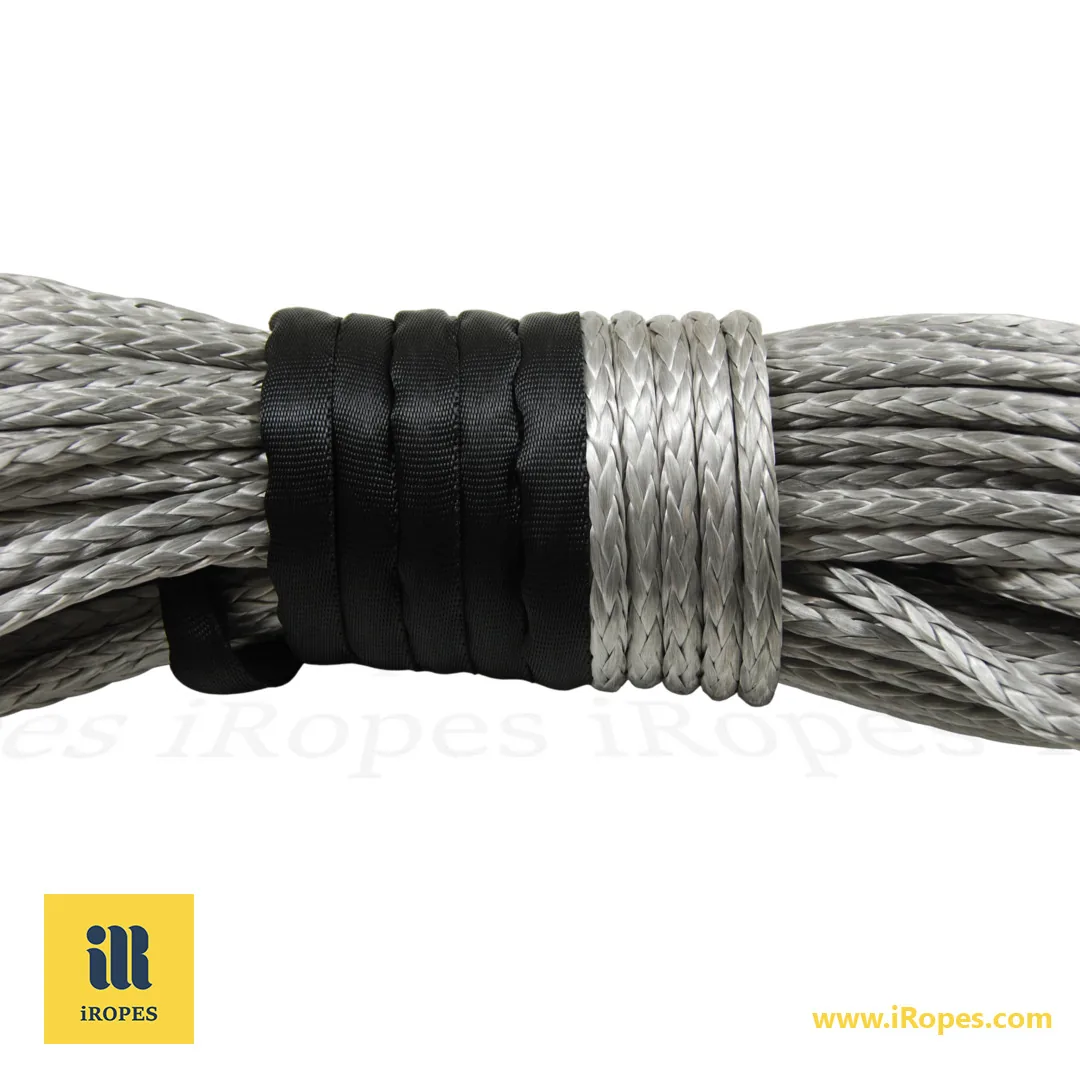
Polyester mooring ropes can outlast nylon by up to 2x in UV-heavy marinas, offering 15-25% less stretch for steady permanent holds. They can absorb 80% of shock loads, proving ideal for vessels facing relentless tides and sun without fraying.
Unlock Secure Docking in Just 8 Minutes of Reading
- ✓ Master material choices like nylon’s 20-30% elasticity to slash snap risks by 70% in choppy conditions.
- ✓ Nail sizing with boat-specific charts—ensure lines handle at least 5x your vessel's weight for zero-drift safety.
- ✓ Boost longevity via custom iRopes builds, extending rope life 50% through abrasion guards and UV treatments.
- ✓ Solve real setups for permanent or transient mooring, potentially cutting maintenance time by 40% with expert configurations.
You might think nylon's superior stretch makes it unbeatable for all moorings, but polyester quietly excels in permanent setups. It resists UV degradation that can significantly reduce nylon's lifespan in sunny harbours. Custom constructions from iRopes, incorporating thimbles and chafe guards, create robust holdings. What if your next line not only survives storms but anticipates them, potentially saving thousands in replacements? Discover the configurations that transform temporary ties into lasting anchors, precisely tailored to your vessel's demands.
Best Mooring Lines: Key Characteristics and Why They Matter
Picture your boat safely tucked into a slip after a long day on the water, secured by the unseen yet crucial work of your mooring lines holding firm against the tide and wind. These aren't just any ropes; they are fundamental to your vessel's security. What truly distinguishes the best mooring lines? It comes down to a few core traits that ensure reliable performance under pressure, day after day. Let's explore these essential characteristics, starting with what makes a rope dependable in real-world marine conditions.
Strength, Durability, and Elasticity for Shock Absorption
When waves crash or boats jostle in a busy marina, your mooring lines often face sudden jolts, known as snatch loads. These forces can snap weaker setups swiftly. Here, strength refers to high tensile power, typically measured by breaking load, which should significantly exceed your boat's weight to manage peak stresses. Durability ensures the rope withstands continuous pulling without fraying over months or even years.
Then there's elasticity, the stretch that functions like a built-in shock absorber. This 'give' in the rope cushions impacts just enough to soften sudden movements without releasing the vessel. For example, on a windy night, this elasticity prevents cleats from shearing off or lines from parting. Without it, even a strong rope might fail under dynamic forces. I recall tying up during a squall; the slight give in my lines made all the difference, transforming potential chaos into a steady hold.
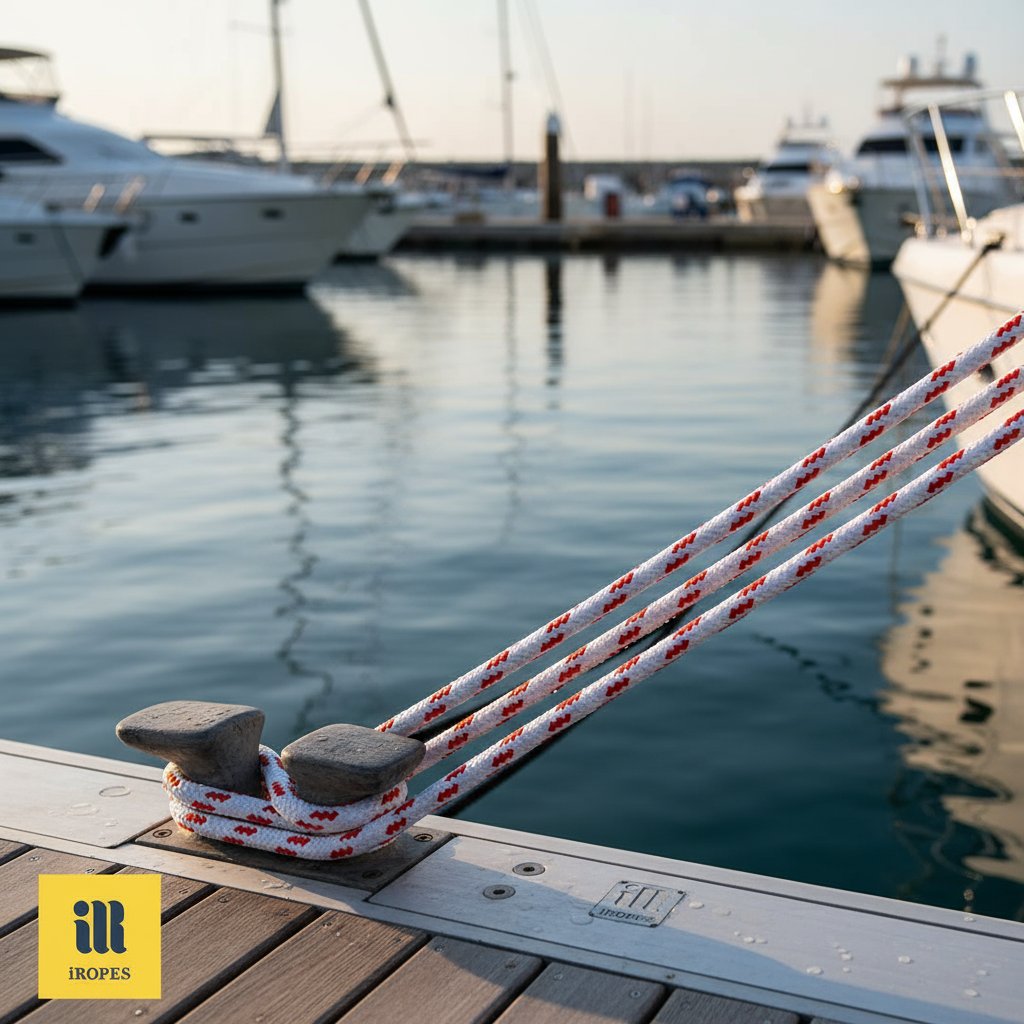
Abrasion, UV Resistance, and Buoyancy Properties
Marinas can be harsh on ropes; rubbing against rough pilings, concrete docks, or even your own fenders can wear them down quickly. Abrasion resistance is therefore crucial, with materials designed to resist friction and maintain integrity. UV resistance combats the sun's relentless rays, preventing brittleness that could lead to cracks after prolonged exposure. In sunny regions, such as the Mediterranean, this characteristic alone can significantly extend a rope's lifespan.
Buoyancy also plays a role: floating lines are easier to spot and retrieve if they become dislodged, whereas sinking ones remain submerged for permanent setups. However, there's no one-size-fits-all solution; your choice depends on specific needs. Have you ever struggled to retrieve a dropped line in murky water? A buoyant option can prevent that frustration.
Addressing Which Rope Is Best for Mooring Lines with Nylon and Polyester as Top Choices for Performance
So, which rope is truly best for mooring lines? Nylon and polyester stand out as leading performers, each offering distinct advantages. Nylon excels with its superior elasticity, stretching up to 20-30% under load. This provides excellent shock absorption, making it suitable for choppy conditions or temporary moorings. It's strong and performs well when wet, although it can absorb water and lose a slight amount of strength (typically 10-15%). Polyester, conversely, offers balanced durability with less stretch (around 15% at working load) but boasts superior resistance to UV and abrasion. This makes it ideal for long-term, exposed setups where consistent performance is paramount.
Both materials significantly outperform alternatives like polypropylene, which floats but degrades rapidly under sun exposure and wear. For many boaters, a combination of these—nylon for transient lines and polyester for permanent ones—provides optimal reliability. Why compromise when these materials can secure your vessel through many seasons of use?
- Strength: High tensile load, ideally 5-10 times your boat's weight.
- Elasticity: 15-30% stretch to absorb shocks from waves and surge.
- UV Resistance: Stabilisers prevent degradation from sunlight exposure over time.
These properties are not merely additive; they work synergistically to create long-lasting lines. Understanding this foundational knowledge makes selecting the right material straightforward, paving the way for even better choices tailored to your boating lifestyle.
Best Mooring Rope Materials: Nylon, Polyester, and Beyond
Given the core traits like stretch and toughness, it's essential to pinpoint the materials that deliver these qualities reliably. The right material choice can be the difference between lines that hold steady through rough weather and those that fail when most needed. Among synthetic options, a few excel due to their balance of performance and practicality, covering everything from quick dock stops to long-term berthing. Let's delve into the top contenders for the best mooring rope, starting with what performs exceptionally in dynamic conditions.
Nylon (Polyamide): High Stretch for Temporary and Exposed Conditions
Nylon, technically known as polyamide, provides the generous elasticity discussed earlier, making it ideal for locations where waves or currents create unpredictable pulls. Imagine mooring in a busy harbour where swells constantly test your setup; nylon's ability to elongate under strain helps absorb these forces, reducing stress on your cleats and hull. It is also lightweight, facilitating easier handling when you're securing the boat unassisted. However, be aware that it can absorb water and slightly lose strength when wet, though modern treatments minimise this effect. For temporary moorings or exposed piers, this material ensures security without constant adjustments.
Polyester: Balanced Durability for Permanent Mooring Setups
For setups requiring year-round endurance, polyester offers consistent reliability. It exhibits less stretch than nylon, which is advantageous for permanent arrangements by maintaining tension without excessive sagging over time. This makes it perfect for fixed dock lines that face continuous exposure to salt spray and sunlight, retaining their shape across seasons. If you've ever returned to your slip after months away to find lines still taut and secure, polyester likely played a key role. It's a robust choice for wholesale buyers outfitting fleets, providing consistent hold with minimal fuss.
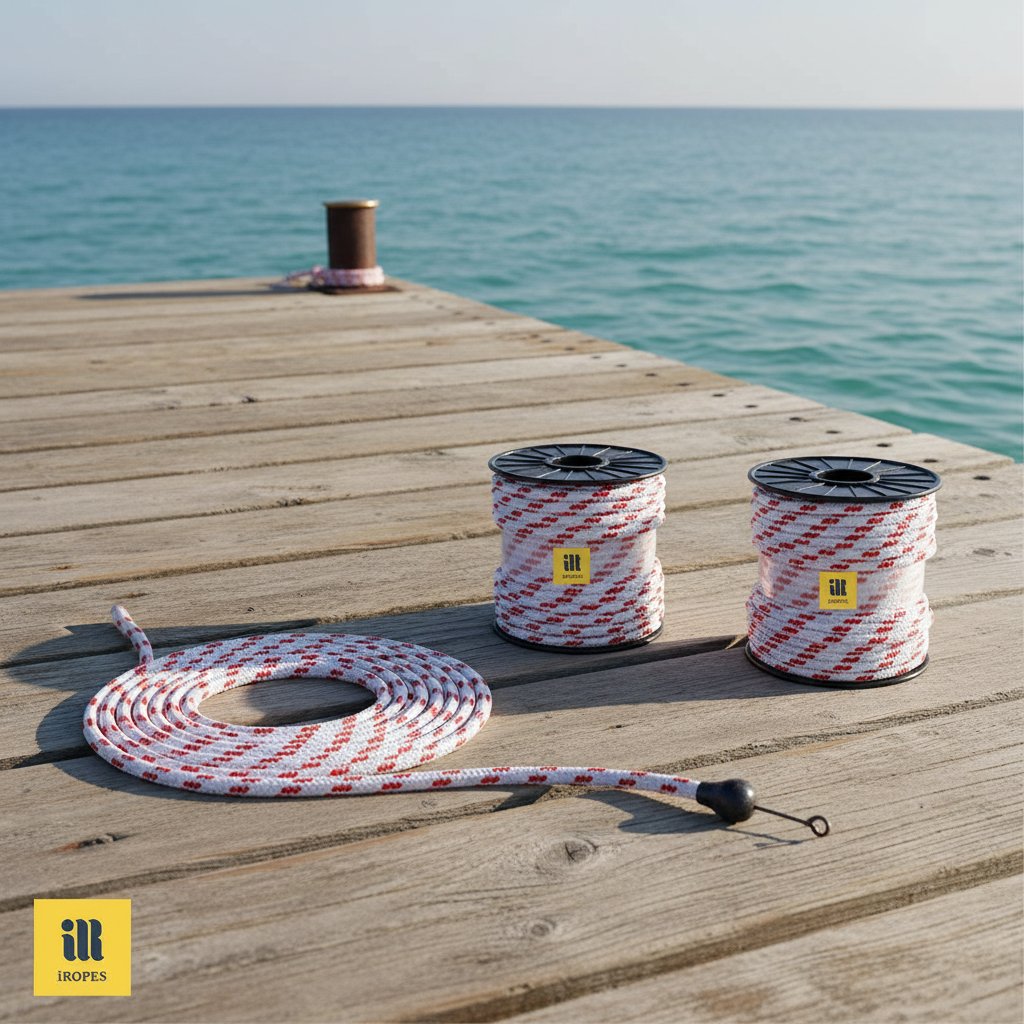
Polypropylene and Eco-Friendly Alternatives: When Buoyancy and Sustainability Matter, with Caveats on UV Resistance
For situations where floating lines simplify retrieval, polypropylene is suitable. It's inexpensive and buoyant, making it ideal for secondary tasks like marking buoys or light dinghy ties. However, there's a significant drawback: it degrades quickly under direct sunlight, so constant exposure should be avoided. Moving towards more sustainable choices, recycled polyester (rPET) options emulate the durability of standard polyester while reducing environmental impact, appealing to those prioritising sustainability. These alternatives offer comparable strength and performance but add an eco-conscious dimension. When considering the best rope for mooring lines overall, many experts highlight nylon and polyester as the primary synthetics, balancing elasticity with endurance for most vessels.
Ever wondered about the two main rope types in modern mooring? Synthetics like nylon and polyester have largely replaced older natural fibres. Nylon effectively manages dynamic loads, while polyester provides a steadfast base, ensuring reliability in diverse marine applications.
- Nylon pros: Superior energy absorption in surge areas, easy to knot.
- Polyester pros: Consistent low-stretch hold, excels in UV-heavy zones.
- Polypropylene caveat: Quick UV breakdown limits long-term reliability for primary mooring.
Understanding these material differences forms the basis for how ropes are constructed, transforming raw fibres into solutions tailored to your precise needs on the water.
Best Rope for Mooring Lines: Construction Types and Sizing Guide
Having covered how materials like nylon and polyester contribute the right stretch and toughness, we now turn to how these fibres are woven together. A rope's construction significantly impacts its handling and its performance under load. Getting this right means selecting a build that aligns with your boating routine, whether it involves quick stops or extended periods at the dock. Let's examine the main construction types, followed by guidance on sizing so you can confidently choose the best rope for mooring lines.
3-Strand, Double Braid, and Plaited Constructions for Handling and Strength
Starting with 3-strand twisted construction, this is a straightforward option favoured by many boaters for its simplicity and cost-effectiveness. Each strand twists around the others, creating a rope that's easy to splice and inspect for wear. However, it can sometimes kink if not handled carefully. I once spent an afternoon untangling a twisted line that had been poorly stored; a valuable lesson on maintaining proper coiling. This construction excels for general use when solid strength is needed without unnecessary complexity.
Double braid construction elevates performance with a braided core encased in a braided cover, offering smooth handling and high flexibility. It's exceptionally pliable, making it ideal for cleats and winches, and it resists kinking more effectively than twisted styles. In terms of strength, it provides significant capacity for its weight, making it a popular choice in busy marinas.
Plaited, or 8-strand, construction results in a flat, supple rope that coils neatly and deploys smoothly. It offers excellent handling, especially for larger setups, but may come at a higher cost. Consider this for premium applications where comfort and ease of use in your hands are important during prolonged tasks.
3-Strand
Affordable and spliceable, ideal for basic usage, but prone to twisting if not coiled carefully.
Plaited
Supple and kink-resistant, offering easy coiling and excellent handling for diverse applications.
Double Braid
Flexible with strong core-cover grip, suited for dynamic loads and comfortable handling.
Handling Tip
Match construction to your routine—braids for ease of use, twisted for foundational needs.
Diameter and Length Selection: Chart for Boat Size and Configurations
What size rope for mooring? This depends primarily on your boat's length and the anticipated loads. Aim for a diameter that provides a breaking strength of at least five times your vessel's weight. For a 30-foot yacht, a 12-14mm diameter for polyester or nylon is a good starting point. Smaller craft under 25 feet typically suit 10mm, while vessels over 40 feet generally require 16mm or more to handle surges safely. Lengths vary by setup: bow and stern lines should ideally be 2-3 times the distance from your bow/stern to the dock, and spring lines should be roughly the same length as your hull, plus extra for adjustments.
Here's a quick guide based on common boat sizes, offering practical reference for your selection:
- Under 25 feet: 10mm diameter, 6-9 metres (20-30 feet) per line for transient ties.
- 25-40 feet: 12-14mm diameter, 9-15 metres (30-50 feet) for permanent setups.
- Over 40 feet: 16mm+ diameter, 15+ metres (50+ feet) with additional lines for springs.
Application-Specific Advice: Permanent vs. Transient, Including System Design for Optimal Configurations
For transient moorings—such as a weekend stop at a harbour—opt for double-braided nylon in lighter diameters. This ensures quick handling and effective shock absorption. Permanent setups generally call for plaited or 3-strand polyester, chosen with a thicker diameter to maintain steady tension without excessive sag. In exposed areas, design your system with paired lines fore and aft, plus spring lines to counteract tidal shifts. Sheltered spots might allow simpler single-line configurations. For more insights on securing angles in boat mooring lines that defy disaster, explore advanced configurations tailored for storm-proof docking. Ever tried tying up in a crosswind? Adding a breast line can provide significant stabilisation. Always tailor the setup to your specific location; the goal is to create a balanced system that keeps everything secure.

By effectively combining construction and sizing, you establish a secure foundation. However, incorporating certain smart accessories can further safeguard your investment against everyday wear and tear.
Enhancing Mooring Solutions: Accessories, Maintenance, and Customization
Building on the correct construction and sizing for your lines, the true effectiveness emerges when you integrate thoughtful add-ons and consistent care routines. These are not mere extras; they transform a good setup into one that capably withstands the relentless marine environment, keeping your boat secure and providing peace of mind. Whether you're preventing dock rash or planning for long-term reliability, let's explore how to reinforce your system with practical protections, effective upkeep, and tailored options.
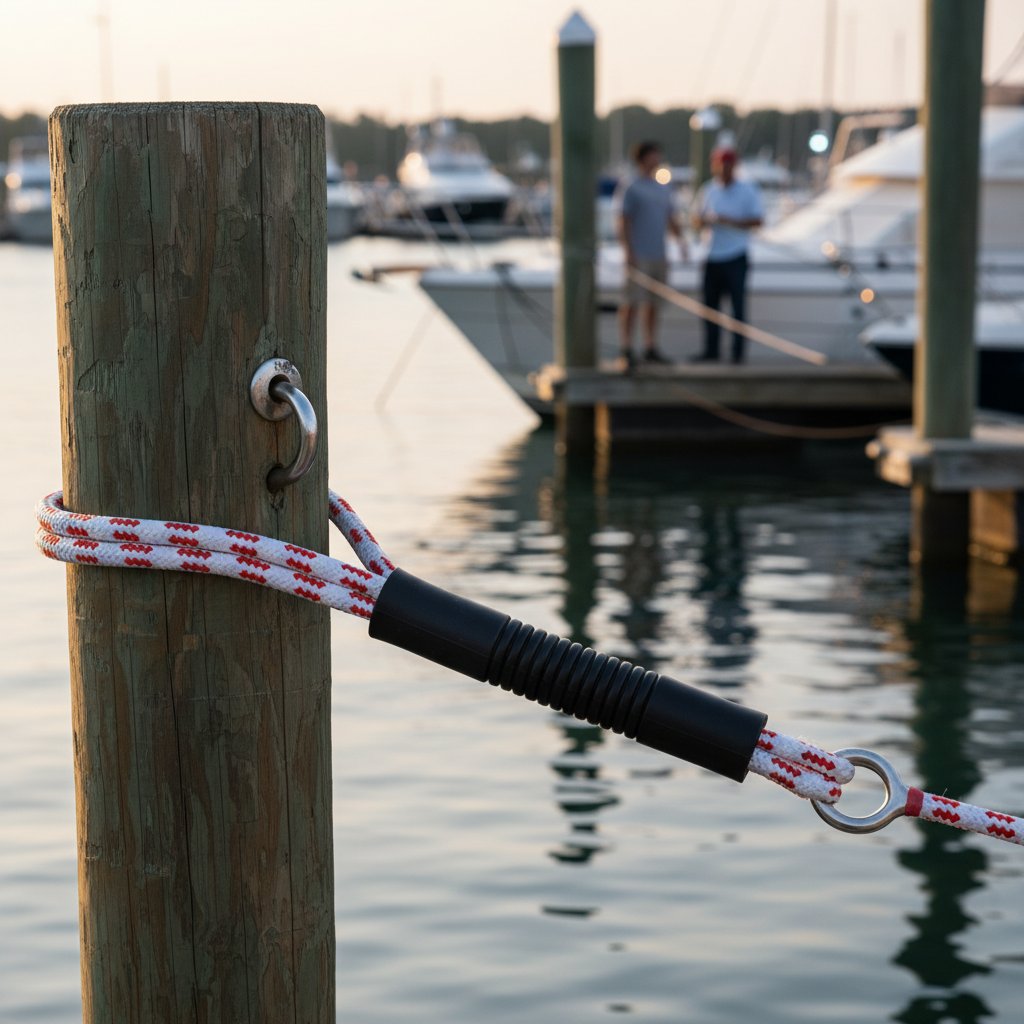
Chafe Guards, Thimbles, and Shock Absorbers for Added Protection
Nothing degrades a solid mooring line faster than continuous rubbing against sharp edges or bollards—a problem effectively addressed by chafe guards. These simple sleeves, often made from robust tubular webbing or rubber, wrap around vulnerable spots to shield the fibres from friction. I've witnessed a single rough piling turn a new rope into shreds in weeks without one; correctly applied, they can extend a line's life by months.
Thimbles ensure tidiness and strength at the line ends. These metal or plastic inserts create a rigid eye, preventing sharp bends that can weaken a splice. For shock absorption, consider mooring compensators—bungee-like extensions that stretch with each surge, reducing the sudden strain on your cleats during gusts. In tidal areas, these can mitigate jarring snaps that might loosen knots or stress the hull. Deploy them strategically: guards at contact points, thimbles for loops, and absorbers in-line for dynamic sections.
Maintenance Tips: Inspection, Cleaning, and Lifespan Extension
Regular check-ups are vital for preserving your investment. Start with monthly inspections, feeling for soft spots or fuzz where abrasion might be hidden. After every use, rinse lines to eliminate salt and grit; a mild soap soak works well without stripping protective treatments. Dry them coiled loosely in the shade to prevent UV damage and store them off the ground to avoid mildew. These steps can extend the service life of a quality line to five years or more, depending on your mooring environment.
When considering the two main types of ropes used in mooring, remember synthetics like nylon or polyester dominate most modern setups. They have largely superseded older natural fibres, such as manila, which offer good grip but are prone to rot in wet conditions. Synthetics are preferred today for their inherent reliability, but regardless of material, detect wear early. Faded colour or increased stiffness typically signals that it’s time for replacement.
- Inspect visually: Look for cuts, glazing, or uneven wear every outing.
- Clean gently: Hose down and air dry to remove buildup without harsh chemicals.
- Replace wisely: Retire lines showing 10% strength loss from testing or visible damage.
iRopes OEM/ODM Services: Tailored Quality Indicators, Performance, and Value for Wholesale Customers
For those requiring solutions at scale, iRopes offers OEM and ODM services that craft lines to your precise specifications. This includes blending top-quality materials with custom diameters, lengths, and even colours to match your fleet's branding. Their ISO 9001-certified process ensures every batch meets rigorous standards for tensile strength and fade resistance, all while maintaining competitive pricing for bulk orders. For premium high strength double braided marine rope for mooring, consider these tailored options that deliver superior elasticity and durability for offshore applications. Imagine lines with built-in reflective strips for night operations or custom-branded packaging that reinforces your company's identity. This approach fosters performance that translates into fewer replacements and enhanced safety on the seas. Wholesale partners benefit from direct pallet shipping worldwide, transforming custom requirements into seamless supply chain solutions.
Customisation
Build to Your Specifications
Colour Options
Match branding for a professional look across your entire operation.
Precise Sizing
Diameters and lengths precisely tuned to your specific vessel fleet or application needs.
Quality Checks
ISO-certified testing ensures unmatched durability and performance for every product.
Value Add
Wholesale Advantages
Global Shipping
Direct pallet delivery to your location, worldwide, ensuring timely order fulfilment.
IP Protection
Your innovative designs remain secure throughout the entire production process.
Cost Savings
Competitive bulk pricing and cost-effective solutions that enhance your bottom line.
These enhancements elevate your mooring system to new levels of reliability, enabling choices that genuinely safeguard what matters most on the water.
Selecting the best mooring lines involves prioritising strength, elasticity, and UV resistance to effectively manage shocks from waves and tides. Nylon is ideal for transient applications due to its stretch, while polyester excels in permanent setups for its balanced durability. The best mooring rope construction—whether 3-strand twisted, double-braided, or plaited—combined with precise sizing and accessories like chafe guards, ensures an optimal system design for your vessel's configuration. Regular maintenance further extends lifespan. For premium solutions that truly outlast others, iRopes' OEM/ODM services provide customised performance and value, precisely tailored to your boating needs worldwide. Dive deeper into choosing the best 16mm mooring rope for yachting to maximize safety with custom-rated lines strong, lightweight, and branded for your fleet.
Armed with these insights, you are well-equipped to enhance your mooring security. For personalised guidance on the best rope for mooring lines that perfectly fits your exact setup, consider reaching out for expert advice.
Customise Your Mooring Solutions with iRopes Experts
If you require tailored recommendations or wholesale customisation to optimise your mooring system, the inquiry form above connects you directly with iRopes specialists, ready to assist.