iRopes is an ISO 9001‑certified rope manufacturer in China, supplying marine, polypropylene, and natural‑fibre solutions with reliable quality, competitive pricing, and punctual global delivery for wholesale clients.
Your quick guide
- ✓ Custom diameters tailored to your load chart and application.
- ✓ Colour‑to‑brand matching with extensive colour palettes for clear identification.
- ✓ Integrated accessories (thimbles, eye‑loops) streamline downstream assembly.
- ✓ ISO 9001‑backed quality control that reduces defects and returns.
Most buyers assume Chinese rope makers sacrifice performance for price, yet iRopes shatters that myth with ISO‑9001 precision, 15 years of manufacturing expertise, and a portfolio that spans ultra‑light polypropylene to ultra‑strong marine UHMWPE. Imagine reducing your project’s material costs while gaining a rope that floats, resists saltwater, and carries your branding—without the usual trade‑offs. Keep reading to discover the practical specs and customisation options that make this possible for marine, industrial, and decorative needs.
marine rope manufacturers: Engineered solutions for marine applications
When you need a rope that can brave relentless waves, salty spray and intense sunshine, the definition of a marine rope hinges on more than just thickness. It must deliver reliable breaking strength, resist UV‑induced degradation, maintain flexibility when wet, and stay true to its length under load. These performance criteria keep vessels secure, crews safe and operations efficient.

- UV resistance - specialised coatings help prevent fading and loss of strength after prolonged sun exposure.
- Abrasion resistance - tightly woven braids minimise wear when rubbing against deck hardware or rigging.
- Low stretch - controlled elongation ensures predictable handling during mooring or rescue lifts.
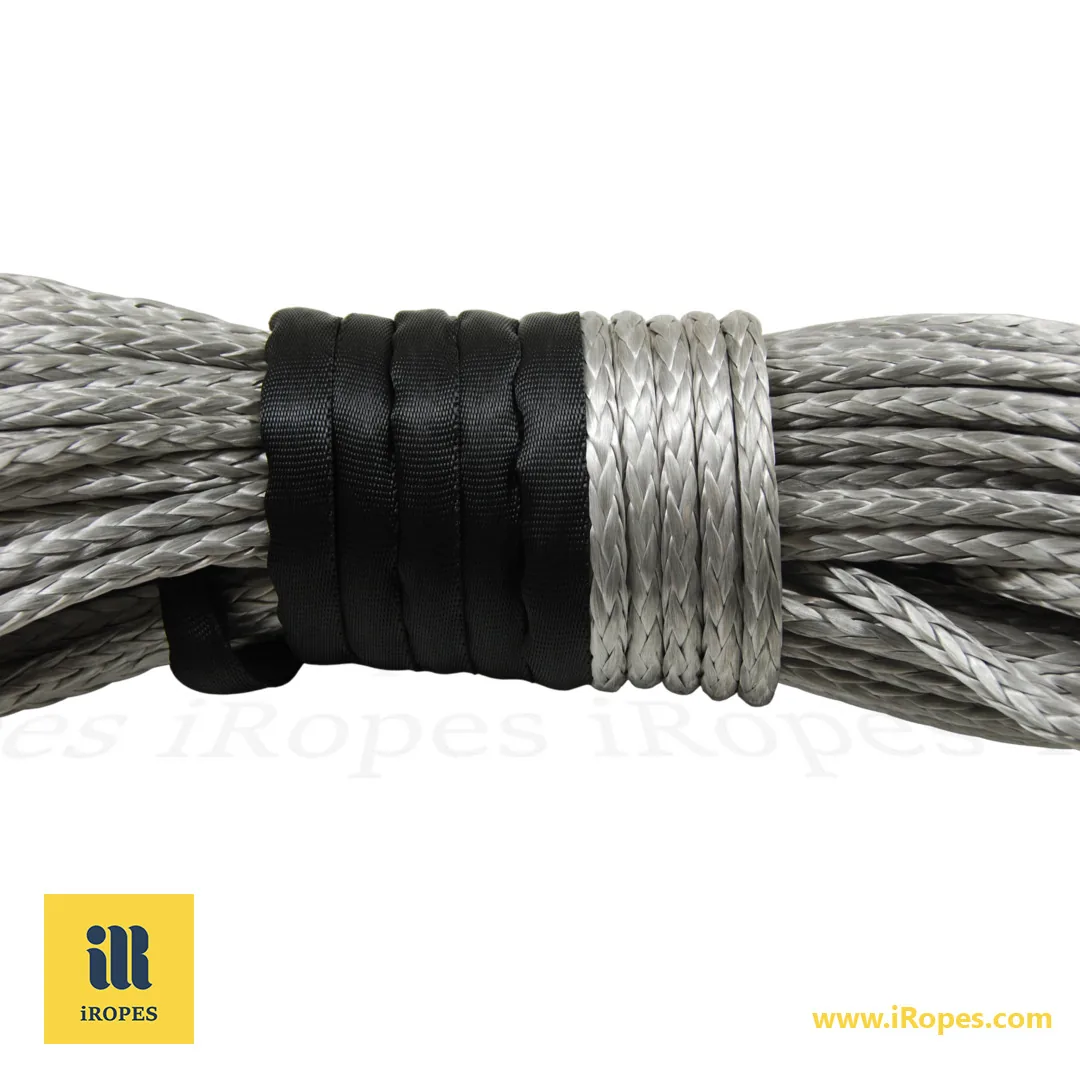
The backbone of these capabilities lies in the choice of fibre. UHMWPE offers a high strength‑to‑weight ratio and excellent resistance to saltwater and UV, making it a favourite for tow lines, winch lines and high‑speed rescue. Polyester brings reliable UV stability and minimal water absorption, ideal for long‑term dock lines, sheets and halyards. Nylon adds valuable elasticity, which helps absorb shock loads in anchor and mooring lines. For specialist demands such as heat and cut resistance, aramid fibres like Technora™ or Kevlar™, and high‑modulus options like Vectran™, are available to meet stringent performance targets.
Marine rope delivers dependable load‑holding, withstands harsh salt‑water environments, and remains reliable under UV exposure – benefits that keep vessels and crews safe at sea.
iRopes understands that one size rarely fits all. Their OEM/ODM service lets you specify diameters from small control lines to heavy‑duty tow sizes, select colours to match a vessel’s branding, and add accessories such as reinforced thimbles or pre‑spliced eyes. Whether you are outfitting a luxury yacht, supplying defence and naval fleets, or preparing rescue gear for offshore emergencies, iRopes can produce marine ropes aligned with your load charts, handling preferences and safety standards. The ability to tailor core construction, braid pattern, protective finishes, and even packaging—non‑branded or customer‑branded—comes with dedicated IP protection throughout development.
In short, the benefits of marine rope include heightened safety through dependable strength, longevity thanks to corrosion‑resistant fibres, and performance consistency that reduces maintenance costs. These advantages are why marine rope manufacturers like iRopes are trusted partners for demanding seafaring applications. Explore the best mooring rope material options to further enhance performance.
Having explored the material science and customisation options, the next step is to see how a lightweight, buoyant alternative – polypropylene rope – can complement your fleet’s equipment strategy.
polypropylene rope manufacturers: Lightweight versatility and cost-effective solutions
Building on the marine‑rope discussion, polypropylene rope brings a different set of strengths that can reduce weight, cut costs, and still meet everyday tasks. Its inherent buoyancy means a length of rope will float rather than sink, a feature that simplifies handling on decks and at work sites.

From a material standpoint, polypropylene delivers three core benefits: it resists many common chemicals in agricultural and industrial environments, it tolerates moisture without rotting, and it can be produced more cost‑effectively than many high‑performance synthetics. These attributes translate into a rope that is economical and dependable for a wide range of jobs.
- Marine utility lines – floating dock‑lines, boat‑launch guides, and rescue throw tethers.
- Construction site utility – temporary lashing, scaffold ties, and site‑clearance barriers.
- Agricultural tie‑down – bundling bales, securing livestock enclosures, and stabilising irrigation equipment.
The construction of polypropylene rope influences how those benefits feel in the hand. A three‑strand twisted design offers a classic feel and easy knotting, while a braided configuration provides smoother handling and can enhance roundness, durability and strength depending on the design. Choosing the right build depends on whether you value quick knotting or maximum handling stability and wear life.
Custom Options
iRopes lets you select colour palettes that match branding or safety codes, apply UV‑stable treatments for prolonged outdoor exposure, and specify diameters precisely to meet your working load limit (WLL) targets. Accessories such as reinforced thimbles, eye loops, or snap‑hooks can be integrated during production, ensuring a ready‑to‑use product straight from the factory.
When you weigh the balance between performance and price, polypropylene often emerges as the logical choice for applications where buoyancy and chemical resistance outweigh the need for extreme abrasion strength. Next, we will explore how natural‑fibre manila rope compares with these synthetic options, highlighting its unique advantages for specialised projects.
manila rope manufacturers: Traditional natural fiber ropes for specialized uses
Having examined the buoyant, cost‑effective nature of polypropylene, it’s time to turn to a fibre that has been trusted for centuries – manila rope. This natural‑fibre solution still holds a niche for projects that value classic aesthetics and eco‑friendly performance.

Manila rope originates from the abacá plant, a banana‑relative cultivated primarily in the Philippines. The long fibres are harvested, stripped and then twisted into a rope that displays a warm, tan hue and a slightly textured feel. Because the fibres are natural, the rope feels comfortable in the hand compared with many synthetic lines, yet it still delivers impressive tensile strength for its size.
Key performance traits include good breaking strength relative to diameter, excellent knot retention – the rope grips knots without slipping – and biodegradability, meaning it returns to the earth without lingering micro‑plastics. However, the material does absorb water, which can reduce strength, cause shrinkage as it dries, and invite mildew if stored damp.
Benefits of manila rope include natural strength, secure knot‑holding, a classic aesthetic, and an environmentally considerate end‑of‑life profile.
Natural Advantages
Why authentic manila still matters
Strength
Provides a solid breaking load for its size, suitable for traditional rigging, lashing and decorative projects.
Knot Retention
Maintains knots securely even under fluctuating tension, a prized trait for heritage marine work and landscaping.
Biodegradability
Decomposes naturally, reducing environmental impact compared with synthetic alternatives.
Enhanced Options
iRopes’ modern twists
Treated Manila
Moisture‑resistant finishes extend service life while preserving the natural look.
Pro‑Manila
Synthetic “manila” made from polypropylene (often called Pro‑Manila/UnManila) that mimics the classic appearance while improving UV and rot resistance and retaining buoyancy.
Customisation
Diameter, colour, length and accessories such as eye‑splices or metal thimbles can be specified to match project requirements, with branded or non‑branded packaging.
When a project calls for a rope that feels authentic, degrades gracefully, and still meets modern performance standards, iRopes’ treated manila and Pro‑Manila options bridge the gap between tradition and innovation. The next section ties these material choices together by helping you decide which rope best fits your application.
Ready for a Custom Rope Solution?
If you’d like personalised assistance in selecting or designing the ideal rope, simply complete the form above and our specialists will contact you directly.
This guide has shown how iRopes leverages 15 years of expertise to deliver specialised solutions across three major rope families. As one of the leading marine rope manufacturers in China, we provide UV‑resistant, low‑stretch UHMWPE or polyester lines customised to diameter, colour and accessories. As experienced polypropylene rope manufacturers, we supply buoyant, cost‑effective options with UV‑stable finishes. And as trusted manila rope manufacturers, we offer authentic natural‑fibre ropes plus Pro‑Manila alternatives for niche and decorative projects.
Whether you need a high‑performance deck line, an affordable floating utility rope, or an eco‑friendly natural‑fibre solution, iRopes can tailor the material, construction and packaging to your exact specifications. Learn more about our custom rope solutions and how we protect your IP from design to delivery. Contact iRopes for a personalised quote and discover a dependable, globally competitive manufacturing partner.