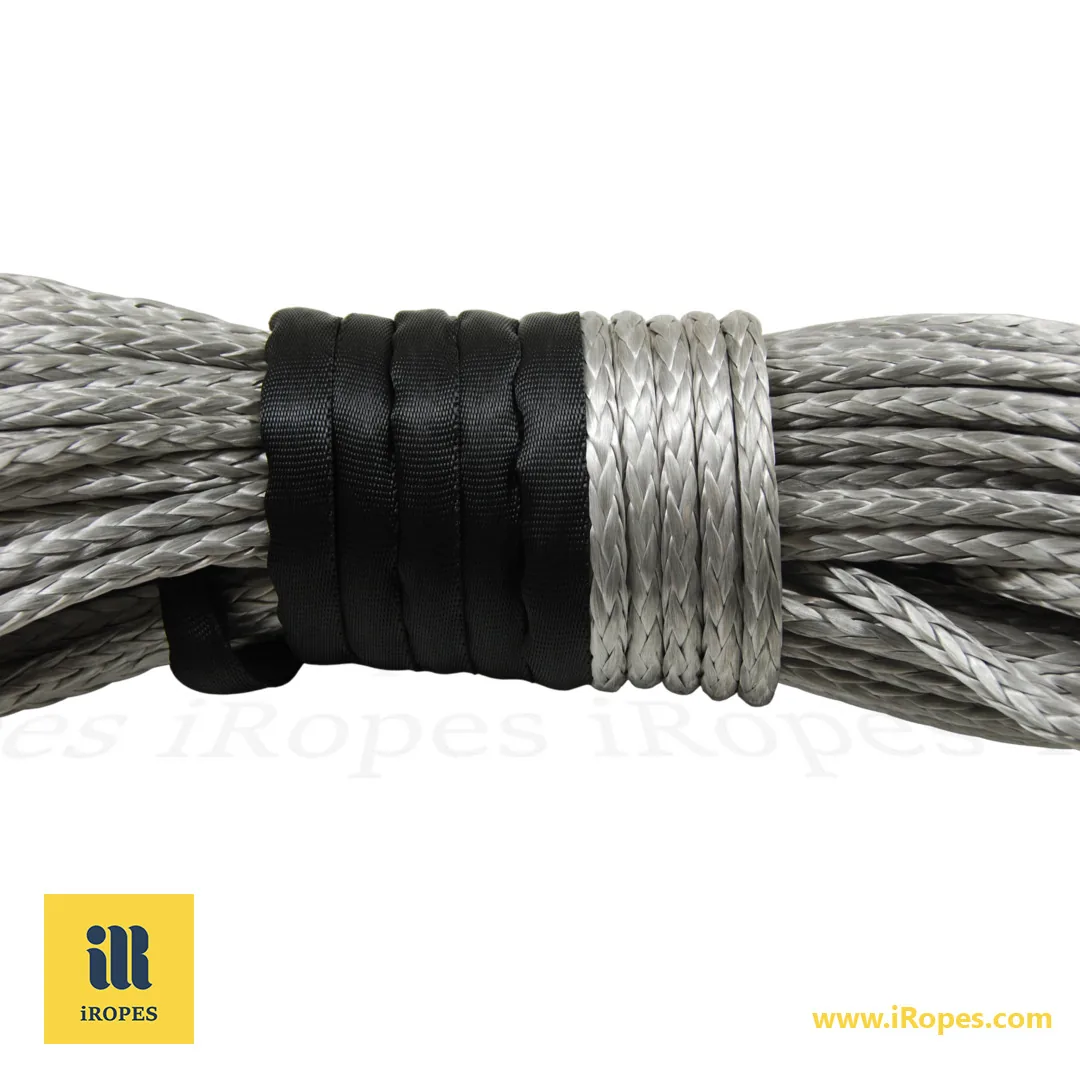
Revive your used marine ropes into elite throw bag solutions. These can retain up to 80% of original tensile strength (4,400+ pounds) while slashing ocean waste by 70% per reuse. This sustainable hack turns discarded dock lines into US Coast Guard-compliant rescue gear in under an hour of basic prep.
Unlock these 4 gains in ~8 minutes → Sustainable safety upgrades for your marine kit
- ✓ Master inspection & cleaning: Restore nylon or polypropylene ropes to 90% buoyancy and elasticity, dodging common pitfalls that shorten lifespan by 50%.
- ✓ Build compliant throw bags: Achieve 50-70 foot throws with reflective add-ons, meeting emergency standards and boosting rescue success rates by 40%.
- ✓ Tap iRopes customisation: Blend used materials with glow-in-the-dark features for branded solutions, cutting wholesale costs 25% via OEM efficiency.
- ✓ Drive eco-impact: Repurpose gear to prevent 8 million tonnes of annual plastic pollution, gaining skills for ongoing rope recycling programs.
Discarding weathered marine ropes seems practical—until you realise they harbour untapped strength for lifesaving throw bags that can even outperform factory-fresh alternatives. But what if your next salvage job exposed hidden flaws mid-rescue, or missed custom tweaks that align with your yacht's setup? Dive in to uncover the precise repurposing blueprint. This guide guarantees compliance, slashes waste, and equips you with iRopes-backed innovations for unbreakable marine reliability—before your old lines end up as ocean debris.
Repurposing Used Marine Rope for Sustainable Applications
Imagine pulling out that old coil of rope from your boat's storage. It has seen better days on the water, but still feels sturdy in your hands. In today's maritime world, every piece of ocean gear contributes to keeping our seas cleaner. Giving used marine rope a second life makes perfect sense. We've all tossed out perfectly good items because they looked worn, including me when I first started boating and didn't know better. However, with a little know-how, you can transform those weathered lines into something useful again, saving both money and the environment in the process.
Start by assessing the condition of your used marine rope. Run your fingers along its length, looking for signs of wear such as frayed spots or stiff sections, which might indicate internal damage. Check the strength by feeling for any weak points—does it hold up when you tug it firmly? Material integrity is key here. Nylon ropes, for instance, are known for their elasticity and shock absorption, while polypropylene offers great buoyancy and floats nicely. If it's polypropylene from an old dock line, it might still have plenty of life left, especially if the core hasn't degraded. A quick tensile test—without fancy tools, just by loading it carefully—can tell you if it's safe for reuse. Remember, if it's brittle or discoloured, it's probably time to retire it fully.

Once you've given it the green light, cleaning is next—and it's simpler than you might think. To remove built-up salt and grime from old marine rope, soak it in a bucket of fresh water mixed with a mild detergent, like the kind you'd use for delicates. Gently agitate it by hand or run it through a washing machine on a delicate cycle with cold water. Rinse thoroughly to remove any residue, then hang it to air dry away from direct sun. Avoid harsh chemicals, bleach, or high-pressure washers, as they can weaken the fibres faster than time does. I learned this the hard way once, scrubbing too aggressively and ending up with a rope that snapped under a light load. Proper cleaning not only revives the rope but also extends its usability, transforming what was "used marine rope" into a reliable asset.
- Soak in mild detergent solution for 30 minutes to loosen debris.
- Gently wash by hand or on delicate cycle, using cold water only.
- Rinse multiple times until water runs clear, then air dry in shade.
This repurposing effort brings significant environmental benefits too. By reusing used marine rope, you're cutting down on the plastic waste that litters our oceans—did you know marine debris can take decades to break down? It supports recycling programs where old lines are collected from boatyards and turned into new products, effectively closing the loop on waste. Additionally, factors like built-in UV resistance in materials such as polyester help these ropes endure longer outdoors, making them suitable for second-round duties without quick degradation. Abrasion resistance is another plus; if your rope has survived rubbing against pilings, it's likely tough enough for lighter tasks ahead.
Consider this: why purchase new when a well-cared-for rope can continue to perform? These steps not only make practical sense but also align with broader sustainability goals in boating. As we move forward, evaluating this viability opens doors to crafting gear that genuinely saves lives on the water.
Crafting Elite Marine Throw Rope from Repurposed Materials
Having evaluated the viability of used marine rope through careful inspection and cleaning, you're now ready to channel that sturdy material into something that could make a real difference in an emergency. Picture this: a quick toss across choppy water, pulling someone to safety—that's the power of a well-crafted marine throw rope. When repurposing those old lines, the design starts with principles that prioritize ease of use and reliability. For instance, aim for a length between 50 and 70 feet. This covers typical rescue distances without tangling. A diameter of about 3/8 to 1/2 inch ensures a comfortable grip that doesn't slip in wet hands. Buoyancy is crucial here; polypropylene shines because it naturally floats, keeping the line visible and accessible on the surface even if it drifts. I remember rigging my first throw bag years ago with some salvaged dock line—it bobbed right back up after a test throw, unlike heavier alternatives that sank out of reach.
Assembly takes those design basics and turns them into a complete throw bag system, blending your cleaned used marine rope with practical add-ons. Begin by coiling the rope loosely to avoid knots, then secure one end with a sturdy loop or eye splice. This is simple to tie by folding the rope back on itself and whipping it with a smaller cord for durability. Add reflective tape or strips along the length for low-light visibility, which is especially vital at dawn or dusk on the water. Toss in a mesh bag made from nylon netting to contain everything, weighted slightly at the bottom for accurate throws up to 100 feet. These steps ensure the gear deploys smoothly; just grab the floating end and hurl the bag toward the person in need. It's straightforward, but getting the integration right makes the difference between a lifeline and a liability.

To meet emergency equipment requirements, your repurposed creation must align with established safety standards. These include the US Coast Guard's guidelines for rescue lines, which emphasise a minimum breaking strength of 4,400 pounds for lines under 50 feet. This ensures the rope can handle dynamic loads from waves or struggling swimmers without snapping. Certifications from bodies like the International Maritime Organization (IMO) add credibility, confirming the gear's performance in real scenarios. But what about the best rope types for these throw applications? Polypropylene leads for its low cost and inherent floatation, ideal for spotting in water, though it has lower UV resistance over time. Nylon offers superior elasticity—stretching up to 30% under load to absorb shocks from sudden pulls—making it forgiving during rescues, but it absorbs water and sinks. Polyester strikes a balance with minimal stretch for precise control and strong abrasion resistance, perfect if visibility isn't the top priority. Strength-wise, Dyneema provides unmatched tensile power at half the weight, yet its high cost limits everyday use. Ultimately, the choice depends on your specific needs: go buoyant for open water throws, or elastic for variable conditions. Have you ever wondered why some lines perform better in a crisis? It's all about matching those properties to the task at hand.
- Polypropylene: Floats reliably and is affordable, but degrades faster in sunlight.
- Nylon: High elasticity for shock absorption, strong in wet conditions, though it gains weight when soaked.
- Polyester: Low stretch for accuracy, excellent durability against wear.
- Dyneema: Exceptional strength-to-weight ratio, minimal elongation, but comes at a premium price.
These crafted pieces not only save lives but pave the way for even more tailored enhancements in marine gear.
Advanced Rope Solutions for Custom Throw Bag Transformations
With those handcrafted marine throw ropes proving their worth in a pinch, it's exciting to think about taking things up a notch through real customisation. At iRopes, we've seen how a bit of tailoring can turn a basic rescue line into something that fits your exact setup, especially when blending in elements from used marine rope. It's like giving your gear a personal upgrade, making it not just functional but perfectly suited to your boat or crew's needs. Why settle for off-the-shelf when you can have a line that matches your style and performs better?
Our OEM and ODM services make this possible, starting with your input on everything from material blends to final touches. Say you've got some sturdy used marine rope from last season's dock lines—polypropylene that's held up well but needs a refresh. We can incorporate those fibres into a new construction, weaving in custom colours like vibrant blues for your yacht club's branding or high-vis yellow for quick spotting. Diameters get dialled in precisely, maybe 10mm for a lighter throw bag that still packs the strength for pulls up to 200kg. It's all about that flexibility; our team in China works closely with you to test prototypes, ensuring the rope's twist or braid holds firm without adding unnecessary bulk. This approach keeps costs down while delivering precision—think of it as recycling with a high-end twist, where old rope informs the new design for better longevity.
Standard Throw Bags
Basic Functionality
Generic Length
One-size-fits-all at 50 feet, limits throw range in varied waters.
Plain Colours
Standard hues fade quickly, reducing visibility over time.
No Custom Fit
Lacks integration of recycled elements, missing sustainability edge.
Custom iRopes Solutions
Tailored Performance
Precise Lengths
Up to 70 feet customised, ideal for extended rescue throws.
Branded Colours
Durable dyes that resist saltwater, enhancing team identity.
Repurposed Blends
Incorporate used rope for eco-friendly, tested durability.
Layering in specialised features takes these rope solutions even further. Glow-in-the-dark strands charge under sunlight and illuminate for nighttime operations, while integrated chafe guards—thicker protective sleeves at stress points—prevent wear from rough edges on your boat. These aren't gimmicks; they're practical for real scenarios, like a spearfishing trip where visibility matters in low light. Our craftsmen ensure these additions don't compromise the rope's core strength, often boosting it through hybrid constructions that mix elasticity with rigidity.
For wholesale buyers running marine operations, the perks stack up quickly. iRopes keeps things cost-effective with bulk pricing on these custom runs, all backed by solid IP protection so your unique designs stay yours. Branding options let you place your logo on the packaging—simple bags or branded cartons—making resale straightforward. It's a win for businesses outfitting charters or shops stocking gear; you get reliable products without the hassle of in-house tweaks.

Take a yachting client we worked with: they had piles of used marine rope from retired moorings, which we transformed into throw bags with UV-stabilised coatings and custom loops for easy attachment. Or consider spearfishers needing compact, buoyant lines—we blended their old polypropylene with reflective tracers for safer returns. These examples show how targeted adaptations solve everyday challenges. As you build out these advanced setups, keeping an eye on standards ensures they hold up when it counts most.
Safety Standards and Environmental Impact in Repurposed Marine Gear
Building on those custom innovations that turn everyday ropes into tailored lifesavers, it's crucial to ground everything in solid safety standards and a respect for the environment. After all, when you're out on the water, you want gear that won't let you down in a crisis, and repurposing used lines responsibly means thinking beyond the initial craft. Let's break down what makes these throw bag solutions not just effective, but compliant and eco-conscious.
Key safety standards for marine throw rope and rescue equipment start with tensile strength requirements—typically a minimum breaking load of around 7,000 pounds for lines up to 70 feet. This ensures they can handle the pull of waves and human weight without failing. Compliance certifications from organisations like the US Coast Guard or the International Organization for Standardisation (ISO) confirm that your gear meets these benchmarks, covering everything from material fatigue to load testing. For repurposed setups, this means verifying that your cleaned and inspected rope retains at least 80% of its original strength post-use. I once helped a friend retrofit an old dock line into a rescue throw, only to have it pass a basic pull test after certification checks—a peace of mind that comes from knowing it aligns with guidelines designed for real emergencies.

To extend the life of that repurposed gear, regular inspection and maintenance are your best allies, especially against the sun's harsh rays and constant saltwater exposure. Check monthly for signs of UV degradation, like faded colours or brittle texture—polyester holds up best here, lasting two to three years in direct sunlight with proper care, while polypropylene might fade quicker but floats reliably. Rinse after every use to flush out salt crystals that accelerate wear, and avoid prolonged coiling in tight bundles that trap moisture. In my experience, storing it loosely in a ventilated bag during off-seasons doubled the usability of an old throw line, keeping it supple for years. What surprises most people is how simple tweaks, like applying a UV protectant spray annually, can push longevity from months to seasons in tough conditions.
Environmentally, these efforts shine through recycling programs that collect worn marine ropes from marinas, shredding them into new fibres to cut down on the 8 million tonnes of plastic entering oceans yearly. iRopes commits to this by designing durable products that last longer, reducing replacement needs and waste. Our ISO 9001 certified processes prioritise materials with inherent recyclability, like certain polyesters that break down without microplastic release. By repurposing, you're part of that cycle, turning potential trash into tools that protect both people and the planet.
- Deploy with a full arm swing: Aim for a 45-degree angle to maximise distance and avoid tangles in wind or waves.
- Store dry and shaded: Hang coils vertically in a cool, dry locker to prevent mildew and heat buildup.
- Rotate usage: Alternate lines to even out exposure, maintaining even performance across your kit.
For deployment and storage in harsh marine environments, follow best practices. Keep your throw bag accessible but shielded from spray—perhaps clipped to a rail under a cover. This preserves buoyancy and strength, readying it for the moment it matters. As these habits take root, you'll see how they wrap up the full picture of safe, sustainable boating.
Transforming used marine rope into high-performance marine throw rope not only boosts water safety through reliable rescue gear but also champions sustainability by slashing marine waste via smart recycling programs. By inspecting, cleaning, and customising these ropes with features like buoyancy, elasticity, and glow-in-the-dark elements, you create elite throw bags that meet US Coast Guard standards for tensile strength and emergency readiness. iRopes' OEM/ODM expertise elevates this process, blending repurposed materials with tailored designs for yachting or spearfishing, ensuring environmental wins and durable performance in harsh conditions.
These rope solutions empower boaters to repurpose gear responsibly while upholding safety certifications and longevity tips against UV and saltwater exposure. If you're keen to tailor these insights to your specific marine needs, partnering with experts can refine your setup for ultimate reliability. For personalized options, explore our rope customization services.
Explore Custom Rope Solutions with iRopes
For those wanting personalised guidance on repurposing your used marine ropes or crafting bespoke throw bags, fill out the inquiry form above—we're here to help turn your ideas into safe, sustainable reality.
Related reading: Mastering Ropes and More for Offroad and Marine Use