⚠️ Hidden failures in traditional marine ropes cause 70% of offshore lift incidents—yet twin path slings offer redundant safety. Each independent path carries exactly 50% of the load, preventing total collapse even in corrosive seas. This advanced design offers a crucial safeguard against unexpected vulnerabilities.
Unlock Safer Lifts in 12 Minutes → Discover How Twin Path Designs Transform Marine Operations
- ✓ Slash failure risks through dual-path redundancy. This maintains full load capacity if one path is damaged by abrasion or impact, crucial for marine safety.
- ✓ Cut handling weight by up to 7 times compared to steel ropes, significantly reducing crew fatigue and injury risks in choppy offshore conditions.
- ✓ Extend a sling’s lifespan to 20 years. Repairable high-modulus polyethylene (HMPE) and aramid cores maintain low elongation (under 1% at rated capacity) for precise, compliant lifts.
- ✓ Secure custom compliance. iRopes’ ISO 9001 OEM modifications meet rigorous standards like ASME B30.9, ensuring tailored solutions for your branded marine needs.
You’ve trusted traditional ropes for marine lifts, assuming their strength holds against saltwater and waves. Yet, unseen abrasion and elongation can spark catastrophic failures, costing thousands in downtime. Twin path slings challenge this illusion with built-in backup paths, designed to keep operations afloat amid hidden threats. What if your next hoist revealed a vulnerability no single rope could hide, but iRopes’ tailored redundancy could conquer?
Unpacking Twin Path Slings: The Dual-Path Principle for Redundant Safety
Imagine overseeing a heavy lift on an offshore rig, where one wrong move could spell disaster. This is precisely where twin path slings make a critical difference. These innovative slings offer a smarter way to handle high-stakes operations. A twin path sling is essentially two complete, independent load-bearing paths woven into a single unit, providing patented backup protection. Each path shoulders approximately 50% of the total load and connects separately from your hook to the cargo below. This design is not merely clever; it’s a game-changer for safety in marine lifting. It ensures that if one path takes a hit, the other keeps things steady, preventing a total collapse.
At the core of these advanced rope sling systems are advanced materials that make them distinctly suited for salty, corrosive marine environments. We’re talking about high-modulus polyethylene (HMPE) and aramid fibres—these are far from ordinary ropes. HMPE, for instance, delivers an incredible strength-to-weight ratio, offering the power of steel without the bulk. Aramid fibres, conversely, add crucial toughness against cuts and abrasion. Both materials maintain low elongation, typically under 1% at full capacity, ensuring your lifts remain precise even with pounding waves or shifting loads. This minimal stretch is vital for preventing the dangerous imbalances sometimes associated with traditional slings, helping to keep operations smooth and controlled.
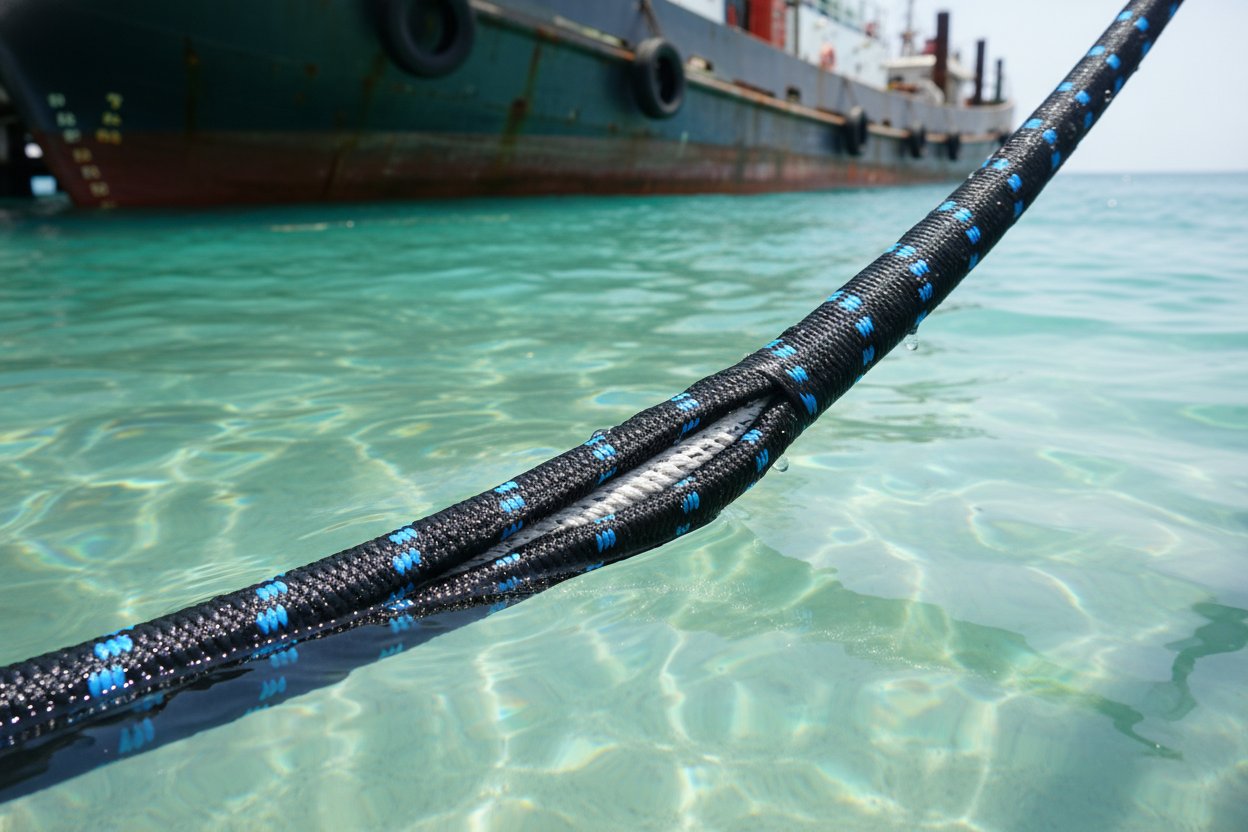
The true advantage lies in their **dual-path redundancy**. In critical marine lifts—such as hoisting equipment from a dive support vessel—damage to one path from friction or impact will not result in a catastrophic failure. The backup path is engineered to maintain the full working load limit, providing your team with precious time to react and avoid disaster. Think of it like a spare tyre built right into your wheel: you don't truly appreciate its presence until you need it most. This feature proves invaluable in harsh conditions, where traditional single-path options might conceal wear until it’s too late, potentially jeopardising the entire operation.
At iRopes, we elevate this concept by customising *twin path-like designs* for our wholesale clients globally. Utilising the same synthetic wonders—HMPE and aramid—we meticulously tailor every aspect, from diameter to length, ensuring each **rope sling** perfectly meets specific marine requirements. Our ISO 9001-certified process guarantees precision at every stage, with options for reflective elements or specific terminations. Whether you’re rigging for oil platforms or performing yacht maintenance, we craft solutions that significantly boost safety without compromising performance. Our focus is always on delivering reliable gear that seamlessly adapts to your operational demands.
These core strengths lay the groundwork for why twin path slings consistently outperform older rope sling methods in demanding marine environments.
Rope Sling Innovations: Overcoming Hidden Failures in Marine Lifting
Building on the dual-path foundation that keeps operations steady even when unexpected challenges arise, let's explore how modern rope sling innovations are transforming marine work. Traditional steel or wire ropes have long been standard, yet they come with significant drawbacks in salty, wave-battered settings. Imagine crews struggling with heavy chains across a slick deck, battling rust that develops overnight. Synthetic rope slings offer a lighter, tougher alternative, eliminating many everyday headaches. They represent a significant leap forward in **rope and sling** technology for the marine sector.
One prominent advantage is their weight—or rather, their remarkable lightness. These rope slings are approximately *seven times lighter* than equivalent steel options. This transforms what was once a physically demanding hoist into a much more manageable task. In offshore operations, where crew fatigue can lead to critical errors, this weight reduction means fewer injuries and quicker setup times. Teams no longer need to wrestle with cumbersome gear that saps their energy before the lift even begins. For those curious about the main sling categories, they generally fall into three types: chain slings for extreme heat, wire rope for heavy-duty pulls, and synthetic textile slings for precision in wet environments. Each serves a purpose, but synthetics excel where flexibility and ease of handling are paramount.
Cuts handling risks by easing the load on workers during repetitive offshore manoeuvres. This significant weight reduction directly improves crew safety and efficiency. Eliminates shock hazards, making them safer for use around electrical equipment on rigs or vessels. This is a critical safety feature in sensitive marine environments. Withstands oils, salts, and acids without degrading, unlike metal that corrodes rapidly. This resilience extends lifespan and maintains operational integrity. Maintains structural integrity under constant sun exposure, preventing brittle breakdown and ensuring long-term reliability. Keeps loads stable, actively avoiding dangerous swings in choppy waters. This precision is vital for controlled and safe marine lifts. Visible signs of wear allow quick checks, extending safe use and facilitating proactive maintenance. This is crucial for preventing unexpected failures.Lightweight Edge
Reduces Strain in Harsh Seas
7x Lighter
Non-Conductive
Chemical Resistant
Safety Boosters
Guards Against Marine Wear
UV Protection
Low Stretch
Easy Inspection
Beyond the ease of handling, crucial safety features make these rope slings a superior choice for marine challenges. They are *non-conductive*, eliminating concerns of electrical sparks near live wires on a platform. Furthermore, their inherent resistance to chemicals and UV rays effectively combats the corrosion and fading that typically plague metal ropes in harsh sea environments. Consider this: steel might appear solid one day, only to snap the next due to hidden rust. Synthetics, conversely, maintain their integrity much more effectively, actively keeping your team out of harm's way.
Even traditional rope slings are not without flaws. They often conceal issues like abrasion from rough surfaces or gradual elongation that compromises load control. In marine settings, constant friction against ship hulls or deck gear can cause unseen wear. Dual-path designs, however, mitigate this risk by distributing stress across two independent paths, meaning minor damage won’t compromise the entire setup. This **built-in toughness** minimises surprises during lifts, where every second counts for the safety of personnel and equipment.
At iRopes, our precision manufacturing transforms these innovations into dependable gear for exporters worldwide. Backed by ISO 9001 standards, we ensure every sling undergoes rigorous tests for strength and consistency. From selecting fibres that resist marine grit to fine-tuning constructions, we deliver rope slings that are truly ready for global demands. This meticulous attention to detail keeps operations running smoothly, free from the concerns of unseen breakdowns.
Such inherent reliability ensures these tools are ideally suited for high-pressure marine scenarios, where every detail can be critical.
Rope and Sling Applications: Critical Scenarios in Marine Environments
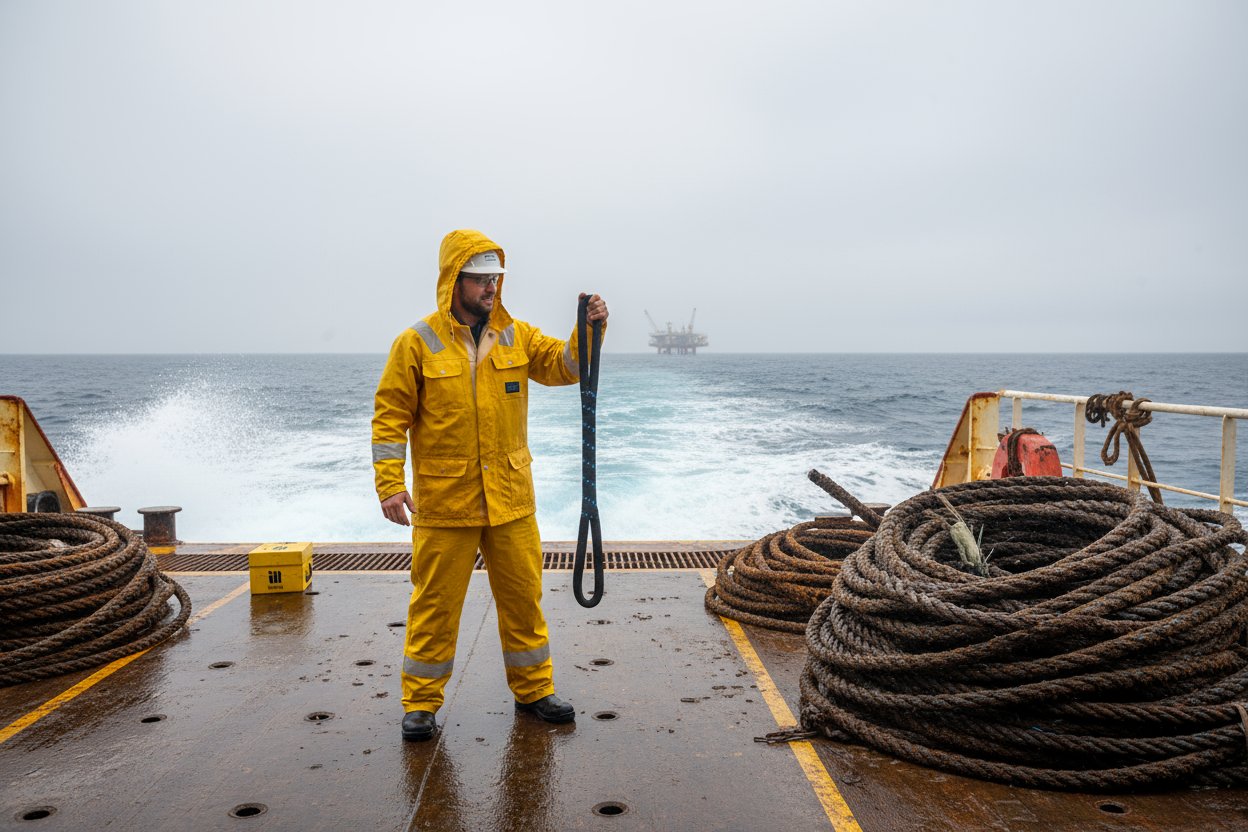
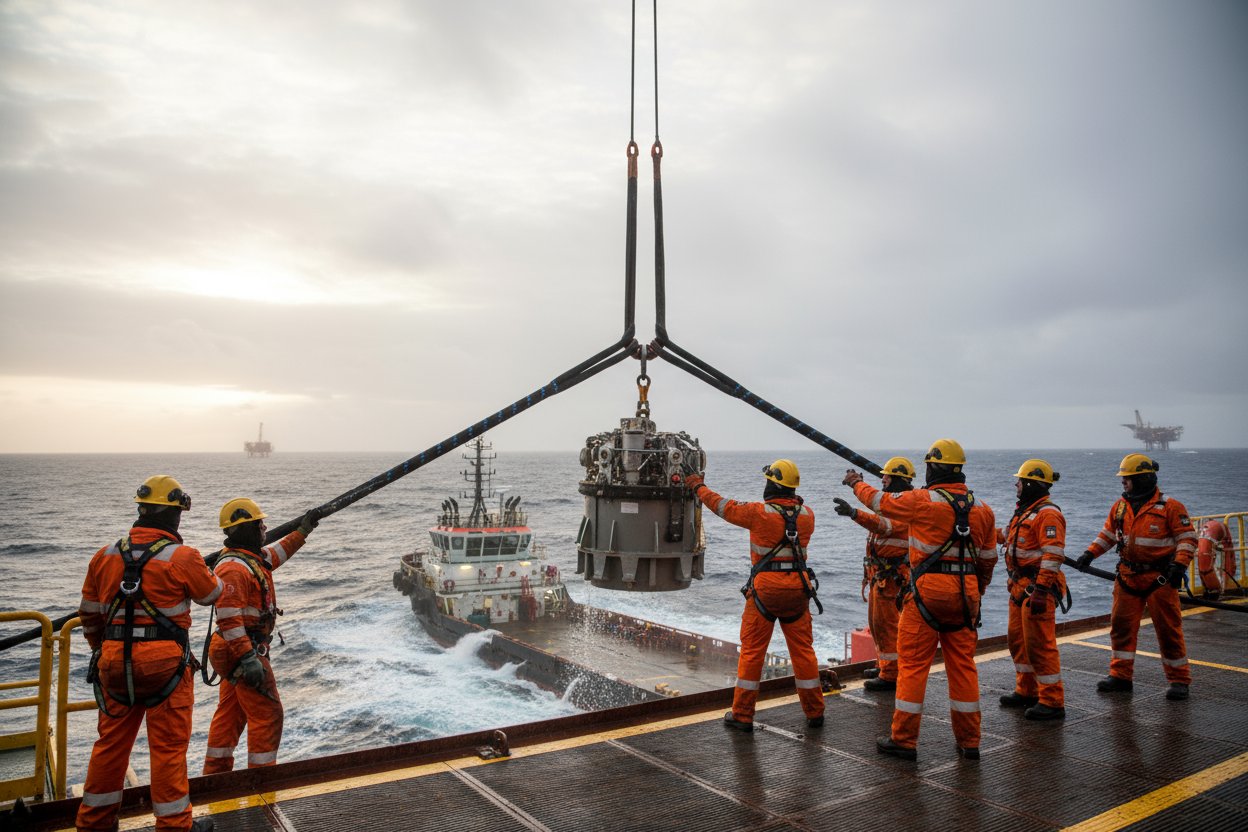
With the proven reliability of these advanced rope and sling systems established, consider how they perform in the often unforgiving world of marine operations. Offshore environments demand equipment that will not falter under pressure, and this is precisely where the true value of redundant designs becomes apparent. In offshore oil and gas platforms, for instance, teams heavily rely on them to hoist massive subsea valves or pipelines from depths where visibility is almost zero. The dual-path setup ensures that if abrasion from rocky seabeds damages one side, the operation doesn't grind to a halt—preventing costly downtime that could run into thousands per hour. Shipyards similarly utilise them for manoeuvring hull sections during repairs, where constant waves and saltwater present additional threats. A single **rope sling** failure here could not only delay a vessel's launch but also endanger workers on slippery decks. Subsea lifting takes this a step further, with rope slings securely rigging ROVs or tools in currents that could shear lesser gear. Redundancy thus effectively keeps accidents at bay, allowing for precise control even when loads shift unexpectedly. For deeper insights into essential market applications for cable sling and rope sling, explore how these tools leverage custom solutions for safer, faster lifts across top industries.
Certain scenarios unequivocally demand an extra layer of protection, particularly neutrally buoyant lifts in underwater operations. These involve positioning gear at mid-water depths without it sinking or floating away—a delicate balance in operations such as installing moorings or recovering debris. Here, the low elongation of synthetic slings maintains stability, actively preventing dangerous swings that could snag on underwater structures. Regulatory bodies acknowledge this critical need, mandating approvals like ASME B30.9 for sling construction and DNV standards for marine certification. Compliance is not merely optional; it distinguishes routine jobs from investigations following a mishap. Meeting these ensures your setups pass audits and withstand scrutiny, offering critical peace of mind in high-liability fields.
Offshore Oil Rigs
Hoisting heavy pumps from dive vessels, where redundancy averts multi-day shutdowns caused by gear snaps. This ensures continuous operation and minimises financial impact.
Shipyard Repairs
Securing propeller shafts amidst tidal surges, actively minimising injury risks on crowded quays. This enhances worker safety and operational efficiency during critical repairs.
Wind Farm Installs
Lifting turbine blades offshore, using choker hitches to grip securely without surface damage. This protects valuable components and ensures precise placement.
Marine Construction
Basket configurations for bundling pipes, distributing weight evenly on unstable platforms. This configuration provides stability and safety for challenging construction tasks.
Wind energy projects and marine construction push these tools even harder. Offshore wind farms require lifting nacelles weighing hundreds of tonnes onto fixed foundations, often in swells that test both grip and stability. Basket hitches—which cradle the load like a sling—distribute force across a wide area, making them ideal for awkwardly shaped components like turbine blades. Choker hitches, conversely, cinch tightly around items for vertical pulls, perfect for hauling cables or anchors without slippage. These configurations build on the basic types of rope and sling you might encounter: chain for heat tolerance, wire for brute strength, and synthetics for flexibility in wet conditions. In marine construction, such as bridging gaps on floating docks, this versatility means handling everything from concrete blocks to steel beams without constant equipment swaps.
iRopes offers comprehensive OEM and ODM services to meet these precise demands. We tailor **rope and sling** lengths, diameters, and even hitch-friendly terminations to your exact marine specifications, incorporating branding like logos on protective covers. For a wind farm operator, this might mean UV-resistant fibres in custom colours; for shipyards, it could involve abrasion-proof layers suited to daily drags. Our global exports ensure these customised products arrive ready for your site’s unique challenges, fostering setups that not only perform exceptionally but also actively reflect your operation’s identity.
Of course, deploying these systems effectively hinges on spotting wear early through robust inspection routines.
Inspection and Maintenance Best Practices for Twin Path Slings in Marine Use
Spotting potential issues before they escalate is paramount to fully capitalising on reliable setups in offshore scenarios. Therefore, let's delve into practical strategies for maintaining your twin path slings in peak condition. In marine environments, where saltwater and constant motion accelerate wear, a structured approach to checks safeguards your team and significantly maximises the return on your investment in these durable tools.
The foundation of maintenance for twin path slings involves a three-stage inspection regime, integrating visual and tactile methods for clear assessment, even on a rocking deck. Firstly, conduct a quick *daily visual scan* before each use. Look for obvious cuts, frays, or discolouration on the outer cover, which critically shields the inner paths from harm. Simultaneously, feel along the length for any unusual softness or lumps that might signal internal damage. Secondly, perform a more thorough *weekly or monthly check*, gently bending the sling to expose hidden spots and using adequate lighting to identify any abrasion from recent contact with hulls or gear. Thirdly, schedule an *annual professional evaluation* by certified experts. These specialists might employ tools like tension tests to verify load capacity. Systems similar to Check-Fast even provide overload indicators directly on the sling, simplifying inspection to a quick colour-check that flags if it has been stressed beyond limits. These systematic steps ensure reliable damage detection and make repairability a viable option, avoiding the need to discard the entire unit.
- Daily pre-use visual and tactile scan for surface issues like cuts or frays.
- Weekly/monthly detailed bend-and-inspect for hidden abrasion or weaknesses.
- Annual expert certification, including load testing and indicator reviews.
For critical marine lifts, adhering to regulatory compliance is essential, preventing hefty fines or operational shutdowns. Standards such as ASME B30.9 mandate periodic recertification every year or after major incidents, such as a near-miss or significant environmental exposure. You will also require *trained personnel*—typically riggers with specific sling certifications—to handle these inspections, ensuring they meet DNV guidelines for offshore operations. Overlooking these requirements could lead to non-compliance during audits, transforming a routine job into a significant liability nightmare.
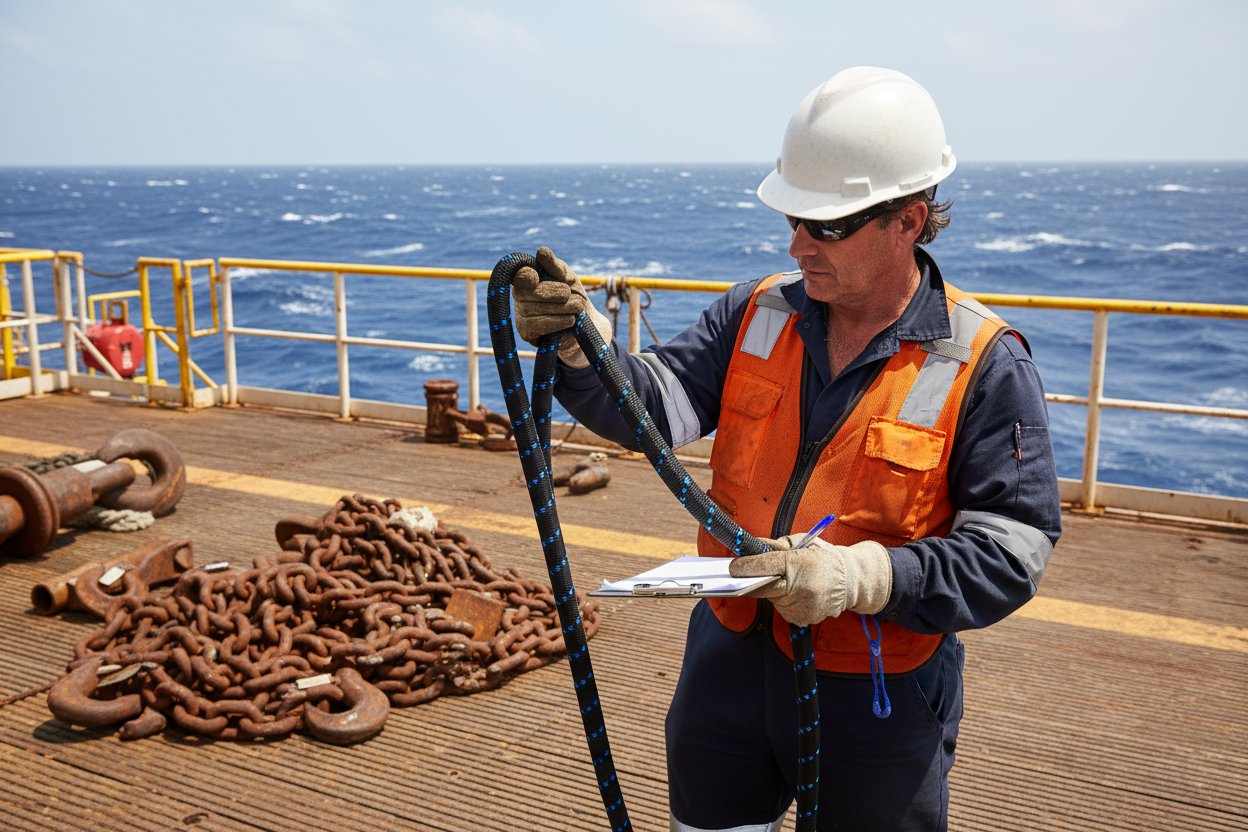
Should damage occur, efficient repair processes can breathe new life into a twin path sling, potentially extending its service life to *20 years*. This significantly outlasts disposable alternatives, which often get discarded after a single snag. Certified repair shops can expertly patch covers or splice paths using matching HMPE yarns, subsequently retesting the sling to its full capacity. This contrasts sharply with cheaper, single-use options. While a high-end twin path sling might initially cost 20-30% more upfront—for example, $500 for a mid-capacity model versus $350 for basic ones—the lifecycle savings from repairs and fewer replacements quickly add up. These savings often pay for the initial investment in under two years through reduced downtime alone. It is a pragmatic investment for operations where every lift’s safety and efficiency are paramount.
iRopes simplifies this process with our extensive customisation options. We embed inspectable features like colour-coded warning layers or branded tags that align with your specific compliance needs. Our IP protection safeguards these innovations, ensuring your wholesale setups remain secure and tailored—from adding tactile markers for rapid field checks to guaranteeing DNV-ready designs. This integrated approach ensures that safety and efficiency are consistently intertwined for your marine projects. For specialized crane slings and hoist solutions, our high-strength synthetic options provide versatile reliability in demanding industrial applications.
Implementing these robust practices truly underscores why investing in advanced rope and sling solutions delivers substantial dividends in the long run.
In the demanding world of marine lifting, twin path slings emerge as a vital safeguard against hidden failures, delivering dual-path redundancy that ensures operations continue safely even if one path is compromised. These innovative rope sling solutions, meticulously crafted from durable HMPE and aramid fibres, offer superior strength, low elongation, and remarkable resistance to corrosion, UV, and chemicals. They consistently outperform traditional options by reducing weight by up to seven times and actively minimising risks across diverse environments like offshore oil rigs, shipyards, subsea lifts, and wind farm installations. By proactively addressing abrasion and elongation vulnerabilities through advanced **rope and sling** designs, which rigorously comply with ASME B30.9 and DNV standards, they significantly enhance efficiency while preventing costly downtime.
A regimen of regular three-stage inspections, ranging from daily visual checks to annual certifications, combined with their inherent repairability, extends the service life of these slings up to 20 years. This longevity more than justifies the initial investment by providing substantial long-term value. For wholesale partners seeking customised, ISO 9001-certified solutions, these cutting-edge technologies not only meet stringent regulatory demands but also elevate safety standards across critical marine scenarios.
Need Tailored Twin Path Solutions for Your Marine Operations?
If you’re ready to explore personalised OEM or ODM options for twin path slings that precisely fit your specific marine needs, complete the inquiry form above. Connect with iRopes experts today and take the definitive step towards achieving safer, more reliable lifts.
