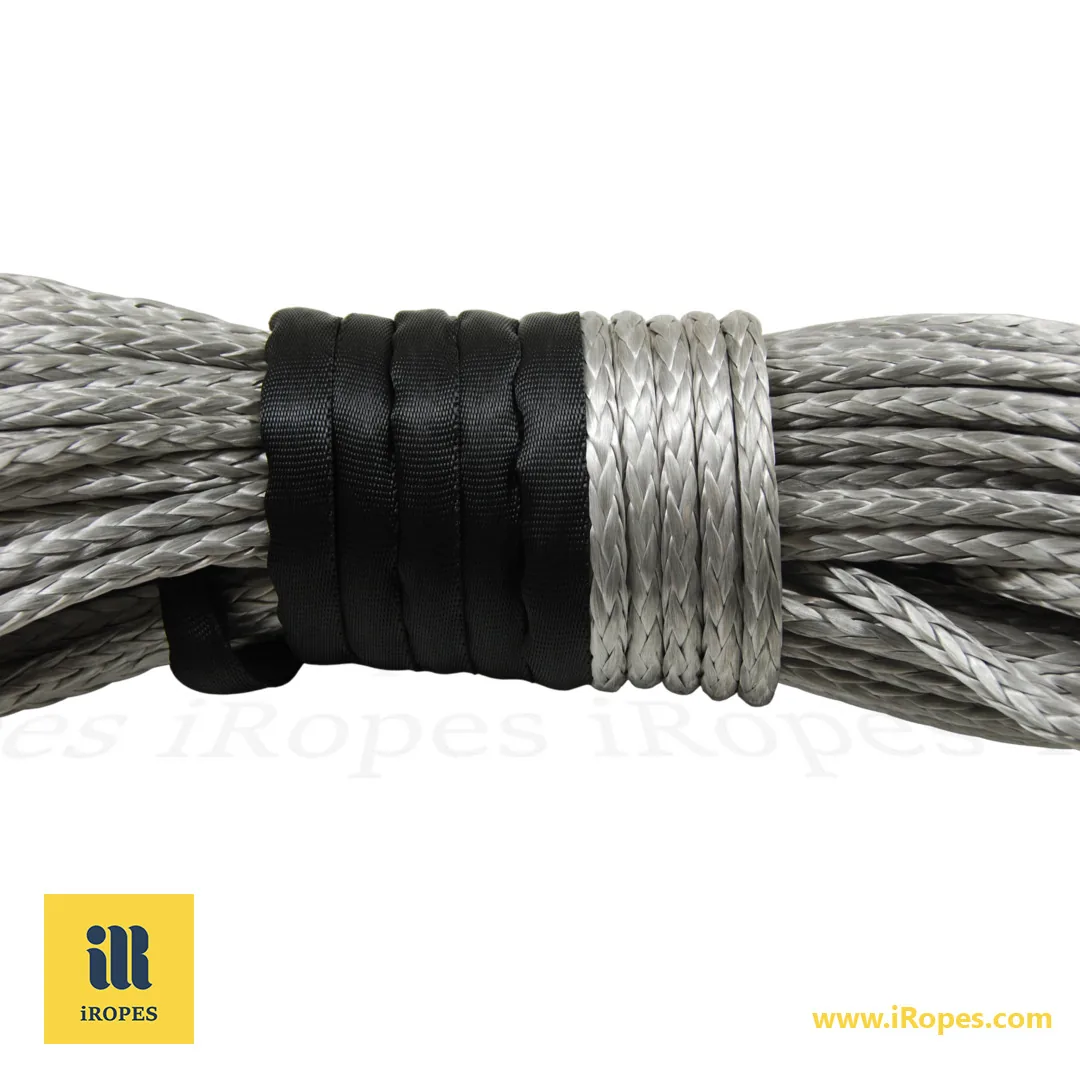
Nylon 66 delivers significantly higher tensile strength than polypropylene and better retains its stretch characteristics over repeated load cycles, while Nylon 6 offers higher initial elongation that gradually reduces with use.
8‑minute read: Key takeaways
- ✓ Pinpoint the material that delivers the highest tensile‑strength‑to‑weight ratio for your load case.
- ✓ Forecast rope lifespan by modelling stretch loss of Nylon 6 versus the stable rebound of Nylon 66.
- ✓ Match the right rope to marine, off‑road or industrial applications with a quick decision matrix.
- ✓ Leverage iRopes’ OEM/ODM workflow to order a rope built to your exact strength, colour and IP‑protected specifications.
You might assume the lighter, floating line is always the smart pick for offshore projects, but the numbers tell a different story. In our side‑by‑side analysis of polypropylene rope properties and nylon rope properties, the unexpected champion is Nylon 66—delivering superior strength, durability and a modest cost increase. Keep reading to discover why the “king of the material” flips the usual trade‑off and how iRopes can customise it for your exact specs.
Polypropylene Rope – Properties & Performance
After exploring how material choice influences safety and cost, the next step is to understand the fundamentals of polypropylene rope. This polymer’s unique blend of lightness and durability makes it a popular option for many marine and lightweight applications.
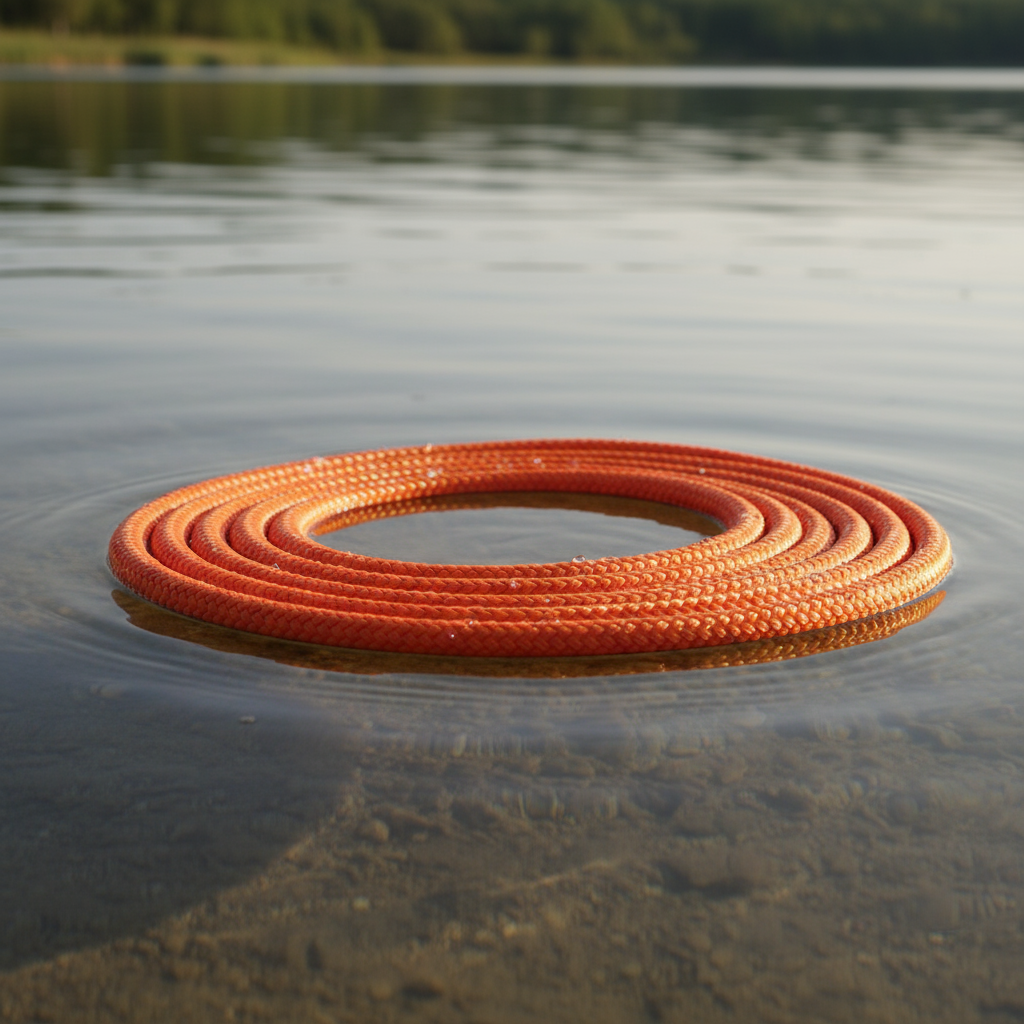
When engineers talk about rope properties, they usually reference tensile strength, elongation, density, abrasion resistance, UV resistance, and how those values are measured. The two widely recognised standards are ASTM D2256 for breaking strength and ISO 2307 for physical and mechanical properties. Knowing which test was used helps you compare data from different manufacturers on an equal footing.
- Low density – around 0.90 g/cm³, roughly 30 % lighter than water.
- Floatation – the rope naturally stays on the surface, a key safety benefit for buoy lines.
- Tensile strength – typical breaking load of 4‑7 kN for an 8 mm strand.
- Stretch – modest 2‑4 % elongation, giving predictable handling.
- UV resistance – moderate; prolonged sun exposure can degrade strength over 1‑2 years unless stabilised.
- Chemical resistance – excellent against many oils, acids and salts, making it suitable for harsh marine environments.
These characteristics translate into several practical advantages. Because it floats, a polypropylene line is easy to locate after a ship‑to‑shore operation. Its resistance to chemicals means you won’t see premature rot in salty water, and the low material cost keeps project budgets in check. For offshore buoyage, safety nets, and lightweight winches, the combination of buoyancy and affordability often outweighs the need for extreme strength.
- UV degradation – exposure reduces tensile strength after a year or two unless a UV‑stabilised grade is chosen.
- Lower abrasion rating – the rope wears faster on rough surfaces compared with high‑performance nylons.
- Cold brittleness – below ‑20 °C the material can become stiff and prone to cracking.
Addressing the common question “What are the disadvantages of polypropylene rope?”: its main drawbacks are limited UV resistance, relatively modest abrasion performance, and a tendency to become brittle in very cold environments. Selecting a UV‑stabilised variant or pairing the line with protective sleeves can mitigate these issues.
“For floating safety lines, the buoyancy of polypropylene often saves a rescue team minutes of searching in rough seas,” notes senior marine engineer John Patel.
Understanding these fundamentals equips you to decide when the lightweight, water‑resistant nature of polypropylene outweighs its UV and abrasion limitations. The next section will contrast these traits with the higher stretch and strength offered by nylon, clarifying why one material may be preferable over the other for a given application.
Nylon Rope – Types, Strength & Stretch
Having examined how polypropylene delivers buoyancy, we now turn to the material that excels when elasticity and shock‑absorption are paramount. Nylon rope properties stem from two common polyamides – Nylon 6 and Nylon 66 – each offering a distinct balance of stretch, strength and durability.

Nylon 6 (PA‑6) is produced by polymerising a single monomer, which gives the fibre a relatively low melting point and a high elongation‑at‑break of roughly 30‑35 %. This makes it ideal for situations where a rope must stretch to absorb sudden loads, such as winch lines on off‑road vehicles. By contrast, Nylon 66 (PA‑66) is created from two monomers that condense into a more crystalline polymer. The result is a higher tensile strength – typically 8‑12 kN for an 8 mm line – and a lower stretch range of about 15‑20 %, while retaining superior creep resistance and heat tolerance.
- Nylon 6 – exceptional elasticity, best for dynamic loads, gradual loss of stretch after repeated cycles.
- Nylon 66 – higher rebound, longer service life, favoured for static or high‑temperature applications.
- Both grades – excellent abrasion resistance and good UV stability; density is similar (≈ 1.14–1.15 g/cm³), but water absorption differs (≈ 4 % for Nylon 6, ≈ 2 % for Nylon 66).
When engineers ask “How much does nylon rope stretch?”, the answer depends on the polymer family. A fresh Nylon 6 rope will extend up to 35 % under a standard test load, delivering the cushioning effect needed in winch or towing operations. After ten loading cycles, the elongation typically settles around 20‑25 %, still far above the 2‑4 % stretch seen in polypropylene. Nylon 66, meanwhile, stretches only 15‑20 % initially and retains most of that capability even after prolonged use, making it a reliable choice for static mooring lines where minimal creep is desired.
Comparing strength directly, nylon outranks polypropylene. While a high‑quality 8 mm polypropylene strand caps at about 7 kN, an equivalent Nylon 66 rope can reach 12 kN – roughly a 70 % increase. This quantitative gap answers the frequent query “Which rope is stronger – nylon or polypropylene?” with a clear hierarchy: Nylon 66 > Nylon 6 > Polypropylene.
Strength Snapshot
For an 8 mm diameter, Nylon 66 delivers up to 12 kN breaking load, whereas Nylon 6 offers 10 kN and polypropylene peaks around 7 kN. Selecting nylon therefore adds a substantial safety margin for high‑stress applications.
Beyond raw numbers, the choice between the two nylons hinges on the operating environment. If a rope must repeatedly absorb shock – for example on a climbing harness or a winch that experiences frequent starts and stops – Nylon 6’s generous stretch provides a comfortable cushion. When the application involves sustained loads, high temperatures, or the need for minimal elongation over years, Nylon 66’s tighter rebound and superior creep resistance make it the “king of the material”. iRopes can tailor either polymer to exact specifications, adding UV stabilisers, colour coding, or reflective elements to meet the demands of marine, off‑road or industrial projects.
Rope Properties Comparison – Quick Reference Table
Having clarified the individual strengths of nylon and polypropylene, engineers now need a single view that aligns performance metrics with project constraints. The table below lines up the key rope properties so you can spot the material that fits your design envelope.
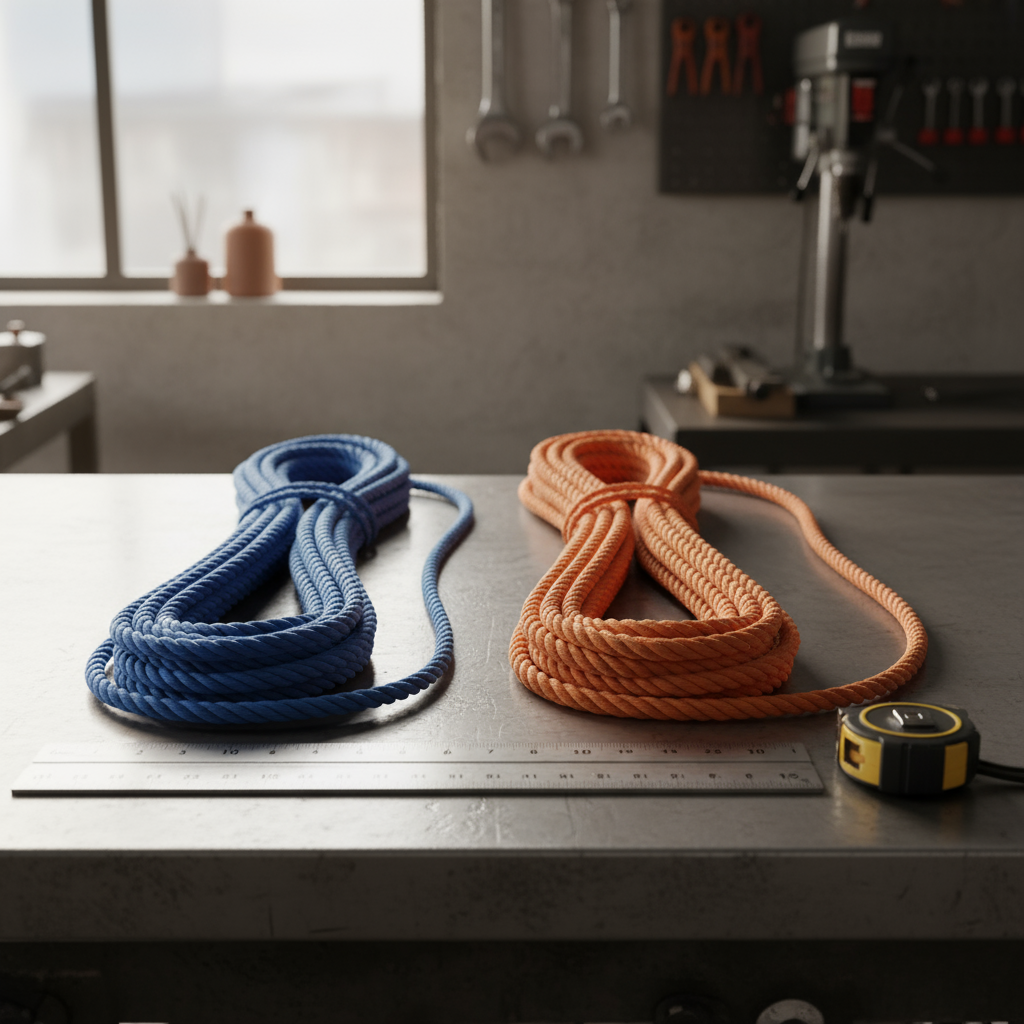
The following matrix uses relative ratings (Low / Medium / High) to keep the comparison concise while still conveying the practical impact of each attribute.
| Property | Polypropylene | Nylon 6 | Nylon 66 |
|---|---|---|---|
| Density | Low (≈ 0.9 g/cm³) | High (≈ 1.14 g/cm³) | High (≈ 1.15 g/cm³) |
| Tensile Strength | Medium | High | Very High |
| Stretch (Elongation) | Low (2‑4 %) | High (≈ 30 %) | Medium (≈ 15 %) |
| UV Resistance | Moderate | Good | Excellent |
| Water Absorption | Negligible | Higher (≈ 4 %) | Lower (≈ 2 %) |
| Floatation | Floats | Sinks | Sinks |
| Abrasion Resistance | Medium | High | Very High |
| Cost (USD / kg) | Low | Medium | Higher |
| Typical Uses | Marine buoy lines, lightweight winches | Dynamic loads, shock‑absorbing winches | Heavy‑duty moorings, high‑temperature applications |
Interpreting these ratings is straightforward: choose a material with “Very High” tensile strength when safety margins dominate the budget, or opt for “Low” density and floatation when the line must stay on the water’s surface. Consequently, cost and UV resistance often tip the balance in marginal projects.
When a table lists “Low”, “Medium” or “High”, align those levels with your specific load‑case, environmental exposure, and budget constraints to avoid over‑engineering.
Rope Properties
Rope properties refer to the measurable characteristics that determine a line’s performance, including tensile strength, elongation, density, abrasion resistance, UV stability, water absorption, and floatation. These parameters are defined by standards such as ASTM D2256 and ISO 2307 and guide material selection for specific applications.
iRopes Custom Solutions & Application Matrix
After you have compared the core specs of polypropylene and nylon, the next logical step is to see how those numbers translate into real‑world projects. The matrix below links four key industries with the material that typically delivers the best balance of performance, cost and durability.
| Industry | Optimal Rope Material | Why it fits |
|---|---|---|
| Marine buoyage | Polypropylene | Floats, resists saltwater, low cost – ideal for safety lines that must stay on the surface. |
| Off‑road winching | Nylon 6 | High elongation absorbs shock, handles abrasive terrain without breaking. |
| Yachting rigging | Nylon 66 | Superior tensile strength and creep resistance for sustained loads on sun‑exposed decks. |
| Camping & outdoor gear | Polypropylene (UV‑stabilised) | Lightweight, floats, and with UV protection survives prolonged sun exposure. |
iRopes turns that matrix into a personalised order through a straightforward workflow. For example, you can explore our extensive range of custom nylon ropes, such as the options detailed in our buy nylon rope for heavy‑duty off‑road applications guide.
- Material selection – choose PP, Nylon 6 or Nylon 66 based on the application matrix.
- Dimension definition – specify diameter, strand count and core type for the required load‑case.
- Branding & accessories – add colour, reflective strips, eye‑splices or custom terminals.
- IP protection & packaging – secure your design under NDA with iRopes’ ISO 9001‑backed processes and select non‑branded or branded packaging.
- Production & delivery – our precision facilities manufacture the rope, run quality checks, and ship pallets directly to your site.
One recent success story illustrates how the process works in practice.
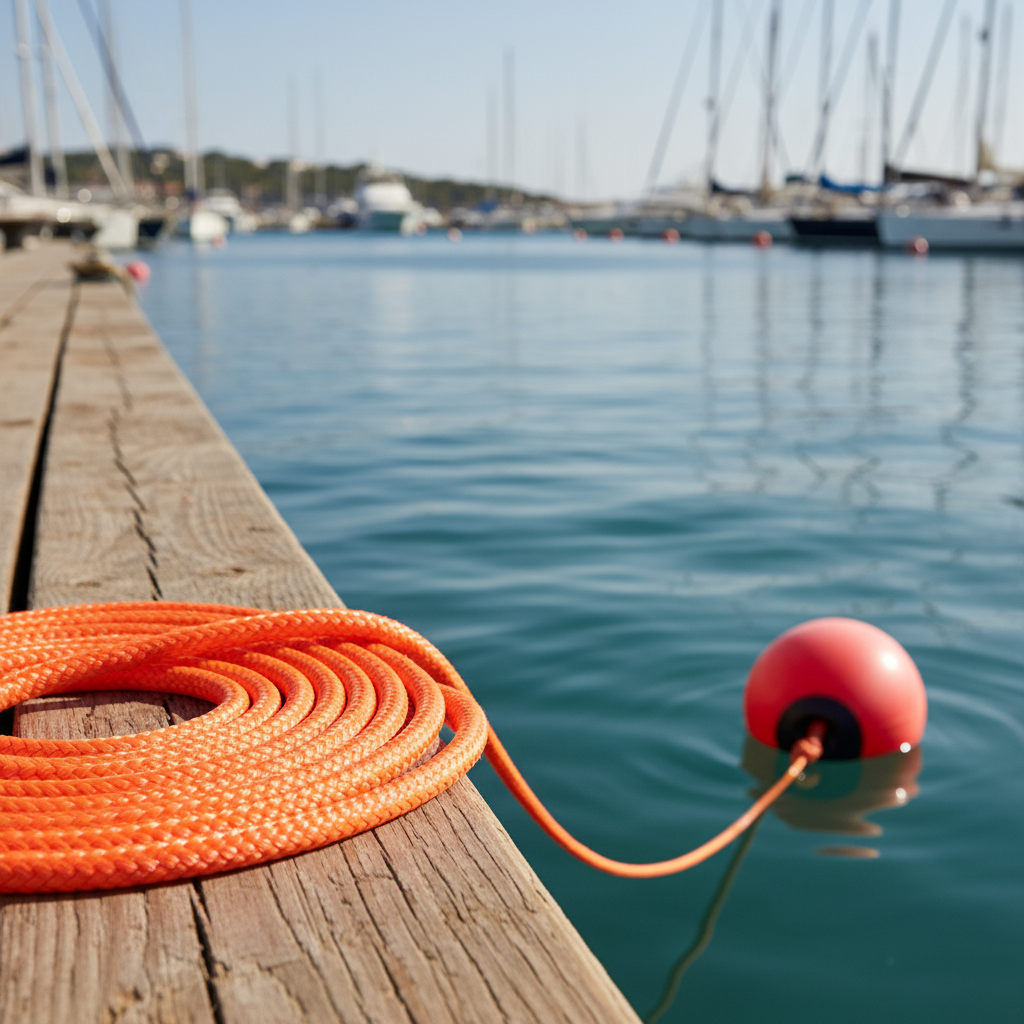
“Our offshore buoy line needed to stay visible for months. iRopes supplied a 12 mm polypropylene rope with a UV‑stabiliser and high‑visibility orange dye. The line floated flawlessly and maintained more than 95 % tensile strength after a year of sun exposure,” says marine logistics manager Elena García.
This example also demonstrates why polypropylene rope properties such as floatation and chemical resistance are prized in marine settings, while iRopes can instantly switch to nylon grades when higher strength or lower stretch is required. Learn more about our custom nylon rope roll solutions for tailored projects.
Material Expertise
Our engineers match the exact polymer grade—PP, Nylon 6 or Nylon 66—to the performance chart you reviewed.
Tailored Design
From strand count to colour coding, every parameter is configurable to your brand and safety standards.
Fast Turnaround
Prototyping to final shipment is streamlined to keep project timelines tight.
IP Protection
All designs are covered by NDA and safeguarded through ISO‑9001‑backed quality processes, protecting your innovation.
Ready to turn the matrix into a rope that fits your exact specifications? Or request a personalised quote and let iRopes engineer the perfect line for your next project. You can also customize your perfect 1000‑feet rope with our OEM/ODM services.
Need a custom rope solution? Get expert guidance
By now you’ve seen how density, tensile strength and stretch dictate the right material – from the buoyant, low‑cost nature of polypropylene rope properties to the high‑elongation yet gradually softening behaviour of Nylon 6, and the superior rebound and lifespan of Nylon 66, the king of the material. These nylon rope properties illustrate how the choice impacts performance, while the broader rope properties guide engineers toward the optimal solution for safety, budget and branding.
If you’d like a personalised recommendation or a quote that aligns with your exact specifications, simply fill out the form above and our iRopes specialists will work with you to engineer the perfect line.