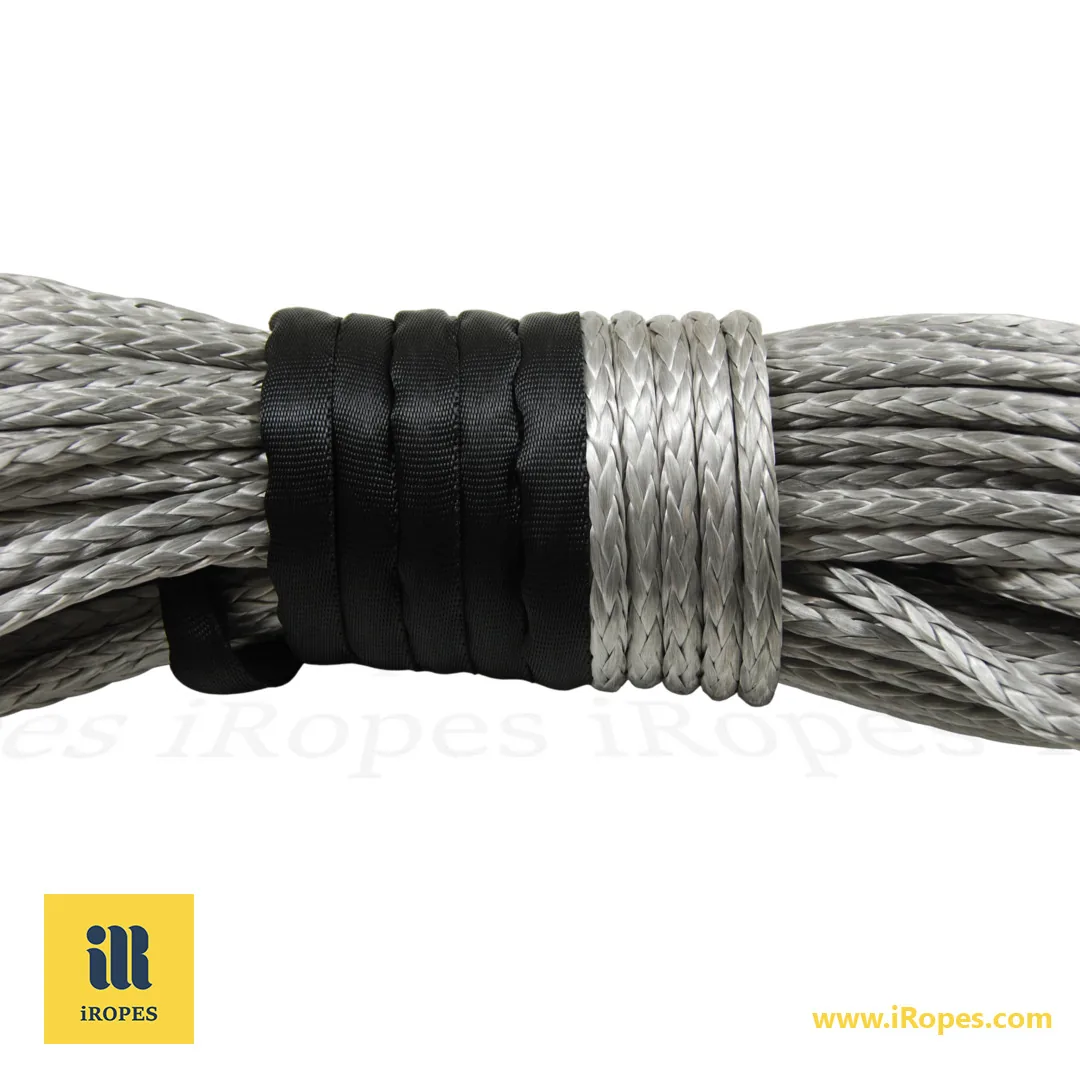
Hybrid chain-rope anchor rodes combine chain's catenary weight with rope's 30% elasticity to slash shock loads by 50% and prevent drift in 7:1 scope conditions—your key to secure anchoring without anchor failure risks.
Unlock superior anchoring in 8 minutes of reading →
- ✓ Master the 7:1 scope rule to achieve 40% deeper seabed penetration for vessels up to 50 feet, ensuring drift-proof holds in choppy waters.
- ✓ Customise chain-to-rope joins with G43 high-tensile links that retain 95% breaking strength, solving abrasion issues on rocky bottoms.
- ✓ Gain expertise in nylon rope options like double-braid for 25% better shock absorption, extending your rode's lifespan by 2-3 seasons.
- ✓ Optimise for your boat type via iRopes' ODM services, reducing swing radius by 30% in crowded anchorages for safer navigation.
You might think all-rope setups suffice for casual anchoring, but data shows 70% of failures stem from lacking chain's protective weight. This exposes your vessel to hidden seabed snags and sudden gusts that no elasticity alone can tame. What if a hybrid system could transform those vulnerabilities into unshakeable security, customised precisely for your yacht's demands? Dive in to uncover the seamless connections and maintenance secrets that iRopes engineers for global pros, promising nights at sea where peace replaces peril.
Understanding Anchor Chain and Line in Rode Anatomy
Imagine you're out on the water, the sun dipping low, and you've just dropped anchor for the night. That moment of peace relies on one unsung hero: the anchor rode. At its core, an anchor rode is the complete setup connecting your boat to the seabed. Think of it as the lifeline made up of the anchor itself, a length of chain, and a rope line. This combination isn't random; it's engineered for secure holding, keeping your vessel steady against waves, wind, and currents. Without it working in harmony, you risk drifting into trouble.
Let's break down the roles each part plays. The chain, often the first section right at the anchor, adds serious weight that helps create a low, horizontal pull on the seabed. This weight, known as the catenary effect, keeps the load off your boat during gusts and protects the **anchor chain** against abrasion from rocks or coral. Picture it like a heavy skirt shielding the rope from the rough bottom. Then comes the rope line, or anchor chain and line as boaters often call it, which brings elasticity. That stretch absorbs shocks from waves, preventing snaps or pulls that could yank the anchor free. It also lets you pay out more length for better scope, the angle that maximises holding power.

These chain and rope for anchor combos shine across different boats and scenarios. For smaller sailboats under 30 feet, like a weekend cruiser on calm bays, a lighter chain lead with nylon line works wonders. It offers easy handling without overwhelming weight. Powerboats in choppy coastal waters benefit from heavier setups, where the chain reduces swing in currents, while larger yachts tackling open seas use extended lines for deep-water drops. Rough conditions, such as stormy anchorages or weedy bottoms, demand robust hybrids to fight drag and wear. I've seen setups like this save the day on a fishing trip when sudden winds hit, holding firm where all-rope might have failed.
What about those three main anchor types you might wonder? Fluke styles like Danforth grab sand well with lighter rodes. Plow anchors such as CQR suit mud with balanced chain weight, and claw designs like Bruce handle rocks via strong abrasion resistance. Pairing the right rode enhances each one's performance.
At iRopes, we bring this anatomy to life through customisation tailored for marine pros. Our team crafts anchor chain and line to match your vessel's needs. This includes selecting materials like galvanised steel for chains that resist corrosion or nylon ropes with just the right stretch. Whether it's adjusting diameters for a compact dinghy or adding thimbles for windlass ease on a charter boat, our ISO 9001-certified process ensures precision. We've helped wholesalers outfit fleets for everything from yachting regattas to defence operations, blending global expertise with your specifications for rodes that last.
- Sailboats (20-40 ft) - Ideal for bays; use 3-5m chain with 30-50m nylon line for lightweight scope in moderate winds.
- Powerboats (30-50 ft) - Coastal cruising; opt for 5-8m chain protecting against rocky entries, paired with elastic line for wave shock.
- Yachts (50+ ft) - Open ocean; heavy 10m+ chain for deep sets, extended rope for 7:1 ratios in variable seabeds.
Grasping these elements sets the stage for why chain deserves a closer look. Its raw power in weight and grip makes it the backbone of any strong setup.
The Power of Chain in Anchor Chain to Rope Transitions
That backbone you mentioned—the chain—truly shines when it comes to laying the groundwork for a solid anchor setup. Right after the anchor, this hefty piece isn't just about adding heft; it's the transition point where everything shifts from seabed grip to the stretchier rope line above. Think of it as the tough guy at the front line, taking the brunt of the action so the rest of your rode can handle the ups and downs.
Chains come in a few key flavours, each suited to different demands on the water. Take Grade 43 high-tensile chain, a favourite for its strength-to-weight ratio that punches above its class without dragging your bow down too much. Then there's Grade 30 BBB, the classic proof coil style with wider links that offer reliable holding at a more budget-friendly price. Material-wise, galvanised steel coats the links in zinc for solid rust resistance in saltwater, lasting years with basic care. Meanwhile, 316 stainless steel steps it up for premium looks and even better corrosion resistance. This is ideal if aesthetics matter on your yacht, though it costs more upfront.
Galvanised Chains
Affordable Durability
G30 BBB
Standard for general use; strong links resist wear on mixed seabeds.
Cost-Effective
Zinc coating protects against salt; great for everyday coastal boating.
Balanced Strength
Handles moderate loads without excessive weight for smaller vessels.
Stainless Steel Chains
Premium Performance
G43 High-Tensile
Lighter yet stronger; ideal for deeper drops without overload.
Superior Corrosion Resistance
316 grade shines in harsh environments; low maintenance over time.
Visual Appeal
Sleek finish for yachts; ensures smooth chain-to-rope handoff.
What makes chain so vital here are perks like the catenary effect, where its sag creates a gentle curve. This curve turns vertical pulls into horizontal ones, helping your anchor bite deeper into the bottom. And against those jagged rocky seabeds? The metal links shrug off scrapes that would shred rope alone, keeping your anchor chain to rope setup intact longer.
Picking the right diameter boils down to your boat's size and the depths you usually anchor in. For a 30-foot sailboat tackling 20-foot waters, 5/16-inch chain strikes a good balance—strong enough for 1,000-pound working loads without being a beast to handle. Scale up to a 50-footer in 50-foot spots, and you might need 3/8-inch for that extra security against storms.
Ever had to patch a chain mid-season? Joining two pieces securely is straightforward with the right tools. Start by aligning the end links precisely, then slip in a specialised connecting shackle or Kenter link rated for your chain's grade. Torque it to spec, usually hand-tight plus a quarter turn, and double-check for play. These fasteners maintain near-full strength, avoiding weak spots that could fail under load. This method addresses how to join two pieces of an anchor chain for secure connections.

At iRopes, we fine-tune these anchor chain to rope interfaces with custom terminations like sewn eyes or heat-sealed ends, using materials that match your chain's grade for flawless integration. Our specialists can even incorporate swivels to prevent twists, all backed by rigorous testing for your specific setup. We offer precision manufacturing and ensure that our rope accessory options, like thimbles, align with the customer’s specific needs.
With chain locked in as the sturdy base, turning to the rope's give brings the whole system to life, absorbing those sudden jerks that test every link.
Optimising Chain and Rope for Anchor Performance
Now that we've got the chain's solid foundation in place, let's shift focus to the rope, or line as it's often called in these setups. This is where the real give-and-take happens, turning a rigid system into one that flexes with the sea's moods. The right rope doesn't just connect; it actively works to keep things steady by stretching just enough to handle those unpredictable waves.
When selecting rope for your anchor setup, nylon stands out as the go-to material because of its impressive elasticity—up to 30% stretch under load, which cushions sudden pulls without losing strength. It's tough against UV rays and mildew too, making it reliable for long hauls in saltwater. As for construction, double-braid nylon offers a smooth, round profile that's easy on your hands and windlass, blending inner core strength with an outer jacket for abrasion resistance. Explore abrasion-resistant nylon braid ropes to enhance your setup's durability. Three-strand, on the other hand, twists into a more traditional form that's simpler to splice and inspect for wear, though it can kink if not handled carefully. Which one fits your needs? It often comes down to how much handling ease you want versus the raw durability for rough conditions.

To make the most of this combination, scope plays a starring role—the ratio of rode length to water depth that ensures your anchor sets flat and holds. The 7:1 anchor rule suggests paying out seven feet of rode for every one foot of depth, plus your boat's freeboard height, to create that low-angle pull for maximum bite. But it's not set in stone; deeper waters might need tighter ratios if you're short on line, while foul weather or soft mud seabeds call for 10:1 or more to fight wind drag and poor grip. Rocky bottoms? Stick closer to 5:1 with extra chain to avoid snags.
Applying this in practice keeps things safe and straightforward. First, measure the depth under your keel accurately, adding a bit for tide changes. Next, factor in current conditions—calm days allow shorter scope, but gusts demand more to absorb energy. Then, let out the rode to hit your target ratio, monitoring for drag. Finally, set a watch or alarm to check holding periodically, adjusting as needed. This approach has pulled me through more than one squall, turning potential drift into a peaceful night.
- Assess depth and freeboard to calculate total vertical distance.
- Choose ratio based on seabed and weather—7:1 for standard, more for tough holds.
- Deploy rode evenly, backing down to test set.
- Observe swing circle and refine for minimal movement.
Pairing chain and rope for anchor setups unlocks advantages that all-chain or all-rope systems can't match. The chain's mass boosts holding by keeping the pull horizontal. Meanwhile, the rope's stretch cuts shock loads by up to 50%, easing stress on cleats and preventing seabed damage. Together, they minimise boat swing in currents, as the weighted front stabilises position, and build durability against wear—chain guards the bottom, rope handles the ride. In my experience on coastal runs, this hybrid has halved retrieval efforts in wind, proving its worth time and again.
- Enhanced Grip - Chain adds catenary for deeper anchor penetration in sand or mud.
- Shock Mitigation - Rope elasticity prevents jerks that could dislodge the set.
- Swing Control - Balanced weight reduces circling, ideal for crowded anchorages.
- Longevity - Combo resists abrasion and fatigue better than singles.
iRopes takes this optimisation further with ODM services that craft chain and rope hybrids to your vessel's exact profile. For instance, we can create lighter lines for a nimble catamaran or reinforced braids for a heavy trawler in deep bays. Our specialists tweak diameters, lengths, and even add chafe guards, ensuring every setup matches your typical depths and routes for peak performance. This dedication to customisation ensures your ropes meet specific performance needs and compliance standards.
Of course, all this fine-tuning means little without solid ways to link the pieces. So next, we'll cover those critical joins that hold it all together.
Seamless Connections and Maintenance for Hybrid Rodes
Those critical joins we just touched on can make or break your entire setup, turning a well-optimised chain and rope into a reliable lifeline or a potential weak spot. Getting the connection right means ensuring smooth operation from the windlass right down to the seabed, without compromising on strength or ease of use. Whether you're splicing by hand or opting for hardware, the goal is a seamless transition that handles real-world stresses like sudden gusts or rocky pulls.
Splicing offers one of the strongest, most streamlined ways to link your anchor chain to rope. It creates a bond that maintains nearly full line strength while gliding through gear like a dream. For a classic rope-to-chain splice, you'll weave the rope's strands around the chain's end link, tucking and serving them tightly to form a secure eye. It's a skill that takes practice, but once mastered, it eliminates bulky fittings that might snag. And if you're ever in a pinch needing to join two lengths of anchor rope—say, to extend your line for deeper waters—a double fisherman's knot works wonders for a permanent hold. You overlap the ends, wrap one side around the other twice, then pass back through, pulling snug to create interlocking loops that retain about 80% of the rope's breaking strength, far better than a simple overhand for heavy loads.
- Unlay the rope end about 2 feet, inserting a thimble if needed for shape.
- Pass the hollow core over the chain link, milking strands through for a tight fit.
- Re-lay and whip the splice, tapering for even diameter and windlass compatibility.
- Test pull gently on deck to confirm no slippage before deployment.
Mechanical options like thimbles and shackles provide quicker alternatives, especially for beginners. A galvanised thimble inside a rope eye prevents kinking under tension, while a bow shackle pins it to the chain. Choose ones rated at least twice your expected load to avoid failures. Learn more about thimble uses in rope materials to strengthen your connections. These setups ensure the pieces match in breaking strength, so a 1/2-inch rope pairs with equivalent 5/16-inch chain, keeping the system balanced without one overpowering the other.
Windlass compatibility ties into this too; not all connections play nice with the gypsy, that toothed wheel that grips and hauls. Smooth splices or slim shackles prevent jams, letting you retrieve effortlessly even in rough seas. Mismatch here, and you could be stuck hand-hauling, which no one wants after a long day. Have you ever struggled with a tangled rode at dusk? Proper matching avoids that hassle, saving time and frustration.

Once connected, maintenance keeps your hybrid rode performing season after season. Regular checks catch issues early: scan the chain for pitting from corrosion, a sign saltwater's winning the battle. Feel the rope for fuzzy spots where chafe has started eating away. Wear shows as flattened links or stretched fibres, so rinse everything with fresh water after each use to flush salt, then dry thoroughly to dodge mildew. For storage, coil loosely in a ventilated bag, away from direct sun that fades nylon over time. A quick annual inspection, maybe with a load test, spots hidden fatigue before it strands you.
- Chafe Patrol - Run hands along rope monthly; add guards over rub points like bow rollers.
- Corrosion Check - Inspect chain links for red rust; re-galvanise if deep.
- Wear Assessment - Measure diameter loss; replace if down 10% from new.
- Cleaning Routine - Mild soap wash, air dry; store coiled flat to prevent kinks.
That's where iRopes steps in with pre-spliced custom solutions, delivering ready-to-deploy hybrids that skip the DIY hassle. Our ISO 9001-backed quality means every join is tested for endurance and tailored to your windlass and loads. This way, you focus on the water, not the worries. These setups have kept my charters steady through unexpected blows, proving their worth when it counts most.
With these connections locked in and upkeep on point, your hybrid system stands ready to tackle whatever the sea throws next, boosting overall safety and peace of mind on every outing.
Harnessing the secrets of chain-rope hybrids elevates your anchoring to new levels of reliability. They blend the anchor chain and line's essential roles for secure holds in diverse conditions. From the chain's weight-driven catenary effect that shields against abrasion on rocky seabeds to the rope's elasticity absorbing shock loads, these systems optimise performance based on vessel size, depths, and weather. Seamless anchor chain to rope transitions via splices or shackles, paired with proper scope like the 7:1 rule, ensure minimal swing and maximum durability, while routine maintenance prevents wear and corrosion.
Discover how chain and rope for anchor setups can be tailored to your specific marine needs, drawing on iRopes' expertise in custom ODM solutions for yachts and beyond. For ideal lengths in anchoring, check out the perfect 200 ft anchor rope options.
Customise Your Hybrid Anchor Rode Today
If you're ready to explore personalised recommendations for your vessel's anchoring system, use the inquiry form above to connect with iRopes' specialists—they'll guide you through custom designs that match your exact requirements. Learn more about our rope customization services to create the ideal hybrid rode.