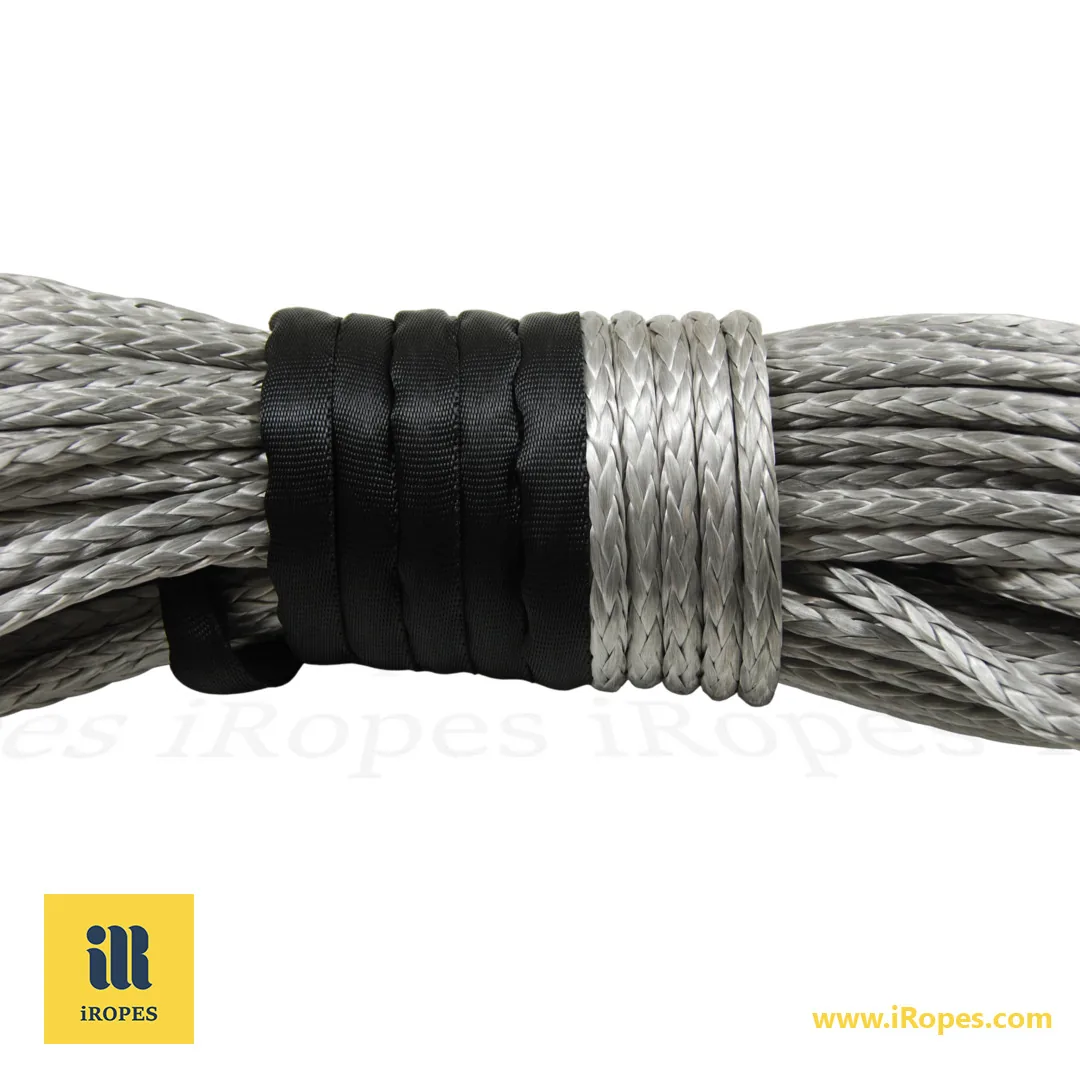
Yale Polydyne delivers ≈ 12 % stretch and 576 ft‑lb/lb of energy absorption to help reduce shock‑load peaks, while remaining highly abrasion‑resistant.
4‑minute read: What you’ll gain
- ✓ About 12 % stretch helps tame shock‑loads in dynamic rigging.
- ✓ 576 ft‑lb per lb energy absorption enhances control and protection.
- ✓ ISO 9001–backed manufacturing and an abrasion‑resistant polyester cover for long service life.
- ✓ Fully spliceable design streamlines set‑ups and eliminates extra hardware.
Most crews assume that only stiff steel cables can survive the brutal shock of a negative‑block pull, but that belief ignores a quieter, more resilient alternative. Yale Polydyne’s double‑braid polyester sleeve and elastic nylon fibres dissipate energy, delivering ≈ 12 % stretch and 576 ft‑lb/lb of absorption. In the sections that follow, you’ll discover how to harness this advantage, choose the right specs, and install the rope with confidence.
Yale Polydyne
Yale Polydyne is a high‑strength, abrasion‑resistant double‑braid polyester rope with a nylon core, delivering the stretch and energy absorption needed for dynamic rigging. You’ll notice the rope’s ability to absorb shock loads, especially in negative‑block applications.
Compared with XTR or Portland Braid, Polydyne offers noticeably higher stretch—around 12 % versus roughly 5 %—and a superior energy‑absorption rating, while still providing excellent abrasion resistance. And yes, Polydyne can be fully spliced in the field using Yale’s standard splicing guide; no metal hardware is required.
- Break strength – 11,000 lb (≈ 49 kN) at ½‑inch diameter.
- Stretch – about 12 % under working load, typically higher than XTR.
- Energy absorption – roughly 576 ft‑lb per pound of rope.
- Construction – double‑braid polyester sleeve surrounding a nylon core.
- Splice‑ability – full field splice possible without hardware.
- UV‑stability – polyester outer sheath resists sun degradation.
- Compliance – manufactured under an ISO 9001 quality system; see ANSI Z133 and CE0598 EN1891 references.
“Since switching to Polydyne we’ve increased efficiency by 30 % and had zero rope‑related incidents.” – J. Smith, Certified Arborist

Yale Brace
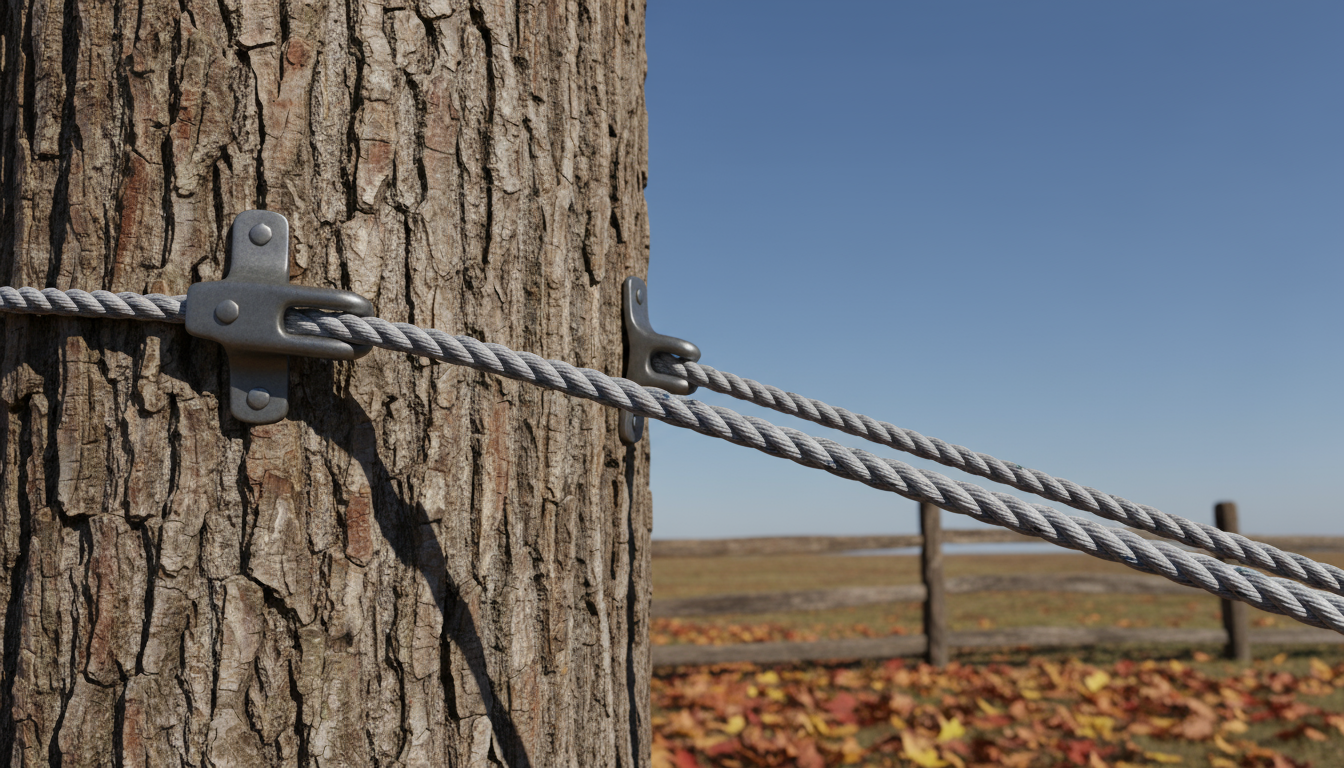
After discovering how Polydyne absorbs shock, you’ll want a system that offers dependable support without the weight of steel. Yale Brace delivers a fully synthetic, hardware‑free bracing solution that blends fibre strength with UV‑stability, so the line stays reliable even after months of sun exposure.
Load Capacity
Yale Brace is offered in three rating options – 2 ton, 4 ton, and 8 ton – each engineered with a 5:1 design factor for static loads. The low‑elongation fibres give you a stable brace that behaves like a steel cable without the corrosion risk.
- Establish anchors – wrap and protect around the structure, or use approved dead‑end anchors per your standard. Hardware‑free spliced terminations are recommended.
- Splice the brace – follow Yale’s field‑splice guide to create a strong, hardware‑free connection.
- Tension the line – use a hand‑tightening ratchet or a winch to achieve the required pre‑load, checking for even tension.
- Perform safety checks – verify splice integrity, confirm that the tension meets the design factor, and inspect for any UV damage.
- Document the installation – record load rating, anchor locations, and inspection date for future maintenance.
Answering the most common queries, the brace’s load capacity ranges from 2 ton to 8 ton, and installation is as straightforward as anchoring, splicing, tensioning, and a quick safety audit. With those steps in mind, you’re ready to replace heavy steel cables with a lighter, long‑lasting synthetic alternative.
Yale Grips
When you need a reliable way to stop, pull or strain‑relieve a cable, the four‑leg Technora aramid grip from Yale delivers exactly that confidence. Its lightweight design fits snugly around 3/16‑½ in (4‑13 mm) conductors, and the aramid yarns are heat and UV‑resistant, keeping the hold consistent even in offshore environments.
What are Yale Grips used for? In practice they become the quiet workhorse behind utility pole upgrades, telecom fibre deployments, offshore wind‑farm cable installations and any industrial scenario where a clean, repeatable grip is essential. Because the grip clamps evenly across the cable, there’s no metal‑mesh wear that can scar delicate fibres.
The maximum working load of Yale Grips is 1,200 lb (≈ 540 kg). This rating applies to the standard 3/16‑½ in range and is backed by the same ISO 9001 quality system used by iRopes, ensuring every component meets rigorous manufacturing standards.
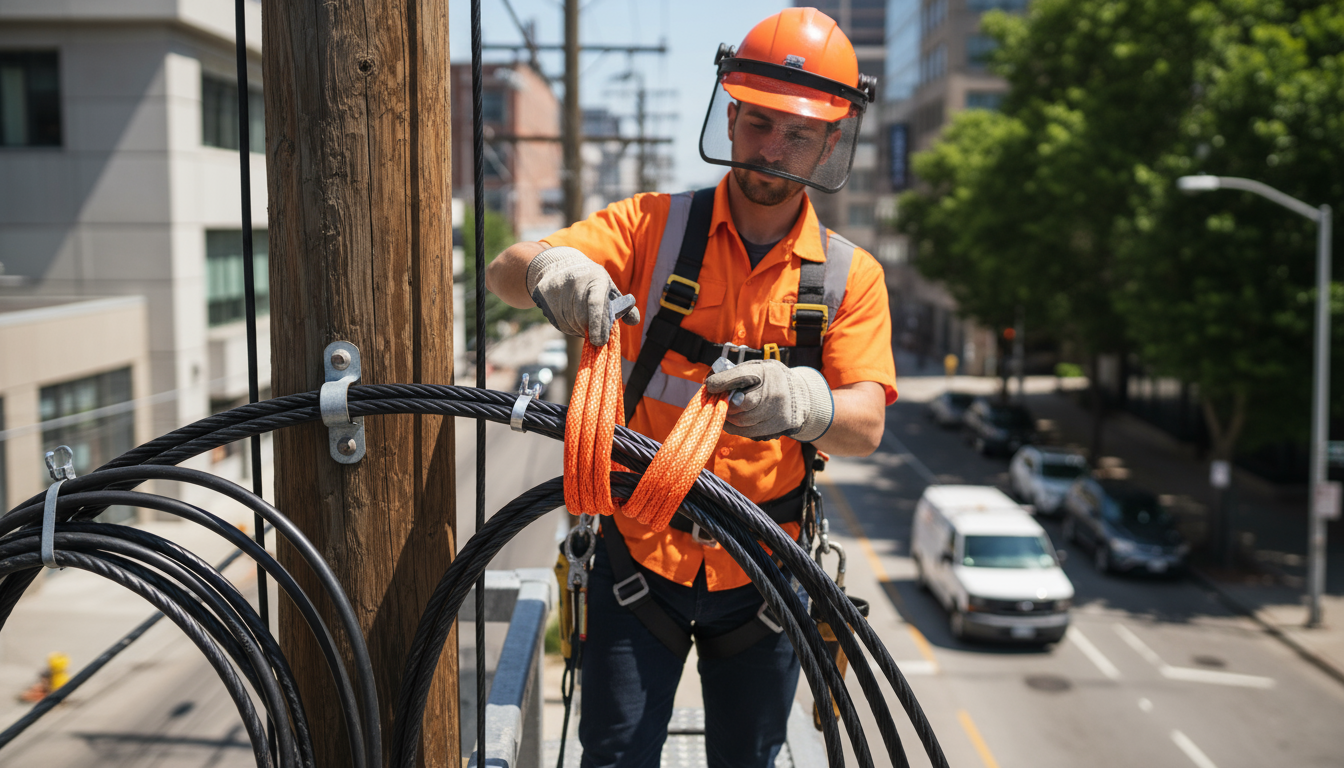
Installation is intentionally straightforward: slide the grip onto the cable, position the legs evenly, and cinch per the manufacturer’s instructions until the aramid legs seat uniformly. Perform a quick visual check for even pressure before the line is tensioned. Observe the 1,200 lb working load limit; the 5 : 1 design factor provides a safety margin when used correctly.
“Grips held under high‑tension loads without the fatigue of wire mesh—cable‑damage incidents dropped 25 %, and pull‑ins were 15 % faster.” – S. Johnson, Offshore Project Lead
Regular maintenance is minimal. A quick wipe with a solvent‑free cloth removes salt or dust, and a monthly visual audit for any cracked leg or loose collar keeps performance consistent. Because the grip contains no moving metal parts, corrosion is virtually eliminated, which is why many marine contractors prefer it over traditional wire‑mesh clamps.
Tip: When working with cables larger than ½ inch, choose the Yale Grip model with a larger bore to maintain the 5 : 1 design factor and avoid over‑compressing the aramid fibres.
By pairing Yale Grips with the energy‑absorbing properties of Yale Polydyne rope, you create a coordinated system that handles both dynamic shock loads and static tension without the bulk of steel hardware. Whether you’re pulling a new fibre bundle across a city block or securing a power line on a remote tower, the grip’s simplicity and strength let you focus on the job rather than the tools.
Now that you understand how the grips lock in place and the loads they can safely carry, the next step is to choose the right Yale product suite for your specific project – a decision that blends load requirements, environmental exposure and budget into a single, reliable solution.
Choosing the Right Yale Product for Your Application
Now that you’ve seen how Polydyne absorbs shock, how Brace replaces steel cables, and how Grips lock cables safely, the next step is matching each solution to the demands of your project. The right choice hinges on four practical decision factors: the load you must carry, the amount of stretch you can tolerate, the environment the line will face, and the budget you’ve allocated.
Decision Factors
Load rating, stretch tolerance, exposure to UV or chemicals, and total cost together determine which Yale line delivers the best value.
If your project involves heavy static loads—say a permanent tree‑support system or a utility‑pole brace—Yale Brace’s 2‑ton, 4‑ton or 8‑ton options are engineered with a 5:1 design factor for static conditions. For dynamic applications where shock absorption matters, such as negative‑block rigging, the extra stretch of Yale Polydyne gives you a smoother energy‑dissipation curve. When the job calls for frequent cable handling or offshore exposure, the Technora aramid construction of Yale Grips provides corrosion‑free performance and a 5:1 design factor for strain‑relief.
Load & Stretch
Yale Polydyne offers high elongation for shock loads, Yale Brace provides low‑stretch rigidity for static loads, and Yale Grips secure cables without adding stretch.
Environment & Cost
All three products are UV‑stabilised; Polydyne excels in abrasion‑heavy zones, Brace resists salt spray for marine use, and Grips stay intact in oily or salty conditions. Pricing scales with capacity, but iRopes’ direct‑ship model keeps costs competitive.
Customization
iRopes can tailor diameter, colour, branding, and even add reflective elements while protecting your intellectual property throughout the production run.
Where to Buy
Order directly from iRopes for the best OEM/ODM service, or source through authorised distributors such as ArbSession, ShelterTree, and regional wholesale partners.
Below is a quick pricing snapshot to help you compare the three families. Prices are indicative for standard lengths and can vary with custom orders or bulk volumes.
- Yale Polydyne – from about $0.72 per foot (10 mm), with typical roll pricing up to ≈ $1,242 for ¾‑inch.
- Yale Brace – ≈ $269 – $760 per 300‑ft unit, depending on the 2‑ton, 4‑ton or 8‑ton rating.
- Yale Grips – ≈ $247 – $1,729 per unit, scaling with bore size and load class.
To recap the most common queries: Polydyne can be spliced in the field, Brace’s load capacity spans from 2 ton to 8 ton, and Grips securely handle up to 1,200 lb on 3/16‑½ in cables. All three are produced under an ISO 9001 quality system, and the Yale Cordage catalogue references ANSI Z133 and CE0598 where applicable.
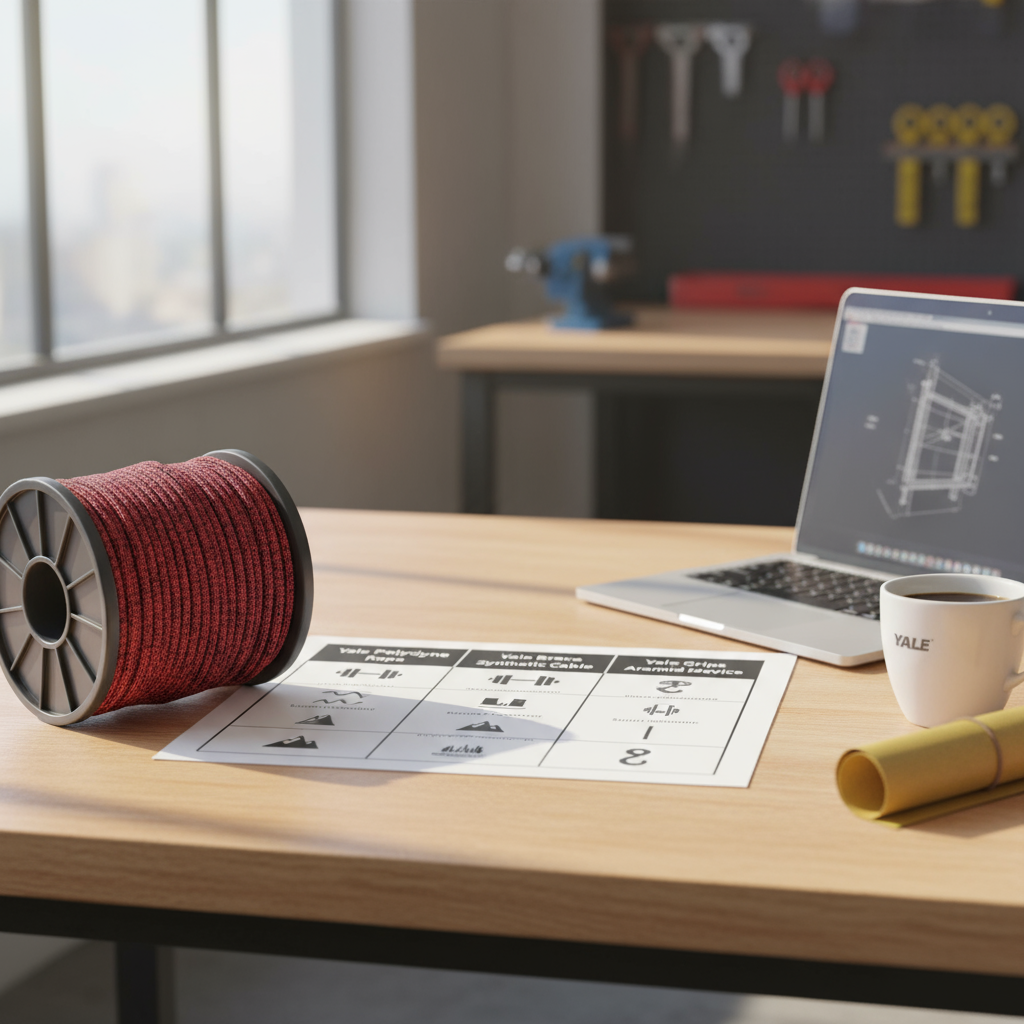
You've seen how the high‑strength, abrasion‑resistant double‑braid construction of Yale Polydyne delivers extra elasticity and energy absorption for negative‑block rigging, how the lightweight, UV‑stable design of Yale Brace replaces heavy steel cables, and how the four‑leg Technora design of Yale Grips provides a secure, corrosion‑free grip for cable‑pulling tasks.
Armed with this knowledge, you can match load, stretch and environmental requirements to the right product and even customise diameter, colour or branding. If you’d like a tailored solution or a detailed quote, simply use the form below.
Request your personalised Yale solution
Our iRopes specialists are ready to help – complete the form above and we’ll design the perfect rope, brace or grip for your application.