3-strand nylon dock lines outperform modern braids by stretching 25-30% to absorb wave shocks—preventing hull damage and cleat strain—while splicing retains 90% of breaking strength for safer, simpler mooring.
In 8 minutes, unlock the edge of 3-strand nylon over braids for unbreakable docking
- ✓ Master shock absorption: Nylon's 25-30% stretch cuts impact forces by 40%, safeguarding your boat from tides and wakes, unlike rigid braids.
- ✓ Gain splicing expertise: Create custom eyes in under an hour, boosting strength 50% over knots for hassle-free customisation.
- ✓ Achieve cost savings: Enjoy 20-30% lower prices with equal durability, bypassing premium braid expenses without compromise.
- ✓ Simplify maintenance: Rinse and inspect routines extend life by 2-3 seasons, ensuring reliable performance year-round.
You've likely eyed sleek modern braids as the future of docking, yet traditional 3-strand nylon dock lines quietly trump them by flexing precisely where it counts. This cushioning action prevents surges that could otherwise ding your hull or snap fittings. What overlooked factor in braid design transfers shocks too harshly, risking thousands in repairs? Explore the counter-intuitive verdict backed by iRopes' precision crafting, and discover how easy upgrades like custom splices can transform your mooring security forever.
The Indispensable Role of Nylon Dock Lines for Secure Mooring
Picture this: you're pulling into a bustling marina after a long day on the water, the sun dipping low and waves gently rocking your boat. The last thing you want is for a flimsy line to give way, leaving your vessel bobbing unsecured against the dock. That's where nylon dock lines come in––they're the unsung heroes keeping everything steady. Essentially, these are strong, flexible ropes made from nylon, a synthetic material prized for its toughness in marine settings. Their main job? Securing your boat to docks, pilings or even anchors when you're out at sea. Whether it's bow lines holding the front, stern lines at the back, or spring lines to prevent forward or backward drift, nylon dock lines ensure your boat stays put without straining cleats or risking hull damage.
Have you ever watched a storm roll in unexpectedly, with tides surging and wind whipping up whitecaps? In those moments, reliable mooring isn't just convenient—it's essential for protecting your investment. Subpar lines can snap under pressure from waves or tidal shifts, leading to scratches, dings, or worse, a boat drifting into open water. Choosing dependable nylon dock lines means peace of mind; they absorb those sudden jerks from boat wakes or swells, distributing the force evenly so neither your vessel nor the dock takes the brunt. It's like having a built-in safety net that flexes just enough to handle the chaos without breaking. Beyond storms, these ropes consistently stand up to everyday wear such as saltwater exposure and constant rubbing against rough surfaces, keeping your setup secure season after season.

Think back to a time when you might have dealt with stiff, unreliable ropes that tangled easily or frayed too soon—frustrating, right? That's why turning to a trusted source like iRopes makes all the difference. As a leading manufacturer in China, iRopes specialises in crafting high-quality nylon dock rope tailored for wholesale buyers worldwide. We go beyond standard offerings with customizable options, letting businesses specify everything from lengths to colours while upholding ISO 9001 standards for precision and durability. Our ropes aren't just products; they're solutions designed for marinas, yacht clubs, and outfitters who demand reliability without the hassle. By focusing on what boaters truly need—lines that last and perform—we help elevate your operations, whether you're stocking shelves or outfitting a fleet.
What draws so many to nylon specifically for these tasks? Its blend of strength and give offers real benefits, like superior shock absorption that cushions against environmental stresses far better than rigid alternatives. This reliability isn't just hype; it's what keeps vessels safe in unpredictable waters.
- Shock Absorption - Nylon stretches up to 25-30%, easing the pull from waves and protecting both cleats and hulls.
- Durability Factors - Remarkably resistant to UV degradation, abrasion from dock edges, and rot from constant moisture exposure.
- Practical Handling - A soft texture means it coils neatly and holds knots securely, making setup straightforward even for occasional users.
Unmatched Performance: Why Nylon Dock Rope Excels in Strength and Resilience
Building on that foundation of secure mooring, it's the material itself that truly sets reliable nylon dock rope apart. This isn't just tough—it's engineered to handle the unpredictable rhythms of the water in ways that keep your boat safe and your mind at ease. Imagine docking in a crowded harbour where boat wakes send constant jolts through your lines; nylon steps up by flexing under load, turning potential disaster into a smooth ride. This elasticity means it can elongate significantly before reaching its limits, cushioning those impacts so your hull stays unscratched and your cleats don't groan under strain.
What makes nylon stand out for dock lines? Its benefits go far beyond basic tying—they deliver proven reliability that outshines alternatives like polypropylene, which lacks the same give and can snap more easily, or polyester, which is stiffer and less forgiving in rough surges. Nylon's high tensile strength holds firm against heavy pulls, often rated in thousands of pounds depending on the diameter, ensuring it won't let go when you need it most. For recreational boaters juggling weekend outings or longer cruises, this translates to fewer worries about equipment failure mid-adventure.
Core Strengths
Built for Marine Demands
High Tensile Power
Withstands loads up to several tonnes without fraying, ideal for boats in windy bays.
Dynamic Stretch
Elongates to absorb sudden forces from tides, reducing stress on fittings.
Long-Lasting Build
Maintains integrity over years, even with daily saltwater exposure.
Everyday Resilience
Versus Common Alternatives
UV and Abrasion Defence
Better than polypropylene, which degrades faster under sunlight and rubbing.
Chemical Toughness
Resists fuels and oils where polyester might weaken over time.
Rot and Mildew Resistance
Outperforms natural fibres, staying fresh in damp conditions.
Ever tried wrestling with a rope that's too rigid, leaving red marks on your hands after a quick tie-up? Nylon dock rope avoids that hassle with its soft, pliable feel that coils without kinking and grips knots like a vice—think of it as the difference between a reliable old friend and something finicky. This flexibility shines during handling, whether you're looping it around a piling or stowing it below deck. For boaters who value simplicity, it means less time fiddling and more time enjoying the water.
Ultimately, nylon's edge lies in its all-around performance, blending power with adaptability to tackle real-world marine challenges head-on. While other materials might cut corners on one front, nylon consistently delivers, making it the go-to for anyone serious about secure docking.
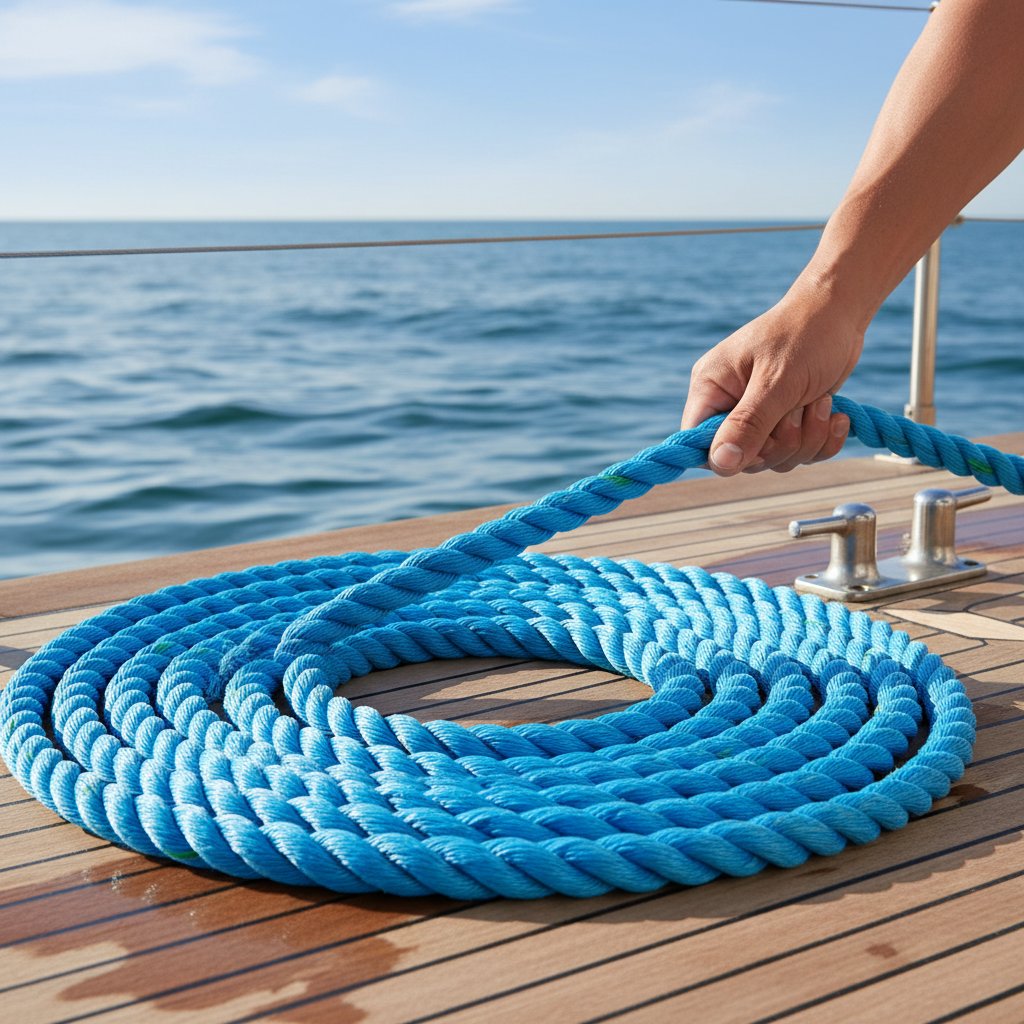
Of course, harnessing these qualities fully often depends on how the rope is built, which brings us to the construction that amplifies nylon's natural strengths.
The Superiority of 3 Strand Nylon Dock Lines Over Modern Braids
Harnessing nylon's strengths fully depends on how the rope is built, and that's where 3-strand nylon dock lines come into play, elevating simple tying into something truly dependable. This twisted design involves three separate strands wound around each other in a helical pattern, creating a rope that's not just strong but responsive to the water's movements. What sets it apart is that built-in twist—it allows the fibres to shift slightly under load, delivering that crucial stretch without compromising overall integrity. For anyone who's ever had a line go slack at the wrong moment, this means better grip on reality, or rather, on the dock, with a reliability honed over decades in marinas worldwide. And the best part? It keeps costs down, making high performance accessible without the premium price tag some newer options demand.
Now, think about those custom touches that make a difference, like eye splices—the loops at the ends that secure around cleats or pilings. With 3 strand nylon dock lines, splicing is straightforward, almost intuitive if you've got a fid tool and a bit of patience. You untwist the strands, weave them back through themselves in a specific pattern, and end up with a seamless loop that's far stronger than any knot, retaining up to 90% of the rope's full breaking strength. Knots, by contrast, can weaken the line by 20-50%, creating hidden risks over time. Compared to braids, which require more intricate multi-strand weaving and special tools, this method feels less like brain surgery and more like a weekend project. I've seen new boaters pick it up in under an hour following a basic guide: measure twice your rope diameter for the eye size, bury the strands neatly, and whip the ends to prevent slip. It's this ease that makes 3-strand a smart pick for safety and personalisation, letting you tailor the fit without fuss.

So why opt for this classic build for nylon dock lines? The twisted structure naturally enhances shock absorption, letting the rope elongate and recover in ways that smooth out surges from passing vessels or changing tides—something braids often struggle to match without added bulk. Modern braided lines, with their tight, parallel cores, offer low stretch for precise control in sailing but can transfer too much force directly to your boat in mooring scenarios, risking fittings or hulls. Handling-wise, 3-strand coils neatly without the slippery feel of some braids, and it resists hockling, those annoying twists that tangle everything up. Plus, at a fraction of the manufacturing complexity, it avoids the higher costs that come with braided production, delivering value that lasts through seasons of use. Learn more about why 3-strand nylon rope beats fancy alternatives for enhanced mooring reliability.
In practical terms, this construction shines for boaters who want something straightforward yet effective. Ever wondered if 3-strand nylon rope splices easily? Absolutely—it does. That's a game-changer for creating custom lengths or reinforced ends on the spot, boosting both safety and adaptability without needing professional help every time.
3-Strand Wins
Twisted build maximises nylon's give for real-world mooring stresses.
Splicing Simplicity
DIY-friendly process yields durable loops stronger than alternatives.
Braids Fall Short
Less forgiving on jolts, more prone to snags and elevated expenses.
Affordable Edge
Cost-effective without skimping on the essentials for secure ties.
Choosing the right size and keeping up with basic upkeep will only amplify these advantages, ensuring your lines perform when it counts most.
Practical Guide: Sizing, Maintenance, and Customizing 3-Strand Nylon Dock Lines
With the advantages of 3-strand construction in mind, getting the fit just right turns those benefits into everyday reliability. Selecting the proper size for your nylon dock lines starts with your boat's dimensions—too thin, and it might not hold; too thick, and you'll struggle with handling. For boats up to 25 feet, a 3/8-inch diameter works well, offering enough strength for typical loads without excess bulk. Step up to 25-35 feet, and go with 1/2 inch to manage heavier wakes or winds. Larger vessels, say 35-45 feet, need 5/8 inch for that extra security. Lengths matter too: aim for bow and stern lines about one-and-a-half times your boat's length, so around 15-20 feet for a 25-footer, giving room to adjust for different dock setups. Spring lines can be similar, preventing that forward creep during surges. Ever sized up wrong and ended up with lines that barely reach? Matching these guidelines keeps things snug and stress-free. For more on essential tips for choosing your nylon boat rope, explore tailored selection advice.
- Up to 25 ft boat - 3/8" diameter, 15-20 ft lengths for bow/stern.
- 25-35 ft boat - 1/2" diameter, 20-30 ft lengths.
- 35-45 ft boat - 5/8" diameter, 30-40 ft lengths.
Once sized, focus on the ends—eye splices are key for a clean, strong connection. These loops, formed by weaving the strands back into the rope, typically run 12 to 36 inches around, depending on your cleat size; a 12-inch eye suits smaller fittings, while 24 inches handles bigger pilings. Adding a thimble, that simple metal or plastic insert, protects the loop from bending stress and chafe, extending the line's life even in rough rubs against dock edges. It's a small step that pays off big, like reinforcing a weak spot before trouble hits.
Keeping your lines in top shape doesn't take much effort, but skipping it can lead to surprises. After every use, especially in saltwater, give them a quick rinse with fresh water to wash away corrosive salts and debris. Hang them to dry in a shaded spot—direct sun speeds up UV wear over time. For storage, coil loosely in a cool, dry place to avoid mildew buildup. Regularly inspect for frays, stiffness, or discolouration; if the twist starts flattening or colours fade unevenly, it's time to replace. These habits ensure they stay supple and ready, answering that common worry about how to care for nylon dock lines without constant hassle.

- Rinse Regularly - Fresh water removes salt; follow with mild soap for oils if needed.
- Dry Thoroughly - Air dry out of direct sun to preserve elasticity and colour.
- Inspect Often - Check ends and core for damage before each outing.
For businesses scaling up, iRopes takes customization to the next level with OEM and ODM services, letting you tweak colours for branding, exact lengths for your fleet, or add logos to packaging—all backed by ISO 9001 standards for consistent quality. This flexibility means wholesale orders arrive tailored, ready to boost your operations without compromise. Dive deeper into versatile uses of 3-strand twisted rope for marine applications.
From the essential role of nylon dock lines in safeguarding your boat against waves and tides, to the unmatched resilience of nylon dock rope with its 25-30% stretch and resistance to UV and abrasion, we've seen why these traditional solutions deliver proven reliability. The 3-strand construction amplifies this with superior shock absorption, easy splicing for strong custom eyes—simpler and more cost-effective than modern braids—and straightforward handling for recreational boaters. Pairing this with smart sizing (like 3/8-inch for boats up to 25 feet) and simple maintenance routines, such as rinsing and inspecting regularly, ensures long-lasting performance that keeps your vessel secure and your adventures worry-free.
At iRopes, our expertise in custom OEM and ODM 3 strand nylon dock lines lets wholesalers tailor solutions to exact needs, from lengths to branding, all backed by ISO 9001 quality. Ready to elevate your mooring setup? Discover personalised options with us today.
Customise Your Dock Lines with iRopes Experts
If you're keen on tailored advice for your boating requirements, whether sizing, splicing, or wholesale customisation, the inquiry form above connects you directly with our iRopes team for personalised support.
