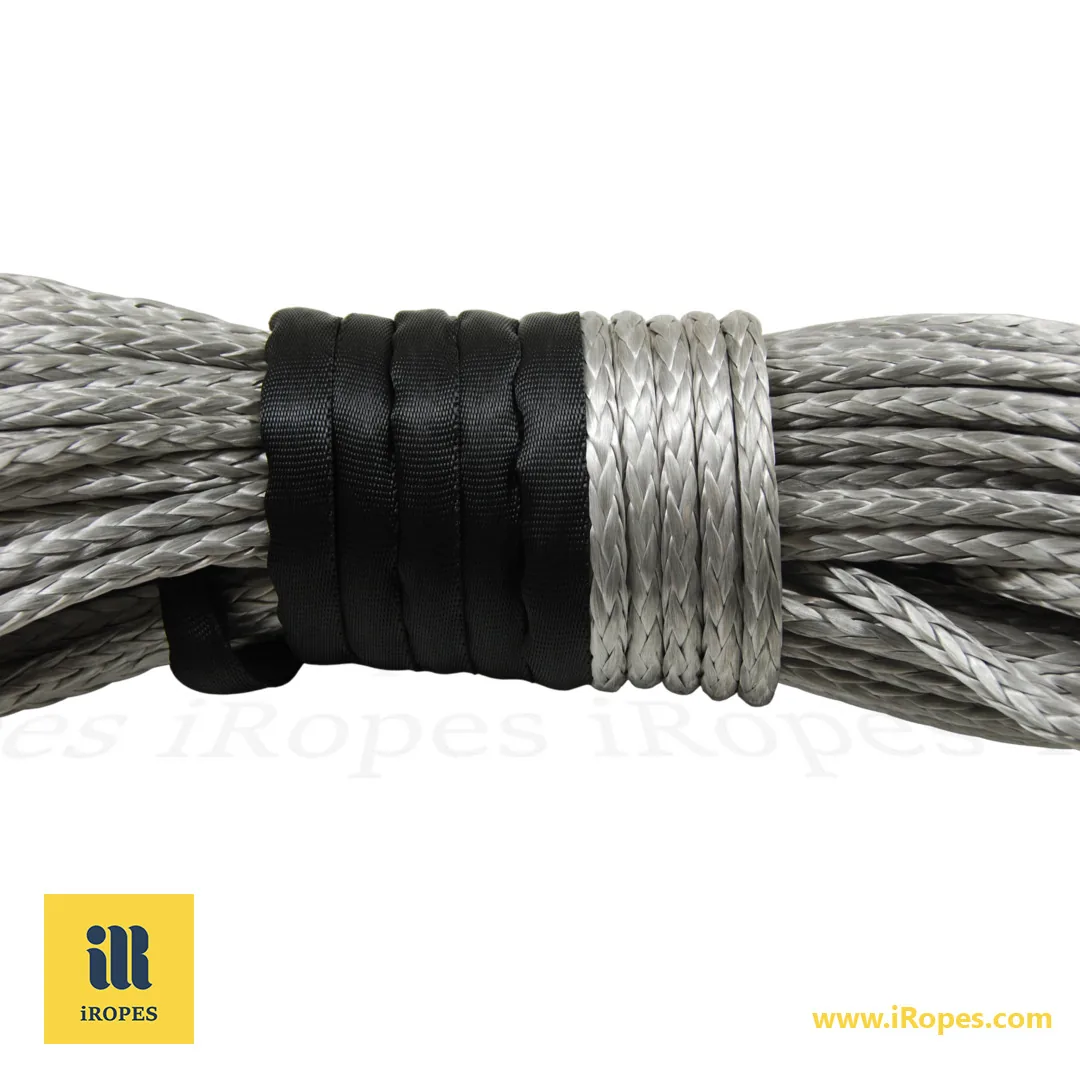
90% of boaters compromise safety by picking the wrong marine anchor rope, often ignoring nylon's 30% superior shock absorption that prevents dragging in swells. Discover how to select the right anchor line—saving your vessel from disaster in under 3 minutes.
Unlock Safe Anchoring: Key Wins in ~10 Minutes Read →
- ✓ Master material choices like nylon's edge over polyester, boosting holding power by 25% in rough seas for worry-free nights aboard.
- ✓ Nail sizing rules—1/8-inch per 9 feet of boat length—to avoid snaps that 70% of users overlook, ensuring gear lasts 2x longer.
- ✓ Integrate chain and accessories seamlessly, slashing chafe risks by 40% while customising via iRopes for your exact vessel needs.
- ✓ Gain maintenance hacks that extend rope life up to 5 seasons, turning costly replacements into rare hassles.
You've felt that gut-twist when your anchor drags in a sudden squall, haven't you? Most blame the seabed or the wind, but the real culprit often hides in mismatched rope—stiff lines that transfer brutal shocks straight to your fittings. What if one overlooked material swap could triple your setup's forgiveness, while iRopes' custom tweaks make it unbreakable for your boat? Dive in to uncover the precise picks that turn anchoring anxiety into effortless security.
The Foundation of Secure Anchoring: Understanding Marine Anchor Rope Basics
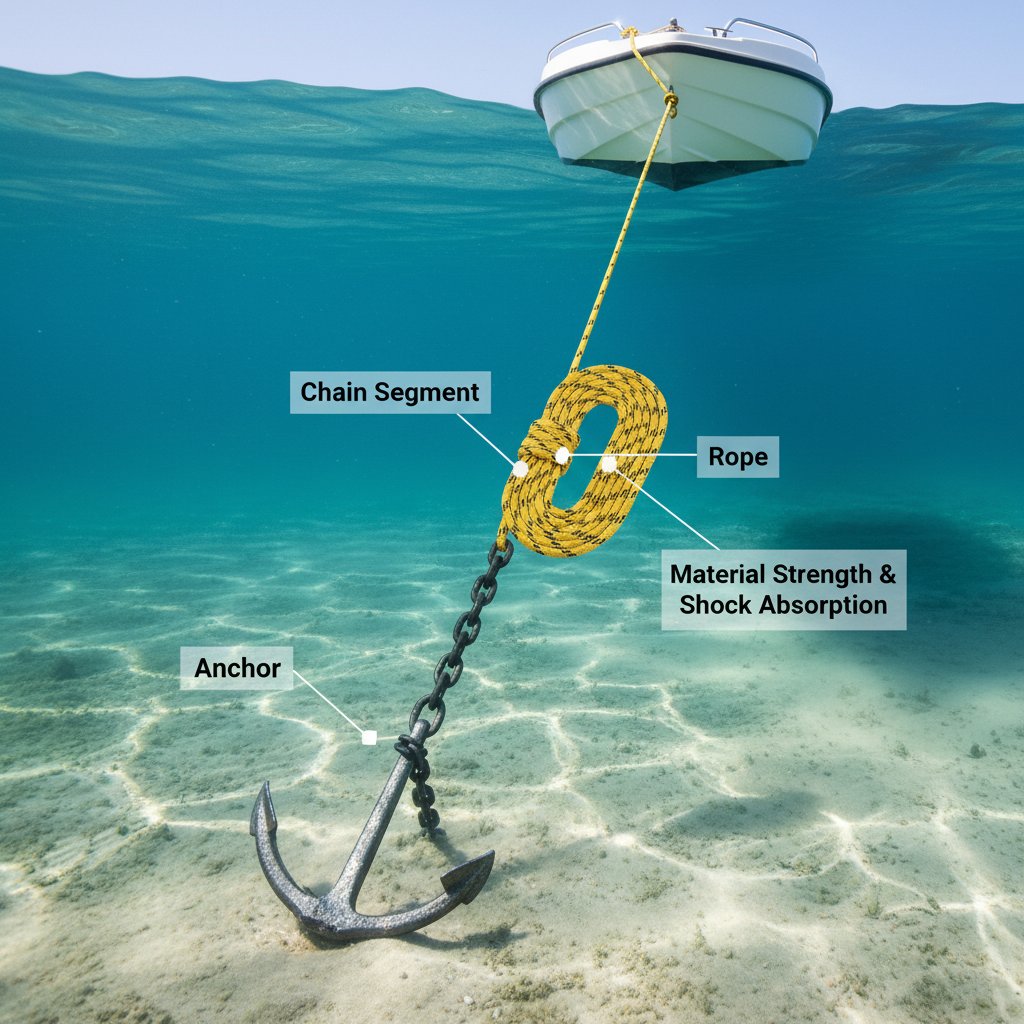
Imagine heading out on the water, the sun dipping low, and suddenly your boat starts drifting because the anchor won't hold. That's a nightmare no boater wants, yet it's all too common when the basics of anchoring get overlooked. At its core, a marine anchor rope, often called the anchor line, forms a vital part of what's known as the anchor rode—the entire setup that keeps your vessel secure. The rode isn't just one piece; it's a system working together: the anchor itself buries into the seabed, a length of chain adds weight and protection, and the rope provides the flexible connection back to your boat.
To picture it simply, think of the rode like a team's relay race. The anchor is the sprinter hitting the mark, the chain is the baton ensuring a smooth handoff by resisting abrasion from the bottom, and the marine anchor line is the long-distance runner, stretching just enough to absorb waves and wind without snapping. Without this balance, your boat could drag, putting lives and gear at risk.
- Anchor - The hook or fluke that digs into mud, sand, or rock to hold position.
- Chain - Typically 10 to 20 feet long, it lowers the anchor's pull angle for better bite and shields the rope from seabed wear.
- Rope (Marine Anchor Line) - The main line, usually nylon for its give, extending from the chain to your bow cleat.
Why does a reliable marine anchor rope matter so much for safety? It all comes down to handling the unpredictable forces of water and weather. Many boaters assume any strong line will do, but that's a misconception. Ropes without enough elasticity can fail under sudden jerks from swells, leading to parted lines or dragging anchors. Instead, the key is scope, which is the ratio of rode length to water depth. For rope-heavy setups, a 7:1 scope means paying out seven feet of line for every one foot of depth, allowing the angle to flatten and the anchor to set properly. I've seen friends ignore this on a windy day, only to spend hours resetting because their line was too short and taut.
Now, don't confuse your anchor line marine with other boating ropes like dock lines or halyards. Dock lines need stiffness to resist constant tension, while halyards hoist sails and demand low stretch to maintain shape. Anchor lines, though, prioritise forgiveness—that ability to stretch up to 30% under load and snap back without breaking. Choosing wrong, such as a stiff polypropylene for anchoring, might save money upfront but risks failure in storms where dragging can mean collision or grounding. Proper selection matches the rope's traits to conditions like tidal swings or rough seabeds, preventing those heart-pounding moments when your boat slips free.
Getting these fundamentals right sets you up for confident anchoring, but the real performance hinges on what the rope is made from—materials that stand up to salt, sun, and strain.
Choosing the Right Material: Key Options for Marine Anchor Line
Building on those core ideas, the material you pick for your anchor line marine setup determines how well it absorbs the relentless tug of waves and wind. Saltwater and sun can wear down even the toughest lines, so selecting the right one isn't just about strength—it's about matching the rope's traits to the unpredictable sea. Let's break down the main options, starting with why nylon often comes out on top for most boaters.
Nylon stands as the go-to choice for marine anchor lines because of its remarkable ability to stretch under pressure, soaking up shocks from sudden gusts or swells without parting. This elasticity—up to three times its length before breaking—means it acts like a built-in bumper, reducing stress on your anchor and boat fittings. I've anchored in choppy bays where a less forgiving line might have snapped after a big roller hit, but nylon just flexed and held firm. It's also strong, with good resistance to abrasion and UV rays, though it does absorb some water, causing it to sink for easier handling. For everyday anchoring on recreational boats, this balance makes nylon the best rope for an anchor line, especially in varied conditions.
That said, not every material fits every need. Polyester offers solid UV resistance and doesn't stretch as much as nylon, which is great for dock lines where you want minimal give to keep things taut. But for anchors, that low stretch can transfer too much force directly to your gear, risking failure in rough water. It's durable against chafe and holds knots well, yet it lacks the forgiveness that nylon provides during those stormy nights.
Polypropylene, on the other hand, floats, which appeals if you worry about losing line over the side, and it's inexpensive. However, it degrades quickly under sunlight and has lower overall strength, making it unsuitable for primary anchor duties where reliability counts. It's better for temporary markers or light tasks, not the heavy lifting of holding your vessel steady.
Then there's Dyneema, a high-tech synthetic that's incredibly strong and lightweight with almost no stretch—perfect for racing sails or extreme conditions. It resists rot and chemicals beautifully, but its high cost and minimal elasticity make it overkill for standard anchoring. It shines more in specialized setups like long-distance cruising where weight savings matter.
Everyday Anchors
Practical Choices
Nylon
High stretch for shock absorption, strong tensile up to 4,000 lbs in 3/8-inch, moderate cost; ideal for most boats but soaks water.
Polyester
Low stretch, excellent UV and abrasion resistance, similar strength to nylon; better for steady tension but less forgiving on waves.
Polypropylene
Floats, very affordable, decent wet strength; poor UV durability and lower load capacity make it risky for anchors.
Advanced Options
Specialised Use
Dyneema
Ultra-high strength with low stretch, lightweight and rot-proof; premium price suits high-performance but not typical shock loads.
When wondering what type of rope is best for marine use, it boils down to your scenario. Nylon excels for anchors thanks to its shock-handling prowess, while other materials fill niches like floating alerts or rigid rigging. Ever tried deploying in a squall and felt the line go rigid? That's why prioritising elasticity here can save your outing. With the material sorted, how that line is built—twisted or braided—will fine-tune its feel and lasting power in the salt.
Construction and Sizing Essentials for Anchor Line Marine Applications
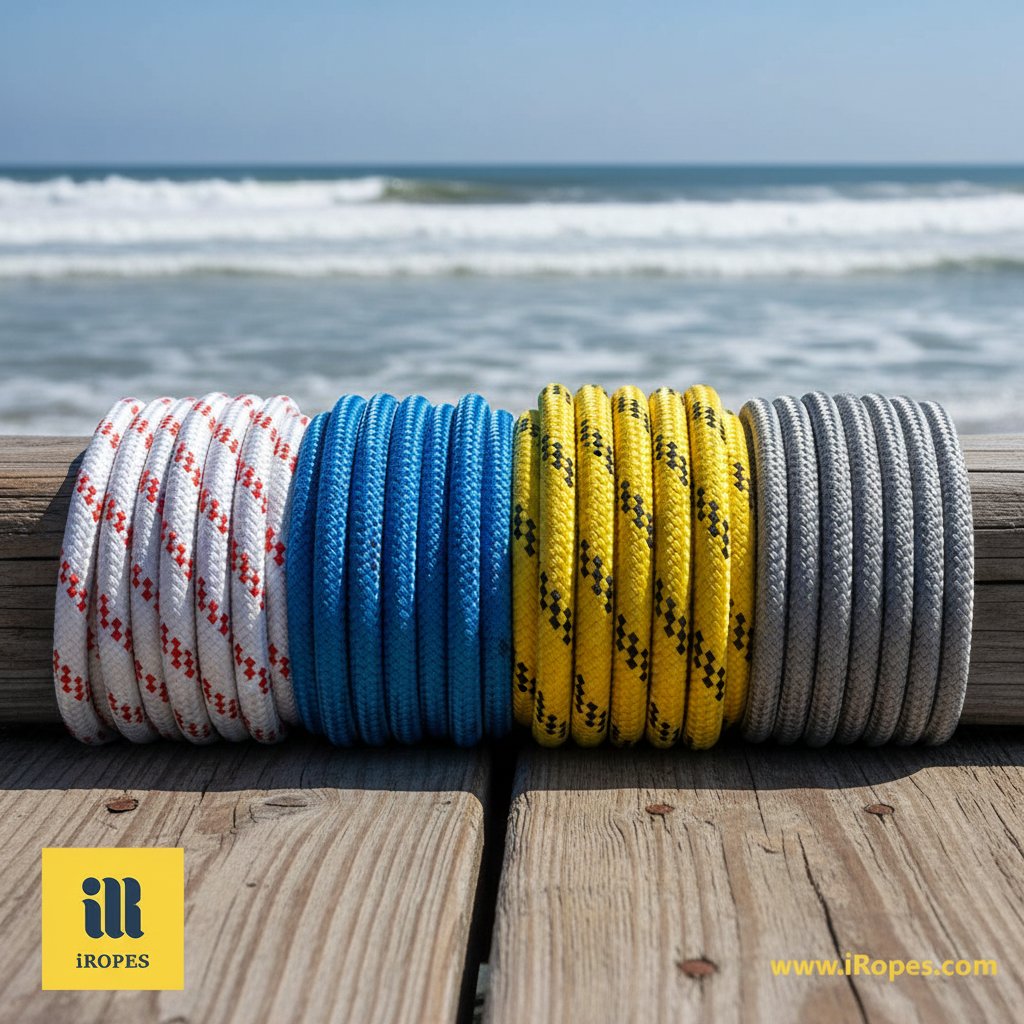
Once you've nailed down the material like nylon for your anchor line marine needs, the way it's constructed makes all the difference in how it performs on the water. Twisted or braided? Each style brings its own strengths to handling the twists and turns of anchoring. Let's unpack this so you can pick what suits your setup best.
Three-strand twisted rope, where fibres wind around each other in a simple spiral, offers that extra give you're after in rough conditions. It's more elastic than braided options, which helps it stretch and recover without losing shape—perfect for absorbing those sudden pulls from waves. Picture deploying in a building breeze; the twist allows the line to elongate slightly, easing the load on your anchor. On the flip side, it can kink if not coiled right, a hassle when you're rushing to set up. However, for budget-conscious boaters, it's straightforward to splice and repair yourself, keeping things practical.
Double-braided construction, with an outer jacket woven over a core, feels smoother in your hands and resists tangling like a pro. This setup shines in flexibility for elite handling and running through a windlass or store without frustration. It holds up well against repeated bending, which is key for frequent anchoring spots with rocky bottoms. The downside? It costs a bit more and might need a professional for splicing, but that durability pays off over time. If you're hauling gear often, this is the one that won't fight you every step.
Three-Strand Twisted
Elastic for shock loads, affordable and splice-friendly; suits calm to moderate waters but watch for hocks.
Double-Braided
Flexible and kink-resistant, handles heavy use smoothly; ideal for active boaters despite higher price.
Elasticity Focus
Twisted ropes stretch more, cushioning jerks; braided ones stay firm for precise control.
Handling Edge
Braided glides through gear effortlessly; twisted needs careful storage to avoid snarls.
Matching construction to your style is half the battle, but sizing your marine anchor line correctly seals the deal for safe holds. Start with diameter: a reliable rule is 1/8 inch for every 9 feet of your boat's length. For a 20-foot vessel, that lands on about 3/8 inch—strong enough for typical loads without excess bulk. Too thin, and it risks snapping under strain; too thick, and you're lugging unnecessary weight.
Length ties into scope, that payout ratio we touched on earlier. Aim for 7:1 with mostly rope. So in 10 feet of water, you'd need 70 feet of line. For your 20-footer, carry at least 150 feet total rode to cover deeper spots or gusts. So, what is the best rope for an anchor line? It boils down to pairing nylon's forgiveness with double-braided for everyday ease or twisted for cost savings, scaled right to your boat. I once skimped on length during a trip and watched my setup pull tight in a tide shift—lesson learned the hard way.
Have you measured yours lately? Getting this dialled in prevents those tense moments when everything's riding on a good set.

With the right build and measurements in place, layering on chain brings the whole system together for unbeatable grip.
Building the Complete System: Chain, Accessories, and Customisation for Marine Anchor Rope
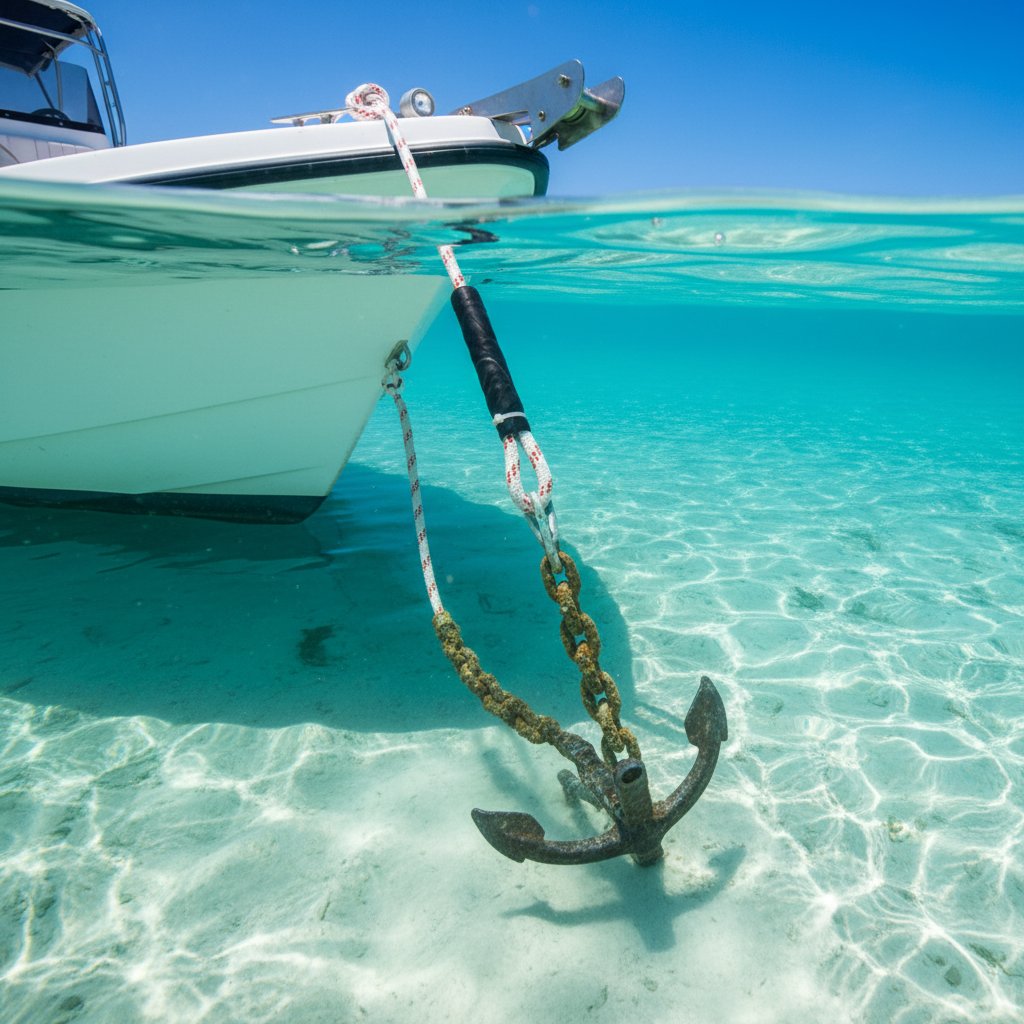
That unbeatable grip from proper construction and sizing really comes alive when you add the chain and supporting pieces to your setup. Think of the chain as the heavy lifter in your anchor rode—it drops straight down to keep the pull angle low, helping the anchor dig in deep without the rope taking all the abuse from the seabed. Without it, your line could fray against rocks or coral before you even feel the strain up top.
For most setups, match the chain length to your boat's size; if you've got a 25-footer, go with about 25 feet of chain. This isn't arbitrary—it's enough weight to promote a horizontal pull for better holding power, especially in sand or mud. Connecting it all starts with solid hardware: use a galvanised or stainless steel shackle to link the chain to the anchor, and slip a thimble into the rope's eye splice where it meets the chain. That thimble, basically a metal loop, prevents the rope from crushing under tension and wearing thin over time. And don't skip chafe protection—wrap the spot where the rode rubs against your bow roller with heavy-duty tubing or leather guards to fend off abrasion from constant motion.
Ever lost sleep over whether your gear will hold through a night of swells? The right accessories make a world of difference. Beyond basics like swivels to stop twisting under load, consider a snubber—a short nylon line that adds extra stretch between the rode and your cleat. It takes the edge off those sharp yanks, protecting both your deck fittings and the main line.
To keep everything lasting season after season, focus on maintenance that tackles the sea's toughest challenges. Rinse your rode with fresh water after every use to wash away salt crystals that corrode fibres and hardware alike. Check for UV damage—faded colours or brittle spots mean it's time for replacement, as sunlight breaks down synthetics over months of exposure. For abrasion, inspect high-friction areas like splices monthly; a quick visual can catch frays before they worsen. Store it coiled loosely in a dry spot away from direct sun, and avoid tight figure-eights that trap moisture and invite rot. How often do you give yours this once-over? Simple habits like these can double the lifespan, turning a seasonal purchase into years of dependable service.
- UV Check - Look for stiffening or colour loss; cover unused line to slow degradation.
- Abrasion Inspection - Feel for rough patches near connections and reinforce as needed.
- Saltwater Rinse - Soak in mild soap quarterly to remove buildup without harsh chemicals.
If off-the-shelf options don't quite fit your needs, that's where tailored solutions shine for serious boaters or outfitters. At iRopes, we specialise in crafting marine anchor ropes just for you, blending OEM and ODM expertise to match exact specs like custom diameters or lengths. Our ISO 9001-certified process ensures every strand meets high standards, with extras like reflective strips woven in for low-light visibility during night anchoring. Wholesale partners love how we protect your designs through full IP safeguards, plus options for branded packaging that arrives ready to resell. Whether you're kitting out a fleet or refining a single setup, these personalised touches mean safer, more efficient outings without compromise.
Armed with these insights on marine anchor rope selection, you're now equipped to sidestep the common pitfalls that leave 90% of boaters adrift in risky situations. Prioritising nylon for its superior shock absorption in the marine anchor line, paired with double-braided construction and precise sizing—1/8 inch diameter per 9 feet of vessel length, plus a 7:1 scope—ensures reliable holds in varying conditions. Integrating chain equal to your boat size, thimbles for secure connections, and chafe guards completes a robust anchor rode system tailored to marine demands, enhancing safety and performance on the water.
For anchor line marine applications, regular maintenance against UV and abrasion extends lifespan, but custom solutions elevate your setup further. Partnering with experts like iRopes opens doors to OEM/ODM ropes featuring reflective elements and branded packaging, perfectly matched to your vessel's needs.
Need Tailored Advice for Your Anchor Rode?
If you're keen to apply these tips to your specific boating scenario or explore custom marine anchor rope options, the inquiry form above connects you directly with iRopes specialists for personalised guidance and wholesale solutions.