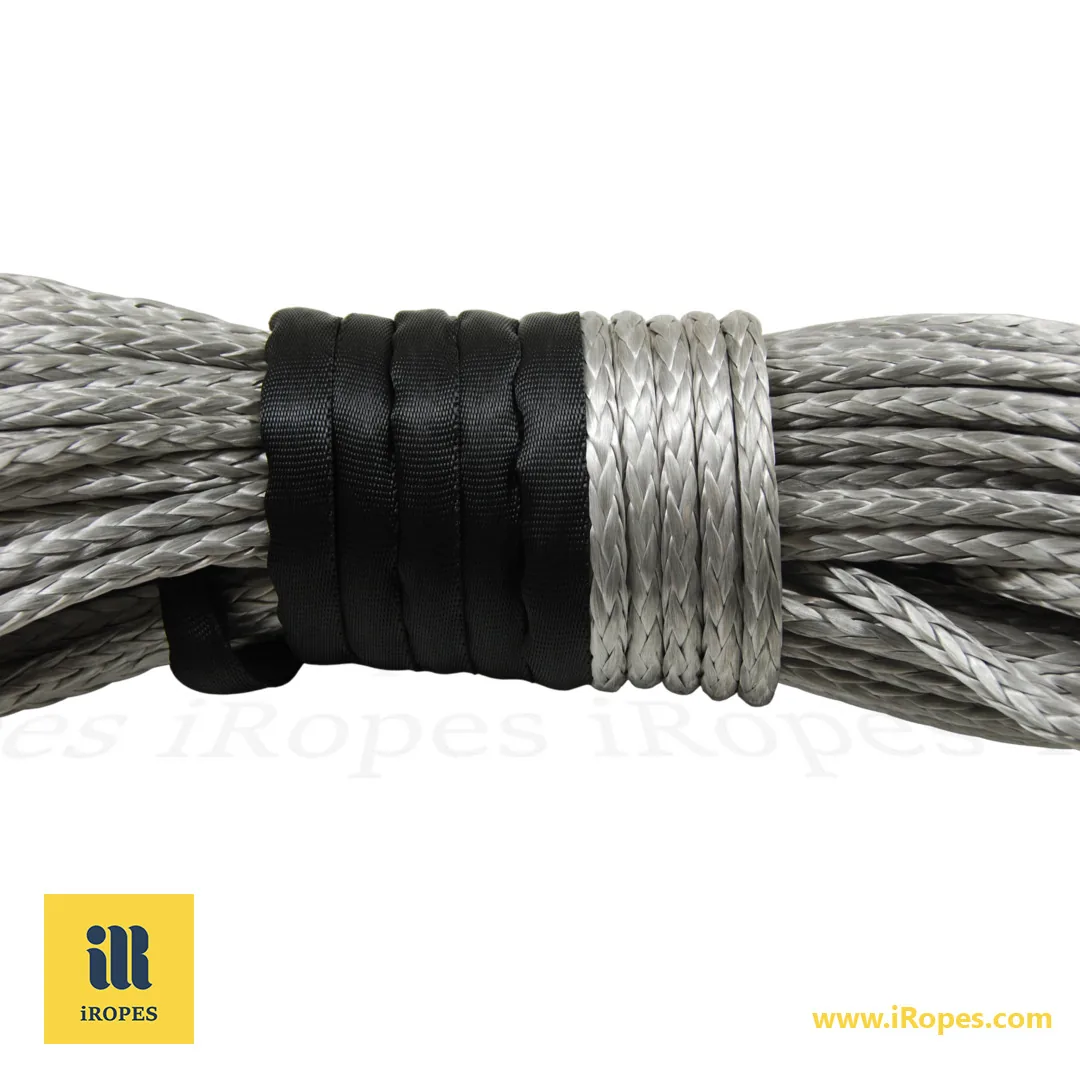
Double braid nylon anchor rope crushes 3-strand in storms—stretching up to 40% to absorb shocks while retaining 4,000 lb breaking strength in 3/8-inch diameters, keeping your vessel secure when rigid alternatives fail.
In 10 minutes, uncover how double braid outperforms 3-strand for storm-proof anchoring
- ✓ Boost shock absorption by 40%, slashing hardware stress and drift risk in gale-force winds
- ✓ Eliminate kinks and hockles, cutting coiling time by half for effortless handling on deck
- ✓ Extend rope life 2x with marine-grade nylon's UV and abrasion resistance against harsh seas
- ✓ Match your vessel perfectly through iRopes' custom diameters and thimbles, ensuring 90% strength retention via pro splicing
You've probably trusted 3-strand ropes for years, assuming their twist makes them tougher in tempests. *However*, what if that rigidity actually amplifies snaps under wave surges, costing you control? Double braid nylon flips the script with balanced flex that traditionalists often overlook. Yet, real-world tests reveal it safeguarding boats up to 27 feet without compromise. Curious how iRopes tailors this edge for your wholesale needs, from custom colours to ISO-certified durability?
The Critical Role of Double Braided Anchor Line in Storm Conditions
Imagine being on the water when a sudden squall hits, waves crashing against your hull as the wind howls. In that moment, your anchor line isn't just a rope—it's the lifeline preventing your boat from drifting into danger. That's where a **double braided anchor line** becomes a game-changer, especially compared to older styles like 3-strand ropes. While traditional options might hold steady in calm waters, they can falter under the relentless pull of a storm. Double braided designs, made from tough nylon, offer the resilience you need when conditions turn rough.
At its heart, a double braided anchor line consists of a braided core wrapped in a braided cover. This unique setup creates a rope that is incredibly strong yet flexible. Think of it like a high-performance spring that gives just enough without snapping! The inner core handles the heavy lifting for tensile strength, while the outer cover protects against wear and tear. Unlike rigid alternatives, this construction distributes stress evenly, making it perfect for the unpredictable jerks and tugs of stormy seas. Have you ever wondered why some ropes feel stiff and unyielding? That's because they lack this balanced build, leading to quicker fatigue during dynamic loads.
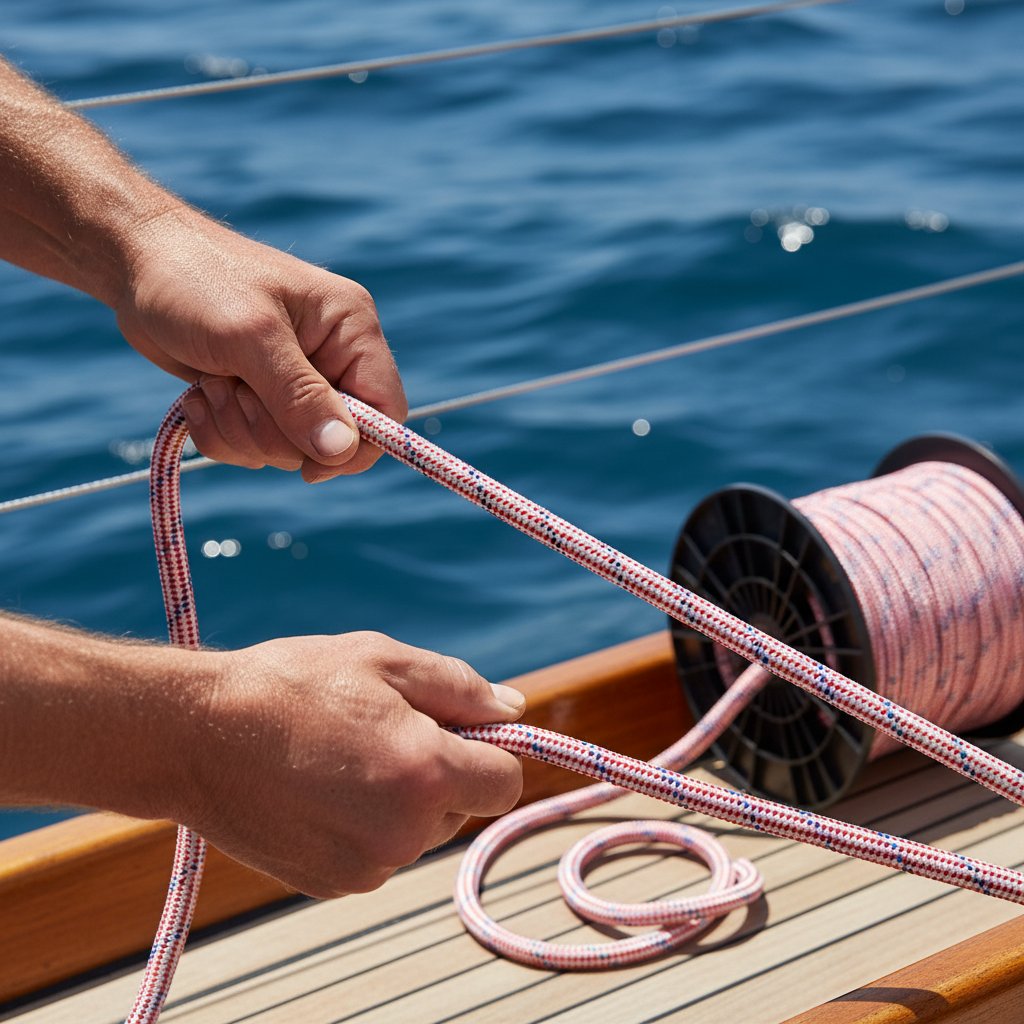
One of the standout features of double braid nylon anchor rope is its superior shock absorption. Nylon can stretch up to 40% under load before breaking, soaking up the energy from waves and gusts that would otherwise strain your anchor or hardware. This isn't just theory—it's what keeps your vessel secure when lesser ropes might let go. Strength retention is another key advantage; even after repeated stress, it maintains its power far better than rigid types, which can lose integrity faster in harsh weather.
Now, you might have heard the myth that double braided lines are better suited for dock lines than actual anchoring. This is not true for this type of construction. In fact, a double braided anchor line shines as anchor rode for boats from small dinghies up to larger vessels around 27 feet, depending on the diameter. Its flexibility counters the constant motion of storms, preventing snaps that could drag your anchor. For bigger boats, pairing it with chain adds extra holding power, but the rope's role in managing those sudden loads remains unmatched. I recall a trip off the coast where a freak storm hit—our double braid held firm, giving us peace while others scrambled.
- Balanced Strength - The core provides high tensile power, rated for breaking strengths like 4,000 lbs in 3/8-inch sizes.
- Flexibility for Storms - Absorbs dynamic shocks, reducing risk to your boat's gear.
- Versatile Sizing - Fits various vessels, ensuring reliable performance across conditions.
These qualities make double braided anchor line not just suitable, but *essential* for anyone serious about boating safety. As we dive deeper into what sets premium versions apart, you'll see how tailored features can elevate this performance even further against everyday rivals like 3-strand ropes.
Why Double Braid Anchor Rope Outperforms 3-Strand in Handling and Durability
Building on that balanced build we just covered, let's explore what truly makes **double braid anchor rope** stand out in the day-to-day realities of boating—especially compared to traditional 3-strand options. I've coiled enough lines on deck to understand the frustration of a rope that fights you every step. Traditional 3-strand nylon twists up easily, leading to kinks and hockles that snag on cleats or your windlass during frantic retrievals in rough weather. Hockling, for clarity, is when loops form randomly along the line, turning a simple task into a tangled mess. Double braid, however, avoids all that drama. Its parallel strands in the core and cover weave together smoothly, staying flat and cooperative whether you're paying out scope or hauling it back in.
Consider this scenario during a stormy night: you certainly don't want to wrestle with a reluctant rope when sleep is already elusive. Double braid nylon anchor rope glides through your hands and hardware as it should, saving time and reducing wear on your gear. In my early days chartering, I'd often experience frustration with the 3-strand on smaller boats—it would coil into knots faster than you could say "fairlead." Switching to double braid changed that completely; it stores neatly in lockers without the bird's nests, ready for action whenever needed.
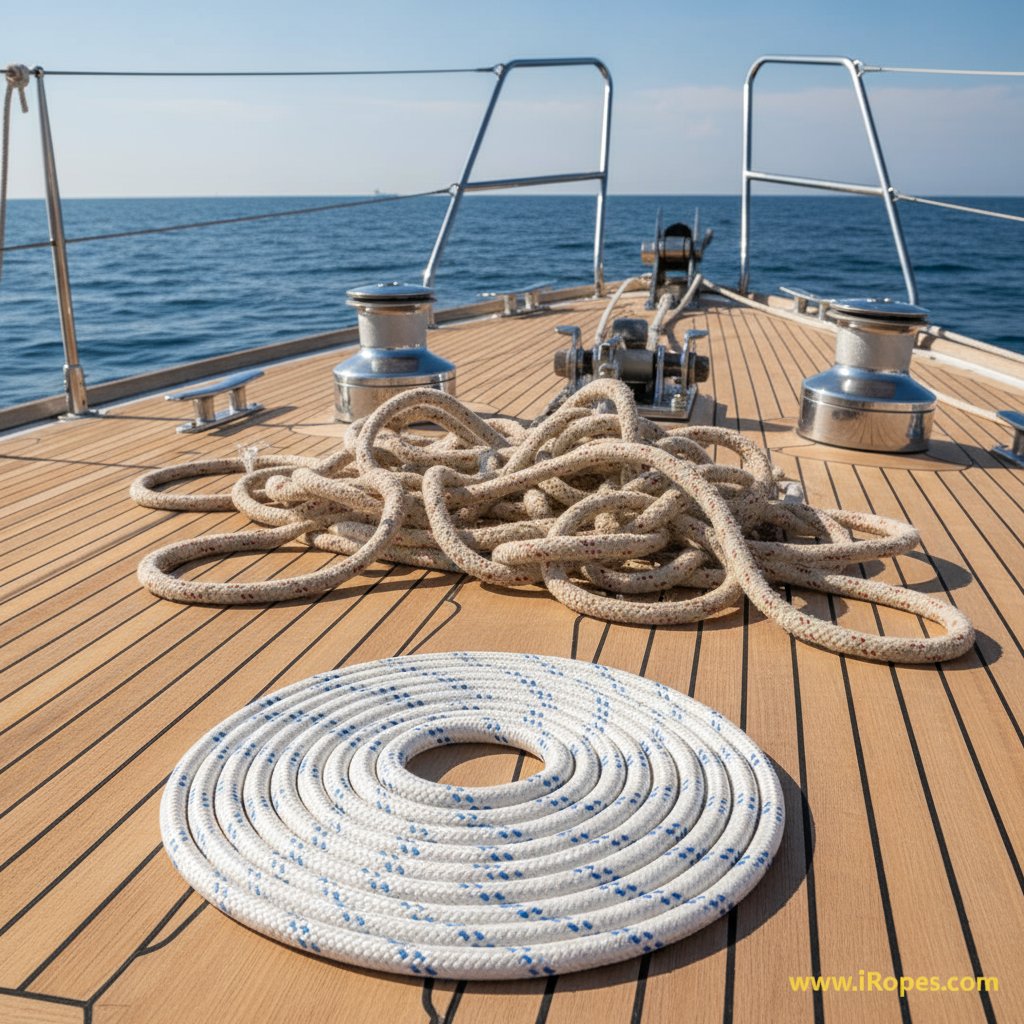
Yet, handling is just the beginning; the real advantage comes from marine-grade nylon's inherent toughness. This material shrugs off UV rays that would otherwise fade and weaken lesser ropes over seasons of sun exposure, keeping your line strong for years of use. Abrasion resistance is another quiet hero—rubbing against rocks or chain won't fray it as quickly, thanks to the protective cover. Furthermore, in humid anchorages, rot and mildew don't stand a chance; nylon's inherent resistance means no musty smells or hidden decay eating away at strength during long-term exposure to saltwater and storms.
When comparing **double braid nylon anchor rope** against 3-strand, the benefits for storm protection are clear. The flexibility we touched on earlier translates to better shock absorption. This cushions sudden jerks from waves without sacrificing the line's integrity—something 3-strand struggles with due to its more rigid twist. It's like choosing a suspension system that adapts over a stiff frame; your anchor holds ground while the rope flexes to protect everything connected. *Additionally*, pair this with accessories like a 316 stainless steel thimble, spliced directly into the eye for a rock-solid connection to your shackle. These corrosion-proof fittings ensure your setup is ready out of the box, preventing weak points that could fail under load.
Double Braid Wins
Smooth and Resilient
No Kinks
Resists twisting for easy coiling and deployment in any weather.
UV Protection
Stays strong against sun damage for extended marine life.
Rot Resistant
Fights mildew in wet conditions without losing power.
3-Strand Limits
Rigid and Prone to Issues
Twists Easily
Forms hockles that snag during handling.
UV Vulnerable
Fades and weakens faster under prolonged exposure.
Mildew Risk
Susceptible to rot in damp environments.
With these traits in mind, picking the right specifications becomes straightforward to match your boat's demands and keep things reliable on the water.
Selecting the Ideal Double Braid Nylon Anchor Rope for Your Vessel
With those handling and durability advantages established, selecting the perfect **double braid nylon anchor rope** for your setup is the next logical step. It all starts with getting the size right, because an ill-fitted line can turn a solid anchor into a liability when winds pick up. I've witnessed people overload undersized ropes in unexpected gales, leading to frayed nerves and worse outcomes. The key is to match the diameter to your boat's length and the conditions you face most.
A straightforward rule guides this process: aim for about 1/8 inch in diameter for every 9 feet of your vessel's length. For example, a 27-foot cruiser would require a 3/8-inch line—plenty robust for typical anchoring depths without excessive bulk. *However*, don't stop there; factor in windage, such as if your boat has a tall mast catching gusts, or consider deeper waters where more scope is needed. These elements can amp up the load, so bumping up to 1/2 inch might suit larger hulls or stormy spots. What size double braid nylon anchor rope do you need for your boat? It boils down to these guidelines, always leaning on professional advice to avoid guesswork and ensure safety.

- Under 18 feet - Go with 1/4-inch diameter for light loads and shallow bays.
- 18 to 27 feet - Opt for 3/8-inch to handle moderate winds and deeper drops.
- Over 27 feet - Choose 1/2-inch or thicker, especially if high windage is a factor.
Length also matters significantly—plan for seven to ten times your anchoring depth to allow proper scope, which helps the rode lay flat on the seabed. Colours come into play for visibility; white or black blends with gear, while brighter hues like navy or green are easier to spot in low light. What about compatibility with your ground tackle? Double braided lines pair seamlessly with bow rollers and cleats. More importantly, nylon's natural stretch—up to 15-20% under working loads—gives it a distinct edge over polyester, which barely gives at all. That elasticity cushions jolts to your chain or shackles, sparing hardware from the brutal snaps of a choppy sea. Ever watched a polyester setup jerk as if it's fighting back? Nylon smooths that out, protecting your investment for longer periods.
Finally, look for ready-to-use options that save headaches. Many **double braided anchor lines** arrive with a spliced-in 316 stainless steel thimble, forming a durable eye that hooks directly to your shackle without fuss. Professional splicing preserves nearly full strength—up to 90% of the rope's rating—a much better outcome than knots, which can halve it. Some even include a matching bow shackle, making installation as simple as threading through your anchor. Does your double braided anchor line come ready-to-use? In premium setups, yes, absolutely, so you can deploy confidently straight away.
These choices lay the groundwork, but tailoring further through custom tweaks can fine-tune everything for your specific runs and resale needs.
iRopes' Custom Solutions and Maintenance for Double Braid Nylon Anchor Rope
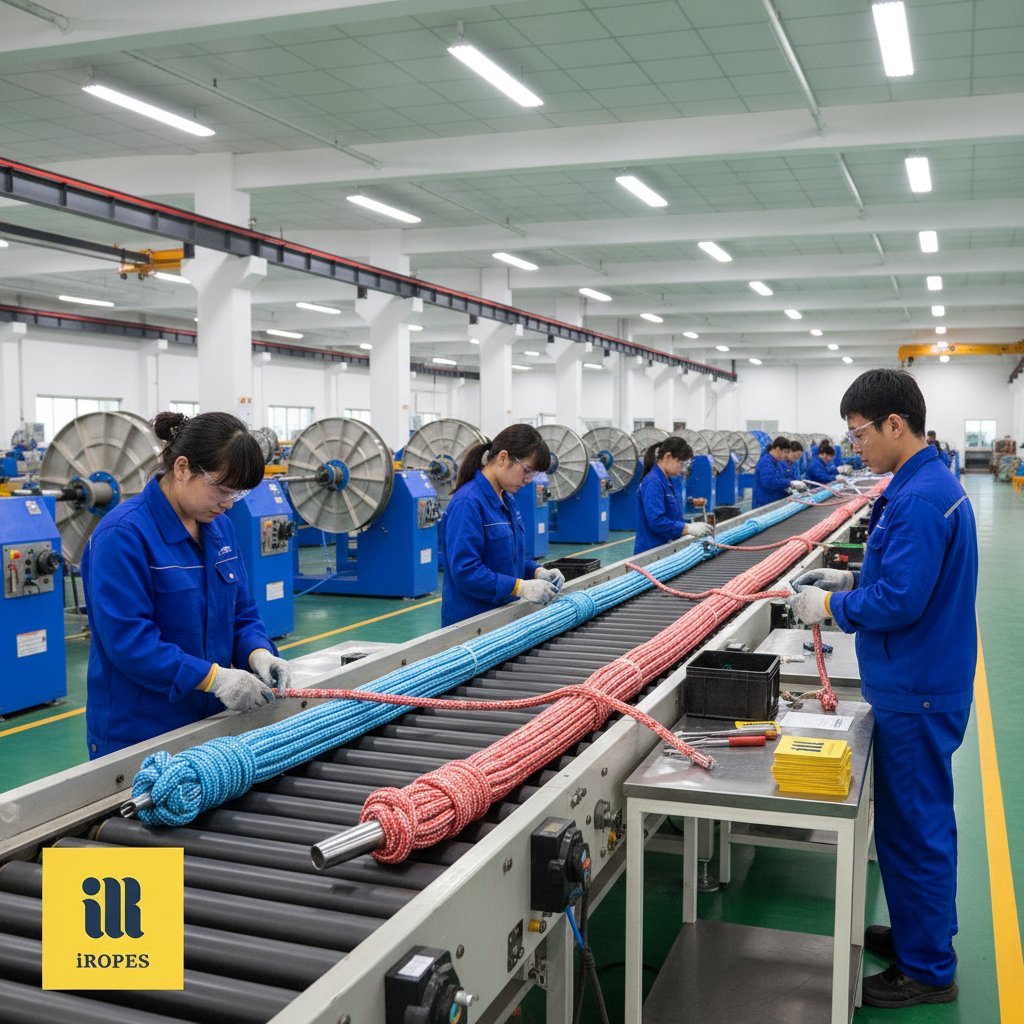
Those ready-to-use setups we talked about earlier are a great starting point, but what if you need something truly tailored to your fleet or brand? That's where iRopes comes in, transforming standard **double braid nylon anchor rope** into bespoke solutions that fit like a glove. As a wholesaler, you might deal with everything from coastal cruisers to offshore yachts—our OEM and ODM services let you customise every detail, from the nylon blend for extra UV stability to precise diameters that match your clients' boats. Want a splash of colour to align with your logo, or integrated accessories like heat-sealed ends? We handle it all, backed by ISO 9001 certification that guarantees precision from our state-of-the-art facilities. Furthermore, for your peace of mind, our IP protection keeps your designs secure throughout the entire process, making global exports straightforward without worries. For more on how these custom solutions enhance marine performance, explore our high strength double braid nylon for marine use.
Picture this: a dealer I worked with needed ropes in navy blue for their branded kits, with thimbles sized just right for quick splicing. iRopes delivered samples in weeks, and those lines became their bestseller—resilient enough for stormy hauls yet easy to handle. It's not just about the product; it's about partnering to meet market demands head-on. Our comprehensive OEM and ODM services are designed to provide customised rope solutions that truly meet our wholesale customers' unique requirements.
To keep your investment lasting through seasons of salt spray and sun, simple maintenance goes a long way. Start with regular cleaning—rinse with fresh water after every use to wash away salt and grit that could abrade the cover over time. For deeper cleans, a mild soap solution works wonders without weakening the fibres; just avoid harsh chemicals that might compromise the nylon's rot resistance. Inspection is key too: check monthly for frays or stiffness, especially around splices, and retire the line if it shows more than 10% strength loss from wear. UV resistance in our marine-grade nylon means it holds up better than basic options, but storing it coiled loosely in a shaded locker prevents prolonged exposure that could still degrade it gradually. While abrasion resistance holds strong against rocky bottoms, thanks to the braided cover, pairing with chain reduces direct contact. How do you maintain your double braided anchor rope? These steps extend its life to five years or more in demanding conditions, far surpassing neglected lines. To optimize strength retention through proper splicing, check out our guide on mastering double braid rope strength and splicing tools.
- Rinse Regularly - Fresh water removes salt buildup to preserve flexibility and prevent early abrasion.
- Inspect Splices - Look for wear at connection points to catch issues before they affect holding power.
- Store Properly - Keep dry and coiled to maintain the rope's shape and resistance to environmental damage.
As your strategic partner, iRopes offers more than just ropes—we deliver competitive pricing that scales with volume, timely fulfilment to keep your inventory flowing, and precision manufacturing that prioritises storm-ready performance. Wholesalers appreciate how we adapt to unique needs, like adding reflective strands for night visibility, all while upholding expert standards from bodies like the Cordage Institute. Our commitment to quality is unwavering, ensuring that all our products, including double braid anchor rope, meet rigorous international standards.
Speaking of performance, let's bust a lingering myth: some say **double braid nylon anchor rope** isn't tough enough for real storms compared to 3-strand. In practice, that's definitively off-base—its even stress distribution and controlled stretch handle dynamic loads far better, as proven across applications from recreational fleets to commercial operations. Real-world tests show it retaining strength under repeated wave action where twisted constructions falter, giving you that critical edge when it counts most. For a deeper dive into comparisons between nylon options like 3-strand and double-braid for mooring and anchoring, see our ultimate guide to nylon mooring rope mastery.
From the heart-pounding grip of storm surges to the everyday ease of coiling on deck, **double braided anchor line** proves its worth with unmatched shock absorption and strength retention that 3-strand ropes simply can't match. Its braided core and cover deliver flexible resilience, resisting kinks, UV degradation, and abrasion while offering superior handling for quick deployments. When spliced with premium 316 stainless thimbles, double braid anchor rope ensures secure, ready-to-use setups that protect your vessel and gear in real-world conditions.
Discovering the right **double braid nylon anchor rope** size and custom features—like colours or lengths tailored to your boat—can transform your anchoring confidence. At iRopes, our OEM/ODM expertise makes it simple for wholesalers to get storm-ready solutions with ISO-certified quality and IP protection, perfectly fitting their branding and specific needs.
Customise Your Anchor Rode with iRopes Experts
If you're ready for personalised guidance on double braided anchor lines or bulk customisation to suit your boating operations, the inquiry form above connects you directly with our iRopes team for tailored advice and quotes.