Double braid marine rope outperforms single braid by as much as 30% in shock absorption, preventing equipment failure during rough seas and ensuring safer anchoring for your boat. This construction delivers torque-free handling that single braids cannot match, making it ideal for braided nylon anchor lines.
Unlock Marine Rope Mastery in ~8 Minutes
- ✓ Gain 25% better durability against abrasion and UV from double braid's core-cover design, extending rope life in saltwater by years.
- ✓ Master torque-free splicing techniques for secure eye loops with thimbles, solving kinking issues during docking and mooring.
- ✓ Optimise shock absorption skills with nylon's elasticity, reducing hull stress from waves by absorbing up to 30% of dynamic loads.
- ✓ Customise for your vessel using iRopes' OEM guidelines, matching diameter to boat length for 7:1 scope ratios that boost anchoring reliability.
You might assume single braid's simplicity makes it sufficient for marine tasks. Yet, double braid quietly revolutionises safety by distributing loads evenly, enhancing flexibility without sacrificing strength. What hidden mechanics turn potential snaps into resilient bounces on choppy waters? Discover the precise comparisons and tips that could safeguard your next voyage. They reveal why upgrading pays off in ways you have not yet considered.
The Braided Difference: Why Double Braid Trumps Single in Braided Marine Rope
When you are out on the water, the last thing you want is a rope that fails under pressure. Building on the vital role reliable ropes play in keeping your boating adventures safe, let us dive into what makes braided marine rope stand out. Specifically, double braid construction takes things to the next level compared to single braid, offering a smarter choice for anyone handling dock lines, anchors, or mooring tasks.
Single Braid vs. Double Braid Construction
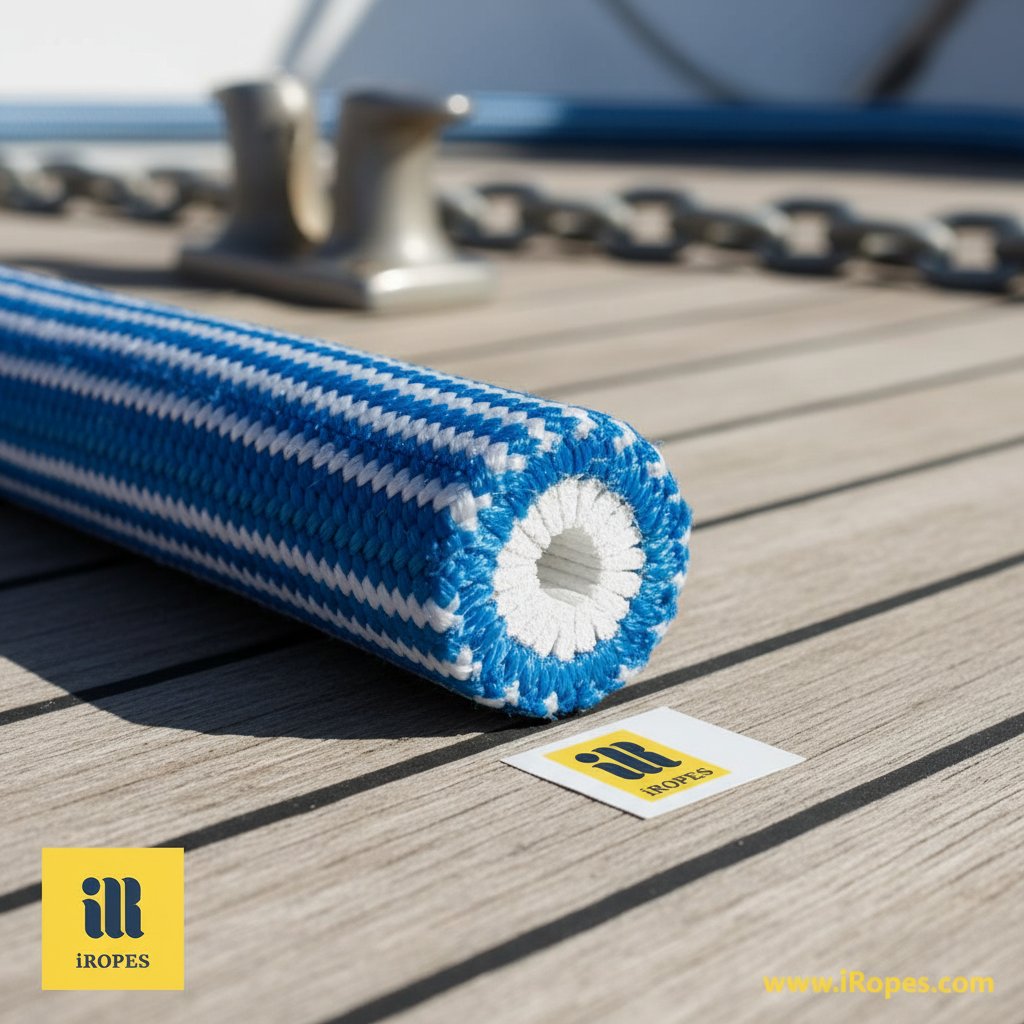
Picture this: a single braid is like a simple woven sleeve. It is all one piece that grips well, but it can twist and wear unevenly over time. In contrast, double braid features an inner core—typically a strong, parallel strand bundle—and an outer cover braided tightly around it. This core-and-cover setup distributes loads evenly, boosting overall strength without adding bulk. For marine use, that means your braided boat rope can handle the constant pull of tides or wind without fraying as quickly.
I have seen single braid ropes on smaller boats hold up fine for light duties. However, in rougher conditions, the lack of that protective cover leads to faster abrasion. Double braid changes the game by encasing the core, which enhances durability right where it counts—against saltwater, sun, and sharp edges on your boat.
Key Advantages of Double Braid
So, why choose double braid? It all comes down to how it performs on the boat. The torque-free design means it will not spin or hockle—like those annoying loops that single braids sometimes form—making it easier to manage when you are tying off at the dock. Plus, that inner core absorbs shocks from waves, protecting your cleats and anchors from jarring impacts.
For handling, double braid feels softer in your hands. This is a relief during long days on the water. It is less likely to kink, so you spend less time untangling and more time enjoying the ride. In marine scenarios, this superior control can make all the difference, especially when conditions turn choppy.
- Torque-Free Performance - Stays stable under load, reducing twists for smoother operations.
- Enhanced Shock Absorption - Elastic core cushions sudden pulls, safeguarding gear.
- Better Durability - Outer cover shields against wear, extending rope life in saltwater.
Ever wondered what type of rope is best for marine use? Double braid nylon strikes the perfect balance, delivering the strength of a robust core with just enough stretch to handle dynamic sea movements far better than single braid options. This setup prevents snaps that could leave you adrift.
Stretch Characteristics
Stretch is not a flaw—it is a feature in double braid. The nylon core elongates up to 30% under load, soaking up energy from swells and boat surges like a natural spring. This elasticity keeps tension even, avoiding the sudden jerks that damage fittings or strain your hull. On calmer days, it returns to shape without permanent sag, ensuring consistent performance trip after trip.
Think of it as your rope's way of forgiving the ocean's moods, much like how a bungee cord softens a fall. Without this, rigid ropes risk failure, but double braid's design turns potential disasters into manageable bounces.
Grasping these structural perks of double braid lays a solid foundation, leading us to explore materials that amplify them even further in tough marine settings.
Strength and Handling Benefits of Braided Boat Rope in Marine Applications
Now that we have unpacked the structural edge of double braid in braided marine rope, it is clear how that core-and-cover design shines in real-world boating. But what really sets braided boat rope apart is how it performs under daily marine demands—think relentless exposure to elements and the need for quick, reliable handling. Let us break down these strengths, focusing on why this construction makes life on the water smoother and safer.
Overall Braided Construction Advantages
Braided boat rope is not just tough; it is built to last in salty, sunny conditions. The interwoven fibres create a smooth surface that resists abrasion from rubbing against docks or boat hardware, far better than twisted alternatives that snag easily. UV protection comes from stabilisers woven into the material, slowing down that sun-induced weakening that plagues lesser ropes after months afloat. And splicing? It is a breeze compared to knotted ends, letting you create custom lengths without losing strength.
These features make braided options a go-to for boaters who want gear that holds up without constant replacements. Have you ever inspected a frayed line after a weekend trip? With braided construction, those worries fade as the rope maintains its integrity longer.
Durability Boosts
Resists Wear and Tear
Abrasion Resistance
Smooth braid prevents chafing on rough surfaces, extending service life in docking.
UV Protection
Built-in stabilisers guard against sun damage, keeping strength intact over seasons.
Splicing Ease
Interlocking strands allow secure joins without tools, ideal for on-water fixes.
Handling Perks
Smooth and Reliable
Flexible Grip
Soft texture eases coiling and throwing, reducing hand fatigue during use.
No Kinking
Balanced weave stays straight under tension, perfect for quick mooring tasks.
Versatile Fit
Works with windlasses and cleats, adapting to various boat setups seamlessly.
Splicing Techniques for Braided Boat Rope
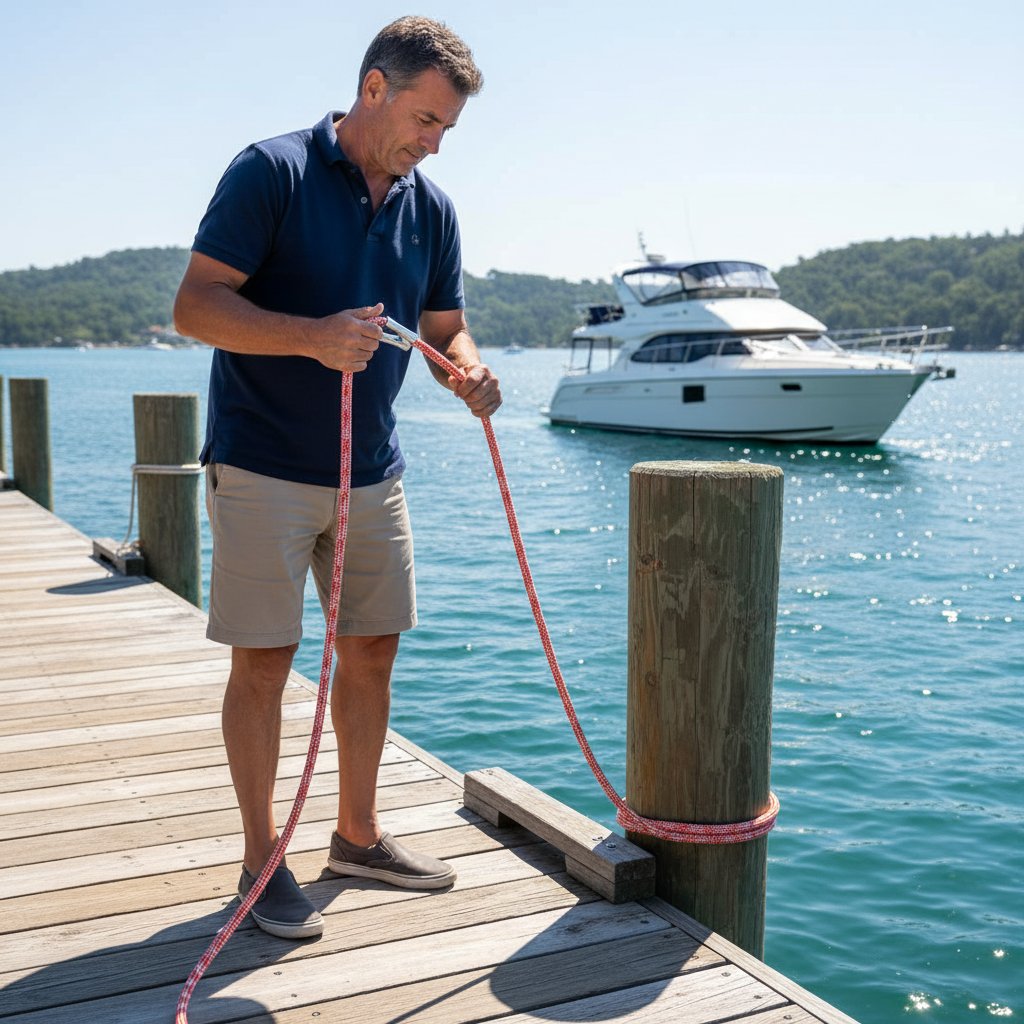
One of the handiest skills for any boater is splicing your braided boat rope, and eye splices stand out for anchor setups. Start by forming a loop at the end, then weave the cover over a thimble—a metal insert that keeps the shape round and prevents chafe where it meets the chain or shackle. This creates a secure, eyesore-free connection that will not slip under load. For detailed step-by-step guidance on achieving 95% strength retention, explore our rope splice mastery guide.
I remember helping a friend rig his sailboat; using a thimble in the splice saved hours of retightening later. It is straightforward with practice, and the result is a chafe-resistant link that boosts overall safety in anchoring.
- Measure and mark the rope end for the eye size needed.
- Insert thimble and tuck the core through the cover.
- Weave tails back into the braid, tapering for a clean finish.
Practical Handling in Marine Scenarios
In the thick of mooring or docking, flexibility is your ally. Braided construction bends without fighting back, cutting down on those frustrating kinks that turn a simple task into a hassle. Whether you are securing to a piling in a crosswind or adjusting lines at a crowded marina, this rope flows with your movements, keeping operations efficient.
For what type of rope suits marine environments best, braided designs like these offer the right mix of grip and give, handling everything from gentle currents to sudden gusts without drama.
iRopes' Precision Manufacturing
At iRopes, we take this braided excellence further with ISO 9001-certified processes. These ensure every double braid meets yachting standards or even off-road marine adventures, like securing gear on trailerable boats. Our facilities focus on tight weaves and quality checks, delivering ropes that perform reliably where it matters most.
These handling and strength traits come alive when paired with the right material, like nylon. This takes resilience to the next level for anchoring demands.
Why Nylon Shines in Braided Nylon Anchor Rope for Shock Absorption and Durability
With the handling and strength of braided boat rope now clear, pairing it with the right material unlocks even greater potential for anchoring. Nylon steps up as the standout choice here, turning those structural benefits into real-world reliability that withstands the ocean's unpredictability. Let us explore what makes this synthetic fibre so effective in braided nylon anchor rope, especially when boats face relentless waves and weather.
Nylon Properties for Marine Use
Nylon's appeal starts with its impressive tensile strength. This allows a single strand to hold thousands of pounds without snapping—think of it as the backbone that keeps your anchor line secure during a sudden squall. But it is the elasticity that truly sets it apart; this material can stretch significantly under load before recovering, acting like a built-in buffer against the jerking forces from boat movement or tidal shifts. Add in its strong resistance to rot and mildew, common culprits in damp marine settings, and you have a rope that stays serviceable longer without degrading from constant moisture exposure.
Is nylon rope good for marine use? Absolutely—it excels thanks to that same shock absorption quality, which softens impacts from waves or wind gusts. Meanwhile, its inherent resistance to saltwater corrosion and UV breakdown means it holds up season after season without losing vital integrity. On my last charter, we relied on a nylon line during a stormy night off the coast, and its give prevented any hardware strain, letting us sleep easier.

Best Rope for Boat Anchors
When it comes to securing your vessel, nylon's stretch becomes a lifesaver by protecting against dynamic loads—the unpredictable pulls from currents or swells. These could otherwise overload fittings or hulls. Rigid alternatives might hold steady in calm, but they transfer every jolt directly, risking cracks or failures over time. Nylon, in its braided form, diffuses that energy, maintaining even tension and reducing wear on everything connected. For most recreational boaters, this makes braided nylon anchor rope the top pick for anchors, as it balances holding power with forgiveness in variable conditions.
What draws you to anchoring in spots with tricky bottoms or strong winds? Nylon handles those scenarios by extending just enough to keep things taut without overextending, outperforming stiffer options that demand more frequent adjustments.
Comparison with Other Materials
While nylon offers this well-rounded performance in braided nylon anchor rope, it is worth stacking it against competitors like polyester and Dyneema to see where it fits best. Polyester provides solid UV and abrasion resistance with minimal stretch, making it suitable for static tasks like dock lines where you do not want elongation. Dyneema, a high-modulus polyethylene, boasts incredible raw strength—often seven times that of steel by weight—but its low elasticity suits high-performance racing or lifting, not the shock-prone world of anchoring where some give prevents overloads.
Each has its place: polyester for low-stretch needs, Dyneema for lightweight power in extreme setups. Yet for everyday marine anchoring, nylon's combo of durability and controlled stretch delivers balanced results without the premium cost or rigidity drawbacks. At iRopes, we select premium nylon grades to ensure these traits shine through in every custom order.
Knowing nylon's strengths guides you toward smarter choices in sizing and setup, ensuring your rope matches your boat's demands precisely.
Nylon
Excels in stretch for shock loads, with good rot and UV resistance for anchor lines.
Polyester
Low stretch and high UV tolerance suit static mooring, but less forgiving on surges.
Dyneema
Ultra-strong and light with minimal stretch, ideal for performance rigging over anchoring.
Key Trade-off
Nylon balances elasticity and strength for dynamic marine tasks without extremes.
Selection Criteria and Customisation for Braided Nylon Anchor Rope in Various Marine Uses
Building on nylon's reliable performance in tough conditions, picking the right braided nylon anchor rope comes down to specifics like size and setup that fit your boat and typical outings. Getting these details right means your line not only holds strong but also adapts to whatever the sea throws at it, keeping things safe and straightforward.
Matching Diameter and Length
A good starting point for sizing is the rule of thumb: use about 1/8 inch of rope diameter for every 9 feet of your boat's length. For a 27-foot vessel, that points to a 3/8-inch line, which provides enough capacity to manage working loads without overwhelming your gear. However, factor in your boat's weight and the waters you frequent—if you are dealing with heavy trawlers in deep bays, bump up to 1/2 inch for added security.
Length-wise, aim for a scope of at least 7:1. This means seven feet of rode for every foot of water depth. This setup lets the anchor dig in properly while giving nylon's stretch room to work its magic on surges. I once sized a line too short for a friend's 30-footer on a windy lake; adding extra length turned unstable swings into steady holds. Have you measured your typical anchoring depth lately? It makes all the difference in staying put.
- Small Boats (under 20 ft) - 1/4-inch diameter, 150-200 ft length for shallow coastal spots.
- Medium Vessels (20-40 ft) - 3/8 to 1/2-inch, 200-300 ft to handle moderate depths and winds.
- Large Boats (over 40 ft) - 5/8-inch or more, 300+ ft for offshore reliability with chain inserts.
Accessories and Terminations
To boost safety, pair your rope with solid accessories like stainless steel thimbles in the eye splice—they keep the loop round and resist chafe where it connects to the anchor shank. Add a shackle rated for at least twice your expected load, and consider custom heat-sealed ends that prevent fraying without bulky knots. These touches turn a basic line into a dependable system, especially when waves yank unpredictably.
While we are on strength, you might wonder about the strongest type of braided rope out there. HMPE, like Dyneema, tops the charts for sheer tensile power—it is incredibly light and holds massive loads with little stretch, perfect for racing sails or heavy lifts. But for anchoring, where shock from waves matters most, nylon's elasticity wins out, absorbing those hits without snapping fittings or straining your boat.
iRopes OEM/ODM Services
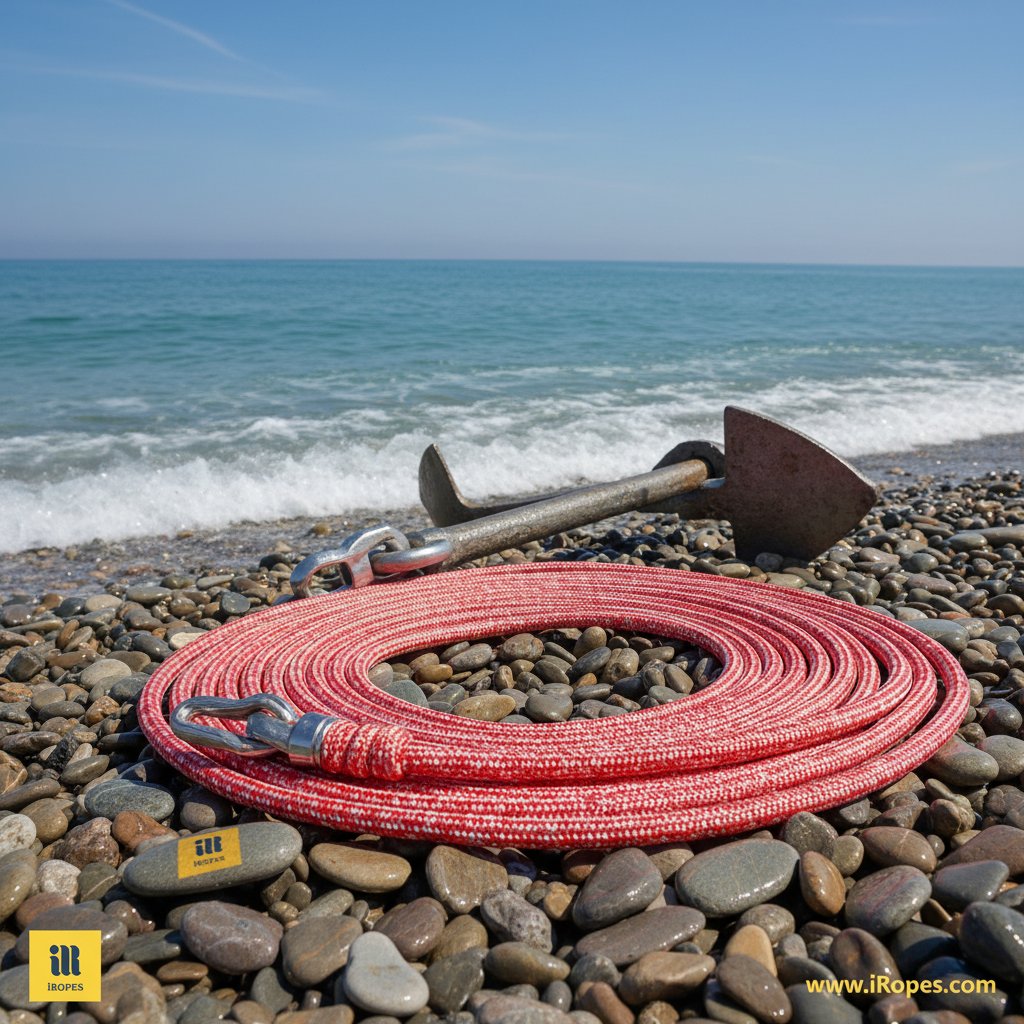
For wholesale buyers, iRopes lets you tailor braided nylon anchor rope to exact specs through our comprehensive OEM and ODM services. These range from vibrant colours that match your fleet's branding to subtle patterns for better visibility at dusk. We handle everything through our OEM and ODM setups, incorporating those thimbles or even reflective strands while protecting your designs with full IP safeguards. It is all about creating lines that not only perform, but also reflect your operation's identity, delivered on time from our certified lines.
Custom Fit for Your Needs
Whether it is adjusting diameters for specific loads or adding branded packaging, our team crafts solutions that streamline your marine workflows without compromise.
With these tailored choices in hand, maintaining your setup becomes the key to years of trouble-free service on the water.
In the demanding world of boating, double braid construction in braided marine rope clearly outshines single braid, delivering superior strength through its protective core-and-cover design that evenly distributes loads and resists abrasion. Paired with nylon's elasticity, this braided boat rope excels in shock absorption, handling rough seas without kinking or failing, while easy splicing techniques ensure secure anchor setups. For a deeper dive into why nylon stands out, check out our ultimate guide to braided nylon rope advantages. For optimal performance, select diameters like 3/8-inch for medium vessels and incorporate thimbles for durability, as nylon's rot resistance and UV protection make it ideal for marine anchoring—outperforming polyester in dynamic loads.
At iRopes, our ISO 9001-certified OEM services let you customise braided nylon anchor rope with branding and accessories, ensuring reliable, tailored solutions for your yachting or docking needs. These insights empower safer voyages, but applying them precisely to your setup can elevate results further.
Need Tailored Advice for Your Marine Ropes?
If you are ready to explore custom options or have questions about selecting the right rope for your boat, fill out the inquiry form above—our team at iRopes is here to provide personalised guidance and quotes to match your specific requirements.
