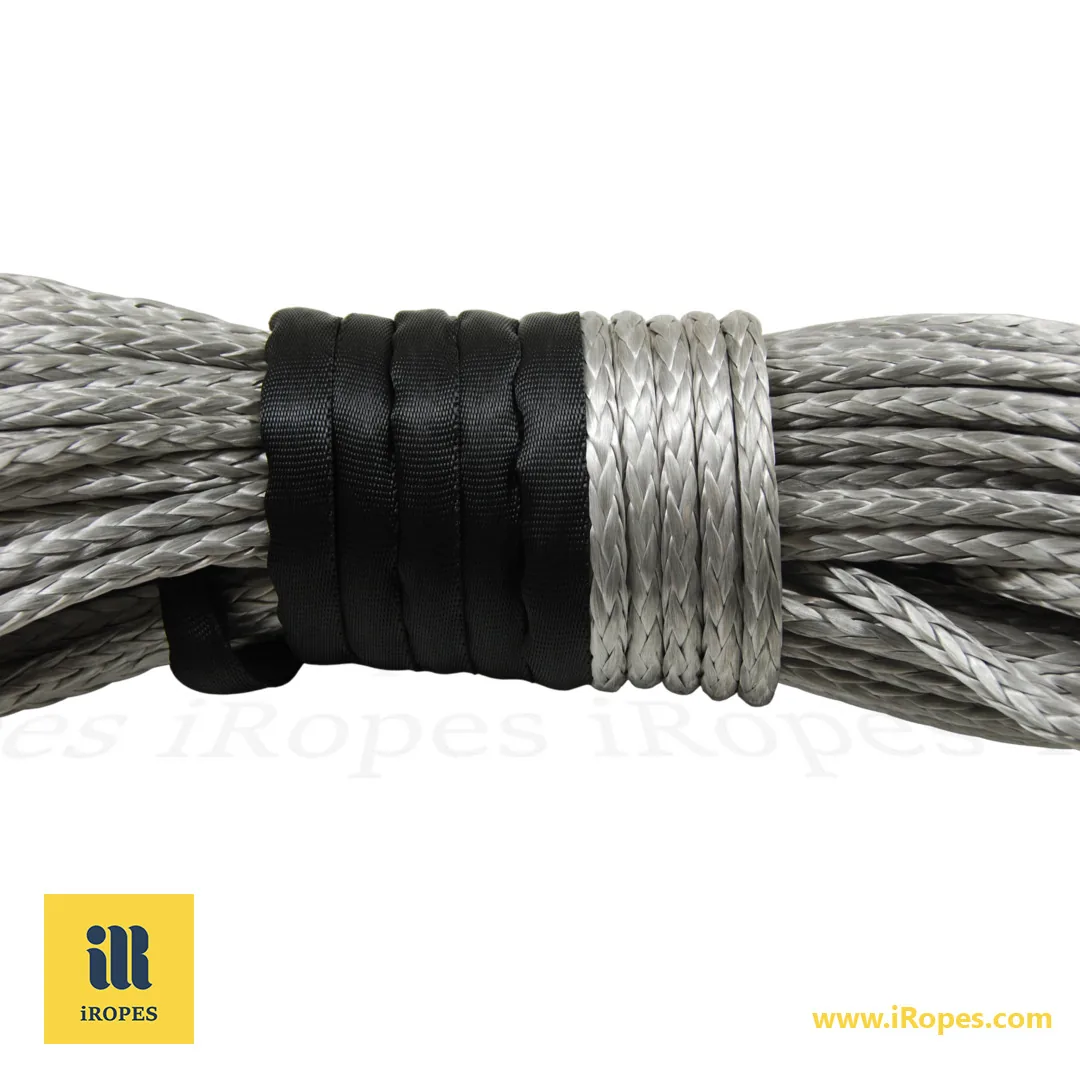
Elite yachts are ditching steel rigging for Dyneema because it's 15 times stronger than steel at just 1/7th the weight, slashing stretch by 99% for razor-sharp sail control. This switch boosts speed by up to 10% while enhancing safety in high-seas demands.
In a quick 5-minute read, unlock Dyneema's edge for your yacht's rigging
- ✓ Gain precise control with under 1% elongation, solving sail flop issues that plague steel's 5-10% stretch
- ✓ Cut crew fatigue 30% through lighter loads on winches, turning strenuous pulls into effortless adjustments
- ✓ Extend rigging life 2x via UV resistance, preventing corrosion failures that cost elite operators thousands annually
- ✓ Customise for aesthetics and safety with reflective elements, acquiring branding skills that elevate your yacht's luxury appeal
You might think steel's unyielding toughness makes it the ultimate yacht rigging choice for battling ocean fury—but what if that very rigidity is quietly sabotaging your yacht's speed and crew efficiency? Elite skippers are uncovering a counter-intuitive truth: Dyneema's feather-light flex delivers superior power without the hidden drag of traditional wires. Dive deeper to reveal how this material revolution not only outpaces steel but also customises your rig for unbeatable performance—before your next voyage leaves competitors in your wake.
The Fundamentals of Yacht Rigging: Standing vs. Running Essentials
Imagine gliding across the open water on a sleek yacht, sails billowing perfectly—that's the magic of yacht rigging at work. At its core, yacht rigging is the entire system of wires, ropes, and hardware that supports your mast and controls the sails, ensuring your vessel moves with precision and power. It's like the skeleton and muscles of your boat, holding everything steady while allowing for dynamic adjustments to catch the wind just right.
Now, let's break it down into its two main parts: standing rigging and running rigging. Standing rigging is the fixed framework that keeps the mast upright and stable. Think of it as the unyielding supports—shrouds that run from the mast to the sides of the boat, and stays that go forward and aft. These elements don't move much during a sail; their job is pure support against the forces of wind and waves. On the flip side, running rigging is all about movement. These are the adjustable lines you tweak on the fly to handle the sails, like pulling them up, letting them out, or shaping them for better speed. If you've ever wondered what running rigging on a yacht really means, it's simply those vital ropes that let you actively manage your sails, responding to every shift in the breeze.
Why does this distinction matter so much? Well, standing rigging can handle a bit of give, but running rigging demands low-stretch materials for that sharp, precise control. A tiny bit of elongation in a yacht halyard could mean your sail flops or twists awkwardly, throwing off your course. Have you noticed how elite sailors always seem one step ahead of the wind? That's because their running lines stay taut, delivering immediate feedback without the drag of stretchy old-school ropes.
- Standing Rigging - Provides static support to the mast using wires or rods like shrouds and stays, essential for structural integrity but rarely adjusted mid-sail.
- Running Rigging - Involves dynamic lines such as halyards and sheets that you actively use to hoist, trim, and control sails for optimal performance.
High-quality yacht rigging isn't just functional—it's a game-changer for safety, speed, and even the visual appeal of luxury yachts. In rough seas, robust rigging prevents catastrophic failures that could endanger the crew, while lightweight, ergonomic designs make handling easier, reducing fatigue on long voyages. Picture a crew effortlessly winching a sail without straining; that's the ergonomic edge that turns a good day on the water into a great one. For aesthetics, clean lines and custom finishes elevate the yacht's elegant profile and ensure crew safety with streamlined rigging.
Over the years, rigging has evolved dramatically from heavy steel wires, which were prone to rust and added unnecessary weight, to lightweight synthetics like Dyneema. This shift, starting in the racing world where every ounce counts, is now embraced by elite yachts for unmatched efficiency and durability. Steel served us well, but its corrosion issues and bulk simply can't compete with modern fibres that flex without fatigue.
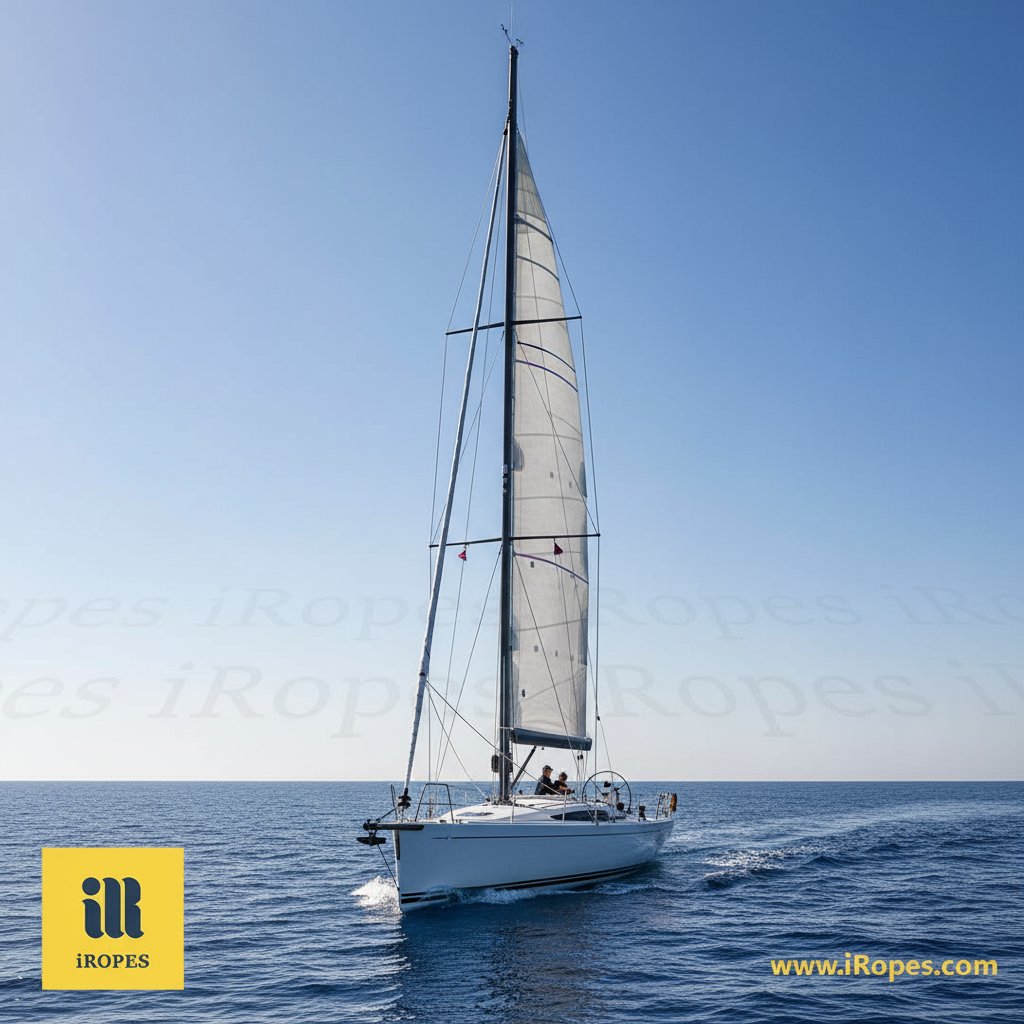
As we see these innovations take hold, it becomes clear how running rigging's components drive that seamless sail control.
Key Elements of Yacht Running Rigging: Halyards, Sheets, and More
Building on those innovations in materials, the real heart of yacht running rigging lies in its dynamic parts that let you respond to the sea's every whim. If you've ever watched a sail catch the perfect puff of wind and propel the boat forward with grace, that's running rigging in action—those essential lines that make it all possible. Simply put, yacht running rigging consists of the adjustable ropes you manipulate while underway to hoist, trim, and fine-tune your sails for maximum efficiency.
At the forefront are yacht halyards, the workhorses that lift sails to the masthead. A main halyard hoists the mainsail, while jib halyards handle the forward sails, and spinnaker halyards manage those lightweight, ballooning downwind sails for racing thrills. They run through blocks—pulley-like fittings that reduce friction—and often connect to winches for mechanical advantage, allowing a single crew member to crank up a heavy sail without breaking a sweat. Tensioning a halyard properly drafts the sail's leading edge, known as the luff, creating a smooth shape that slices through the air efficiently. Too loose, and your sail bags like an old sock; too tight, and it stalls. Ever tried adjusting one on a breezy day? It teaches you quickly how that pull translates to real speed on the water.
Then come the sheets, which control the angle of your sails relative to the wind—think of them as the reins on a horse. Jib sheets pull the clew, or trailing corner, of the headsail in or out to point the yacht upwind or reach across. The mainsheet does the same for the mainsail, easing in gusts to prevent overpowering or trimming hard to harness every breeze. These adjustments aren't isolated; they work hand-in-glove with outhauls, which stretch the foot of the mainsail taut for a flatter profile in strong winds or fuller for light air power. Together, they balance the boat's heel, boost responsiveness, and fine-tune speed—easing sheets might calm a broach in heavy seas, while a snug outhaul sharpens upwind pointing during a regatta.
- Halyards - Lift sails via blocks and winches, crucial for initial setup and ongoing tension to maintain optimal sail shape across main, jib, and spinnaker uses.
- Sheets - Adjust sail angles for direction control, essential in varying winds to ensure balance and prevent capsizing risks.
- Outhauls - Fine-tune the mainsail foot for power or speed, adapting to conditions from calm bays to offshore swells.
For offshore voyages or high-stakes racing, customising these elements—perhaps with longer lengths for extended reaches or integrated chafe guards—means tailoring the setup to your yacht's demands. In rough conditions, a well-synced system keeps the crew safe and the boat flying, turning potential chaos into controlled progress. What running rigging boils down to on a yacht is this interplay of lines, each with a precise role that, when mastered, unlocks the vessel's full potential.

Yet, the true edge comes from choosing lines that hold up under that constant pull without compromising control—enter the game-changing shift to advanced fibres that outpace traditional choices.
Why Elite Yachts Opt for Dyneema in Yacht Halyards and Rigging
That shift to advanced fibres isn't just a trend—it's a necessity for elite yachts chasing every edge on the water. While traditional steel wires once dominated yacht rigging, their weight and vulnerability to rust often dragged down performance, especially in salty marine environments. Dyneema, a high-performance synthetic fibre, flips the script with its incredible strength-to-weight ratio—about 15 times stronger than steel at a fraction of the mass—making it ideal for demanding setups like yacht halyards and running rigging.
What sets Dyneema apart is its minimal stretch, often under 1% elongation under load, compared to steel's rigidity that can lead to fatigue cracks over time. This low-stretch property means your sails stay precisely tensioned, responding instantly to adjustments without the sluggish feedback of heavier materials. Plus, Dyneema resists UV degradation far better than steel, which corrodes quickly in sunlight and saltwater, and it shows reduced creep—that slow, permanent lengthening under constant tension that plagues older wires. Over years of flexing in waves and wind, Dyneema maintains its shape and strength, offering a flex life that can outlast steel by double in harsh conditions. Imagine swapping out rigging every few seasons; with Dyneema, you extend that interval while keeping things light and reliable.
Dyneema Advantages
Lightweight Power for Halyards
Superior Strength-to-Weight
Delivers steel-like tensile strength at just 1/7th the weight, easing winch efforts and boosting boat speed.
Minimal Stretch and Creep
Less than 1% elongation ensures precise sail control without the gradual sagging seen in steel.
UV and Corrosion Resistance
Withstands sun and salt without rusting, extending service life in offshore exposures.
Steel Drawbacks
Heavy Legacy in Rigging
Excess Weight
Adds unnecessary mass aloft, increasing heeling and straining deck hardware during manoeuvres.
Corrosion Prone
Rusts in marine air, requiring frequent inspections and replacements to avoid sudden failures.
Limited Flex Life
Work-hardens and cracks under repeated bending, leading to brittle breaks in high-stress halyards.
For yacht halyards, these traits translate to sharper sail control—your luff stays crisp, letting you fine-tune shape without fighting stretch. Lighter loads mean winches turn easier, cutting crew fatigue on long watches. In high-value systems, the safety margin soars since Dyneema integrates seamlessly with carbon fibre masts, reducing overall stress. Ever felt the relief of a responsive line that doesn't fight back? That's the edge in rough seas, where a steel halyard might groan and give way.
When considering what type of rope suits running rigging on elite yachts, Dyneema leads for its balance of low elongation and durability. However, alternatives like Technora and Vectran also shine in specific spots. Technora offers excellent heat resistance for sheets under friction, while Vectran minimises creep in constant-tension halyards—both holding up in wet, windy environments where traditional polyester might elongate 10-15%. These ultra-high-modulus fibres ensure your setup endures offshore gales without compromising that vital tautness.
Beyond basics, performance tweaks elevate the experience: custom colours match your yacht's sleek lines for a polished look, reflective strips glow at dusk for safer night sailing, and ergonomic coatings provide a grippier hold, letting crew adjust without slips. These upgrades not only enhance visibility but also cut down on physical strain, keeping everyone sharp during extended races.

These tailored enhancements show how modern fibres fit into bespoke systems, paving the way for manufacturers like iRopes to craft solutions that match exact needs.
Customising Yacht Running Rigging and Maintenance Protocols with iRopes
Those tailored enhancements from advanced fibres open the door to truly personalised setups, and that's where iRopes steps in as your go-to partner for yacht running rigging. As a leading manufacturer, we specialise in OEM and ODM services that let you design lines perfectly suited to your vessel's needs, whether it's for leisurely cruises or intense offshore races. Think about it—every yacht has unique demands, from the way sails catch the wind to the crew's handling preferences. Our experts collaborate closely to customise everything, ensuring your halyards and sheeting perform flawlessly without compromise.
Customisation begins with selecting the right material, like Dyneema for low-stretch halyards or Technora for heat-resistant sheets, based on your specific strength and durability requirements. We fine-tune diameters for optimal grip in winches—thinner for lighter loads, thicker for heavy offshore pulls—and lengths to match your mast height or deck layout precisely. Custom colour options can reflect your brand, with vibrant hues or subtle gradients that blend seamlessly with the yacht's aesthetics. Accessories such as thimbles to protect against chafe or spliced loops for quick attachments add that practical edge. For core constructions, we offer braided options for flexibility in sheets or parallel cores in halyards to minimise elongation under tension. What type of rope for running rigging works best for your setup? It all depends on these tailored choices, turning standard lines into a custom system that boosts control and efficiency.
Material & Construction
Choose Dyneema or Vectran cores with braided covers for low creep and high flex, tailored to halyard tension needs.
Colours & Accessories
Add thimbles, custom patterns, and reflective strips for visibility, enhancing safety during night sails.
Quality Assurance
ISO 9001-certified processes ensure every line meets rigorous standards, with full IP protection for your designs.
Branding Elements
Incorporate glow-in-the-dark features or logos on packaging, aligning with luxury standards for elite yachts.
Behind these options lies our commitment to quality and security—ISO 9001 certification guarantees precision in every splice and weave, while robust IP protection keeps your innovative designs confidential from concept to delivery. For luxury yachts, we incorporate branding like embroidered logos on covers or glow elements that shine in low light, marrying aesthetics with safety to prevent mishaps on deck.
To keep your custom rigging in top shape, regular maintenance is key, especially at common wear points like chafe at sheaves and blocks where lines rub constantly. Inspect visually every few months, feeling for fuzzy spots or reduced diameter that signal fatigue—on offshore trips, check after every heavy weather encounter. Protect against UV by storing spares in shaded bags and applying marine wax to exposed sections, which can double the lifespan. As for replacement, most halyards last 2-4 years in racing, but inspect annually; swap sheets every season if they show glazing from winch friction. For more detailed maintenance protocols tailored to marine environments, these steps not only extend life but ensure reliable performance when it counts.
For elite yachts, we recommend performance upgrades like DNV certifications for extreme conditions or integrated sensors for tension monitoring, all shipped globally on tight schedules to minimise downtime. In offshore sailing, replacing running rigging every 18-24 months prevents surprises, letting you focus on the horizon rather than hardware worries. These protocols transform maintenance from a chore into a simple routine that sustains peak efficiency.

With such reliable, evolving systems in place, the overall impact on yachting performance becomes profoundly clear.
As elite yachts embrace Dyneema for yacht rigging, the advantages over steel become undeniable: unparalleled strength-to-weight ratios, minimal stretch for precise control in yacht halyards, and enhanced durability against UV and corrosion. This evolution in yacht running rigging not only boosts performance and safety but also integrates high-tech materials like carbon fibre for lighter, more responsive systems. With custom colour options and ergonomic handling features, crew fatigue is reduced while aesthetics are elevated. iRopes' OEM/ODM services ensure tailored solutions, backed by ISO 9001 quality and IP protection. Moreover, maintenance protocols—regular chafe inspections, UV safeguards, and timely replacements—along with upgrades like reflective elements, keep high-value setups reliable for offshore adventures.
Explore Custom Solutions for Your Yacht with iRopes
If you're keen on personalised recommendations for premium yacht rigging that matches your vessel's needs, including performance upgrades and maintenance plans, complete the inquiry form above to speak with our experts at iRopes.