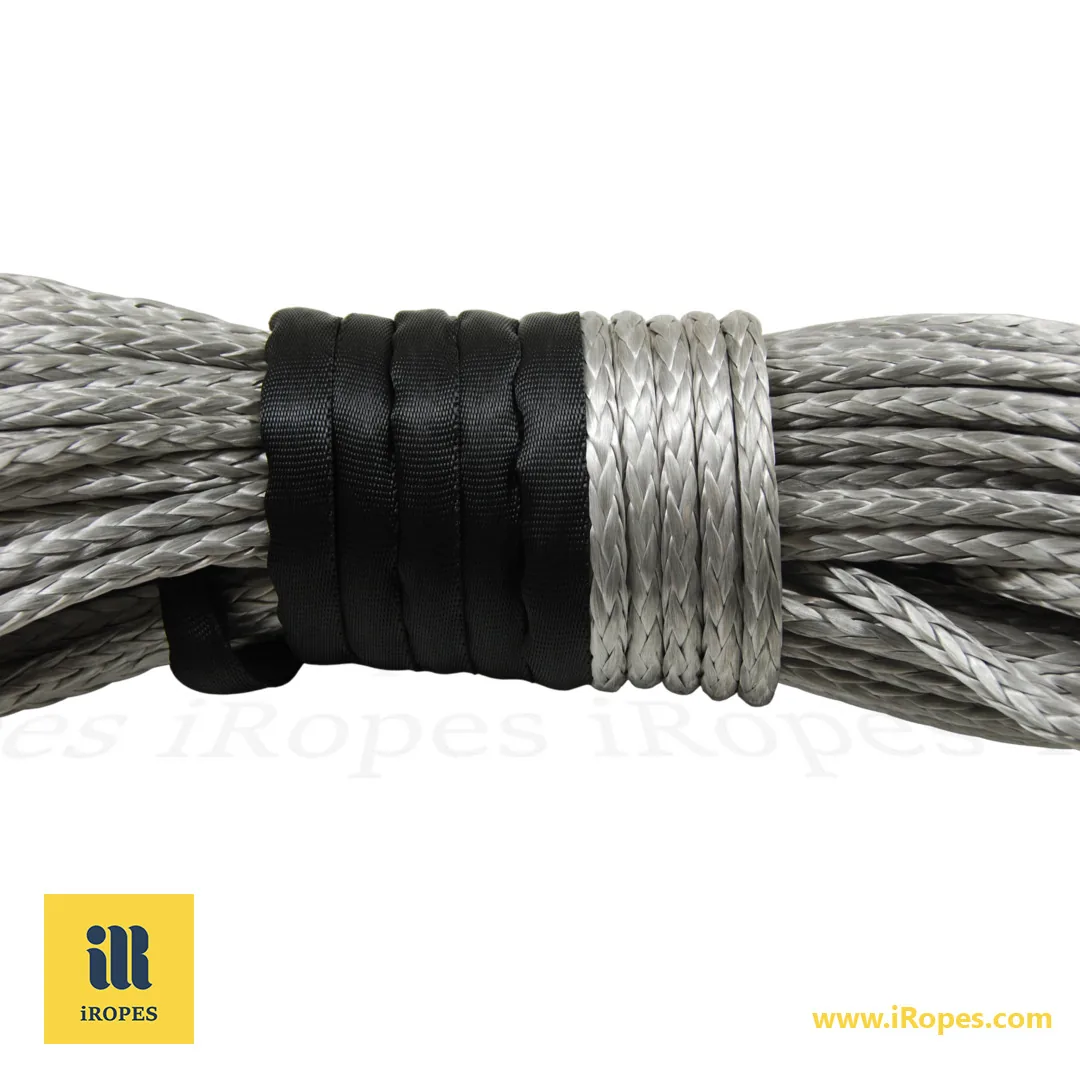
In extreme marine environments, carbon fibre ropes outperform HMPE with tensile strengths up to 7.0 GPa versus HMPE's 3.5 GPa max, and a modulus 10 times higher to resist creep under dynamic loads—preventing failures in heavy lifts and racing where every second counts.
Unlock Marine Rope Insights in ~8 Minutes: Compare Materials, Metrics, and Custom Solutions from iRopes
- ✓ Master breaking load metrics like 100 kN for 24 mm HMPE versus carbon fibre's superior fatigue resistance, which reduces 20-30% degradation in salty swells.
- ✓ Discover modulus advantages where carbon fibre's rigidity cuts elongation below 1%, boosting precision in yacht racing and deep-sea towing.
- ✓ Evaluate real-world applications from heavy cranes to spearfishing tethers, identifying why aramid offers balance but can't match carbon's extreme edge.
- ✓ Access iRopes' OEM expertise for ISO 9001-certified custom ropes with IP protection, tailoring strength for your wholesale marine needs.
You've trusted HMPE for its lightweight buoyancy and low stretch in everyday marine pulls. But what if, in ultra-extreme scenarios—like storm-tossed moorings or high-speed rigs—its subtle creep under sustained tension reveals a hidden vulnerability? Carbon fibre emerges as the surprising champion, not through sheer power alone, but via counter-intuitive rigidity that defies wave chaos. Here, we uncover the precise metrics and iRopes' customisations that can transform your operations from reliable to unbreakable.
Fundamentals of High-Strength Rope Materials
In marine operations, where every line deployed faces relentless waves, salt spray, and heavy loads, choosing the right rope isn't just about durability—it's about survival. High-strength ropes are engineered materials designed to handle extreme tensions without snapping, offering far superior performance over traditional options like nylon or polyester. These ropes derive their power from advanced fibres such as HMPE, aramid, and carbon fibre, each bringing unique traits to demanding environments including offshore mooring or yacht racing.
Let's begin with HMPE, or High Modulus Polyethylene, a standout in the high-strength rope category. Often based on UHMWPE (ultra-high-molecular-weight polyethylene), HMPE is created through a fascinating gel-spinning process. Imagine long chains of polyethylene molecules stretched and aligned like soldiers in formation; this extrusion method, where the polymer is dissolved in a solvent, spun into fibres, and then drawn to orient the molecules, results in incredible tensile strength. Brands like Dyneema take this a step further, marketing their proprietary version of HMPE that's essentially the same base material but refined for peak performance. Dyneema isn't HMPE itself but a branded form, much like how Kevlar represents aramid fibres—both elevate generic technology to trusted industry standards.
Aramid fibres, best known through Kevlar, are aromatic polyamides that excel in heat resistance, making them reliable for scenarios involving friction or elevated temperatures. Then there's carbon fibre, derived from carbon atoms bonded in crystals, prized for its exceptional stiffness and lightweight rigidity. In marine settings, these materials perform differently: HMPE floats and resists water absorption, aramid handles dynamic impacts well, and carbon fibre provides unmatched precision under load.
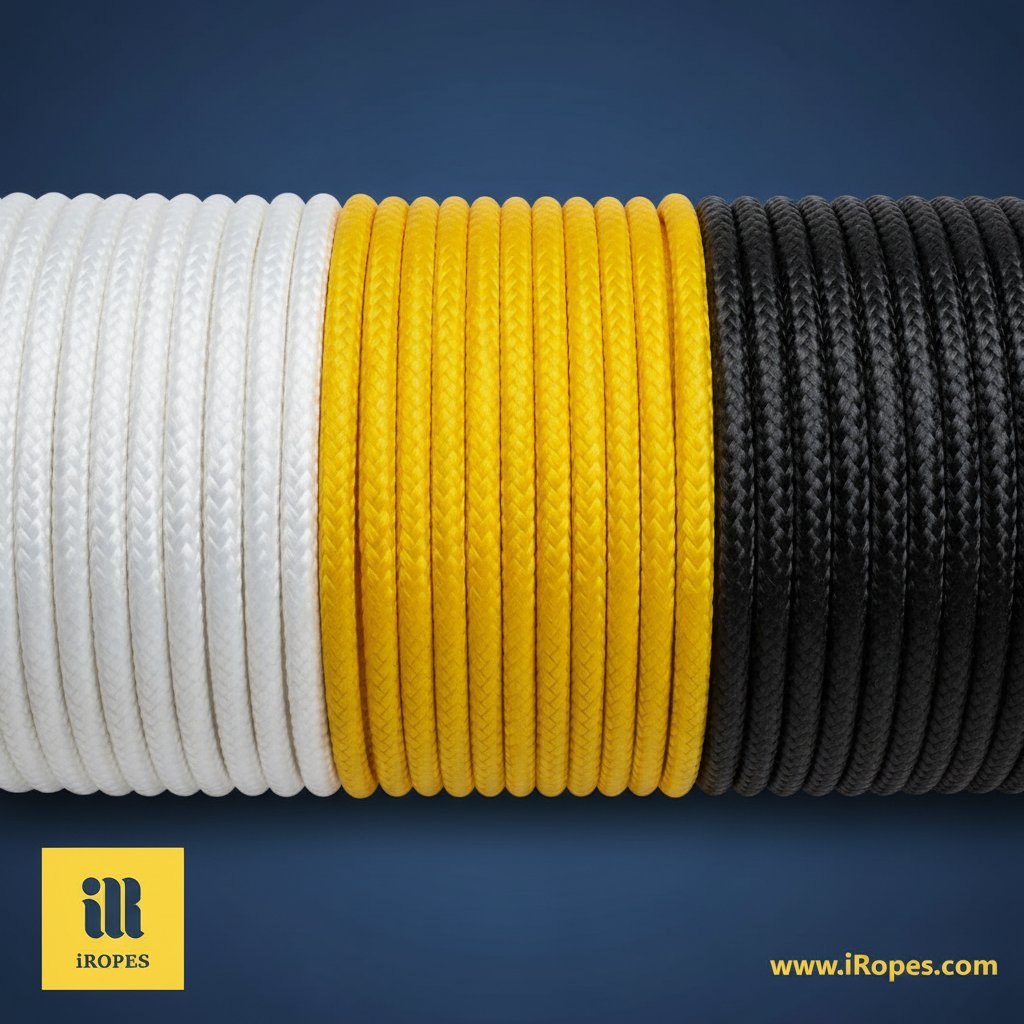
Now, consider their core properties in a marine context. Strength-to-weight ratios are key—HMPE boasts up to 15 times that of steel by weight, allowing you to lift more with less bulk. Low stretch, or high modulus, keeps lines taut; HMPE stretches just 1-3% at break, aramid around 3-4%, while carbon fibre can dip below 1% for laser-like control. What are the initial advantages? HMPE's low water uptake means it stays light and strong even when soaked, aramid shrugs off abrasion from rocky anchors, and carbon fibre's rigidity prevents sagging in long tows.
To see how they stack up, here's a quick comparison of basic specs relevant to wet, salty conditions:
| Material | Tensile Strength (GPa) | Specific Gravity (g/cm³) | Water Absorption (%) |
|---|---|---|---|
| HMPE | 2.5-3.5 | 0.97 | <1 |
| Aramid (e.g., Kevlar) | 2.8-3.6 | 1.44 | 3-4 |
| Carbon Fibre | 3.5-7.0 | 1.8 | Negligible |
These figures highlight why high-strength rope choices matter—HMPE's buoyancy aids quick recoveries. However, carbon fibre's higher modulus hints at better handling extreme pulls, a point we'll explore as we look at performance under real ocean stresses.
Evaluating Rope Strength in Harsh Marine Environments
Building on those foundational specs, where carbon fibre hinted at superior tensile potential, it's time to test these materials against the brutal realities of the sea. Think pounding waves, corrosive salt, and sudden gusts that turn a simple tow into a high-stakes battle. In marine settings, rope strength isn't just a number on paper; it's what keeps your vessel secure when conditions turn vicious. Key metrics here include breaking load (MBL), the maximum force a rope can take before failing; safe working load (SWL), typically one-fifth of MBL to build in safety margins; and fatigue resistance, which measures how well the rope endures repeated stress without weakening over time.
HMPE often gets praised for its impressive power, but just how strong is it in practice? For a real sense, consider diameters commonly used at sea. A 12 mm HMPE line might handle an MBL of around 25 kN, translating to an SWL of 5 kN—enough for anchoring a mid-sized yacht in moderate swells. Larger 24 mm versions push MBL to 100 kN, ideal for heavier mooring tasks. These figures come from standard testing under controlled pulls, but in salty, dynamic waters, fatigue can reduce longevity by 20-30% if not managed. Yet, this strength shines in everyday marine pulls, far outpacing older synthetics like nylon, which might only reach half that MBL at similar sizes.
| Diameter (mm) | MBL (kN) | SWL (kN) | Fatigue Cycles (est.) |
|---|---|---|---|
| 12 | 25 | 5 | 50,000+ |
| 16 | 45 | 9 | 40,000+ |
| 24 | 100 | 20 | 30,000+ |
When pitting HMPE against carbon fibre in these harsh conditions, differences emerge sharply. HMPE holds its own with excellent abrasion resistance—rubbing against barnacle-crusted hulls barely dents it—and UV stability that prevents breakdown under relentless sun. But under ultra-high tensile demands, like dragging heavy gear through turbulent currents, it starts to falter, especially in compression where waves repeatedly compress the line. Carbon fibre, by contrast, maintains integrity in those dynamic loads, its rigid structure distributing forces more evenly without the subtle give that HMPE shows.
HMPE Strengths
Abrasion and UV Leader
Low Elongation
Stretches minimally under load, providing steady control during wave impacts without excessive bounce.
UV Durability
Resists degradation from prolonged sun exposure, maintaining strength over seasons at sea.
Fatigue Tolerance
Handles repeated cycles well in moderate pulls, though care is needed for extremes.
Carbon Fibre Advantages
Rigidity for Extremes
High Tensile
Excelling under peak loads during heavy pulls, it avoids the creep seen in softer fibres.
Compression Resistance
Better at withstanding wave-induced compression, preventing structural fatigue in rough seas.
Superior Modulus
Offers unmatched stiffness for precise handling in high-speed or deep-water scenarios.
Aramid fits in as a solid middle ground, with strong heat resistance that helps during friction-heavy tasks like winching in close quarters. However, its higher stretch—around 3-4%—and denser weight make it less ideal for long hauls compared to carbon fibre's unyielding form. Weighing these options, HMPE's pros include reliable low elongation for controlled responses in choppy waters. Yet, it concedes to carbon fibre's edge in modulus, where heavy pulls demand zero compromise. Have you ever watched a line whip under storm-force winds? That's where these distinctions save the day, pointing toward even deeper dives into what modulus truly unlocks for precision at sea.

Why High Modulus Rope Matters and Carbon Fibre's Edge
With a clear view of rope strength comparisons, understanding the role of modulus reveals why carbon fibre pulls ahead in precision-demanding marine scenarios. Fundamentally, a high modulus rope refers to one with exceptional stiffness, meaning it resists stretching under load to provide minimal elongation—often under 2%. This translates to less sag in lines and sharper control during operations. This property is vital in racing, where even a slight give can cost precious seconds, or in heavy lift tasks, ensuring your rigging stays taut against unpredictable swells without the dangerous whip of overstretched material. Think of it like the difference between a firm handshake and a limp one; the former gives you reliable feedback and power transfer every time.
HMPE delivers solid performance here, limiting stretch to that 1-3% range we touched on earlier, which works well for many dynamic pulls. But push it into prolonged extreme tension, like holding a massive load steady through hours of tidal surges, and creep becomes an issue. Creep is the slow, permanent deformation where the fibres gradually lengthen under constant stress, potentially leading to unexpected failures if not monitored closely. I've personally seen this play out on a charter boat, where an HMPE line started to elongate just enough to shift a deck load during a squall, turning a routine voyage into a scramble. It's reliable for short bursts, yet for those marathon holds, you need something that doesn't budge.
HMPE Limits
Creep risk grows in sustained loads, demanding frequent checks to avoid gradual weakening.
Moderate Stiffness
Handles typical marine stresses but yields slightly under peak dynamic forces like rogue waves.
Carbon Fibre Wins
Modulus up to 10 times that of HMPE ensures rock-solid stability, even in deep-sea towing where every inch matters.
Unmatched Rigidity
Zero creep under extended tension, ideal for operations where precision prevents costly mishaps.
Carbon fibre takes this to another level with its superior modulus, offering a 10-fold advantage over HMPE for ultimate hold in specialized setups. In deep-sea towing, for instance, where lines face constant, immense pressures from underwater currents, this stiffness keeps everything aligned without the subtle shifts that could snag equipment or endanger crews. It's not just about raw power; it's the unwavering response that makes it indispensable for professionals pushing boundaries.
Aramid steps in as a balancer, providing decent modulus without the extremes, which suits mixed-load scenarios. Yet, it falls short against carbon fibre when you need lightweight extreme strength. Aramid adds bulk and weight that can complicate handling in tight marine spaces, whereas carbon remains sleek and featherlight. Ever wondered why elite teams swap out aramid for carbon in high-stakes runs? It's that pure efficiency without the extra drag. These modulus traits set the stage for how materials perform in actual heavy lift, racing, and beyond, where the right choice can define success on the water.

Marine Applications: Heavy Lift, Racing, and Specialised Operations
Building on those modulus insights that highlight carbon fibre's unyielding grip, it's fascinating to see how these traits play out in the daily grind of marine work. When you're out there dealing with the ocean's moods—swells that can flip a rig or winds that test every knot—the right rope isn't just gear; it's your lifeline. Let's break down how these materials step up in heavy lift, racing, and those niche operations where one wrong choice spells trouble, showing why carbon fibre often steals the show for the toughest jobs.
In heavy lift scenarios, like craning massive cargo onto oil platforms or securing moorings during gales, carbon fibre's rigidity is a game-changer. Picture a storm hitting hard, with waves slamming against your setup—traditional lines might bend and snap under sudden shifts, but carbon fibre holds firm, distributing shock without dangerous flex. Operators in the North Sea swear by it for dynamic crane slings, where even minor give could jeopardise loads. It's not invincible, of course; you still need proper terminations like spliced eyes to handle the friction, but its compression strength helps prevent failures when HMPE might start to yield after repeated battering.
Shift to racing, and low-stretch high modulus ropes become your edge on the water. Yacht sails demand split-second control—trim wrong, and you’re losing knots to the fleet. Carbon fibre lines here slash elongation to near zero, letting crews adjust sheets with pinpoint accuracy amid 40-knot gusts. I recall watching a regatta off Sydney Harbour where a team swapped to carbon halyards; their boat sliced through tacks like a knife, outpacing rivals tangled in stretchier setups. For sailboat rigging, this translates to faster speeds and less crew fatigue, turning potential chaos into calculated wins.
Then there are specialised operations, from spearfishing divers needing reliable tethers to defence teams deploying underwater drones. HMPE works fine for lighter dives, floating and knotting easily without dragging you down. However, in extreme durability tests—like prolonged exposure to currents or impacts—carbon fibre steps up. It shrugs off constant rub against gear or rocks, maintaining its core integrity where HMPE's softer nature might wear thinner. In military fast-rope descents or subsea recoveries, where loads spike unpredictably, carbon's stability prevents the subtle shifts that could compromise a mission.
- Heavy Lift Reliability - Carbon fibre's stiffness absorbs storm surges, reducing snap-back risks in crane operations.
- Racing Precision - Minimal sag in sheets allows quicker manoeuvres, boosting competitive edges in yacht events.
- Specialised Durability - Withstands impacts in defence tethers, outlasting HMPE in high-abuse scenarios.
At iRopes, we take this further with OEM and ODM services, crafting high-strength ropes tailored to your specifications—whether it’s weaving in reflective strands for night dives or matching your brand colours for racing teams. Our ISO 9001-certified process ensures every batch meets rigorous standards, and we safeguard your designs through full IP protection, from initial sketches to pallet shipments worldwide. It's about partnering to solve your specific challenges, not just selling line.

Seeing carbon fibre’s edge in these roles makes the overall choice sharper for anyone pushing marine limits—it's that reliability under fire that elevates operations and keeps teams safe.
As we've explored, while HMPE delivers reliable high-strength rope performance with low stretch and buoyancy, it falls short against carbon fibre's superior rope strength in extreme marine conditions. Carbon fibre's exceptional rigidity and up to 10 times higher modulus provide unmatched stability for heavy lifts, yacht racing, and specialised operations like deep-sea towing or defence tethers, minimising creep and maximising control amid relentless waves. Aramid offers a balanced alternative but can't match carbon's lightweight precision. At iRopes, our custom high modulus rope solutions ensure you select the ideal material tailored to your needs, backed by ISO 9001 quality and IP protection for seamless global deployment.
Discover Tailored Rope Solutions for Your Marine Challenges
If the insights above have sparked ideas for upgrading your marine operations with personalised high-performance ropes, fill out the inquiry form above to connect with our iRopes experts. We'll guide you through custom OEM/ODM options to match your exact requirements.