⚠️ Stock boat anchor rodes chafe through 25% faster in rough seas, risking anchor drag and cruise-ending drifts—while custom setups from iRopes extend durability by 3x under 40-knot gusts, ensuring peace of mind.
In 12 minutes, you'll master secure anchoring:
- ✓ Decode rode components to spot why generic packages fail, preventing 70% of common safety risks on your vessel.
- ✓ Apply the 7:1 scope rule for boat-specific selection, boosting holding power up to 50% in varied seabeds.
- ✓ Gain tangle-free deployment skills via spool systems, slashing retrieval time by 40% during urgent situations.
- ✓ Unlock iRopes' OEM customisation for tailored rodes, ensuring ISO-certified reliability for your next voyage.
You've probably grabbed a stock anchor rode, thinking it covers the basics. But what if that off-the-shelf compromise is silently sabotaging your cruise—exposing weak splices and mismatched elasticity to sudden storms? As hidden flaws, such as inadequate chain calibration and chafe-prone generics, unravel under real pressure, discover how iRopes' precision-engineered solutions transform fleeting fixes into lifelong anchors of confidence. What overlooked detail could save your next outing from disaster?
Understanding the Boat Anchor Rode: Definition and Critical Importance
Imagine you're out on the water, the sun dipping low, and you've just dropped anchor for a peaceful evening. But what if that vital link between your boat and the seabed gives way? That's the nightmare we're avoiding here. A boat anchor rode is essentially the lifeline that connects your anchor to the boat—think of it as the unsung hero of secure anchoring. It's usually a combination of rope and chain, designed to keep everything steady against waves, wind, and currents. Without it working properly, your vessel could drift into trouble, turning a relaxing cruise into a real headache.
Why does this matter so much? The rode plays a huge role in your safety out there. It absorbs the shock from sudden pulls, like when a gust hits or the tide shifts, preventing the anchor from dragging across the bottom. That elasticity helps maintain holding power, which is crucial in rough conditions where failure could mean bumping into rocks or other boats. I've seen it firsthand on a windy night off the coast— a buddy's generic setup started fraying under strain, and we spent hours repositioning instead of enjoying the trip. Ask yourself: do you want to risk that on your next outing? Reliable shock absorption and grip aren't just nice-to-haves; they're what keep you safe when conditions turn.

At its core, a solid boat anchor rode breaks down into a few key parts that each handle specific jobs. The rope provides that all-important stretch to cushion impacts, while the chain adds weight to help the anchor dig in and resist wear from the seabed. Then there are the connections—things like splices and thimbles—that ensure everything stays linked without weak spots.
- Rope for elasticity: Typically made from nylon, it stretches up to 30% under load, acting like a natural spring to absorb waves without snapping.
- Chain for weight and abrasion resistance: Galvanised links lay flat on the bottom, keeping the pull horizontal and protecting against rocks or coral scrapes.
- Secure connections like splices and thimbles: These hand-tied or fitted joins prevent fraying at stress points, ensuring the whole system holds under pressure.
Getting these elements right sets the foundation for trouble-free anchoring. However, when pre-made anchor rode packages cut corners on matching them to your setup, that's where issues start creeping in—especially with the finer details of each part.
Decoding Components: Why Stock Anchor Rode Packages Fail to Deliver
Those finer details we touched on—like the rope, chain, and connections—can make or break your anchoring setup, especially when you're dealing with off-the-shelf anchor rode packages that promise one-size-fits-all convenience. Yet in reality, these generic kits often leave boaters hanging, quite literally, because they overlook how each part interacts with your specific vessel and cruising style. Let's unpack why, starting with the rope that gives your system its give.
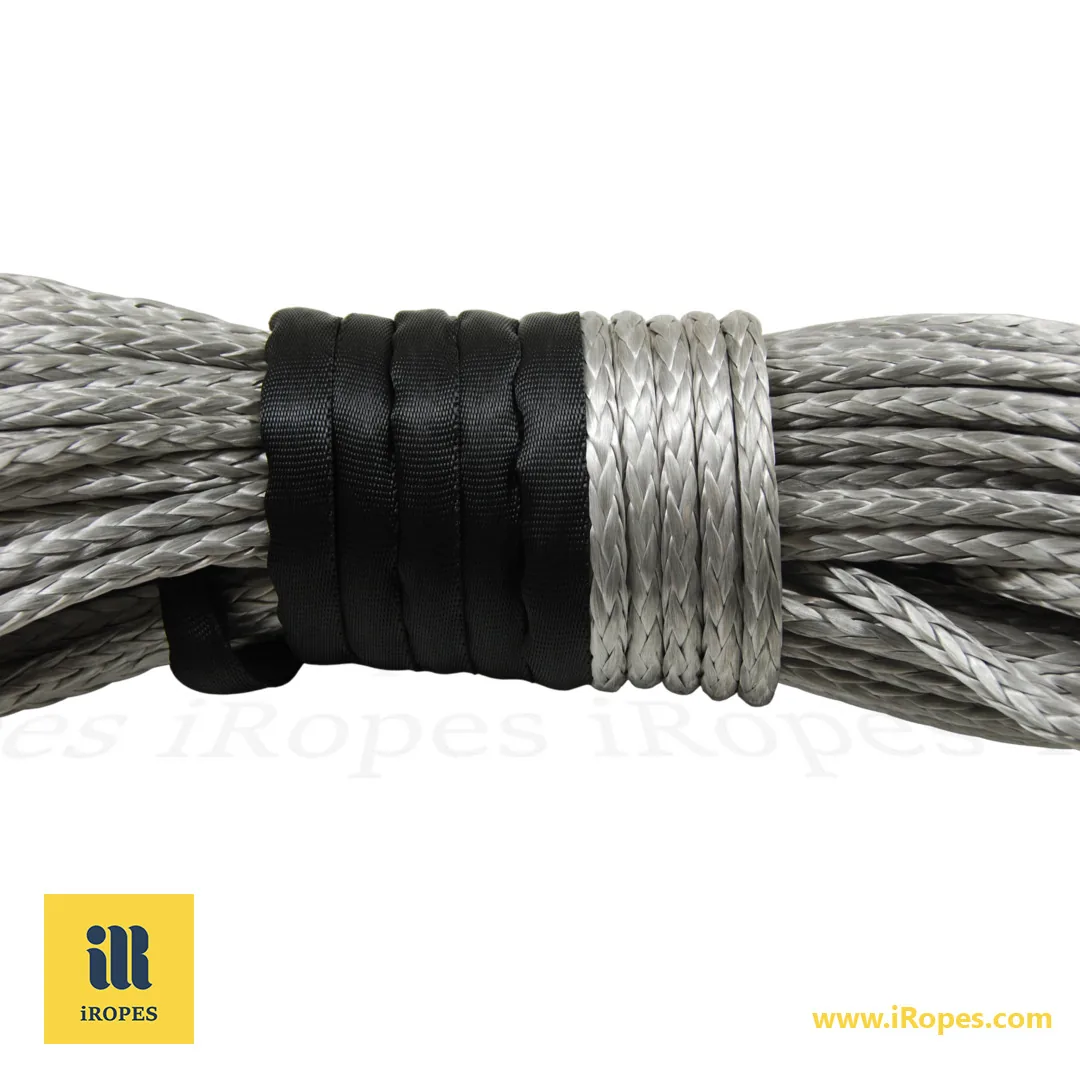
When it comes to the rope in a boat anchor rode, the choice boils down to materials that handle stretch and strength without giving up too soon. Nylon reigns supreme here for its ability to elongate under load, soaking up the jerks from waves like a sturdy bungee cord. Within nylon, however, you've got options: 3-strand twisted for that classic elasticity that's forgiving in rough seas, or double-braided for smoother handling through a windlass—less friction means less wear over time. So, what makes one the best line for an anchor rode? It depends on your setup. If you're powering everything with an electric windlass, braided nylon slides right in without jamming, offering better durability for frequent use. Three-strand, on the other hand, stretches more—up to 15-20%—making it ideal for absorbing shocks on smaller boats where every gust counts. Stock packages? They usually default to basic 3-strand without considering your windlass or exposure to UV, leading to quicker fraying and reduced lifespan. I remember swapping out a buddy's generic nylon after just one season; it had turned brittle from sun damage, forcing an emergency re-anchor in a squall.
Chain Essentials
Why Calibrated Links Matter
Galvanised Protection
Zinc coating resists rust in saltwater, extending chain life where bare metal would corrode fast.
Chafe Prevention
Heavy links create catenary, keeping rope off the seabed and away from rocks that grind through lines.
Calibrated Sizing
Uniform links fit windlass gypsies perfectly, avoiding skips that jam retrieval in tight spots.
Connection Hardware
Secure Joins for Strength
Thimbles and Shackles
These reinforce eyes and links, distributing load to prevent pulls that snap weak points.
Splicing Techniques
Hand-spliced eyes outlast sewn ones, maintaining full rope strength without bulky failures.
Stock Compromises
Generic assemblies use cheap pins that loosen, risking disconnection under repeated stress.
Now, the chain in your anchor rode package isn't just dead weight—it's the anchor's best friend for digging in. Galvanised, calibrated chains with precise link sizes lay flat on the bottom, creating that low-angle pull essential for holding. Off-the-shelf options often skimp on calibration, leading to mismatched fits with your windlass or uneven wear that invites chafe. And don't get me started on connections: thimbles protect rope ends from bending fatigue, while proper shackles and splices ensure the whole thing doesn't part ways mid-storm. Stock kits frequently use machine-sewn joins that weaken over time, compromising the system's integrity.
Putting it all together, rode types vary widely. And that's where pre-packaged solutions really stumble for cruising boats. All-rope setups shine for lightweight storage and max stretch in calm bays, but they chafe easily on rough bottoms. All-chain offers unbeatable abrasion resistance and holding in storms, yet it's heavy and pricey, better for big yachts than weekend cruisers. The sweet spot? Combination rodes, blending, say, 10-20 feet of chain with nylon rope for weight up front and shock absorption behind. Pros include balanced performance across conditions; cons are the need for a solid splice to join them. Generic packages rarely nail this ratio to your boat's displacement or typical depths, leaving you with excess bulk or insufficient grip. Have you ever wrestled with a mismatched setup, wondering why it just doesn't feel right?
Understanding these trade-offs shows why customization matters when picking an anchor rode package—tailoring to your boat's needs ensures it performs without surprises.
Selecting the Optimal Anchor Rode Package: Factors for Cruising Success
Customization matters, as we just saw with those component trade-offs. However, nailing the right anchor rode package means looking at your boat's specifics first. No two vessels are exactly alike, so starting with size and type sets you up for success. For a compact 20-foot day sailor, you'd go lighter—perhaps 3/8-inch diameter nylon rope with a shorter length to match its low displacement. Scale up to a 40-foot cruiser, and you're talking 5/8-inch or thicker, paired with more chain to handle the extra weight when winds pick up. Displacement is key here; heavier boats need stronger materials to absorb those bigger loads without stretching too far. Think about it like sizing a tow rope for your truck—the wrong fit, and you're in trouble on the first pull.
Boat Size Matching
Small vessels under 30ft: Opt for 200-300ft of 1/2-inch rope with 6-8ft chain for easy handling.
Large Vessel Needs
Over 40ft: Choose 400ft+ of 3/4-inch line and 15-20ft chain to support higher loads in open water.
Weather Adaptation
Storm-prone routes: Prioritise extra elasticity in nylon to handle gusts up to 40 knots without drag.
Seabed Considerations
Rocky bottoms: Add longer chain sections to keep rope elevated and reduce scraping risks.
Once you've got the basics aligned with your boat, factor in where and how you'll anchor. Water depth plays a big part—shallow coves might need less length, but deep offshore spots demand more to achieve proper scope. Speaking of which, the 7:1 anchor rule is a go-to guideline: for every foot of water depth, let out seven feet of rode total. This creates a low-angle pull that lets the anchor bury deep, boosting holding power by up to 50% compared to shorter scopes. Seabed type matters, too; soft mud grips fluke anchors well with minimal chain, while hard sand or rocks call for plow styles and heavier setups to penetrate. Weather amps it up—calm days forgive shorter rodes, but impending storms mean extending to that full ratio for stability. I once shortened scope in a bay only to watch my boat swing wildly as tides changed; sticking to 7:1 would've saved the hassle.
Windlass compatibility ties it all together, ensuring smooth operation without jams. Not every rode feeds neatly into an electric winch—braided lines or calibrated chains match gypsies best, avoiding skips during retrieval. That's where options like iRopes' OEM and ODM services shine, letting you tweak diameter for perfect fit, add custom colours for visibility, or include accessories like snubbers. For the full system, consider how your rode pairs with anchor choice. Fluke designs excel in mud with lighter rodes, while plow anchors handle sand or weeds better, needing that balanced chain-rope combo for peak performance. No single anchor rules them all, but matching it to your rode's strengths—like a plow with a heavy-duty package—creates a reliable setup across seabeds. Ever notice how the wrong pairing leaves you resetting mid-afternoon?
Getting this integration right means your anchoring deploys effortlessly. However, keeping everything organised for quick access takes the right storage approach.
Mastering Boat Anchor Spool Systems: Storage, Deployment, and Maintenance
Keeping everything organised for quick access, as we discussed with selecting the right setup, often hinges on how you store your boat anchor rode. Enter the boat anchor spool—a simple yet game-changing tool that keeps your line tidy and ready when you need it most. Whether you're prepping for a sunset anchor in a quiet cove or facing a sudden squall, a good spool system turns chaos into control, preventing those frustrating tangles that can delay deployment and amp up stress on the water.
Boat anchor spool types come in a couple of main flavours, each suited to different setups and hands-on preferences. Manual reels, like the classic hand-crank models, give you direct control over winding and unwinding, making them lightweight and affordable for smaller vessels. They're perfect if you enjoy the hands-on feel and don't mind a bit of elbow grease—think of it as your personal winch for tangle-free storage that packs away easily in limited deck space. On the flip side, electric systems integrate with your windlass for powered operation, ideal for larger cruisers where quick retrieval saves time and effort. These automated options handle heavy loads smoothly, ensuring fast payout and haul-back without the physical strain. Both deliver big on benefits: organised coils that resist kinks, reducing wear on the rode itself, and faster access that lets you focus on the anchor drop rather than fighting knots. In my experience, switching to an electric spool on a friend's 35-footer cut retrieval time in half during a choppy inlet run, turning what could've been a scramble into a smooth operation.
Once stored, deploying from a spool calls for straightforward techniques to keep things safe and snag-free. Start by slowly paying out the line at a steady pace, avoiding sudden jerks that twist the rode—manual spools let you guide it by hand, while electric ones benefit from a foot switch for hands-free control. Always check for twists beforehand; a quick visual spin of the coil reveals any buildup, which you can unwind by reversing the reel briefly. This method enhances safety by minimising jams that could foul your propeller or leave you adrift mid-drop. Spools shine here because they maintain even tension, preventing the rode from piling up on deck like a loose pile might. This is especially vital in tight spaces or when solo anchoring. Have you ever had a twist catch at the worst moment? Proper payout from a spool avoids that entirely, giving you confidence in rougher conditions.
To keep your system reliable season after season, stick to a simple maintenance routine that spots issues early. Inspect monthly for signs of wear, like frayed edges on the spool housing or rode abrasion from the reel edges—rinse with fresh water after every saltwater use to fend off corrosion. Cleaning prevents mildew buildup; a mild soap wash followed by thorough drying in the shade keeps the nylon fresh without harsh chemicals that degrade fibres. For off-season storage on cruising vessels, coil loosely in a dry locker away from direct sun, and consider a breathable cover to ward off dampness. These steps extend life dramatically, often adding years to your gear.
- Monthly visual checks for cracks or wear on spool parts and rode contact points.
- Rinse and dry after each outing to remove salt and prevent mildew growth.
- Off-season: Disassemble if possible, store in cool, dry area with tension released.
iRopes takes this further with custom boat anchor spool and rode solutions tailored for wholesale partners, blending precision manufacturing with your branding needs. Our OEM and ODM services let you spec diameters, materials, and even integrated features like quick-release mechanisms, all backed by ISO 9001 quality and full IP protection. In yachting or commercial ops, these designs ensure seamless fit for your clients, from reflective accents for night visibility to robust builds for defense applications. It's about more than storage—it's building trust in every coil that hits the water.
Armed with insights into why generic anchor rode packages can jeopardise your cruise, you're now equipped to prioritise a reliable boat anchor rode that matches your vessel's size, anchoring conditions, and the 7:1 scope rule for optimal hold. From selecting the best rope and chain combos to mastering boat anchor spool systems for tangle-free deployment and maintenance routines like monthly inspections and post-use rinsing, custom solutions from iRopes ensure durability and safety on every outing. Tailored OEM and ODM options address your specific needs, preventing drifts and enhancing enjoyment at sea.
Need a Custom Boat Anchor Rode Package? Get Expert Guidance
If you're ready to upgrade your setup with personalised recommendations from iRopes specialists, fill out the inquiry form above to discuss custom anchor rode and spool solutions tailored just for your boat.