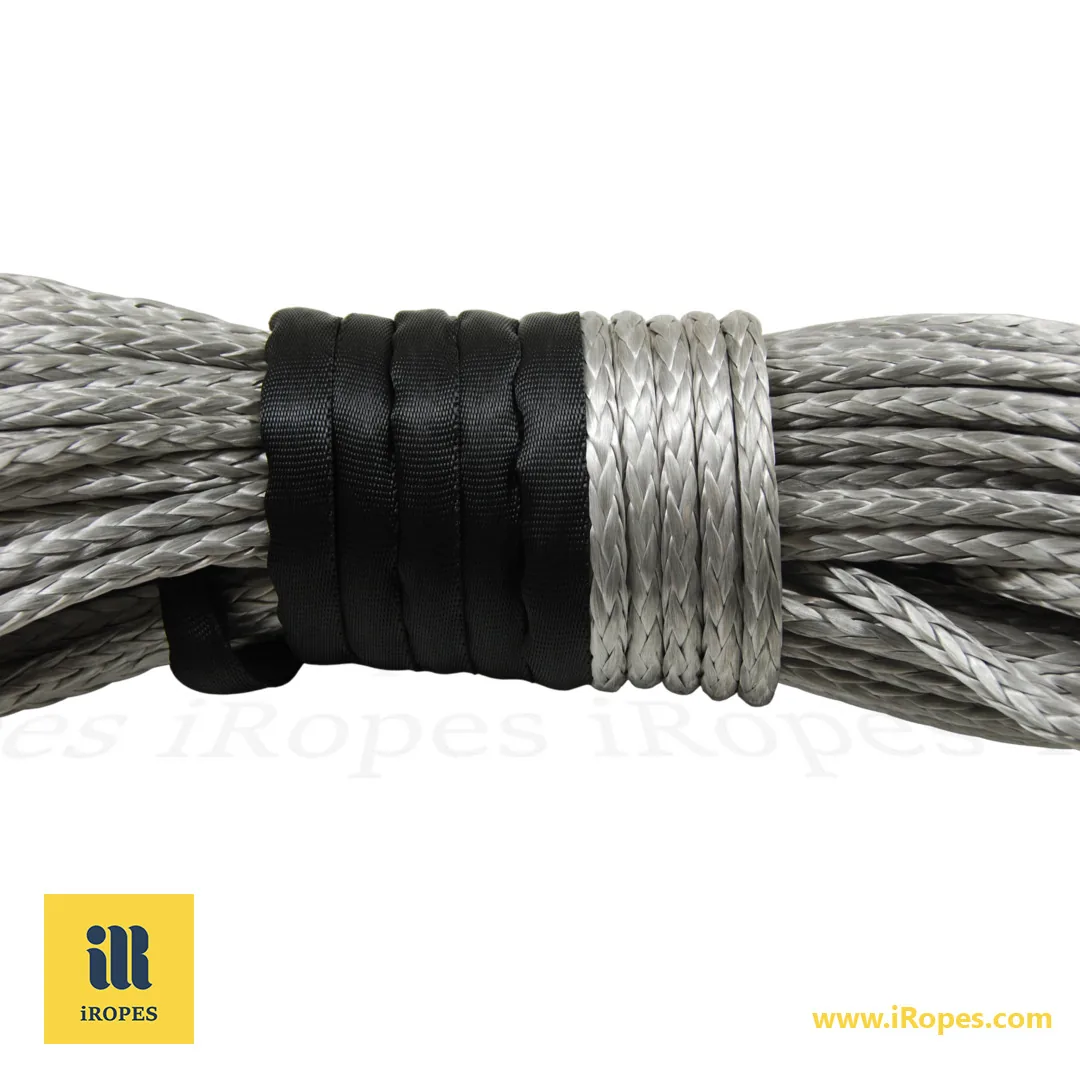
Thimble eye slings slash marine failure risks by 50% — engineered reinforcements that shield rope loops from saltwater abrasion and crushing loads, preventing catastrophic snaps in yachting or offshore operations. iRopes' ISO 9001-certified synthetics ensure your rigging holds under 5x safety factors, turning potential disasters into reliable performance.
Unlock Marine Safety in a 7-Minute Read → Discover How Thimbles Transform Rigging
- ✓ Boost Durability 50%: Thimbles guard against chafing on hulls or hardware, extending sling life by years in corrosive seas.
- ✓ Retain 100% WLL: Maintain load limits under dynamic stresses, solving deformation that drops strength by 20% in unprotected eyes.
- ✓ Enhance Hardware Fit: Seamless shackle connections reduce metal wear, acquiring skills for safer yacht mooring and lifts.
- ✓ Customise for Your Fleet: Tailor synthetics and lengths via iRopes ODM, cutting weight 80% over wire for agile offshore handling.
Picture your yacht pitching wildly in a sudden gale, cargo straining against frayed rigging— one weak eye could spell disaster. Yet, many skip this vital shield, thinking synthetics alone suffice. But what if a simple insert not only averts snaps but elevates your setup to defence-grade resilience? Dive in to uncover how iRopes' thimble eye slings resolve these hidden vulnerabilities, promising catastrophe-proof operations that safeguard lives and loads alike.
Understanding the Thimble Eye Sling: Definition and Purpose
Imagine you're out on the open water, rigging your yacht for a long haul, when a sudden storm hits. The last thing you want is for your lifting gear to give way under strain. This is precisely where a thimble eye sling becomes indispensable. It's essentially a rope sling featuring a protective metal or synthetic insert, known as a thimble, fitted into the loop at one end. This design is crucial; it keeps the rope's integrity intact against the relentless pressures of marine environments, such as corrosive saltwater spray and massive loads that could otherwise cause catastrophic failures. These slings are more than just gear; they're lifelines that prevent sudden, heart-stopping failures.
So, what exactly is a thimble eye? Picture it as a sturdy, U-shaped reinforcement slipped inside the rope's looped end, much like a shield for a knight's arm. It prevents the rope from fraying or kinking when bent around sharp edges or placed under heavy tension. This is especially vital in salty, abrasive environments where unprotected loops would quickly wear down. Without this simple addition, the eye—the looped part—becomes the weakest point, prone to deformation that can slash its strength by up to 20 percent in harsh conditions. Thimble eye slings counteract this by distributing stress evenly, ensuring the entire assembly remains reliable and averting potential disasters like dropped loads or structural collapses at sea.
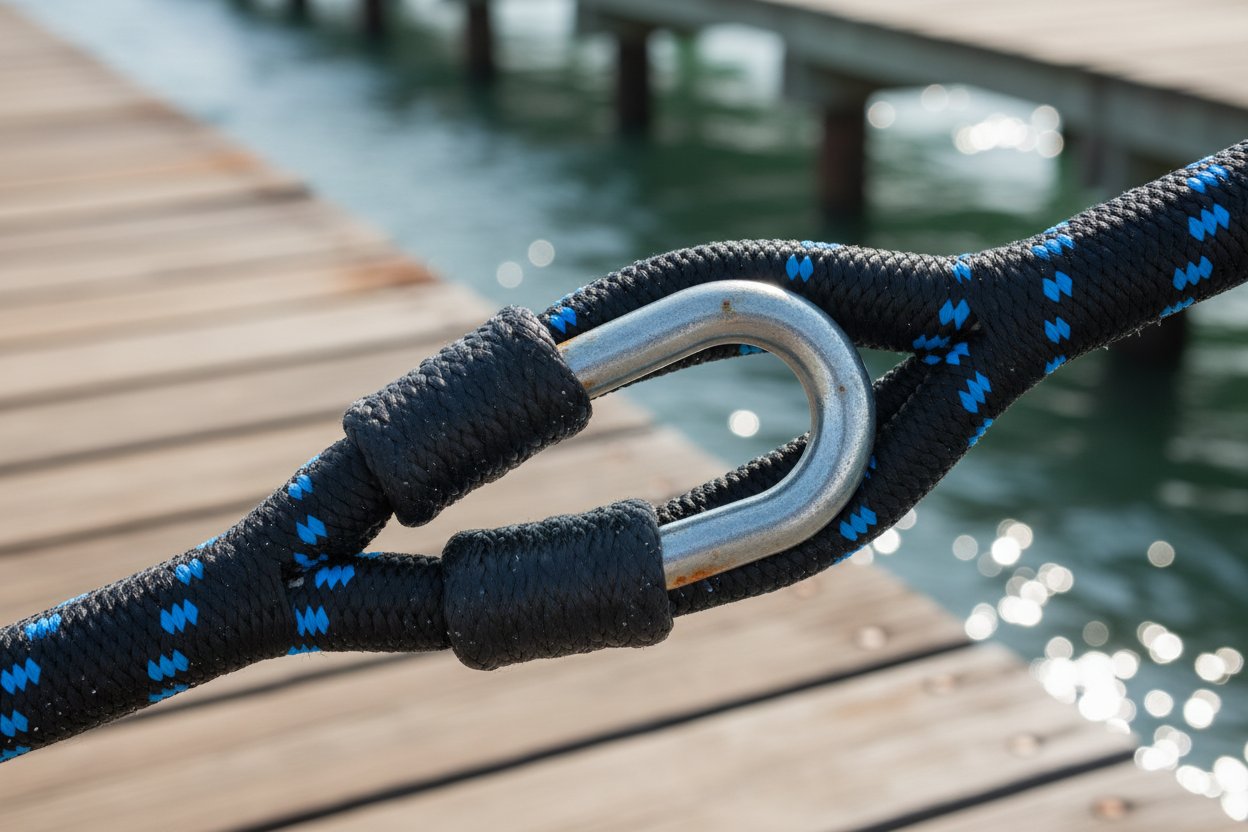
Consider the vulnerabilities without such protection: in marine settings, waves crash, wind whips, and salt tirelessly corrodes fibres. An unprotected eye might chafe against a cleat or hull edge, leading to sudden breaks that could capsize a vessel or endanger crew during defence manoeuvres. Thimble eye slings directly counter this by safeguarding the loop, allowing for safer, more predictable performance. At iRopes, we elevate this further with our ISO 9001-certified production process. Every thimble eye sling undergoes rigorous testing to meet the intense demands of yachting races or naval operations, utilising high-grade synthetics that resist UV and chemicals far more effectively than traditional wire. Our lightweight options offer uncompromised strength without the unnecessary bulk associated with wet wire rigging.
These slings are not one-size-fits-all; their design excels in situations requiring precision, such as securing cargo on a pitching deck or lifting anchors without concern. By embedding the thimble during manufacturing, we ensure seamless integration, boosting overall resilience without adding bulk. It is this meticulous attention to detail that transforms potential catastrophes into routine successes on the water.
In the unforgiving marine world, a thimble eye sling isn't a luxury—it's the difference between smooth sailing and a total wipeout.
With these foundational principles understood, let's delve deeper into the inner workings and configurations of thimble eye slings, exploring how they adapt to even tougher marine challenges.
Anatomy and Types of Eye Eye Sling Configurations
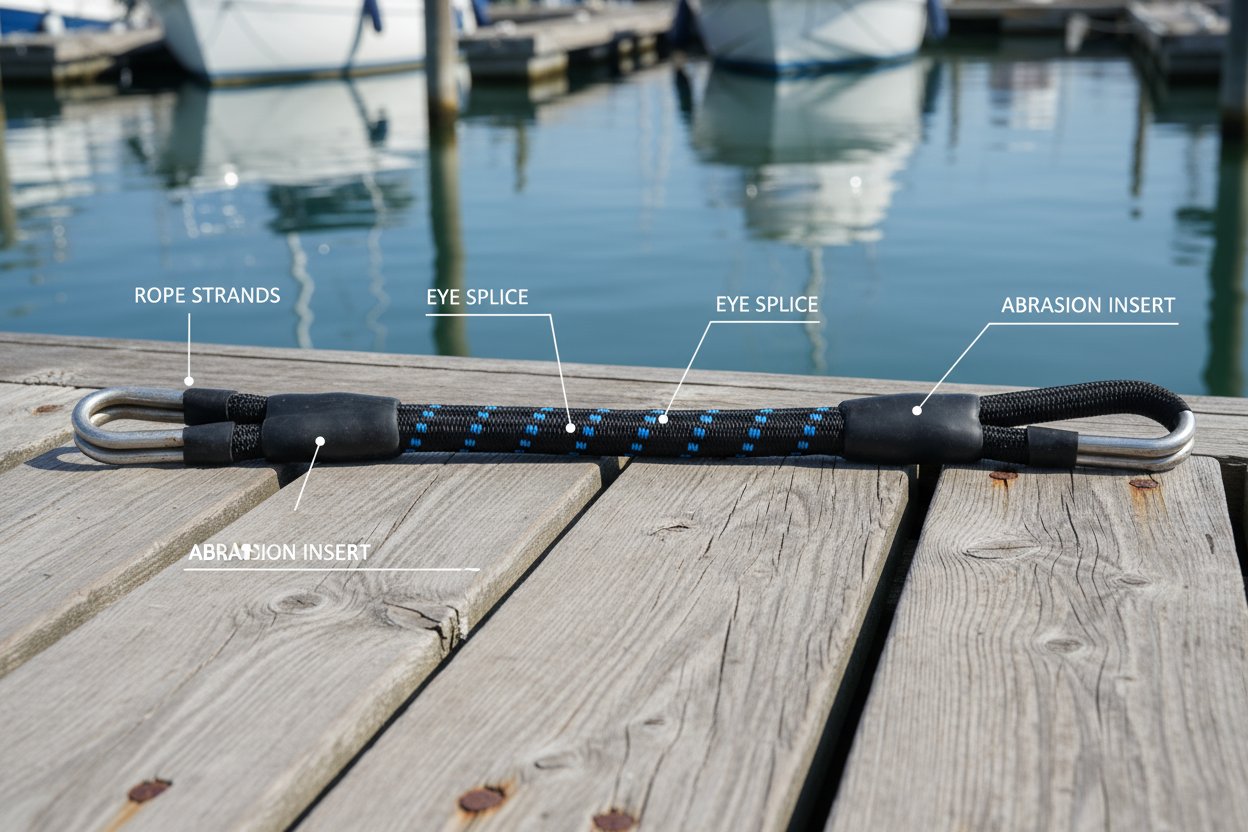
Building on how thimble eye slings protect against marine hazards, let's examine their internal components and configurations. At its core, an eye eye sling begins with the rope itself—the fundamental element that withstands the brunt of any lift. While traditional options often use wire rope, which is robust but heavy and rust-prone in marine environments, iRopes offers synthetic ropes. These, often made from high-molecular-weight polyethylene, provide comparable strength at a fraction of the weight, eliminating corrosion concerns. These materials flex without kinking, making them ideal for the unpredictable forces of waves or wind during yacht mooring.
The eyes are the looped ends, formed by splicing or swaging the rope back on itself, creating secure attachment points. Without proper reinforcement, these loops would crush or fray under load. However, thimble integration changes everything. A sling thimble slots into the loop, its curved shape preserving the eye's integrity and relieving stress, much like a stiffener in a sail prevents flapping in a gale. Proper thimble integration ensures smooth connections and prevents premature wear, a critical factor in demanding operations.
What is an eye and eye sling, exactly? It is a straightforward dual-loop design, featuring eyes at both ends for easy hitching in confined spaces, such as wrapping around a buoy or connecting to deck hardware on a pitching yacht. Adding thimbles to both eyes significantly enhances durability, allowing the sling to handle diverse marine hitches without the loops deforming. This configuration is particularly effective in offshore scenarios where quick, reliable connections are paramount to prevent slippage or wear during operations.
Core Components
Breaking Down the Build
Rope Material
Synthetics from iRopes provide lightweight strength ideal for marine mobility, resisting saltwater better than wire.
Eye Formation
Spliced loops ensure secure, non-slip holds, tailored for heavy pulls in yachting lifts.
Thimble Integration
Protects against crushing, maintaining shape for repeated use in offshore rigging.
Sling Types
Key Configurations
Single-Leg Eye & Thimble
One protected eye for straightforward vertical lifts in defence cargo handling.
Eye & Eye with Thimbles
Dual protection for versatile basket or choker hitches in yacht anchoring.
Thimble & Thimble Variant
Full-end shielding for extreme marine loads, like offshore platform work.
These eye eye sling setups are part of broader categories. When asked what the three types of sling are, the answer typically includes chain, synthetic, and wire rope varieties. Chain slings handle extreme heat but are bulky; wire ropes offer rigidity for straight pulls but become cumbersome and heavy in wet conditions. In contrast, synthetics—like iRopes' eye eye slings—offer an optimal balance with lightweight handling and marine-grade resilience. Synthetic slings significantly ease the effort of handling compared to soaked wire slings, making them a preferred choice for yachting crews who prioritise speed and safety.
Understanding these fundamental building blocks and variations demonstrates the remarkable adaptability of eye eye slings, highlighting why their protective features are so invaluable in high-stakes marine environments.
Key Benefits of the Sling Thimble in Marine Applications
Having explored the adaptable configurations of eye eye slings, let's now focus on the transformative benefits of the sling thimble. These small inserts are not passive components; they actively shield your rigging from the harsh realities of the sea, converting potential weak points into highly reliable anchors.
Consider the daily threats: saltwater permeates fibres, constant rubbing occurs against rough surfaces, and sheer force from waves impacts loads. A sling thimble serves as a vital barrier, preventing abrasion that would otherwise degrade rope over time. It stops the crushing effect that occurs when an eye loops over a jagged edge and guards against general wear from UV exposure or chemical spills. Without a thimble, your sling might last only one demanding yachting season; with one, you can expect many years of service. This extended lifespan is not merely convenient; it directly reduces the risk of unexpected failures that could result in heavy equipment going overboard or straining a vessel's structure during a squall.
When people inquire about the function of a thimble in wire rope sling, the explanation centers on two major advantages: it boosts breaking strength by preventing sharp bends in the eye that dramatically reduce capacity, and it helps maintain the working load limit (WLL) even after repeated use. For iRopes' synthetic versions, we apply this same principle using durable plastic or coated metal thimbles that integrate perfectly with lightweight fibres. These configurations consistently maintain a solid 5:1 safety factor, ensuring your WLL remains consistent whether you're lifting in calm harbours or rough swells. It’s akin to providing your rope with an extra layer of armour that adds no significant weight, a welcome feature when managing gear on a wet deck.
- Abrasion Resistance - Shields rope from chafing on hardware or loads, preserving fibre integrity in salty conditions.
- Crush Protection - Maintains eye shape under compression, avoiding kinks that drop strength by up to 15 percent.
- Wear Reduction - Fights environmental damage like UV and chemicals, extending overall usability.
Compatibility with other gear is another understated benefit. Thimbles create smooth, rounded interfaces that seamlessly integrate with shackles or hooks, preventing metal-on-metal grinding—a frequent issue in industrial marine rigging. In yachting, this reduces pitting on fittings from constant exposure, keeping connections clean and efficient. Thimbles eliminate such damage, ensuring all components connect without additional wear. This enhances the longevity of expensive hardware.
These advantages are most evident in situations demanding superior eye protection, such as lifting massive buoys during offshore oil operations or securing branches in coastal tree work where water introduces slip and strain. In defence operations, consider fast-roping gear that must withstand sudden jolts without the eyes failing—thimbles make this possible, preventing catastrophes that could transform a routine lift into a crisis. Have you considered how one crucial, yet often overlooked, detail like this can profoundly impact an entire operation?
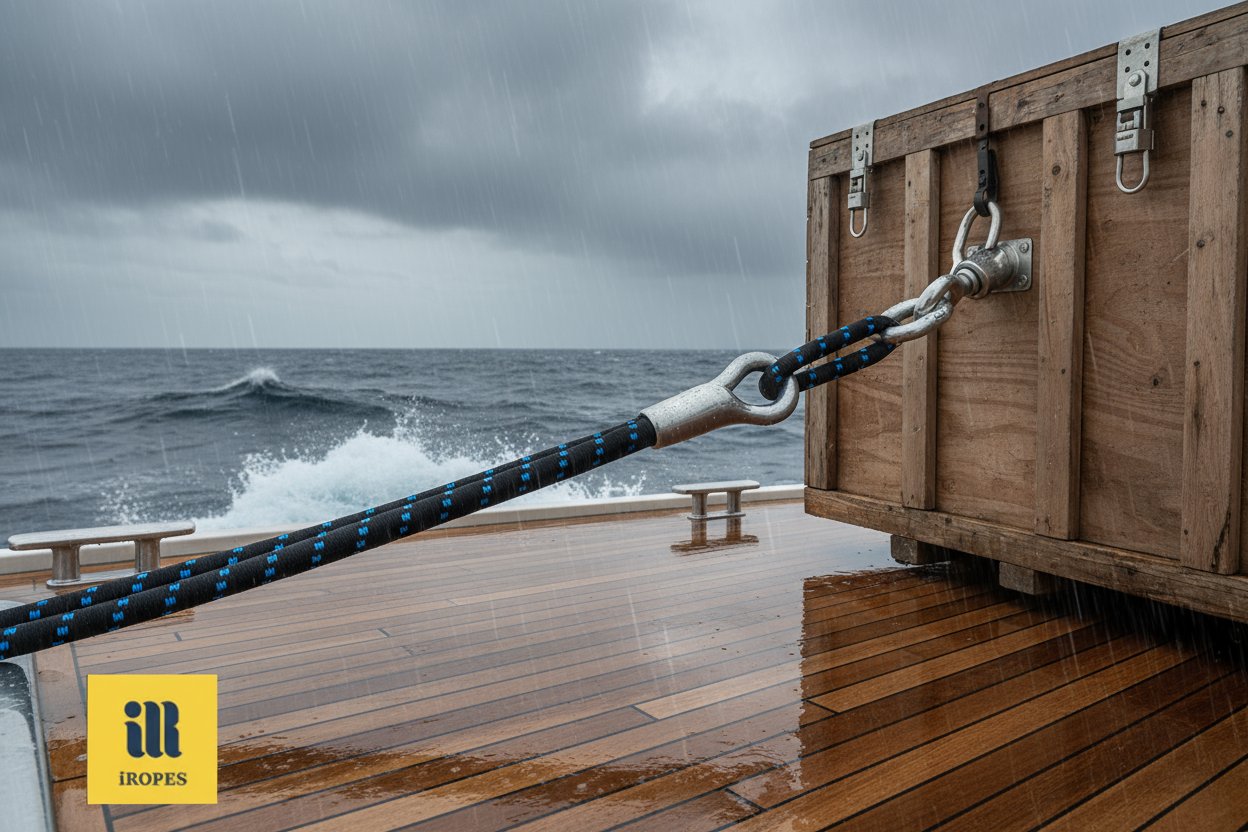
Of course, this robust protection is contingent on proper handling—from initial setup to ongoing inspections. This brings us to the critical aspects of installation, care, and customisation.
Installation, Inspection, and Customization for Optimal Performance
The protective advantages of the sling thimble are fully realised only through correct installation and consistent monitoring over time. Proper installation ensures your thimble eye sling performs as intended, particularly in the unpredictable marine environment where salt and swells introduce additional risks. Begin by matching the sling precisely to your load's weight and the operating environment; never compromise on capacity, as this could result in dangerous slips or snaps. When attaching, secure the thimbled eye over a clean, rounded pin or shackle that fits snugly without pinching the rope. Avoid sharp edges that could bypass the thimble's protection; in yachting, this might involve padding hull fittings during mooring to prevent hidden abrasives.
Understanding hitch types is essential for safe adaptation. A vertical hitch lifts straight up, ideal for hoisting anchors directly—it’s simple, strong, and maintains the full working load limit. When wrapping around a load like a buoy, a choker hitch can be used, but remember it reduces capacity to approximately 75 percent. Furthermore, thimbled eyes will not pass through each other without additional hardware for a true choker. Basket hitches cradle awkward shapes, such as deck cargo, effectively doubling the load rating but requiring even spreading to prevent twisting. In marine settings, always rinse gear thoroughly after use to remove salt and store it dry to prevent hidden corrosion. Neglecting this crucial step can quickly degrade equipment and compromise safety.
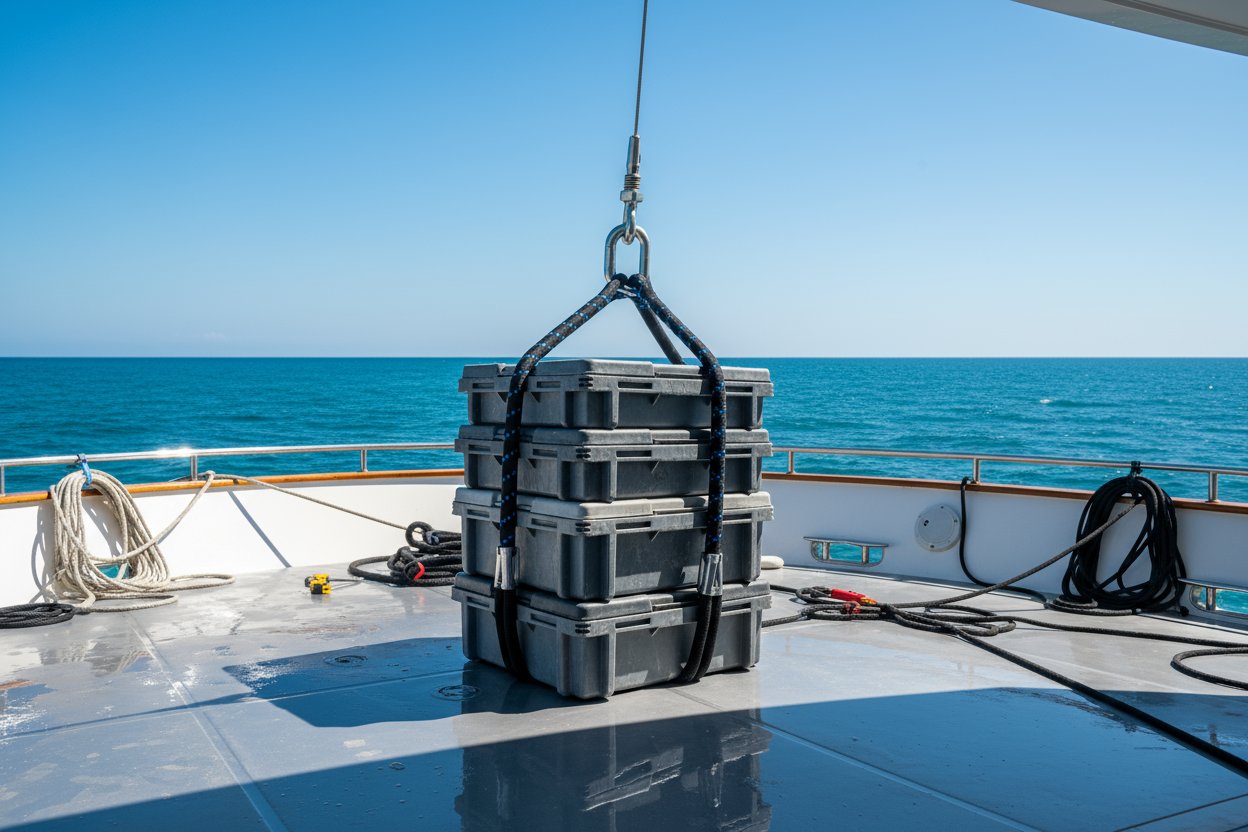
Once in use, routine inspections ensure continued reliability. So, how do you inspect a thimble eye sling for damage? First, carefully run your hands along the rope for any cuts, 'bird-caging', or powdered fibres that indicate internal breaks. Check the eyes for pulled splices or elongation, and scrutinise the thimble for cracks, bends, or loose fits that might allow debris ingress. Any significant deformation here could halve your safety margin, necessitating immediate removal from service to ensure compliance with standards like ASME B30.9. Conduct these inspections before and after each critical use, and monthly for less frequent operations, documenting all findings to track wear patterns.
- Examine rope for external cuts or internal kinks from overloads.
- Test thimble for cracks or separation from the eye loop.
- Measure eye dimensions against originals to spot stretching.
For truly optimal performance, iRopes provides comprehensive OEM and ODM services that allow for extensive customisation. This includes tailored synthetic blends resistant to UV and chemicals, precise diameters starting from 1/4 inch for nuanced control, and lengths up to 100 feet or more. You can even add your branding via coloured strands or custom tags, all while we ensure intellectual property protection for your designs. This bespoke approach ensures a sling specifically engineered for your yacht’s unique rigging requirements, avoiding common off-the-shelf compromises.
Safety is also intrinsically linked to material choices. What are the differences between wire rope and synthetic thimble eye slings? Wire rope provides rigid strength for straight-line pulls but is heavy and prone to rust in damp air, requiring intensive upkeep. Synthetic options, such as those from iRopes, reduce weight by up to 80 percent for easier handling on deck, resist corrosion completely, and flex without fatigue under twisting forces—making them ideal for dynamic marine applications. Both material types maintain strong eyes with thimbles, yet synthetics significantly reduce risks in wet, moving loads where wire might unexpectedly stiffen or corrode. For a deeper dive into these advantages, explore synthetic vs. nylon-coated wire rope comparisons.
Wire Rope
Rigid and durable for heavy static loads, but prone to rust and added vessel weight in marine use.
Requires Frequent Checks
Inspections must catch corrosion early to avoid sudden failures at sea.
Synthetic Rope
Lightweight and flexible, ideal for dynamic yachting with no rust worries.
Corrosion-Free Durability
Enhances safety in saltwater without the weight penalty of traditional wires.
Implementing these practices not only safeguards your operations but also provides access to solutions precisely tailored to your needs, delivered by trusted partners who prioritise quality at every stage.
In the high-stakes world of yachting and offshore operations, a thimble eye sling emerges as a vital safeguard against marine catastrophes. The robust sling thimble reinforces rope loops, effectively combating abrasion, crushing, and saltwater corrosion. From versatile eye eye sling configurations, which often feature dual-thimbled designs for myriad hitches, to advanced synthetic materials that consistently outperform heavy wire ropes, these slings ensure unfailing performance in defence and diverse industrial applications. Proper installation is paramount, involving the correct use of vertical, choker, or basket hitches with compatible shackles. Equally crucial are meticulous inspections for wear, deformation, or thimble damage, which ensure working load limits are maintained. iRopes' ISO 9001-certified customisation capabilities further tailor these solutions to your exact needs, significantly enhancing hardware integration and eye protection for safer, more efficient rigging operations.
Need Tailored Thimble Eye Sling Solutions for Your Marine Projects?
If you're seeking personalised recommendations or custom quotes on thimble eye slings to prevent failures in your operations, please complete the inquiry form above—our iRopes specialists are ready to assist with OEM/ODM options and global delivery.