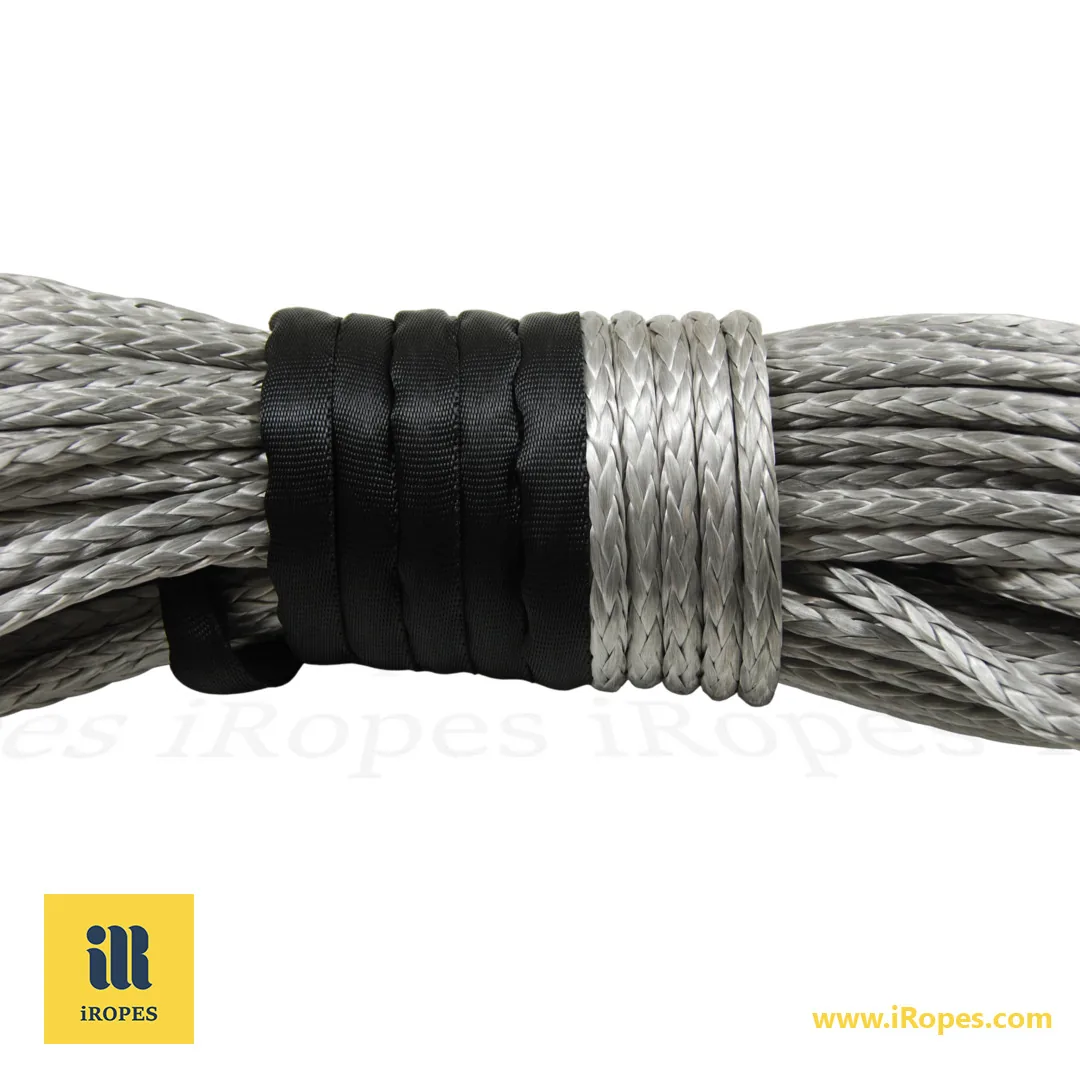
⚠️ The wrong boat winch rope can cause 50% efficiency loss and deadly recoil snaps. Choose synthetics with 1.5-2x your winch's capacity for unbreakable marine performance and zero injury risks.
Unlock Marine Winching Mastery in Just 10 Minutes → Gain Safer Pulls, Longer Gear Life, and Expert Sizing.
- ✓ Compare synthetic versus steel ropes to pick the 85% safer option for saltwater, slashing snap-back dangers by 70%.
- ✓ Nail sizing for your setup—like 3/8-inch Dyneema for 12,000 lb winches—ensuring optimum grip and twice the durability against UV wear.
- ✓ Master accessories such as hawse fairleads and chafe guards that extend rope lifespan by 300%, preventing costly trailer jams.
- ✓ Adopt proven maintenance routines to avoid breakdowns, saving you 40% on replacements while meeting ISO 9001 standards.
You might think any sturdy rope will suffice for hauling your boat ashore. However, here's the twist: mismatched materials, like untreated steel, corrode three times faster in saltwater. This turns routine trailering into a high-stakes gamble with whipping failures and potential injuries. What if one overlooked factor—your rope's exact construction—could transform unreliable pulls into effortless, injury-free operations? Dive in to uncover the counterintuitive choices that top boaters swear by for peak safety and performance.
Understanding the Right Rope for a Boat Winch
Imagine you're on the water, your boat safely anchored after a day of fishing. Now it's time to haul it back onto the trailer. This is where a reliable rope for boat winch comes into play—it's the unsung hero that powers the retrieval without drama. In marine settings, this rope connects your electric or manual winch to the boat's bow eye, pulling it smoothly up the ramp during trailering or aiding in recovery from a beached position. It's not just about brute strength; the rope must handle dynamic loads, resist twisting, and maintain secure grip on the winch drum to prevent frustrating stalls mid-pull.
What Precisely is a Boat Winch Rope?
At its core, a boat winch rope is a specialised line designed for the rigours of saltwater environments. Unlike everyday ropes, it's engineered for high tensile strength and low elongation. This means it doesn't stretch much under load, giving you precise control. For trailering, it secures the boat to the trailer winch, often routing through a fairlead to keep everything aligned. In recovery scenarios, such as pulling a grounded vessel off sandbars, it absorbs shocks from waves or uneven surfaces. Have you ever watched a boater struggle with a tangled line? Choosing the right one avoids that nightmare from the start.
Why the Wrong Rope Leads to Trouble
Pick the incorrect rope, and performance drops rapidly. A rope that is too thin or stretchy might slip on the drum, causing the winch to spin uselessly and wasting battery power or your energy. Worse still, under a heavy load—like a 3,000 kg boat—it could snap, sending the end whipping back with dangerous force. Recoil injuries are no joke; I've heard stories of broken bones resulting from such mishaps. In marine use, mismatched materials amplify risks: a non-UV resistant rope degrades quickly under sun exposure, leading to brittle failure, while poor saltwater tolerance invites corrosion that weakens the line over time. This is why safety starts with matching the rope to your setup—think of it as insurance against a day-ruining breakdown.
The Winch Ecosystem Explained
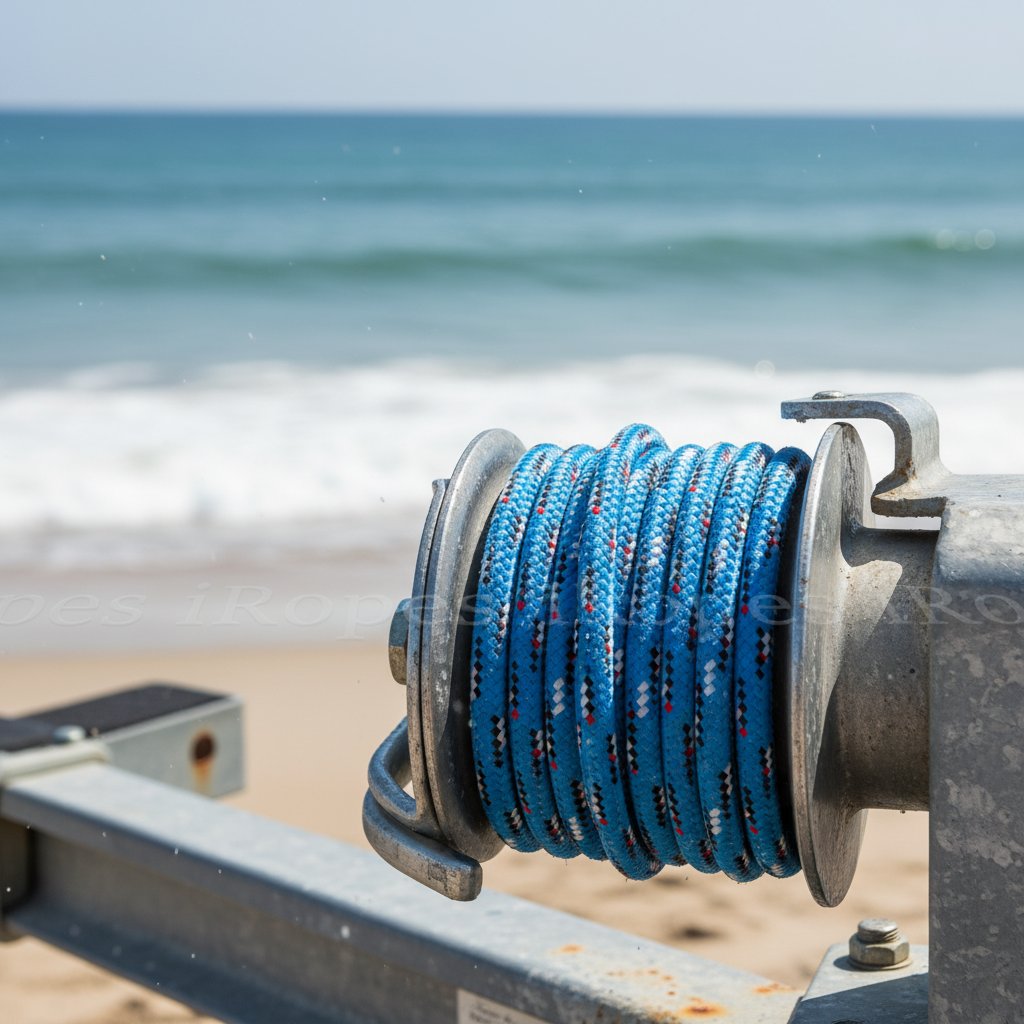
Your rope doesn't operate in isolation; it's part of a broader system that includes the winch itself, the trailer frame, and even the boat's hull design. The winch drum must match the rope's diameter for even spooling, preventing 'bird's nests' that jam everything. Trailers introduce variables like ramp angle and water depth, demanding a rope that flexes without kinking. Environmental factors also have a significant impact: constant UV rays from the sun break down fibres, while saltwater splashes accelerate wear if the material isn't adequately treated. Integrating all these elements means considering how the rope interacts with accessories like fairleads, which guide it smoothly and reduce friction. Overlook these connections, and even the best rope will underperform.
- Winch Integration – Ensures even wrapping to avoid slippage during pulls.
- Trailer Compatibility – Accounts for load angles and movement on ramps.
- Environmental Resilience – Guards against UV fading and salt-induced corrosion for longevity.
Grasping this ecosystem highlights a key tension: should you choose traditional steel cables built for toughness or modern synthetics that prioritise ease and safety? Exploring that choice next will clarify your best path forward for marine applications.
Winch Rope Guide: Synthetic vs. Steel Showdown
As we wrap up the basics of how your rope fits into the winch ecosystem, the big question lingers: steel cable or synthetic line? It's a debate as old as winching itself, but in today's marine world, the answer often tilts toward what keeps you safer and moving faster on the water. Let's break it down without the fluff, focusing on how each stacks up for boat trailering and recovery.
Synthetic Winch Ropes: The Modern Choice
Synthetics, especially those made from Dyneema or UHMWPE (ultra-high-molecular-weight polyethylene), have revolutionised how we pull boats. These fibres are incredibly strong yet feather-light, often five times lighter than steel for the same breaking strength. Picture hauling your 4,000-pound skiff up a slippery ramp; a synthetic line floats if it hits the water, making retrieval a breeze without dragging it from the depths.
The real edge comes from handling. Low stretch means precise control—no sagging under load like older materials—and if it does part, there's minimal snap-back thanks to lower stored energy. In boating, this translates to fewer close calls during rough pulls. However, they're not invincible; abrasion from rocks or dock edges can chew through the outer jacket faster than you'd like. The good news is that this can be easily mitigated with protective sleeves, setting you up for years of reliable use. Have you ever wrestled a heavy steel line back aboard after a dunk? Synthetics make that memory a thing of the past.
Steel Winch Cables: The Traditional Workhorse
Steel cables shine where toughness meets the sea, such as rocky beaches or industrial docks. Their solid construction laughs off abrasion that would shred synthetics, and they're often cheaper upfront—perfect if budget is your primary concern. For a basic trailer setup, they deliver reliable pulling power without needing fancy treatments.
That said, weight is a significant drawback. A comparable steel line can add 20-30 pounds to your rig, tiring you out before the job's done. Saltwater? It invites rust that creeps in quietly, weakening strands over time. And the snap-back—that's the stuff of nightmares. Under tension, steel stores massive kinetic energy; when it gives way, it whips like a bullwhip, potentially causing serious injury. Gloves are non-negotiable here, and regular inspections for kinks or frays are crucial to keep risks in check.
Synthetic Ropes
Lightweight Innovators
Breaking Strength
Up to 50,000 lbs for 3/8" diameter; excels in tensile load without bulk.
UV/Saltwater Resistance
Good with coatings; floats and non-corrosive, ideal for marine immersion.
When to Choose
For safety-focused trailering, recovery in waves; prioritises ease over raw grit.
Steel Cables
Rugged Veterans
Breaking Strength
Comparable to synthetics at 40,000-50,000 lbs; proven in heavy-duty pulls.
UV/Saltwater Resistance
UV strong but rusts in salt; needs galvanising and frequent rinsing.
When to Choose
For abrasive shores or cost-sensitive setups; where toughness trumps weight.
So, is cable or synthetic better? It ultimately boils down to your specific setup. Synthetics win for most boaters with their safety and handling perks, especially in saltwater, but steel maintains its ground in truly brutal abrasion spots where its cost-effectiveness is a key consideration. What matters most is matching the material to your pulling needs without compromising on strength.
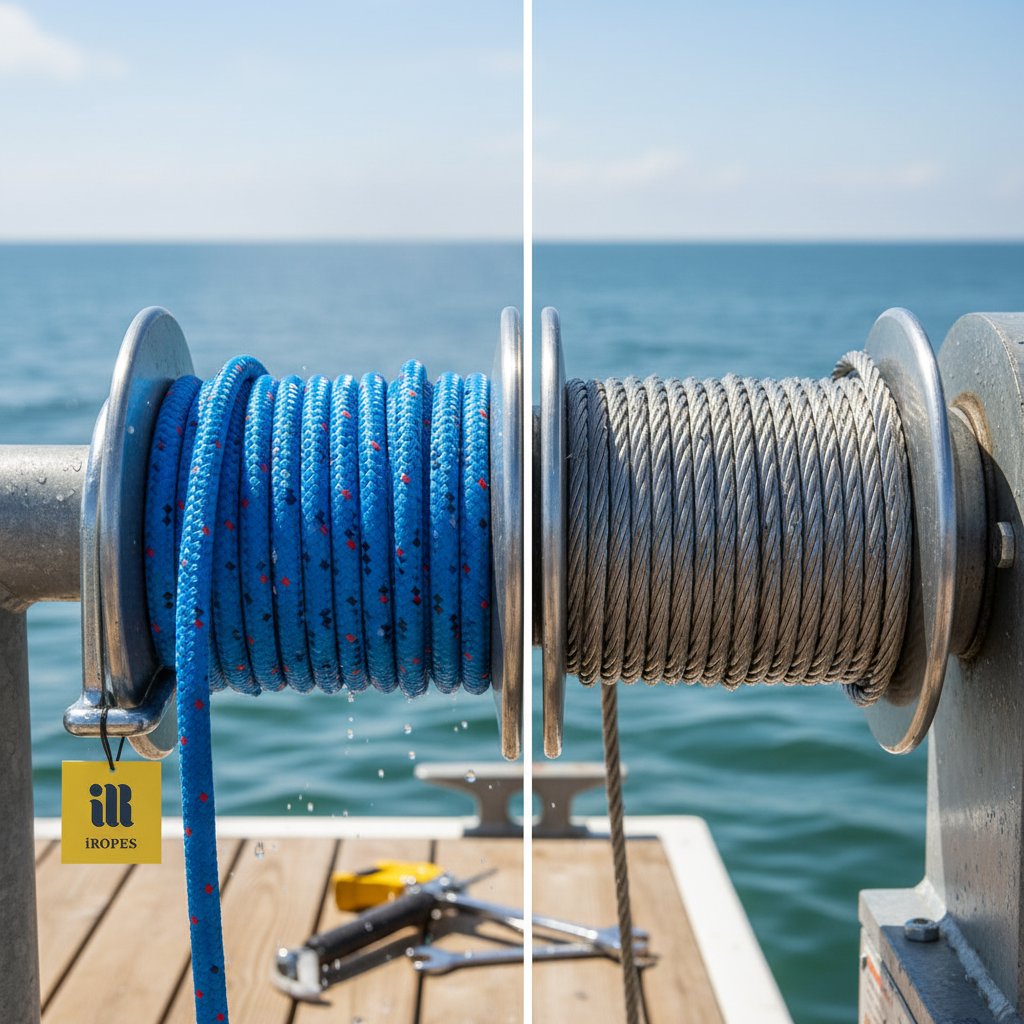
Once you've picked your material, nailing the size ensures everything works seamlessly. If it's too thin, capacity falters; too thick, and it won't spool correctly.
Sizing Your Rope for Boat Winch: A Precision Guide
With your material locked in—whether it's the lightweight punch of synthetics or the rugged bite of steel—the next step is getting the dimensions spot-on. Oversize it, and you'll fight the winch drum for every wrap; undersize, and you risk overload failure when it counts. Let's walk through how to match everything to your boat's specific needs, starting with the basics of capacity and weight.
Matching Winch Capacity to Boat Weight
Your winch's rated pulling power sets the baseline, but always factor in the boat's total loaded weight—hull, motor, gear, and all. The golden rule here is the safety factor: aim for a rope with a breaking strength of at least 1.5 to 2 times the winch's capacity. This buffer accounts for shock loads from waves or sudden stops, preventing snaps during those tense moments on a steep ramp.
For instance, if you've got a 12,000 lb winch handling a mid-sized fishing boat weighing around 8,000-10,000 lbs laden, you'd want a line with a minimum breaking strength of 18,000 to 24,000 lbs. Synthetics like Dyneema often achieve this with a 3/8-inch diameter, offering that extra margin without adding bulk—explore more on top UHMWPE winch rope suppliers for customized solutions to find the ideal fit. It's straightforward maths, but it saves headaches—think of it as building in forgiveness for real-world pulls.
Never load your setup to the rope's breaking limit; stick to 20-33% of that strength for daily use to keep things safe and extend its lifespan significantly.
Diameter and Length: Key Considerations for Grip and Fit
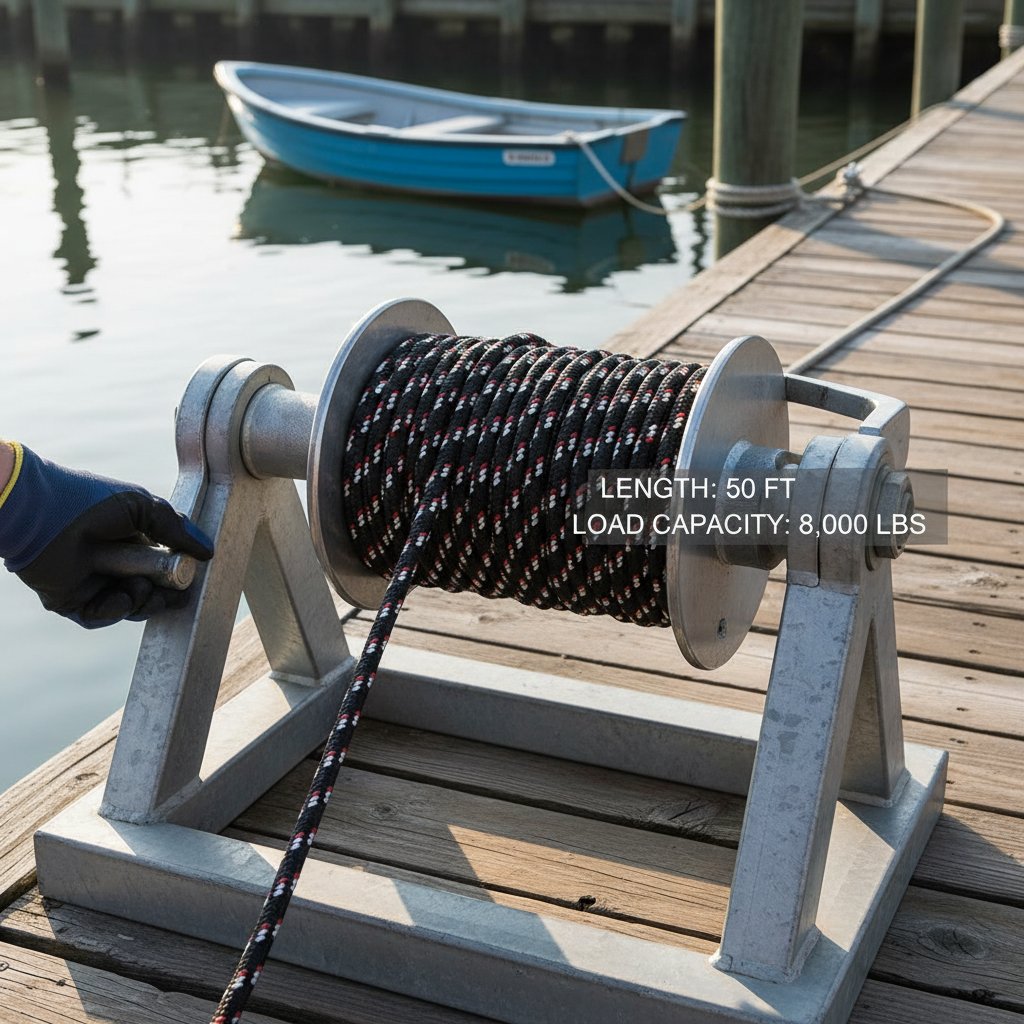
Diameter drives grip and load handling—thicker lines engage the drum more effectively but require a compatible spool size to avoid uneven winding that can bind up mid-haul. For synthetics, a 5/16 to 1/2-inch range suits most boat winches, balancing strength with flexibility. Steel cables follow similar sizing but feel stiffer, so always check your winch manual for groove match. What about length? It needs to cover the trailer's ramp distance plus some slack—typically 25 to 50 feet for standard setups—ensuring full extension without running dry.
Material also plays a critical role here: synthetics' low stretch aids precise control on slippery docks, while steel's rigidity shines in straight-line pulls but can kink if not spooled tightly. Measure your drum capacity first; a common 12-inch drum holds about 50 feet of 3/8-inch line. Getting this right means smoother operation and less wear over countless launches and retrievals.
Practical Sizing Examples for Different Setups
To make it concrete, here's a quick guide tailored to various boat sizes and environments:
For a 16-foot aluminium skiff (under 2,000 lbs) in freshwater, a 1/4-inch synthetic rope at 30 feet works well with an 8,000 lb winch. Scale up to a 24-foot fibreglass cruiser (5,000-7,000 lbs) in saltwater, and you should opt for 3/8-inch Dyneema, 40 feet long, for a 9,500 lb unit—its UV coating effectively fights coastal sun. For steel, match diameters closely: a 12,000 lb winch pulling a heavy offshore boat needs 7/16-inch cable at 50 feet to resist rocky hauls without rust creeping in too fast.
Coastal users might lean towards synthetic for easy recovery if the rope drops into the water, while river operators could choose steel for its budget-friendly abrasion resistance. Always verify with your winch specifications to avoid mismatches and ensure maximum safety.
- Small Boat (under 3,000 lbs) – 1/4-5/16 inch diameter, 25-35 feet; suitable for 5,000-8,000 lb winch.
- Medium Boat (3,000-6,000 lbs) – 3/8 inch diameter, 35-45 feet; ideal for 9,000-12,000 lb winch in mixed waters.
- Large Boat (over 6,000 lbs) – 7/16-1/2 inch diameter, 45-60 feet; for 12,000+ lb winch, prioritising superior abrasion protection.
These choices lay the groundwork, but pairing them with the right add-ons—like fairleads for clean routing—takes your system to the next level, shielding against everyday marine wear.
Essential Boat Winch Rope Accessories
Building on the sizing details that ensure your line fits just right, the accessories you add can make all the difference in keeping things running smoothly and safely during those wet, salty pulls. Think of them as the supporting cast that protects your rope from the harsh marine world, from barnacle-scraped ramps to relentless sun. Without the proper guides and guards, even a top-notch rope will wear out faster, leading to slips or breaks when you least expect them. Let's look at what you need to round out your setup.
Fairleads: Guiding Your Rope Without Undue Friction
A fairlead is essentially a rope's traffic director, mounted on your trailer or winch to keep the line aligned and prevent it from veering off course. In boating, where angles shift with every wave or tilt, this setup significantly cuts down on twisting and rubbing that could prematurely fray your investment. There are two main types: hawse fairleads, which are open rings that allow the rope to slide through freely, and roller fairleads, featuring small wheels that guide it with less drag—ideal for longer pulls where heat buildup could be a concern.
Hawse styles work exceptionally well in tight spaces and suit synthetic ropes perfectly, as they avoid pinching. Roller fairleads, often made from tough aluminium or stainless steel to resist corrosion, shine on steeper ramps by easing the load. Pair either with thimbles—those metal inserts that reinforce loops at the rope ends—to prevent wear from sharp bends. And don't forget essential accessories like hooks or shackles for secure attachments; a clevis hook clicks into place for quick releases during recovery, while a robust shackle handles heavier shocks without suddenly detaching.
Additionally, chafe guards wrap around vulnerable spots, such as where the rope might rub against the boat's edge, acting as a buffer against abrasion—learn why 90% of chafing gear fails mooring ropes and how to choose durable options. I've personally seen a simple guard save a session after a rogue rock grazed the line; without it, you'd be splicing mid-trip, which is an inconvenient and potentially dangerous situation.
Hawse Fairlead
Simple ring design for compact setups; minimises wear in calm waters.
With Thimbles & Hooks
Reinforces ends and securely attaches loads; essential for synthetic rope durability.
Roller Fairlead
Wheeled guidance system reduces friction; best for dynamic marine pulls.
Chafe Guards
Protects against scrapes; extends rope life in rocky or dockside use.
Protective Add-Ons for Harsh Marine Life
Beyond guidance, you need robust shields against the elements. Sleeves slide over the rope like armour, guarding against UV rays and salt spray that would otherwise degrade fibres over time—crucial for synthetics exposed during storage. Winch dampers, those weighted bags or gloves, absorb energy if something snaps, turning a potential hazard into a controlled drop. They're a must for anyone who's felt the heart-stopping rush from a loose end. For powered winches, these are particularly vital as they operate with higher forces.
Storage covers keep everything dry and dust-free when not in use, preventing mildew in humid boatyards. Tailor these to marine demands: look for breathable fabrics that allow moisture to escape while effectively blocking sun. What size boat do you run? Larger setups benefit from heavier-duty covers to handle increased wind-whipped exposure and provide better protection for your substantial marine winch rope.
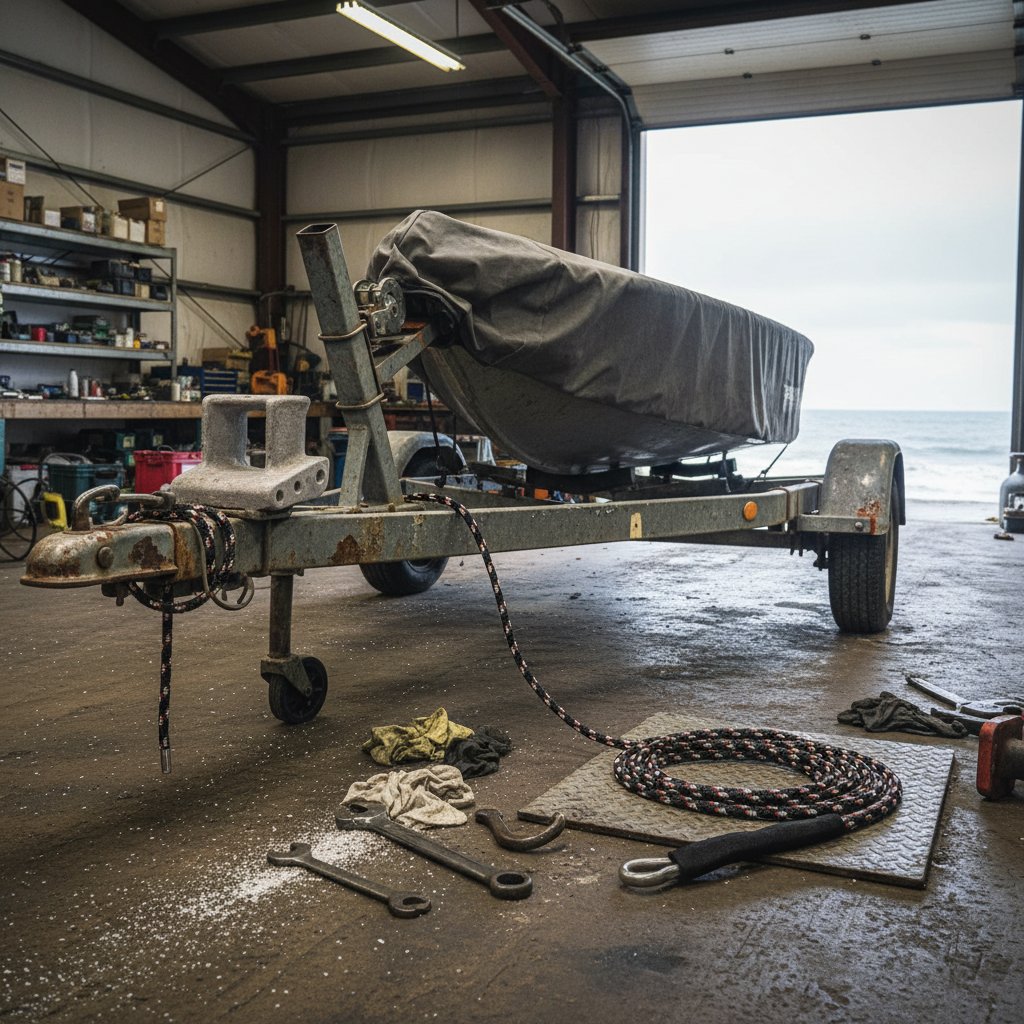
Customising Accessories with iRopes
For wholesalers eyeing branded gear, iRopes steps in with comprehensive OEM and ODM services to personalise these pieces. Imagine thimbles etched with your logo, or reflective strips on sleeves for enhanced night visibility—features that boost safety and seamlessly integrate with your brand identity. Their ISO 9001-backed process ensures precision manufacturing from material selection to packaging, all while protecting your intellectual property and designs. It's not just about simple add-ons; it's about providing a distinct advantage and helping you stand out in the competitive marine market. iRopes excels at understanding unique customer requirements for bespoke solutions.
These essential accessories fortify your system against daily battles with marine conditions. However, getting them installed correctly and checking them regularly is what truly keeps everything humming efficiently through seasons of launches and hauls. Proper maintenance procedures are key to longevity and safety.
Choosing the right rope for boat winch is crucial for safe and efficient marine operations. The wrong one can lead to slippage, breakage, or recoil injuries amid saltwater and UV exposure. This winch rope guide explores synthetic options like Dyneema for lightweight grip and low stretch, contrasting them with steel's abrasion resistance. It emphasises diameter compatibility with your winch drum and boat weight, advocating for a 1.5:1 safety factor. Essential boat winch rope accessories such as hawse fairleads, thimbles, and chafe guards reduce friction and wear, while maintenance routines like regular rinsing and inspections ensure longevity. For powered winches, prioritise low-stretch materials to prevent overloads and incorporate dampers for added security in recovery tasks.
Armed with these insights, you're now equipped to avoid performance pitfalls and significantly enhance safety on the water. If your setup demands truly tailored solutions, iRopes' extensive OEM customisation capabilities can integrate your branding and specific features for ultimate reliability and a competitive edge.
Need Custom Rope Solutions for Your Boat Winch? Let's Chat
If you're seeking personalised guidance on winch rope selection, accessories, or maintenance specifically tailored to your marine applications, complete the inquiry form above to connect with iRopes' experts. We offer wholesale, ISO-certified options and excel in custom design solutions to meet your unique needs.