⚠️ Your 8-plait chain splice fails under load due to common errors like improper tucks, slashing strength by up to 25%—but proper technique ensures 90%+ retention for unbreakable anchor rodes that glide through windlasses without jamming.
In just 12 minutes, bulletproof your splices and save hours on repairs
- ✓ Spot pitfalls like S/Z strand confusion that cause distortion and 25% strength loss, turning risky connections into reliable ones.
- ✓ Gather essential tools and prep steps for seamless integration, matching rope to chain for windlass compatibility.
- ✓ Master the over-one-under-one tuck sequence to achieve 90%+ strength while keeping the splice low-profile.
- ✓ Learn tapering and finishing hacks that extend splice life to 7-10 years, preventing chafe and jams at sea.
Imagine dropping anchor in a sudden squall, only for your rope-to-chain splice to twist and slip—a heart-stopping moment no skipper wants. Yet, most failures stem not from inherent rope quality, but from overlooked techniques that bunch strands or ignore crucial tapering, leaving you vulnerable mid-voyage. What if a few precise adjustments could transform that weak link into a seamless, storm-proof join? Dive in to uncover the exact steps that pros use, and discover how iRopes' custom ropes make it even easier.
Why Your 8 Plait to Chain Splice Fails: Common Pitfalls and Their Impacts
Picture this: you're out on the water, the wind picking up, and suddenly your anchor rode starts slipping because the rope-to-chain connection just isn't holding. That frustration hits hard, especially when you've invested time in the splice. Often, it's not bad luck; it's subtle mistakes in technique that turn a promising 8 plait rope to chain splice into a liability. Let's break down the most common slip-ups so you can spot them before they become a problem.
One of the biggest culprits is getting the tucking sequence wrong. In an 8-strand rope, you have four pairs of strands: two rotating left (S-direction) and two right (Z-direction). If you mix them up—say, tucking an S-strand over instead of under a Z-strand—the splice distorts. The rope twists unnaturally, creating weak spots where stress concentrates. I've seen this firsthand on a friend's boat; the connection pulled apart during a moderate blow, nearly costing them an anchor. Proper alternation ensures even load distribution, but confusion here can drop your splice's strength by 20% or more.

There's also inadequate preparation. This includes skipping careful marking of the picks—those crown points where strands interweave—or allowing the rope to unravel too loosely. Without clear marks, your strands bunch up, creating lumps that can jam the windlass. Imagine hauling in your anchor only for everything to grind to a halt mid-storm. Loose ends fray easily, pulling apart even before the splice is tested under load. Taking a moment to tape and organise each strand changes everything, ensuring a smooth process.
Material mismatches add another layer of risk. Not all ropes suit every chain setup. For instance, using a stiff polyester where nylon's stretch is needed can make the splice bulky and incompatible with your windlass. Speaking of splice types, while there are four main ones—eye, end, ring, and chain—mixing materials often leads to a chain splice that's too thick, unlike the smoother eye or ring options suitable for other fittings. This excess bulk not only snags gear but also poses real safety hazards, like sudden snaps under tension that could damage your boat or worse.
Finally, ignoring tapering transforms a functional splice into a high-profile disaster. Without gradually reducing the strands after initial tucks, the connection remains bulky. This causes it to chafe against the chain or hawsepipe, failing prematurely under repeated loads. A proper taper, however, blends seamlessly, significantly extending the life of your entire rode.
- Improper tucks cause distortion and weak points from S/Z confusion.
- Poor preparation leads to bunching and windlass jams via inaccurate marking.
- Material issues create bulky, unsafe connections, unlike simpler splices.
- Lack of tapering results in high-profile failures from chafe and load stress.
Spotting these pitfalls early means you're well-equipped to build a splice that truly lasts. With a clear understanding of potential issues, gathering the right tools becomes your next smart move for a solid 8 strand rope to chain splice.
Essential Tools and Preparation for a Reliable 8 Strand Rope to Chain Splice
Now that you've got a clear picture of what can go wrong with your splice, let's shift gears to the practical side. Arming yourself with the right gear and thoughtfully prepping your materials will make all the difference in crafting a strong, seamless connection. Think of this as setting up for a successful haul—good foundations prevent those mid-job headaches.
First off, gather these essentials to handle the strands with precision. A fid, a long, tapered tool akin to a giant needle, lets you weave through the rope without forcing it apart. Whipping twine secures loose ends, preventing them from unravelling mid-process, while electrical tape keeps everything tidy and protected from snags. A hot knife or lighter seals cuts cleanly, stopping fraying and adding significant durability. Don't overlook a sharp pair of scissors or a splicing gauge for accurate measuring—I've found these save hours when you're deep into the weave.
- Fid: Guides strands through tight spaces for accurate tucks.
- Whipping twine: Binds ends to maintain rope integrity during handling.
- Electrical tape: Prevents fraying and organises strand pairs.
- Hot knife: Melts and seals rope ends for a clean, strong finish.
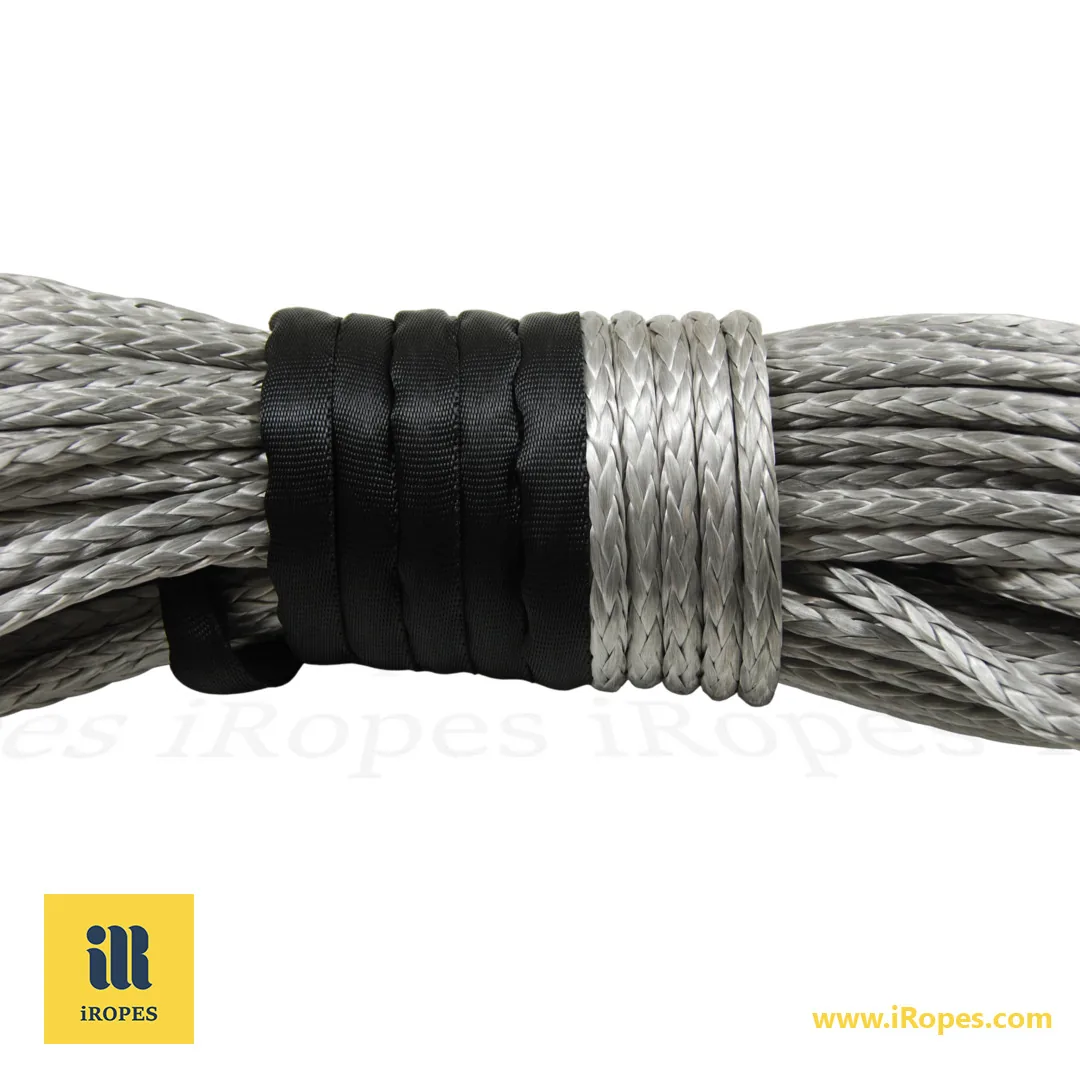
With your tools ready, turn to the rope itself. Start by examining your 8-plait rope—it's a braided construction with eight strands. Specifically, it has four pairs twisting left (S-direction) and four right (Z-direction), giving it that signature flexibility and strength for absorbing shocks in rough seas. This unique setup makes it ideal for anchor rodes, handling loads better than stiffer options while remaining compact.
Preparation begins with marking the crowns, those visible crossing points every inch or so along the rope. Measure about 12 picks back from the end—that's roughly a foot for standard diameters—and use your gauge to note them evenly. Next, carefully unravel the end to separate the four pairs, keeping S and Z groups distinct; mix them up now, and you'll battle twists later. Tape each pair's ends securely, leaving just enough slack for easy manoeuvring. It's a bit fiddly at first, but once done, your strands stay organised, much like sorting threads before sewing a tough seam.
- Mark approximately 12 crowns from the bitter end using a splicing gauge.
- Unravel the rope to isolate the four S-pairs and four Z-pairs.
- Tape each pair's tips to prevent slippage and fraying during tucks.
Before diving into the tucks, consider how your rope mates with the chain. Match diameters closely—say, a half-inch rope to matching chain links—for smooth windlass action. When it comes to the best rope to chain splice for a windlass setup, 8-plait stands out because its braided design creates a low-bulk join that feeds without jamming, unlike bulkier 3-strand types. Nylon versions add elasticity to cushion jolts, while polyester offers less stretch for steadier holds. Getting this right ensures your whole system runs like clockwork, especially when you're relying on it in a blow.

Ever wonder why some setups glide through the gypsy while others grind? It's often in these prep details. Nail them, and you're primed to thread those strands through the link for a tuck that holds true.
Mastering the Tucks and Integration in Your 8 Plait Rope to Chain Splice
Those prepped strands and matched chain are your starting point, but now comes the heart of the job—getting everything woven together just right. If you've ever watched a loose braid unravel under strain, you know how crucial this integration is. We're talking about threading and tucking to form an 8 plait rope to chain splice that grips without a hitch, transforming potential weak links into a powerhouse connection. Let's walk through it, keeping things steady and balanced.
Begin with the initial threading. Take your four taped S-pairs and four Z-pairs, and alternate them through the open chain link. Start by passing one S-pair under the link from the rope side, then follow with a Z-pair over the top, repeating until all eight are through. The key here is keeping the rope snug against the shank—no slack that could allow it to twist later. I remember my first attempt on a calm dock day; rushing this step resulted in a kinked mess that took twice as long to fix. Pull gently to seat the link flush, ensuring the standing part of the rope lies flat. This correctly sets up the load path, avoiding uneven pulls that could overstress one side.

Once threaded, dive into the detailed tuck sequence using an over-one-under-one pattern. This means each strand pair goes over one existing pair and under the next, starting with S-pairs tucking under the adjacent Z-pairs, then flipping for Z under S. Why this way? It mirrors the rope's natural braid, distributing force evenly across all strands for maximum hold. To identify S-direction and Z-direction strands—since you asked—look at how they twist: S-pairs slant left like the curve of an S when viewed from the end, while Z-pairs slant right like a Z. Keeping them separate prevents the whole thing from binding up. Use your fid to ease each tuck through, working clockwise or anti-clockwise to match the rope's lay. For deeper insights into handling 8-strand constructions like this, explore the versatility of 3 and 8 strand nylon ropes.
For subsequent doublings, build the braid progressively by repeating the pattern two or three more times. After the first round, you'll notice the splice starting to form—now tuck each pair into the spaces created by the previous weave, pulling snugly but not so hard you distort the lay. This progressive tightening locks everything in, aiming for over 90% of the rope's original strength retention. It's like layering dough to build tension without cracking: done right, it absorbs shocks without giving way.
- Thread one S-pair under the link, then one Z-pair over, alternating all eight.
- Execute the first tuck: S-pair under the next Z, then over the following, using a fid for ease.
- Repeat with Z-pair under S, maintaining the over-one-under-one flow.
- Perform double tucks: Weave into prior spaces, pulling snugly to build the braid securely.
If your setup includes a windlass, focus on keeping this 8 strand rope to chain splice low-profile to avoid jams. Visualise each tuck as you go—the initial ones hug the chain closely, while doublings smooth out bulk so it feeds effortlessly through the gypsy. Have you checked your windlass manual? Matching this weave to its pockets ensures no catches, especially when you need to drop anchor quickly. With the core integration solid, a bit of tapering next will blend it seamlessly into the full rode for years of reliable service.
Tapering, Finishing, and Inspecting to Bulletproof Your Splice
With those tucks locked in place, your splice is starting to take shape, but it's not quite ready to face the open water yet. The real magic happens in the tapering and finishing stages, where you slim down the bulk to create a connection that slips through your windlass without a fight and stands up to years of abuse. I've learned the hard way that skipping these steps turns a good weave into a snag-prone weak spot—once, on a charter trip, an untapered join caught in the hawsepipe and cost us a full day of repairs. Let's refine it properly so your setup stays smooth and strong.
The tapering process smooths the transition from the full rope to the chain, reducing thickness to about the same diameter as your line. After completing two or three full tucks—where all eight strands are still weaving in pairs—begin by carefully cutting the inner strand from each pair, specifically the one closest to the chain. This leaves you with four single strands to work with. From there, perform half tucks: weave each remaining single strand over one and under the next, just like before, but with less material for a gradual taper. Pull these snugly to avoid lumps, aiming for a seamless blend that retains nearly the full strength of your 8 plait rope to chain splice. It's akin to trimming a hedge for a clean edge—methodical cuts prevent the whole thing from looking ragged under tension. For additional splicing expertise on techniques like Brummel and straight splices that complement these steps, see our guide to mastering the rope making process.

Once tapered, move to finishing for that final layer of security. Seal the cut ends with a hot knife, melting the synthetic fibres to fuse them without fraying—nylon and polyester respond exceptionally well to this, creating a hard, weather-resistant tip. Then, whip the very end with twine, wrapping tightly around the base of the strands and the chain link to lock everything down. Before trusting it offshore, conduct a test under controlled load: attach to a secure point and pull gradually up to half your expected working load, checking for any slippage. This crucial step uncovers hidden issues early, saving you from unpleasant surprises at anchor.
- Cut the inner strand from each pair after 2-3 full tucks.
- Weave half tucks with the remaining single strands, pulling them tight.
- Seal ends using a hot knife for fused durability.
- Whip the base with twine and load-test to half capacity.
To keep your 8 strand rope to chain splice performing optimally, schedule regular inspections. Every season, or after heavy use, scan for chafe—consider our chafe protection solutions—where it rubs the chain or hawsepipe, or signs of loosening from UV exposure. A well-made splice can last five to ten years in moderate conditions, depending on your cruising grounds and how often you deploy. Resplice if you spot wear exceeding 10% of the strands. Gentle rinsing after saltwater exposure extends this further. If hands-on work isn't your preference, consider iRopes' OEM services; they craft pre-spliced lines tailored to your vessel's specifications, like exact diameters for your windlass or custom lengths, all backed by ISO 9001 quality checks. It's a hassle-free way to achieve professional-level reliability without the learning curve.
Putting these practices in place not only safeguards your time at sea but also significantly boosts confidence in your equipment when conditions turn tough.
Mastering a reliable 8 plait to chain splice transforms your anchor rode from a potential liability into a seamless, high-strength setup that handles rough seas with confidence. By avoiding common pitfalls like improper tucks, poor preparation, and material mismatches, while focusing on precise threading, over-one-under-one sequences, and windlass-compatible tapering, you retain over 90% of your 8 strand rope to chain splice's strength. Finishing with hot knife seals, whipping, and regular inspections ensures longevity—up to 10 years in moderate use. For those tackling plaited rope's unique demands, these techniques, paired with iRopes' custom OEM options, deliver professional results tailored to your vessel.
Whether you're refining your DIY skills or seeking pre-spliced solutions, this approach boosts safety and performance on the water.
Need Custom Ropes or Splicing Guidance for Your Boat?
If you're keen on personalised recommendations for 8 plait rope to chain splice options or iRopes' tailored manufacturing, complete the inquiry form above—we're here to help elevate your marine setup.