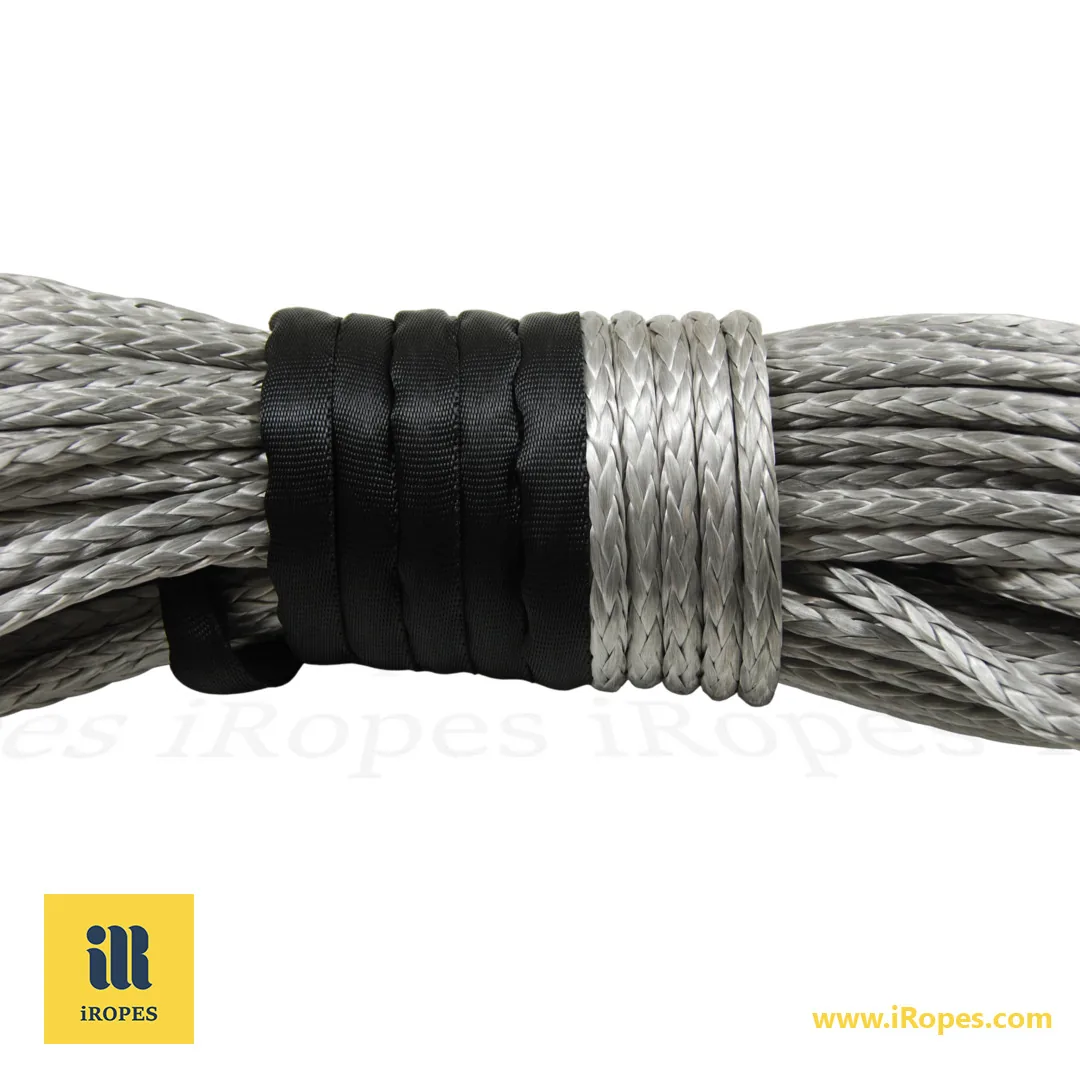
⚠️ Silent killers in your marine rope accessories: Up to 70% strength loss from UV and saltwater hits polypropylene lines without visible signs, turning routine tows into hazards. Spot these hidden degradations before they snap under load.
Unmask Failures & Build Bulletproof Rigging (7 min read)
- ✓ Decode chafe and abrasion in tow ropes that hide weak spots, slashing break risks by 50% with thimbles and guards.
- ✓ Grasp stretch/creep in nylon halyards reducing sail control—learn double braid upgrades for 30% better grip during manoeuvres.
- ✓ Fix hardware mismatches causing stress points, doubling accessory lifespan through precise sizing for dinghy and yachting.
- ✓ Harness iRopes' OEM customisation for ISO 9001-certified ropes, tailoring UV-resistant Dyneema blends to your exact load needs.
You think inspecting for frayed ends keeps your rigging safe, but what if the real threats—internal fibre breakdowns from relentless saltwater and UV—are eroding strength right under your nose? Picture a dinghy tow line giving way mid-pull, endangering crew and gear without a whisper of warning. Dive in to uncover these stealthy saboteurs and arm yourself with iRopes' tailored solutions that transform vulnerability into unbreakable performance.
Silent Failures in Tow Rope Accessories: Common Issues and Causes
Imagine you're out on the water, towing a dinghy behind your boat on a sunny afternoon, when suddenly the line gives way. No warning, just chaos. We've all heard stories like that, but what if the real danger is the slow, unseen wear that builds up over time? In the world of tow rope accessories, these silent failures can turn a routine outing into a disaster. Let's dive into the common culprits behind these issues, so you can spot them before they strike.
One of the biggest threats comes from chafe and abrasion. When you're pulling a tow line repeatedly—think water sports like wakeboarding or simply trailing a small craft—the constant friction against edges or hardware eats away at the rope. Over time, this creates hidden weak spots inside the fibres, invisible until the line snaps under load. I've seen it firsthand on a fishing trip where a seemingly sturdy polypropylene line frayed internally after just a few uses against a rough cleat. The key here is understanding that this wear isn't always on the surface; it lurks within, compromising your safety without a single frayed thread showing.
Then there's material degradation, often triggered by the relentless combo of UV exposure and saltwater. Polypropylene, a popular choice for its buoyancy and low cost, loses up to 70% of its strength after prolonged sun and sea exposure. Low-quality fibres break down even faster, becoming brittle and prone to sudden failure. Salt crystals embed in the strands, accelerating the process, much like how rust weakens metal over time. If your tow rope feels stiff or discoloured after storage, that's a red flag—don't ignore it.
- Chafe from hardware contact - Repeated rubbing on shackles or boat edges hides damage inside the core.
- UV-induced brittleness - Sunlight breaks molecular bonds, reducing tensile strength without visible fading.
- Saltwater corrosion - Minerals weaken fibres over seasons, leading to elongation under tension.
Improper sizing and compatibility with hardware like shackles often seals the deal for failure. If your tow rope diameter doesn't match the shackle's pin size, slippage happens easily, especially when wet. This mismatch causes uneven stress, resulting in breaks at the connection points. Ever tried forcing a thick line through a small loop? It binds and pulls apart prematurely. Matching these elements isn't just about fit—it's about distributing load evenly to prevent those unexpected snaps.
So, what accessories are needed for a tow rope to avoid these pitfalls? Essential additions like thimbles and chafe guards make all the difference. Thimbles reinforce eye splices, preventing crush damage from shackles, while chafe guards—simple tubes of durable material—shield against abrasion on contact points. Integrating them ensures your setup holds up, turning a basic line into a reliable system. Without them, even premium ropes falter.

While tow rope accessories fail under these dynamic loads, boat rope accessories encounter subtler issues in everyday rigging—let's explore these next to build a complete picture of potential problems.
Hidden Dangers Lurking in Boat Rope Accessories
As we shift from the high-impact stresses on tow lines to the quieter challenges in everyday boating, **boat rope accessories** reveal their own set of sneaky problems. These aren't the dramatic snaps you might expect from towing; instead, they're gradual betrayals that erode your control and confidence on the water. Think about those long sails where everything feels just right until a subtle shift in tension throws off your course—often because of issues hiding in your sheets, halyards, or dock lines.
Stretch and creep top the list of silent saboteurs in nylon or polyester builds, common in sailing setups. Creep, for the uninitiated, is that slow, permanent lengthening under constant load, like a rubber band that's been pulled too long and never quite bounces back. In sheets and halyards, this means losing precise control over sails during a tack or gybe. I remember adjusting the mainsheet aboard a friend’s sloop only to find the nylon line had elongated by inches overnight in humid conditions, turning a responsive boat into a sluggish one. Nylon absorbs water and stretches up to 30% under tension, while even polyester can creep over time if loaded heavily, quietly undermining your sailing performance without a single visible tear. This continuous lengthening compromises dinghy rigging precision, making quick adjustments unreliable.
Then there's the frustration of poor knot-holding and grip, especially in single braid designs. These ropes, made from twisted strands without a core, can slip through cleats or winches during critical manoeuvres, like when you're dodging a sudden gust. The smooth surface doesn't bite well, leading to unexpected releases that could swing a boom or drop a sail at the worst moment. Have you ever had a dinghy control line feed out when you needed it locked? It's often the braid type at fault, demanding constant re-securing and wearing on your nerves as much as the hardware.
Single Braid
Supple but Slippery
Easy Splicing
Hollow construction allows quick custom ends, ideal for on-the-fly adjustments in racing.
Poor Grip
Twisted strands slip in cleats, risking loss of control during manoeuvres.
Visible Wear
Abrasion shows quickly, but internal twists can hide early weakening.
Double Braid
Strong and Stable
Better Holding
Core and cover provide superior grip in hardware, reducing slippage risks.
Reduced Creep
Balanced construction maintains shape under load, enhancing long-term reliability.
Extended Life
Durable cover protects core from UV, ideal for dock lines and halyards.
UV and environmental wear add another layer, hitting dock lines and mooring setups hardest. These outdoor exposures break down fibres gradually, halving a polyester line's lifespan to just a couple of seasons without obvious discolouration. Salt and sun team up to embrittle the material, making it prone to sudden failure when you least expect it, like during a storm tie-up.
What's the real difference between single and double braid in these scenarios? Single braid offers flexibility for tight turns but falters in holding power, while double braid's inner core and outer sheath deliver balanced strength and grip, making it far more reliable for sustained use in applications like sailing dinghy rigging. Choosing wisely here can prevent those hidden dangers from turning a peaceful cruise into a close call.
Ever wondered why some boats handle like a dream while others fight you every step? It often boils down to these overlooked traits in your rigging.

Grasping these boat rope accessory pitfalls underscores the importance of solid hardware to support them, paving the way for integrated marine systems that stand strong against the elements.
Why Marine Rope Accessories Fail: Hardware and Integration Problems
Building on those subtle threats in boat rope setups, where even sturdy lines can betray you through gradual shifts, the real trouble often starts when hardware doesn't play nice. Marine rope accessories, like the fittings and connectors that tie everything together, can turn a solid system into a liability if they're mismatched. It's like outfitting a car with parts that don't fit—the engine might hum, but everything grinds to a halt eventually. In rigging, this mismatch creates hidden stress points that wear down your lines faster than you'd think, especially in the demanding world of yachting or spearfishing ops.
Take incompatible shackles and thimbles, for instance. These are the metal or synthetic loops and pins that secure your ropes, but if the shackle's inner width doesn't match your rope's diameter, it pinches and crushes the fibres unevenly. Stress concentrations build up right at the connection, leading to premature wear that you won't see until a line parts during a heavy pull. I once watched a spearfisher's rig fail mid-dive because a too-narrow thimble had been squeezing a 10mm line for months, creating micro-tears that finally gave way. Thimbles are meant to spread the load, but the wrong size does the opposite, accelerating fatigue in the rigging system.
Equally sneaky is the absence of chafe guards and tensioning devices. In harsh marine spots, ropes rub relentlessly against blocks—those pulleys that guide lines—or fairleads, the guides on deck edges. Without guards, like tubular sleeves or fabric wraps, this friction causes silent abrasion, eroding the outer layers over time. Tensioners, which keep lines taut without overload, prevent that constant sawing motion. Picture your dock line chafing unseen against a rusty fairlead during tidal surges; before long, it's compromised, ready to slip when a storm hits. Skipping these means your setup invites failure from the environment itself.
Polyester
Affordable and UV-resistant, but creeps under sustained loads, stretching up to 10% and losing shape in moist conditions.
Moderate Strength
Handles everyday yachting well, though saltwater can embed particles that weaken it gradually without signs.
Dyneema
Unlike other options, Dyneema offers ultra-low creep—less than 1% elongation—and superior UV tolerance, making it ideal for high-stakes spearfishing lines that endure without warning fatigue.
High Durability
**Dyneema** is 15 times stronger than steel by weight, resisting abrasion and environmental hits far better than traditional fibres.
Quality standards gaps only compound these issues. Non-ISO compliant materials might look fine but crumble under load, lacking the rigorous testing for tensile strength or environmental resilience needed in pro setups. In yachting, a subpar fibre could fail during a race; for spearfishing, it risks gear loss in deep water. When choosing, eye those certifications—they ensure your marine rope accessories hold up where it counts.
So, what's the best material showdown? Dyneema edges out polyester for battling creep and UV damage, offering near-zero stretch and longevity in exposed conditions, while polyester shines for cost-effective versatility in less demanding roles. Ever compared the two on a wet deck? Dyneema feels almost indestructible, holding firm without that telltale sag.

These hardware and material mismatches highlight why thoughtful integration matters, setting the stage for smarter choices that keep your operations running smooth.
Preventing Silent Failures: Selecting and Customizing Reliable Rope Systems
Thoughtful integration of hardware and materials, as we've seen, can make or break your rigging, but preventing those silent failures starts with deliberate choices in selection and customization. By focusing on compatibility, sizing, and tailored solutions, you build systems that withstand the marine grind without surprise letdowns. Let's walk through practical ways to get this right, drawing on what works for dinghy setups and towing alike.
First off, ensuring hardware compatibility keeps stress even and predictable. Snap shackles, those quick-release pins for attaching sheets or tow lines, need to match your rope's diameter to avoid pinching—aim for a shackle jaw at least 1.5 times the line size for smooth action. Cleats, too, grip better when the rope's thickness fills the slot without binding; for dinghy control lines generally around 4-6mm, opt for jam cleats with a V-shaped groove to lock in during fast manoeuvres. In towing, pair 8-10mm lines with bow shackles rated for dynamic loads, preventing slippage that could yank a dinghy off course. Mismatches here turn minor rubs into major weak points, but getting the fit right distributes force like a well-tuned sail, keeping everything steady.
Choosing the right diameter for your boat ropes boils down to balancing load, handling, and gear fit—it's a step-by-step process that avoids overloads before they happen. Start by calculating the expected pull: for a 20-foot dinghy halyard, a 6mm line might handle 500kg breaking load, but check your blocks' sheave diameter, which should be at least 8 times the rope size to reduce friction and wear. Thinner lines, say 3mm for fine control lines, offer snappy response in racing but fatigue faster under gusts; thicker ones, like 12mm for mooring, provide forgiveness in rough seas. Have you ever wrestled with a line too bulky for your winch? It jams and strains—match it to your setup, and you'll sail smoother, with loads spread safely across the system. This meticulous approach is key to optimising sailing dinghy rigging for various conditions.
- Assess load needs - Factor in boat weight and wind conditions for safe working limits and optimal dinghy rigging performance.
- Check hardware specs - Ensure blocks and cleats accommodate the diameter without excess drag for efficient dinghy control line operation.
- Test for handling - Thinner for agility in dinghies, thicker for towing stability.
That's where iRopes steps in with our OEM and ODM services, crafting custom marine solutions that fit your exact vision. We can weave in reflective elements for low-light visibility on night tows or dinghy runs, or protect your designs through ironclad IP safeguards, ensuring your branded control lines stay unique. Picture outfitting a fleet with lines tailored to specific yacht classes—our specialists adjust construction and accessories to match, turning generic ropes into performance assets that boost your clients' edge. For example, for competitive dinghy classes like the Laser or Optimist, we can design dinghy control line configurations that reduce friction and allow for rapid adjustment systems, crucial for racing setups.
Custom Fit
From reflective tracers to proprietary blends, iRopes delivers personalised rigging that integrates seamlessly with your hardware, enhancing safety and style without compromise.
Backing all this is our ISO 9001 quality assurance, which guarantees that tensioning devices and chafe protectors endure global standards for years of service. These components, often overlooked, maintain even pressure on lines to curb creep and rubs—our certified processes test them under simulated sea conditions, ensuring they hold in everything from spearfishing depths to yacht moorings. It's this rigour that turns potential pitfalls into reliable performance, giving you peace of mind on the water.

Armed with these strategies, avoiding silent breakdowns becomes straightforward, paving the way for setups that perform consistently across your operations.
From chafe in tow lines to creep in halyards and mismatched hardware stressing rigging systems, silent failures can compromise your safety on the water without warning. By selecting compatible accessories like thimbles and chafe guards, opting for durable constructions such as double braid, and choosing materials like Dyneema for low stretch and UV resistance, you can prevent these issues in dinghy rigging setups. For sailing dinghy rigging in popular classes like the Laser or Optimist, focus on precise dinghy control line diameters—typically 4-6mm for responsive adjustments—and incorporate tensioning devices for racing tunes. Regular maintenance, including visual inspections under UV light and washing out salt residues, ensures peak performance in competitive scenarios, keeping your small sailboat agile and reliable.
Empowering your marine operations starts with tailored solutions that match your unique needs, from custom OEM designs to ISO-certified quality. If you're tuning a racing dinghy or configuring control lines for everyday sails, personalised guidance can refine your setup further.
Ready to Customise Your Dinghy Rigging? Get Expert Advice
For those seeking bespoke recommendations on sailing dinghy rigging configurations, adjustment systems, or maintenance tips tailored to your dinghy class, use the inquiry form above to connect with iRopes specialists—we're here to help elevate your performance safely.