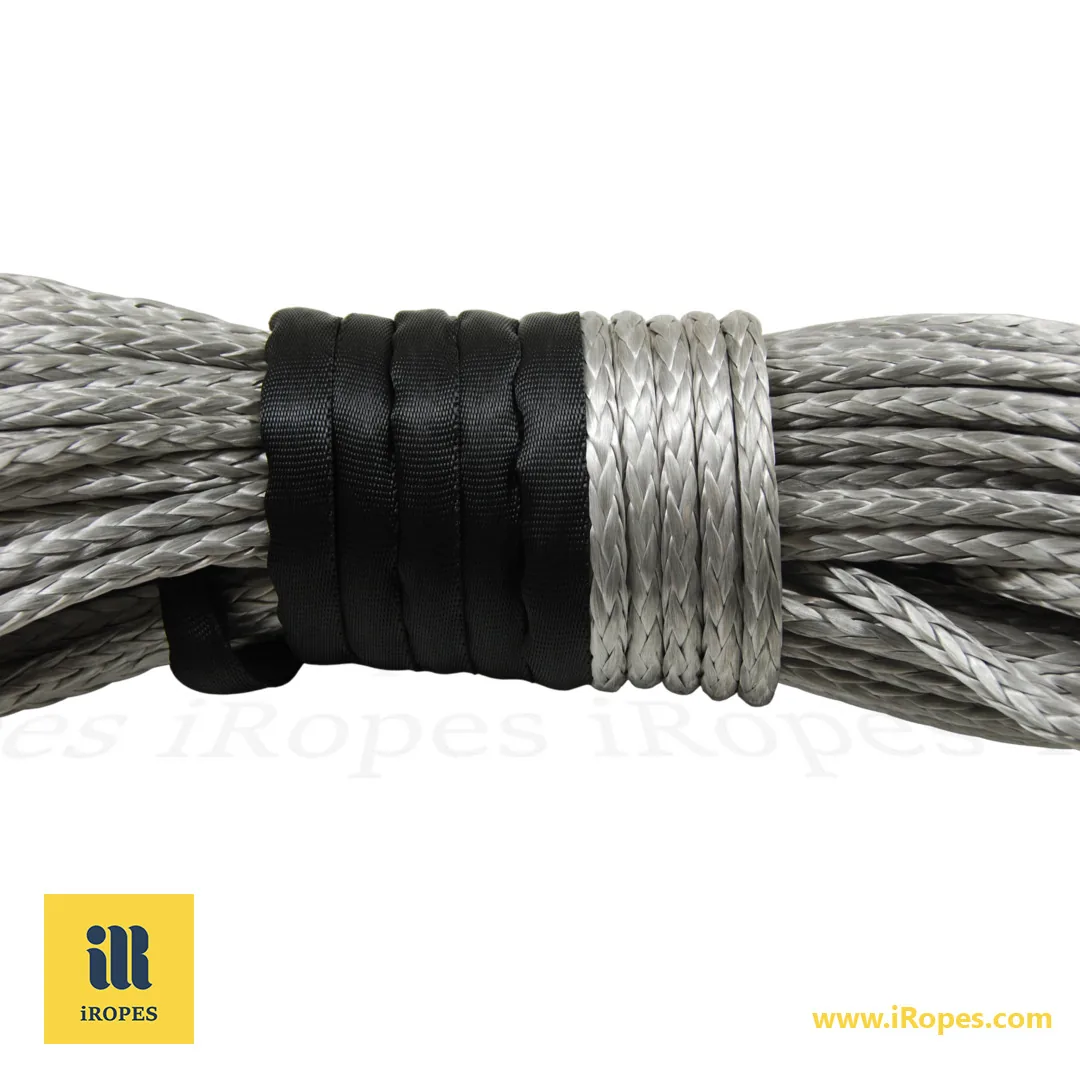
اختيار الحبل البحري الثلاثي الخيوط المناسب مع iRopes يساعدك على مطابقة قدرة الانكسار، والتمدد، ومقاومة الأشعة فوق البنفسجية مع احتياجات قاربك — مما يضمن أداءً موثوقًا بسعر فعّال من حيث التكلفة.
تعزيز أداء الحبل الخاص بك
- ✓ تحسين الموثوقية بفضل تصنيع خاضع للرقابة وفق معيار ISO 9001.
- ✓ تبسيط تخصيص OEM/ODM مع توصيل دقيق وفي جميع أنحاء العالم.
- ✓ تقليل التكلفة الإجمالية للملكية من خلال اختيار الألياف والبنية الصحيحة.
- ✓ خفض الوزن على السطح عن طريق اختيار ألياف عالية القوة إلى الوزن عند الحاجة.
يفترض معظم مالكي القوارب أن أي حبل منخفض التكلفة يكفي، إلا أن فشل وصلة واحدة قد يقصّ موسم الإبحار ويؤدي إلى إصلاحات مكلفة. مع المواصفات الصحيحة، يمكنك إطالة عمر الخدمة، خفض الوزن حيث يهم، والبقاء ضمن الميزانية. في الأقسام أدناه، سنستعرض العلم، نقارن بين البنيات، ونظهر كيف تساعدك الحلول المخصصة من iRopes على الانتقال من “جيد بما فيه الكفاية” إلى أداء مُصمم خصيصًا.
rope & marine services
الحبل البحري هو العمود الفقري لتشغيل السفينة بأمان، فهو يتعامل مع كل شيء من خطوط الرسو إلى التحكم في الأشرعة. اختيار الخط المناسب—والتعاون مع مزود متخصص—يحمي طاقمك، معداتك، واستثمارك.
عندما تستعين بخدمات rope & marine services الاحترافية، تستفيد من خبرة تحوّل الألياف الخام إلى حبل مُحدد لظروف البحر الواقعية. يقوم المورد المؤهل بتقييم الحمولة المتوقعة، التعرض للأشعة فوق البنفسجية وتكرار الاستخدام، ثم يطابقك مع مادة وبنية تتماشى مع المعايير ذات الصلة، مثل إرشادات المجلس الأمريكي للقوارب واليخوت (ABYC)، وتتحمل الاستخدام القاسي في المياه المالحة.

تمكّن قدرات OEM وODM من iRopes تحويل طلب عام إلى منتج مُعَلَّم بالعلامة التجارية ومُحسّن للأداء. من اختيار بوليستر مقاوم للأشعة فوق البنفسجية إلى دمج خيوط عاكسة لرؤية ليلية، يمكن لكل تفصيل أن يحمل شعارك ويتماشى مع متطلبات الامتثال لأسطولك.
- ISO 9001 certification - supports consistent quality checks from fibre selection to final packaging.
- Global shipping network - delivers pallets straight to your marina, with customs paperwork handled for you.
- After‑sales support - our team provides inspection checklists and maintenance advice to maximise rope life.
نظرًا لأن البيئات البحرية لا ترحم، فإن حماية الملكية الفكرية مدمجة في كل عقد. يظل نظام الألوان المخصص، بيانات تصنيف الحمولة، وأنماط الوصل سرية، بحيث لا يتمكن المنافسون من تقليد ميزتك.
“A well‑specified line from a certified supplier helps prevent line failure. On my 38‑ft cruiser, switching to iRopes’ custom‑coloured polyester mooring rope simplified inspections and gave me peace of mind during heavy weather.” – Marine engineer, ABYC‑certified.
سواء كنت تعيد تجديد يخت كلاسيكي أو تزود أسطولًا تجاريًا، فإن الجمع بين البنية الدقيقة، وضمان الجودة الصارم، واللوجستيات العالمية يجعل rope & marine services عاملًا حاسمًا في أداء السفينة. مع تولي iRopes لتصميم، إنتاج، وإرشاد ما بعد البيع، يمكنك التركيز على الإبحار—ليس على البحث عن المورد.
3 strand marine rope
بعد أن استعرضنا كيف يمكن لخدمات الحبل والبحرية المهنية تبسيط سلسلة إمدادك، حان الوقت للنظر إلى داخل الحبل نفسه. فهم بنية الحبل البحري الثلاثي الخيوط يسمح لك بتقييم ما إذا كان يلبي متطلبات الحمولة، المناولة، والوصلة لزورقك.

What is a 3‑strand marine rope? It is a laid (twisted) rope where three individual yarn bundles are twisted together in a helical pattern. The simple geometry makes the rope cost‑effective, easy to splice by hand, and well suited for mooring, anchoring and general deck applications.
- Choose the fibre – polyester, nylon (polyamide) or polypropylene are common for marine work.
- Twist each yarn bundle to the required lay direction, then combine the three bundles in a second twist.
- Apply finishing and quality checks, colour‑mark the strands, and cut to the exact length required for the job.
Because the three‑strand layout is forgiving, you can splice it with a basic eye splice and retain about 90 % of the original breaking strength. That ease of repair often outweighs the slightly higher stretch compared with a double‑braid, especially when you need a line that can be altered or shortened on the fly.
Pros & Cons
Pros: easy to splice, lower cost per metre, good UV resistance when polyester is used, and a tactile feel many sailors trust. Cons: higher stretch than a double‑braid, can kink under sharp bends, and the open lay exposes fibres to abrasion compared with a jacketed double‑braid.
If you compare this construction with other marine rope types, the 3‑strand option shines when you value simplicity and cost, but a braided line may be preferable for high‑performance sail control where minimal stretch is critical. The next section will walk you through those alternatives, helping you match rope to rig, deck or safety requirement.
marine rope types
Having examined the build of a 3‑strand line, the next step is to see how it stacks up against the other major constructions that dominate the marine market. Understanding the strengths and limits of each helps you match the rope to the specific load, handling and durability demands of your vessel.

Laid (3‑strand)
Classic twist for easy splicing
Material
Polyester (strong UV resistance), nylon/polyamide (high strength and stretch), polypropylene (buoyancy with lower UV resistance).
Use
Mooring lines, anchor rode, deck handling where spliceability matters.
Pros
Simple lay, low cost, strong splice retaining up to 90 % strength.
Braided & Kernmantle
High‑performance for low stretch
Material
UHMWPE/Dyneema (ultra‑high strength‑to‑weight), Technora and Vectran (high modulus) with braided jackets for protection.
Use
Sail‑sheet, halyard, high‑load winch lines where precision handling is critical.
Pros
Low elongation, high strength‑to‑weight, and excellent handling when jacketed for abrasion and UV exposure.
Material matrix
Match fibre to function: UHMWPE for ultra‑low stretch, polyester for UV endurance, PP for buoyancy, Kevlar (aramid) for heat resistance, Vectran for high modulus with good abrasion when jacketed.
When you ask “What are the different types of marine rope?” the answer falls into three families: laid (the 3‑strand style discussed earlier), braided (including double‑braid and solid‑braid) and kernmantle (a core‑sheath system popular in climbing‑grade lines). Each family can be produced from a range of fibres—ultra‑high‑molecular‑weight polyethylene (UHMWPE), Technora, Vectran, polyester, polyamide, Kevlar and PP—giving you a palette of strength, stretch and durability options. For a deeper dive into specifications, see our guide to marine rope specifications and uses.
For most cruising sailboats, a polyester double‑braid strikes the best balance of low stretch, UV resistance and cost, making it a go‑to choice for halyards and sheets. High‑performance racers, however, often reach for UHMWPE or Technora‑based braids to minimise stretch and boost handling precision. If you need a line that stays afloat for rescue work, polypropylene laid rope offers natural buoyancy at a modest price.
By aligning the rope construction with the appropriate fibre, you can optimise load capacity, minimise wear and ensure the line behaves as expected when the wind picks up. The next logical step is to translate these technical choices into a concrete specification that fits your boat’s exact dimensions and usage patterns.
Need a Custom Rope Solution?
By now you understand how rope & marine services can turn a generic line into a certified, UV‑resistant solution, why a 3 strand marine rope offers easy splicing and cost‑effectiveness, and how different marine rope types compare for strength, stretch and durability. iRopes, a China‑based leader in high‑performance fibre ropes for the yachting market, can help you select the ideal material—UHMWPE, Technora, Vectran, polyester, polyamide, Kevlar or PP—to match each part of your yacht and ensure ISO 9001‑backed quality.
For a specification that’s perfectly tailored to your vessel, consider our polyester mooring rope solution and simply complete the form above. Our specialists will work with you to design the ideal rope package.