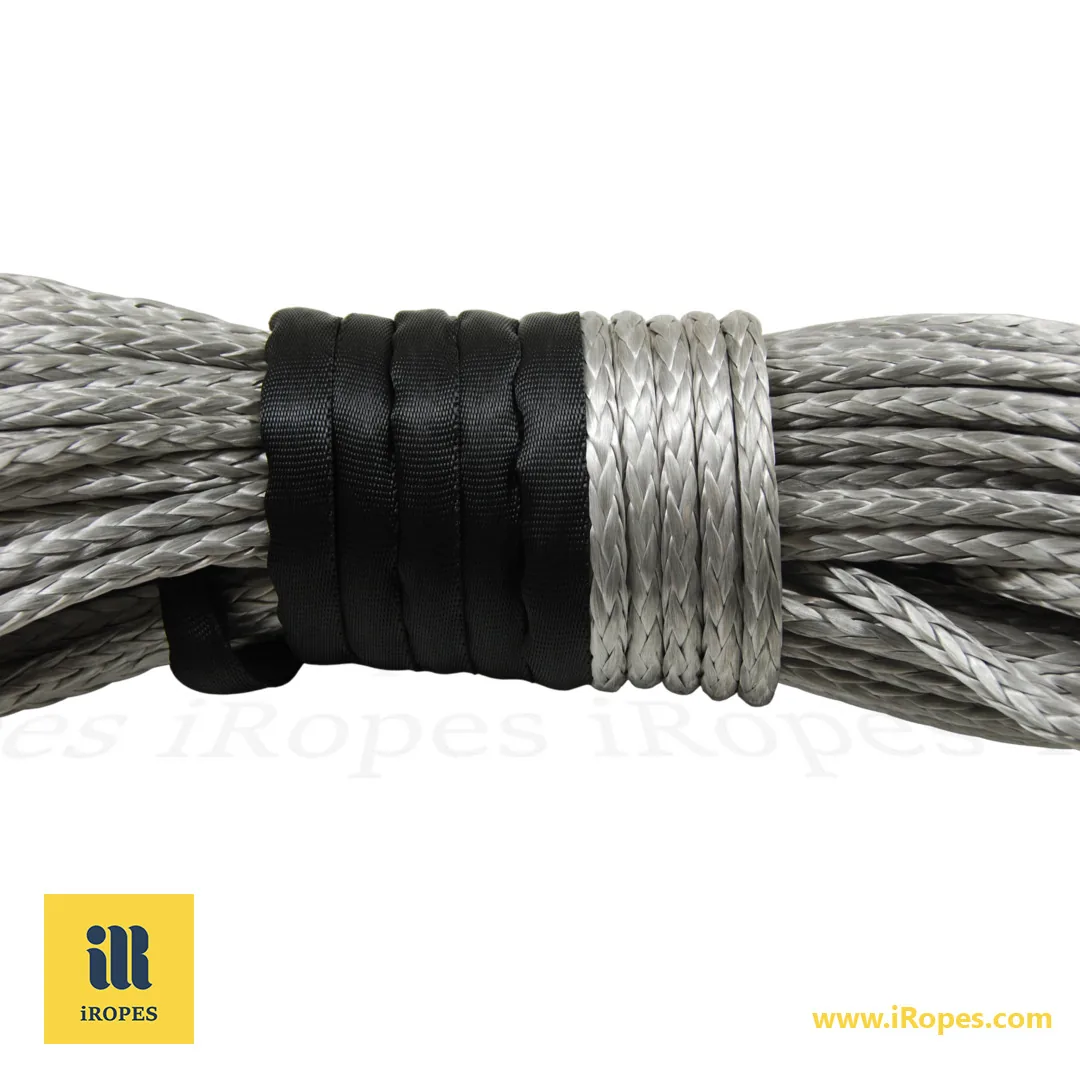
Choosing the right 3‑strand marine rope with iRopes helps you match breaking load, stretch and UV resistance to your boat’s needs—delivering dependable performance at a cost‑effective price.
Your rope‑performance boost
- ✓ Improve reliability with ISO 9001 quality‑controlled manufacturing.
- ✓ Streamline OEM/ODM customisation with punctual, worldwide delivery.
- ✓ Reduce total cost of ownership by specifying the right fibre and construction.
- ✓ Lower on‑deck weight by selecting high strength‑to‑weight fibres where appropriate.
Most boat owners assume any low‑cost rope will do, yet a single splice failure can cut a cruising season short and lead to costly repairs. With the right specification, you can extend service life, cut weight where it matters and stay within budget. In the sections below, we’ll unpack the science, compare constructions, and show how iRopes’ custom solutions help you move from “good enough” to purpose‑built performance.
rope & marine services
Marine rope is the backbone of safe vessel operation, handling everything from docking lines to sail control. Choosing the right line—and partnering with a specialist provider—protects your crew, your equipment and your investment.
When you enlist professional rope & marine services, you benefit from expertise that translates raw fibre into a rope specified for real‑world marine conditions. A qualified supplier evaluates the intended load, UV exposure and handling frequency, then matches you with a material and construction that aligns with relevant standards, such as the American Boat and Yacht Council (ABYC) guidance, and stands up to harsh salt‑water use.

iRopes’ OEM and ODM capabilities turn a generic brief into a branded, performance‑optimised product. From selecting a UV‑resistant polyester to integrating reflective yarns for night visibility, every detail can carry your logo and align with your fleet’s compliance requirements.
- ISO 9001 certification - supports consistent quality checks from fibre selection to final packaging.
- Global shipping network - delivers pallets straight to your marina, with customs paperwork handled for you.
- After‑sales support - our team provides inspection checklists and maintenance advice to maximise rope life.
Because marine environments are unforgiving, intellectual‑property protection is woven into every contract. Your custom colour scheme, load‑rating data and splice patterns remain confidential, so competitors cannot replicate your advantage.
“A well‑specified line from a certified supplier helps prevent line failure. On my 38‑ft cruiser, switching to iRopes’ custom‑coloured polyester mooring rope simplified inspections and gave me peace of mind during heavy weather.” – Marine engineer, ABYC‑certified.
Whether you are refitting a classic sailboat or outfitting a commercial fleet, the combination of precise construction, rigorous quality assurance and worldwide logistics makes rope & marine services a decisive factor in vessel performance. With iRopes handling design, production and after‑sales guidance, you can focus on sailing—not sourcing.
3 strand marine rope
Having explored how professional rope & marine services can streamline your supply chain, it’s time to look under the cover of the rope itself. Understanding the build of a 3‑strand marine rope lets you gauge whether it fits the load, handling and splicing needs of your vessel.

What is a 3‑strand marine rope? It is a laid (twisted) rope where three individual yarn bundles are twisted together in a helical pattern. The simple geometry makes the rope cost‑effective, easy to splice by hand, and well suited for mooring, anchoring and general deck applications.
- Choose the fibre – polyester, nylon (polyamide) or polypropylene are common for marine work.
- Twist each yarn bundle to the required lay direction, then combine the three bundles in a second twist.
- Apply finishing and quality checks, colour‑mark the strands, and cut to the exact length required for the job.
Because the three‑strand layout is forgiving, you can splice it with a basic eye splice and retain about 90 % of the original breaking strength. That ease of repair often outweighs the slightly higher stretch compared with a double‑braid, especially when you need a line that can be altered or shortened on the fly.
Pros & Cons
Pros: easy to splice, lower cost per metre, good UV resistance when polyester is used, and a tactile feel many sailors trust. Cons: higher stretch than a double‑braid, can kink under sharp bends, and the open lay exposes fibres to abrasion compared with a jacketed double‑braid.
If you compare this construction with other marine rope types, the 3‑strand option shines when you value simplicity and cost, but a braided line may be preferable for high‑performance sail control where minimal stretch is critical. The next section will walk you through those alternatives, helping you match rope to rig, deck or safety requirement.
marine rope types
Having examined the build of a 3‑strand line, the next step is to see how it stacks up against the other major constructions that dominate the marine market. Understanding the strengths and limits of each helps you match the rope to the specific load, handling and durability demands of your vessel.

Laid (3‑strand)
Classic twist for easy splicing
Material
Polyester (strong UV resistance), nylon/polyamide (high strength and stretch), polypropylene (buoyancy with lower UV resistance).
Use
Mooring lines, anchor rode, deck handling where spliceability matters.
Pros
Simple lay, low cost, strong splice retaining up to 90 % strength.
Braided & Kernmantle
High‑performance for low stretch
Material
UHMWPE/Dyneema (ultra‑high strength‑to‑weight), Technora and Vectran (high modulus) with braided jackets for protection.
Use
Sail‑sheet, halyard, high‑load winch lines where precision handling is critical.
Pros
Low elongation, high strength‑to‑weight, and excellent handling when jacketed for abrasion and UV exposure.
Material matrix
Match fibre to function: UHMWPE for ultra‑low stretch, polyester for UV endurance, PP for buoyancy, Kevlar (aramid) for heat resistance, Vectran for high modulus with good abrasion when jacketed.
When you ask “What are the different types of marine rope?” the answer falls into three families: laid (the 3‑strand style discussed earlier), braided (including double‑braid and solid‑braid) and kernmantle (a core‑sheath system popular in climbing‑grade lines). Each family can be produced from a range of fibres—ultra‑high‑molecular‑weight polyethylene (UHMWPE), Technora, Vectran, polyester, polyamide, Kevlar and PP—giving you a palette of strength, stretch and durability options. For a deeper dive into specifications, see our guide to marine rope specifications and uses.
For most cruising sailboats, a polyester double‑braid strikes the best balance of low stretch, UV resistance and cost, making it a go‑to choice for halyards and sheets. High‑performance racers, however, often reach for UHMWPE or Technora‑based braids to minimise stretch and boost handling precision. If you need a line that stays afloat for rescue work, polypropylene laid rope offers natural buoyancy at a modest price.
By aligning the rope construction with the appropriate fibre, you can optimise load capacity, minimise wear and ensure the line behaves as expected when the wind picks up. The next logical step is to translate these technical choices into a concrete specification that fits your boat’s exact dimensions and usage patterns.
Need a Custom Rope Solution?
By now you understand how rope & marine services can turn a generic line into a certified, UV‑resistant solution, why a 3 strand marine rope offers easy splicing and cost‑effectiveness, and how different marine rope types compare for strength, stretch and durability. iRopes, a China‑based leader in high‑performance fibre ropes for the yachting market, can help you select the ideal material—UHMWPE, Technora, Vectran, polyester, polyamide, Kevlar or PP—to match each part of your yacht and ensure ISO 9001‑backed quality.
For a specification that’s perfectly tailored to your vessel, consider our polyester mooring rope solution and simply complete the form above. Our specialists will work with you to design the ideal rope package.