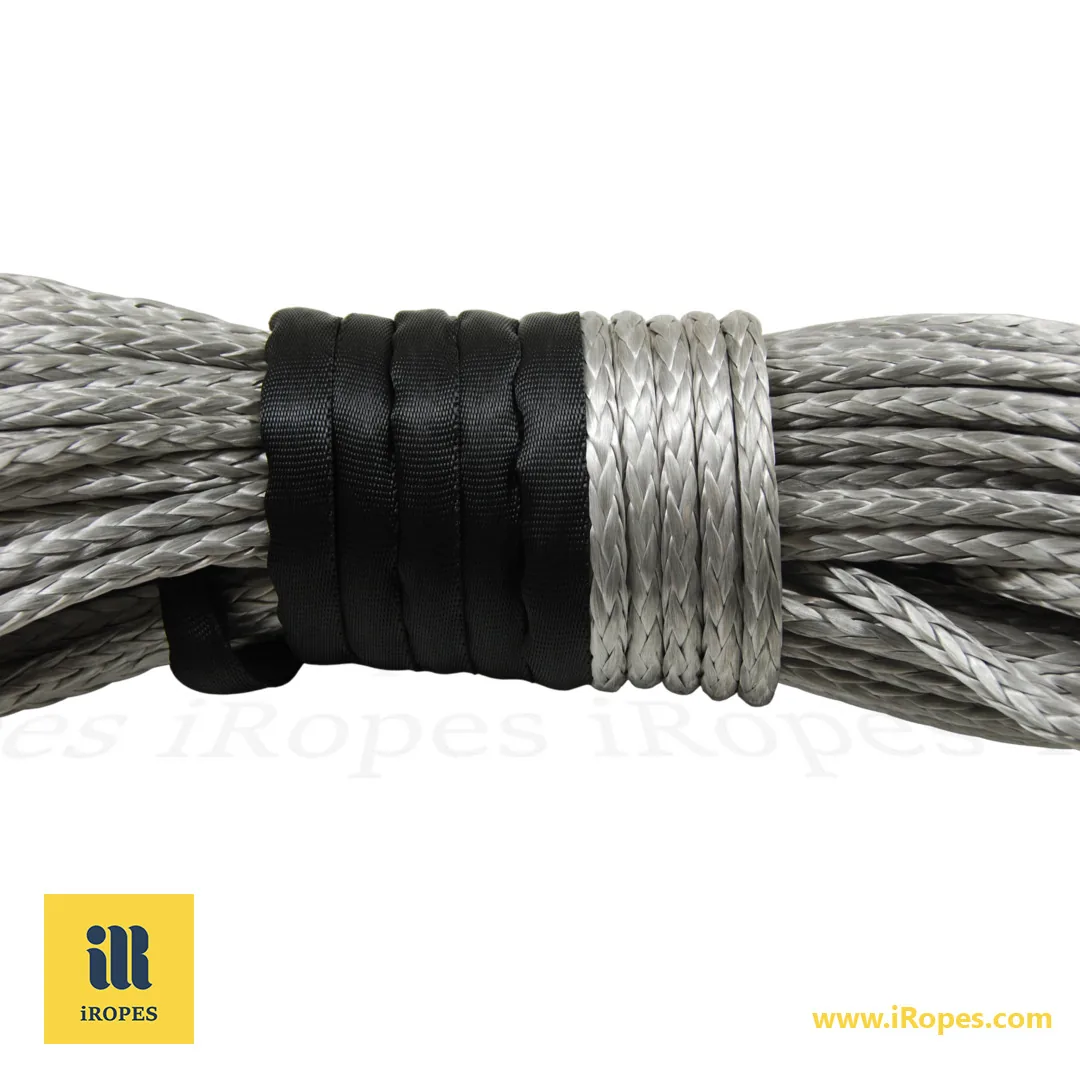
A 1‑inch polypropylene rope offers ≈12,600 lb MBL, yielding a 2,520 lb SWLL at 5:1 safety.
What you’ll master in 2‑minute skim (≈2 min read)
- ✓ Calculate SWLL instantly for any diameter.
- ✓ Choose the optimal construction (3‑strand vs 8‑braid) for strength‑to‑weight balance.
- ✓ Compare PP, nylon and polyester at a glance to help reduce material costs.
Many teams overlook how custom colour, reflective trims and ISO 9001 assurance improve safety and brand presence—learn how iRopes tailors the exact rope you need.
Understanding rope specifications for marine applications
Selecting the right rope starts with decoding the numbers and terms that appear on data sheets. Rope specifications are the language marine engineers use to ensure a line performs safely under the forces you expect at sea.

Four core parameters dominate every specification sheet:
- Minimum Breaking Load (MBL) – the force required to cause the rope to fail under test conditions.
- Safe Working Load Limit (SWLL) – the maximum load you should apply, calculated by dividing MBL by a safety factor (commonly 5‑to‑12).
- Diameter – measured in millimetres or inches; larger diameters generally provide higher breaking strength.
- Construction – the arrangement of strands (e.g., 3‑strand twisted, 8‑braid) that determines flexibility, abrasion resistance and load distribution.
The material you choose—polyester, nylon, or polypropylene—sets the baseline for strength, stretch and resistance to UV or chemicals. Even with the same material, a thicker rope will carry more load, and a braid will usually offer higher flexibility and better abrasion handling than a simple twisted strand. Together, those variables dictate the final SWLL you can trust when a line is under tension.
When you see a spec sheet that lists “polypropylene rope specifications,” you’re looking at a combination of those factors tuned for marine duties: low density for flotation, UV‑stabilised fibres for sun‑exposed work, and a construction that balances handling with load‑bearing capacity.
Standards give those numbers credibility. ISO 9001 certification indicates a documented quality management system, while rope test methods are defined in standards such as ISO 2307. U.S. military specifications like MIL‑R‑24049B also set exact test methods and acceptance criteria. Choosing rope produced under ISO 9001 and tested to ISO 2307 or relevant Mil‑Spec helps ensure the figures you rely on are verified under repeatable conditions.
“Compliance with recognised standards and ISO 9001 processes means rope performance is documented, repeatable and comparable across suppliers.”
So, what does a typical plastic rope specification look? In brief, it includes:
- Material – usually polypropylene for marine use.
- Diameter – ranging from 6 mm (¼ in) to 25 mm (1 in) for common applications.
- Breaking strength (MBL) – provided in pounds or kilograms for each diameter.
- Construction type – 3‑strand twisted or 8‑braid, influencing flexibility and abrasion resistance.
Understanding these rope specifications lets you match a line to the exact load, environment and regulatory requirement of your vessel. With that foundation, we can now explore the distinctive characteristics of polypropylene rope.
Polypropylene rope specifications: performance and properties
Building on the basics of marine rope specs, let’s dive into what makes polypropylene stand out. Its low density means the line floats, a feature that can be a lifesaver when you’re working over water. UV‑stabilised fibre resists sun damage, while the polymer’s chemistry repels most chemicals and absorbs almost no water—so a wet rope remains light and easy to handle.

How the rope is built influences the numbers you’ll see on a spec sheet. The most common constructions for marine‑grade polypropylene are:
- 3‑strand twisted – easy to splice, moderate flexibility.
- 8‑braid – higher load distribution, smoother handling.
- Custom core (parallel or hollow) – tailored strength‑to‑weight ratios.
Those structures directly affect the Minimum Breaking Load (MBL). For example, a 1‑inch (25 mm) 8‑braid polypropylene rope typically reaches an MBL of about 12,600 lb. A 3/8‑inch (9.5 mm) version, often used for lighter dock lines, breaks around 2,000 lb. To keep the line safe, apply a safety factor—many marine crews use a 5:1 ratio—so the Safe Working Load Limit (SWLL) for the 1‑inch rope is roughly 2,520 lb, and for the 3/8‑inch rope about 400 lb.
Always calculate SWLL using the safety factor recommended for your vessel’s operational profile; a higher factor (e.g., 12:1) is prudent for critical rescue lines.
When you hear the question “What is the specification of plastic rope?” the answer can be summed up in a quick list:
- Material – polypropylene, offering flotation and chemical resistance.
- Diameter range – from ¼ in (6 mm) up to 1 in (25 mm) for most marine tasks.
- Breaking strength (MBL) – varies with size; 1 in rope ≈ 12,600 lb, 3/8 in rope ≈ 2,000 lb.
- Construction type – 3‑strand twisted or 8‑braid, each influencing flexibility and load distribution.
These figures provide a concrete starting point for matching the right line to a specific load—whether you’re rigging a sail, securing cargo, or setting up a rescue system. With that understanding, the next step is to see how polypropylene stacks up against other marine‑grade fibres.
Comparing polypropylene with nylon and polyester ropes
Having detailed the core specs of polypropylene, the next logical step is to line it up against the other heavy‑hitters in marine‑grade rope—nylon and polyester—so you can see where each material excels.

Material Comparison
| Material | Typical 1‑in (25 mm) MBL | Stretch % (under load) | UV / Chemical Resistance |
|---|---|---|---|
| Polypropylene | ≈ 12,600 lb | 3‑5 % | Good UV, excellent chemical |
| Nylon | ≈ 15,000 lb | 10‑15 % | Moderate UV, good chemical |
| Polyester | ≈ 13,500 lb | 5‑7 % | Very high UV, excellent chemical |
When you weigh cost against performance, polypropylene usually wins on price—it’s the lightest and most economical of the trio. Nylon commands a premium because its high stretch makes it a natural shock absorber, while polyester offers a balance of strength and UV durability at a moderate cost increase over PP.
So, when does nylon or polyester pull ahead? If you need a line that stretches to soften sudden loads—think sail‑trim or winch recovery—nylon’s elasticity is a clear advantage. For applications where UV exposure and abrasion are relentless—such as permanent dock lines or rigging on sun‑baked vessels—polyester’s superior resistance extends service life and reduces replacement cycles.
Answering the common query “What are the characteristics of polypropylene rope?”—it floats, resists UV degradation when stabilised, absorbs almost no water, and stands up well to most chemicals. Those traits make PP the go‑to choice for rescue lines, buoyant markers and any task where a lightweight, non‑absorbing rope simplifies handling.
Higher stretch
Nylon absorbs shock loads, ideal for sail‑trim lines where elasticity reduces sudden jerks.
Superior abrasion
Polyester endures gritty dock surfaces better than polypropylene, extending service life.
Flotation
Polypropylene stays buoyant, perfect for rescue lines and floating markers.
Cost‑effective
Lower material cost makes PP the budget‑friendly choice for routine mooring.
Understanding where each material shines helps you match the rope to the job, and sets the stage for tailoring a solution for the best ship mooring rope that meets exact rope specifications for your vessel.
Customizing marine rope solutions with iRopes
Having seen how polypropylene measures up against nylon and polyester, the next question is how you can shape a line that fits your exact marine project. iRopes turns the numbers on a spec sheet into a rope that arrives in the colour, length and configuration you need, while keeping safety and performance front‑and‑centre.

Our OEM/ODM workflow starts with the material you choose—whether it’s standard polypropylene for buoyancy or a specialised blend for added abrasion resistance. From there, you define the diameter, specify any colour or reflective strip, and pick accessories such as eye splices, thimbles or custom‑moulded terminations. Each decision feeds directly into a documented production plan in our state‑of‑the‑art facilities, ensuring the rope specifications you requested are met at every stage.
Customization Options
Pick the details that matter
Material
Select polypropylene, nylon, polyester or a hybrid to match load, flotation and chemical‑resistance needs.
Diameter
Choose from 6 mm (¼ in) up to 25 mm (1 in) to hit the required breaking strength and SWLL for your vessel.
Colour & Branding
Apply your corporate palette, add reflective markings, or request unbranded packaging for a seamless brand experience.
Quality & Delivery
What you can rely on
ISO 9001 Assurance
Every batch follows documented testing and traceability, ensuring the rope specifications are verified and repeatable.
IP Protection
Your proprietary designs stay confidential from concept through delivery, backed by legal safeguards.
Packaging & Lead‑time
Choose sealed bags, colour boxes or cartons, with pallet shipping direct to your location; lead‑times are confirmed at order.
When you need a line that meets precise polypropylene rope specifications, email our engineering team with the required diameter, construction type and any accessory list, or explore our custom 1‑inch and 1.5‑inch marine rope solutions. We’ll respond promptly with a detailed cost breakdown, an indicative production schedule and shipping options aligned to your deadlines.
Tailor‑Made Solutions
Your exact rope specifications become a finished product, backed by ISO 9001 quality, IP protection and on‑time delivery.
This paper introduces various types of marine rope, with a particular focus on the application of nylon and polyester ropes in marine environments. By decoding the core rope specifications—MBL, SWLL, diameter and construction—you can confidently select a line that meets safety factors, relevant standards and the specific load demands of your vessel.
Polypropylene rope offers buoyancy, UV stability and low water absorption, see the top uses for 1.5‑inch polypropylene rope and nylon rope, and when you request precise polypropylene rope specifications from iRopes, their OEM/ODM team can tailor diameter, colour, accessories and packaging while guaranteeing ISO 9001 quality and IP protection. Custom solutions ensure the line you receive aligns perfectly with your project requirements.
Need a custom marine rope solution?
For personalised assistance in selecting the ideal rope or creating a bespoke specification, fill out the enquiry form above and our experts will contact you promptly.