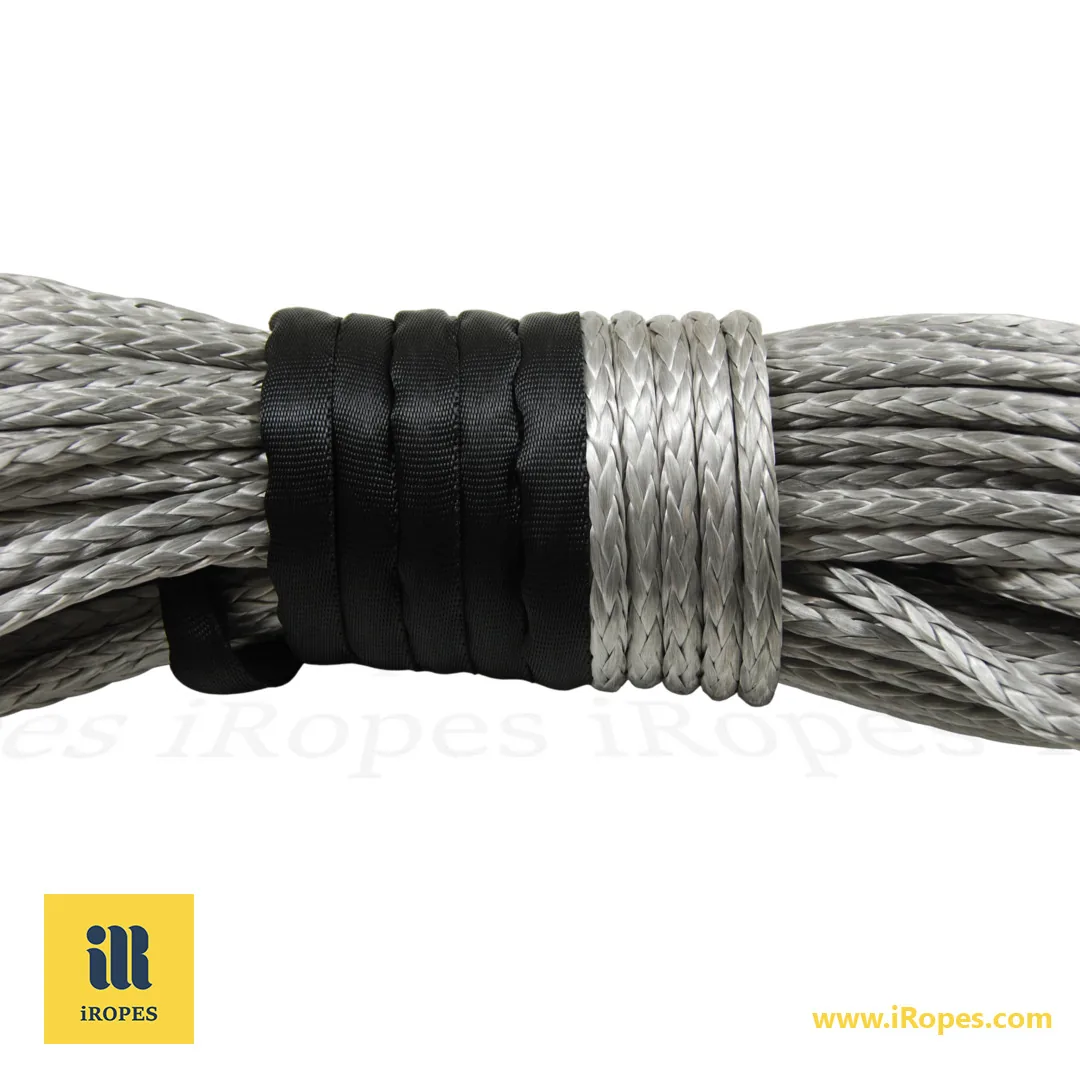
Three‑strand polyester rope typically stretches less than 5% under load, keeps vessels steadier than high‑stretch nylon in many mooring applications, and retains over 90% of its strength after 10 years of UV exposure.
Quick gains – read in 2 min
- ✓ Up to 5% stretch max, keeping your vessel steadier in waves.
- ✓ UV‑stabilised colour and strength; 90%+ strength retained after a decade outdoors.
- ✓ ISO 9001‑certified manufacturing with documented tensile testing for consistent, reliable performance.
- ✓ Custom OEM/ODM options that can shorten lead times and simplify installation.
You’ve probably heard that any sturdy line will keep a boat in place, but many crews overlook the silent creep caused by stretch and UV‑induced weakening. If you want steadier mooring and predictable performance, choosing the right construction matters. This guide compares three‑strand nylon rope and three strand polyester rope for mooring and anchoring, and explains where braided polyester fits in. You’ll see how material, construction and custom options deliver real‑world gains, so you can choose with confidence.
Understanding three strand polyester rope
After seeing how demanding marine mooring can be, it helps to know what the rope is made of before you pick a line. A three strand polyester rope starts its life as fine polyester fibres that are drawn into continuous filaments. Those filaments are then grouped and twisted to form three separate strands, which are finally twisted together in the opposite direction to create a balanced, low‑stretch rope suitable for anchoring and dock lines.

- Fibres → Filaments – thin synthetic threads are extruded from polyester polymer.
- Three twisted strands – filaments are bundled and twisted to form three distinct strands.
- Final rope – the three strands are twisted together in the opposite direction, producing a balanced, low‑stretch line.
Compared with a three‑strand nylon counterpart, polyester offers markedly better UV resistance, meaning colour and strength stay intact after years of sun exposure. Stretch is also lower—typically under 5% versus 10–15% for nylon—so a boat’s position remains more stable under load. Finally, polyester’s moisture absorption is negligible, which translates to consistent performance even after prolonged immersion.
“Polyester’s low moisture uptake keeps its tensile strength above 95% of the dry rating, which is critical for permanent mooring applications where the line is constantly wet.” – ASTM‑certified rope engineer.
So, when you hear the question “What is a 3‑strand rope?” think of three tightly twisted polyester strands that deliver predictable strength, UV‑stable colour and minimal stretch—qualities that make it a preferred choice for marine mooring and anchoring. Three‑strand nylon rope is also common, especially for anchor rodes where extra elasticity helps absorb shock.
Understanding these fundamentals sets the stage for exploring how braided constructions compare for mooring and anchoring.
Benefits of three strand rope braid for mooring and anchoring
Now that you understand how a three‑strand polyester rope is built, the next question is why many crews choose a braided polyester rope instead of a simple three‑strand twist when they need a reliable dock line or anchor rode. A braid interweaves multiple yarns, creating a compact, uniform cross‑section that spreads load more evenly than three individual strands.

The braid’s architecture gives it a higher strength‑to‑weight ratio, meaning you get excellent holding capability without a bulky line. That low‑stretch characteristic keeps your vessel steady, even when waves or wind try to pull it loose. Because the fibres are locked together, abrasion from chafing against cleats or pilings is reduced, extending the rope’s service life.
Splicing differs between constructions. Three‑strand twisted rope is the easiest to splice by hand. Braided ropes can also be spliced to retain a high proportion of the original breaking strength, but the method is more specialised and is best done with proper tools or by professionals. For a deeper dive into reliable splicing methods, see our guide on mastering Brummel splice and straight splice techniques.
- Construction – twisted rope is three single strands twisted together, while braid interweaves multiple yarns.
- Flexibility – braid bends smoothly and runs cleanly over fittings and hardware.
- Strength‑to‑weight – braid often achieves higher breaking strength for the same diameter.
These advantages translate into tangible benefits on the water. A low‑stretch braid holds a boat in place with minimal movement, which is especially valuable when you’re anchoring in a crowded marina or operating a tender alongside a larger vessel.
Low stretch
A braided polyester rope typically stretches less than 5% under load, keeping your docked boat steadier than a comparable nylon line that can elongate 10–15%.
When you compare braid with a three‑strand twisted rope, braid offers excellent strength‑to‑diameter efficiency and a smooth, uniform surface—useful in large‑scale mooring projects and on hardware where chafe control matters. Even so, many professional mariners and offshore operators still choose twisted rope in tight‑space installations where easy handling and cost‑effectiveness are paramount.
Choosing the right three strand twisted rope for marine applications
Having explored why many crews opt for a braid, it’s time to see when a three strand twisted rope actually gives you the edge. In cramped berths, on‑board winches or projects where every kilogram counts, the twisted format can be the smarter choice.

- Tight‑space installations – the natural flexibility lets you route the line around crowded cleats, winches and railings.
- Cost‑effectiveness – fewer manufacturing steps mean the twisted rope often carries a lower price per foot in standard diameters.
- Handling – the rope coils easily and is simple to splice on board with basic tools.
When you’ve identified a scenario that matches one of those points, the next step is to check the technical specifications. Below is a quick preview of the data you’ll typically see on a data sheet for a three‑strand twisted polyester line.
| Diameter | Breaking Strength (lb) | Safe Working Load (lb) | Stretch (%) |
|---|---|---|---|
| ¼ in | 1 250 | 250 | 4–5 |
| ½ in | 5 000 | 1 000 | 4–5 |
| 1 in | 20 000 | 4 000 | 4–5 |
Answering a common People‑Also‑Ask query, the breaking strength of a typical 3‑strand polyester rope falls in the range shown above—roughly 1 250 lb for a quarter‑inch line and up to 20 000 lb for a one‑inch line. Values vary by construction and finish, so always consult the specific product’s data sheet.
Always verify the exact breaking strength and SWL in the supplier’s spec sheet before finalising a purchase, especially for critical anchoring loads.
With the right diameter and strength in hand, you can move on to tailoring the rope to your project—colour, length, reflective inserts and even bespoke packaging are all on the table. The next section will walk you through those buying and customisation decisions.
Buying guide and customization options for 3‑strand ropes
Now that you’ve matched the right diameter and breaking strength to your load, the next step is personalising the line for the job. Whether you need a vivid colour that matches your fleet, a reflective strip for night‑time safety, or a packaging style that carries your logo, iRopes can turn a standard three‑strand polyester rope into a brand‑specific solution.

When you pick a diameter, think of the safe working load you’ll regularly apply. A larger size gives higher strength but adds weight; a slimmer line is easier to handle on cramped decks. Length is simply the distance between your anchoring point and vessel, plus a safety allowance for knots and fittings. Colour isn’t just cosmetic—high‑visibility hues or a fluorescent stripe help crew spot a line in rough weather.
Selection Basics
What to decide first
Diameter
Match the rope’s safe working load to your vessel’s displacement; larger diameters handle higher loads but cost more per foot.
Length
Include the distance between bow and anchor plus extra for knots, splices and a safety margin.
Colour & Branding
Choose standard marine colours or request a custom shade; we can add coloured tracers and apply your logo to the packaging.
iRopes OEM/ODM Services
Turnkey customisation
Construction Options
Select twisted three‑strand, braided, or parallel‑core designs to fine‑tune stretch, stiffness and handling for your use case.
Reflective Elements
Integrated retro‑reflective threads boost visibility for night‑time docking without sacrificing strength.
Packaging & IP Protection
We offer non‑branded or customer‑branded bags, colour boxes or bulk cartons, with full intellectual‑property protection throughout production.
If you wonder whether a three‑strand rope can be spliced, the answer is yes—a clean eye splice typically retains most of the line’s original strength. The process involves untwisting the ends, laying the strands in a symmetrical pattern, and making a series of tucks. iRopes also provides a professional splicing service for bulk orders and ships pallets worldwide, so you can receive ready‑to‑use ends straight to the dock.
Which rope is best for marine mooring? For most permanent dock lines, a three strand polyester rope delivers low stretch, UV stability and minimal water absorption, making it a go‑to choice for marine mooring and anchoring. For anchor rodes and highly dynamic loads, three‑strand nylon rope remains popular because its 10–15% stretch helps absorb shock. If you need a lighter, more flexible line for tight‑space fittings, the three strand twisted rope format is economical and easy to handle.
“Our clients appreciate the ability to order a polyester rope in corporate colours, complete with reflective stitching and a custom‑branded box—it turns a safety line into a branding opportunity.” – Head of Product Development, iRopes.
When you’ve settled on diameter, length, colour and any optional accessories, simply request a free technical quote from iRopes. We’ll confirm the exact breaking strength, suggest the optimal splice method and provide a downloadable spec sheet so you can compare options side‑by‑side before placing an order.
The article walked you through the core differences between three‑strand nylon and three‑strand polyester ropes for mooring and anchoring, highlighting why polyester’s low stretch and UV stability make it ideal for many permanent dock lines. You learned how a braided polyester rope delivers a strong strength‑to‑weight ratio and excellent abrasion resistance, while a three‑strand twisted rope offers economical flexibility for tight‑space installations. With clear guidance on diameter, breaking strength, colour, reflective inserts and iRopes’ OEM/ODM customisation, you’re ready to specify the perfect line for your marine application.
Need a customised marine rope solution?
If you’d like personalised advice on selecting the right rope type, diameter or branding options, simply complete the form above and our iRopes specialists will guide you through a tailored solution.